
Contents
- 🔍 Introduction to Craniofacial Complex
- 💀 Anatomy of the Human Skull
- 👥 Craniofacial Abnormalities and Disorders
- 🔬 Diagnostic Techniques for Craniofacial Complex
- 👩⚕️ Treatment Options for Craniofacial Abnormalities
- 🔮 Surgical Interventions for Craniofacial Complex
- 🤝 Multidisciplinary Approach to Craniofacial Care
- 📊 Craniofacial Research and Future Directions
- 📚 Craniofacial Education and Awareness
- 💡 Craniofacial Complex and Quality of Life
- 👫 Craniofacial Support Groups and Communities
- Frequently Asked Questions
- Related Topics
Overview
The craniofacial complex, comprising the skull, face, and associated structures, has been a subject of fascination and study for centuries. Historically, the work of pioneers like Andreas Vesalius and Henry Gray has laid the foundation for modern understanding. However, the field is not without controversy, with debates surrounding the ethics of craniofacial surgery and the impact of genetic conditions on craniofacial development. Recent advances in 3D printing and regenerative medicine have opened new avenues for treatment and research, with notable contributions from institutions like the American Cleft Palate-Craniofacial Association. As research continues to unravel the complexities of the craniofacial complex, questions about the future of personalized medicine and the potential for craniofacial reconstruction to address congenital defects and injuries remain. With a vibe score of 8, indicating significant cultural and medical relevance, the craniofacial complex is an area of ongoing inquiry and innovation, with potential applications in fields beyond medicine, such as forensic science and anthropology.
🔍 Introduction to Craniofacial Complex
The craniofacial complex is a intricate and fascinating aspect of human anatomy, comprising the skull, face, and jaw. To understand the intricacies of the human skull, it's essential to explore the Anatomy of the craniofacial complex, including the Skull and its various components. The craniofacial complex plays a vital role in our overall health and well-being, and any abnormalities or disorders can have significant impacts on our quality of life. For instance, Craniofacial Abnormalities such as cleft lip and palate can affect an individual's ability to eat, speak, and breathe properly. Researchers and medical professionals are working together to advance our understanding of the craniofacial complex and develop effective treatments for related disorders, as seen in the work of the American Cleft Palate-Craniofacial Association.
💀 Anatomy of the Human Skull
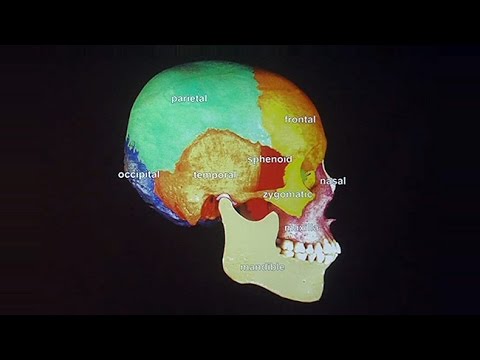
The human skull is a complex structure composed of 22 bones that fuse together during childhood and adolescence. The skull provides protection for the brain and serves as the foundation for the face and jaw. Understanding the Anatomy of the Skull is crucial for diagnosing and treating craniofacial abnormalities and disorders. For example, Craniosynostosis is a condition where the bones of the skull fuse together prematurely, which can lead to increased pressure on the brain and affect cognitive development. The Skull Base is another critical area of the craniofacial complex, as it connects the skull to the spine and plays a vital role in supporting the brain. Researchers are working to develop new treatments for craniofacial disorders, such as Distraction Osteogenesis, which involves gradually lengthening the bones of the skull to improve facial symmetry and function.
👥 Craniofacial Abnormalities and Disorders
Craniofacial abnormalities and disorders can have significant impacts on an individual's quality of life, affecting their ability to eat, speak, and breathe properly. Craniofacial Abnormalities such as cleft lip and palate, Craniosynostosis, and Apert Syndrome require prompt diagnosis and treatment to prevent long-term complications. The American Cleft Palate-Craniofacial Association provides valuable resources and support for individuals and families affected by craniofacial abnormalities. Additionally, Genetic Counseling can help individuals and families understand the genetic factors contributing to craniofacial abnormalities and make informed decisions about their care. The Craniofacial Clinic at many hospitals provides comprehensive care for individuals with craniofacial abnormalities, offering a range of services from diagnosis to treatment and follow-up care.
🔬 Diagnostic Techniques for Craniofacial Complex
Diagnostic techniques for the craniofacial complex have advanced significantly in recent years, enabling medical professionals to accurately diagnose and treat craniofacial abnormalities and disorders. Imaging Techniques such as CT scans and MRI scans provide detailed images of the skull and face, allowing for precise diagnosis and treatment planning. Genetic Testing can also help identify the underlying genetic causes of craniofacial abnormalities, enabling targeted treatment and management. The Craniofacial Team at many hospitals includes a range of specialists, including surgeons, orthodontists, and speech therapists, who work together to provide comprehensive care for individuals with craniofacial abnormalities. Furthermore, 3D Printing technology is being used to create customized models of the skull and face, allowing for more accurate diagnosis and treatment planning.
👩⚕️ Treatment Options for Craniofacial Abnormalities
Treatment options for craniofacial abnormalities and disorders depend on the specific condition and its severity. Surgical Interventions such as Craniofacial Surgery and Orthognathic Surgery can help correct facial deformities and improve function. Orthodontic Treatment can also help improve the alignment of the teeth and jaws, enhancing facial aesthetics and function. The Craniofacial Clinic at many hospitals offers a range of treatment options, including Speech Therapy and Occupational Therapy, to help individuals with craniofacial abnormalities achieve optimal outcomes. Additionally, Prosthetic Devices such as facial prosthetics can help restore facial form and function, improving an individual's quality of life.
🔮 Surgical Interventions for Craniofacial Complex
Surgical interventions for the craniofacial complex require careful planning and execution to achieve optimal outcomes. Craniofacial Surgery involves a range of procedures, including Craniotomy and Osteotomy, to correct facial deformities and improve function. Orthognathic Surgery can help correct issues with the alignment of the jaws, enhancing facial aesthetics and function. The Craniofacial Team at many hospitals includes experienced surgeons who specialize in craniofacial surgery, working together with other specialists to provide comprehensive care for individuals with craniofacial abnormalities. Furthermore, Minimally Invasive Surgery techniques are being developed to reduce the risk of complications and improve recovery times for individuals undergoing craniofacial surgery.
🤝 Multidisciplinary Approach to Craniofacial Care
A multidisciplinary approach to craniofacial care is essential for providing comprehensive and effective treatment for individuals with craniofacial abnormalities and disorders. The Craniofacial Team at many hospitals includes a range of specialists, including surgeons, orthodontists, and speech therapists, who work together to provide coordinated care. Interdisciplinary Collaboration is critical for developing effective treatment plans that address the complex needs of individuals with craniofacial abnormalities. The American Cleft Palate-Craniofacial Association provides valuable resources and support for individuals and families affected by craniofacial abnormalities, promoting a multidisciplinary approach to care. Additionally, Family-Centered Care is essential for providing emotional support and empowering families to take an active role in their loved one's care.
📊 Craniofacial Research and Future Directions
Craniofacial research and future directions are focused on advancing our understanding of the craniofacial complex and developing effective treatments for related disorders. Craniofacial Research is exploring new technologies and techniques, such as 3D Printing and Stem Cell Therapy, to improve diagnosis and treatment outcomes. The National Institutes of Health provides funding and support for craniofacial research, promoting innovation and discovery in the field. Furthermore, International Collaboration is critical for sharing knowledge and expertise, driving progress in craniofacial care and research. The Craniofacial Clinic at many hospitals is involved in ongoing research and clinical trials, offering individuals with craniofacial abnormalities access to cutting-edge treatments and therapies.
📚 Craniofacial Education and Awareness
Craniofacial education and awareness are essential for promoting understanding and empathy for individuals with craniofacial abnormalities and disorders. Craniofacial Education programs can help raise awareness about the importance of craniofacial care and the need for early diagnosis and treatment. The American Cleft Palate-Craniofacial Association provides valuable resources and support for individuals and families affected by craniofacial abnormalities, promoting education and awareness. Additionally, Social Media platforms can help raise awareness and promote education about craniofacial abnormalities, reducing stigma and promoting inclusivity. The Craniofacial Community is working together to promote education and awareness, supporting individuals and families affected by craniofacial abnormalities.
💡 Craniofacial Complex and Quality of Life
The craniofacial complex has a significant impact on an individual's quality of life, affecting their ability to eat, speak, and breathe properly. Quality of Life is a critical consideration in craniofacial care, as individuals with craniofacial abnormalities often face unique challenges and obstacles. The Craniofacial Clinic at many hospitals offers a range of services and support to help individuals with craniofacial abnormalities achieve optimal outcomes and improve their quality of life. Furthermore, Psychosocial Support is essential for individuals with craniofacial abnormalities, providing emotional support and empowering them to cope with the challenges they face. The Craniofacial Community is working together to promote awareness and understanding, reducing stigma and promoting inclusivity.
👫 Craniofacial Support Groups and Communities
Craniofacial support groups and communities play a vital role in providing emotional support and empowerment for individuals and families affected by craniofacial abnormalities and disorders. The Craniofacial Community is a vibrant and supportive network of individuals and families who share similar experiences and challenges. Support Groups can provide a safe and welcoming space for individuals to share their stories and connect with others who understand their experiences. The American Cleft Palate-Craniofacial Association provides valuable resources and support for individuals and families affected by craniofacial abnormalities, promoting education and awareness. Additionally, Online Forums and Social Media platforms can help connect individuals and families with others who share similar experiences, promoting a sense of community and belonging.
Key Facts
- Year
- 2022
- Origin
- Ancient Greece, with contributions from Andreas Vesalius (1514-1564) and modern advancements in the 20th century
- Category
- Anatomy and Medicine
- Type
- Medical Concept
Frequently Asked Questions
What is the craniofacial complex?
The craniofacial complex refers to the intricate and fascinating aspect of human anatomy, comprising the skull, face, and jaw. It plays a vital role in our overall health and well-being, and any abnormalities or disorders can have significant impacts on our quality of life. The Craniofacial Complex is a complex structure that requires careful diagnosis and treatment to prevent long-term complications. For instance, Craniofacial Abnormalities such as cleft lip and palate can affect an individual's ability to eat, speak, and breathe properly. Researchers and medical professionals are working together to advance our understanding of the craniofacial complex and develop effective treatments for related disorders.
What are some common craniofacial abnormalities and disorders?
Common craniofacial abnormalities and disorders include Cleft Lip and Palate, Craniosynostosis, and Apert Syndrome. These conditions can have significant impacts on an individual's quality of life, affecting their ability to eat, speak, and breathe properly. The American Cleft Palate-Craniofacial Association provides valuable resources and support for individuals and families affected by craniofacial abnormalities. Additionally, Genetic Counseling can help individuals and families understand the genetic factors contributing to craniofacial abnormalities and make informed decisions about their care.
What are some treatment options for craniofacial abnormalities and disorders?
Treatment options for craniofacial abnormalities and disorders depend on the specific condition and its severity. Surgical Interventions such as Craniofacial Surgery and Orthognathic Surgery can help correct facial deformities and improve function. Orthodontic Treatment can also help improve the alignment of the teeth and jaws, enhancing facial aesthetics and function. The Craniofacial Clinic at many hospitals offers a range of treatment options, including Speech Therapy and Occupational Therapy, to help individuals with craniofacial abnormalities achieve optimal outcomes.
What is the role of the craniofacial team in providing care for individuals with craniofacial abnormalities and disorders?
The Craniofacial Team plays a vital role in providing comprehensive and effective care for individuals with craniofacial abnormalities and disorders. The team includes a range of specialists, including surgeons, orthodontists, and speech therapists, who work together to provide coordinated care. Interdisciplinary Collaboration is critical for developing effective treatment plans that address the complex needs of individuals with craniofacial abnormalities. The American Cleft Palate-Craniofacial Association provides valuable resources and support for individuals and families affected by craniofacial abnormalities, promoting a multidisciplinary approach to care.
What are some resources available for individuals and families affected by craniofacial abnormalities and disorders?
There are several resources available for individuals and families affected by craniofacial abnormalities and disorders, including the American Cleft Palate-Craniofacial Association and the Craniofacial Clinic at many hospitals. These organizations provide valuable resources and support, including education, advocacy, and emotional support. Additionally, Online Forums and Social Media platforms can help connect individuals and families with others who share similar experiences, promoting a sense of community and belonging.
What is the importance of craniofacial education and awareness?
Craniofacial education and awareness are essential for promoting understanding and empathy for individuals with craniofacial abnormalities and disorders. Craniofacial Education programs can help raise awareness about the importance of craniofacial care and the need for early diagnosis and treatment. The American Cleft Palate-Craniofacial Association provides valuable resources and support for individuals and families affected by craniofacial abnormalities, promoting education and awareness. Additionally, Social Media platforms can help raise awareness and promote education about craniofacial abnormalities, reducing stigma and promoting inclusivity.
What is the role of the craniofacial community in promoting education and awareness?
The Craniofacial Community plays a vital role in promoting education and awareness about craniofacial abnormalities and disorders. The community includes individuals and families affected by craniofacial abnormalities, as well as medical professionals and researchers who specialize in craniofacial care. Support Groups and Online Forums can provide a safe and welcoming space for individuals to share their stories and connect with others who understand their experiences. The American Cleft Palate-Craniofacial Association provides valuable resources and support for individuals and families affected by craniofacial abnormalities, promoting education and awareness.