
Contents
- 🔒 Introduction to DDoS Attacks
- 📊 Understanding the Mechanics of DDoS
- 🚫 Types of DDoS Attacks
- 🔍 Identifying the Sources of DDoS Attacks
- 🚨 The Impact of DDoS Attacks on Businesses
- 🤝 Collaborative Efforts to Mitigate DDoS Attacks
- 📈 The Evolution of DDoS Attacks
- 🔑 Defensive Strategies Against DDoS Attacks
- 📊 DDoS Attack Statistics and Trends
- 🌐 Global Response to DDoS Attacks
- 👮♂️ Legal Ramifications of DDoS Attacks
- Frequently Asked Questions
- Related Topics
Overview
A DDoS attack is a type of cyberattack where an attacker overwhelms a website or network with traffic from multiple sources, rendering it inaccessible to users. This can be achieved through botnets, malware, or other means, with the goal of extorting money, disrupting operations, or making a political statement. Notable examples include the 2016 attack on Dyn, which affected major websites like Twitter and Netflix, and the 2017 attack on the UK's National Health Service. The impact of DDoS attacks can be severe, with estimated costs ranging from $20,000 to $100,000 per hour. As the threat landscape evolves, defenders must adapt, using techniques like traffic filtering and cloud-based mitigation. The future of DDoS attacks will likely involve more sophisticated tactics, such as AI-powered attacks, and increased focus on IoT devices as potential vulnerabilities.
🔒 Introduction to DDoS Attacks
DDoS attacks, or Distributed Denial of Service attacks, are a type of Cybersecurity threat that has been on the rise in recent years. These attacks involve overwhelming a network or system with traffic from multiple sources, rendering it unavailable to legitimate users. According to DDoS Protection experts, the goal of a DDoS attack is to make a machine or network resource unavailable by flooding it with superfluous requests. This can be achieved by Network Security breaches, Malware infections, or other forms of Cyber Attacks. The impact of DDoS attacks can be severe, with many businesses experiencing significant losses due to Downtime and Reputation Damage.
📊 Understanding the Mechanics of DDoS
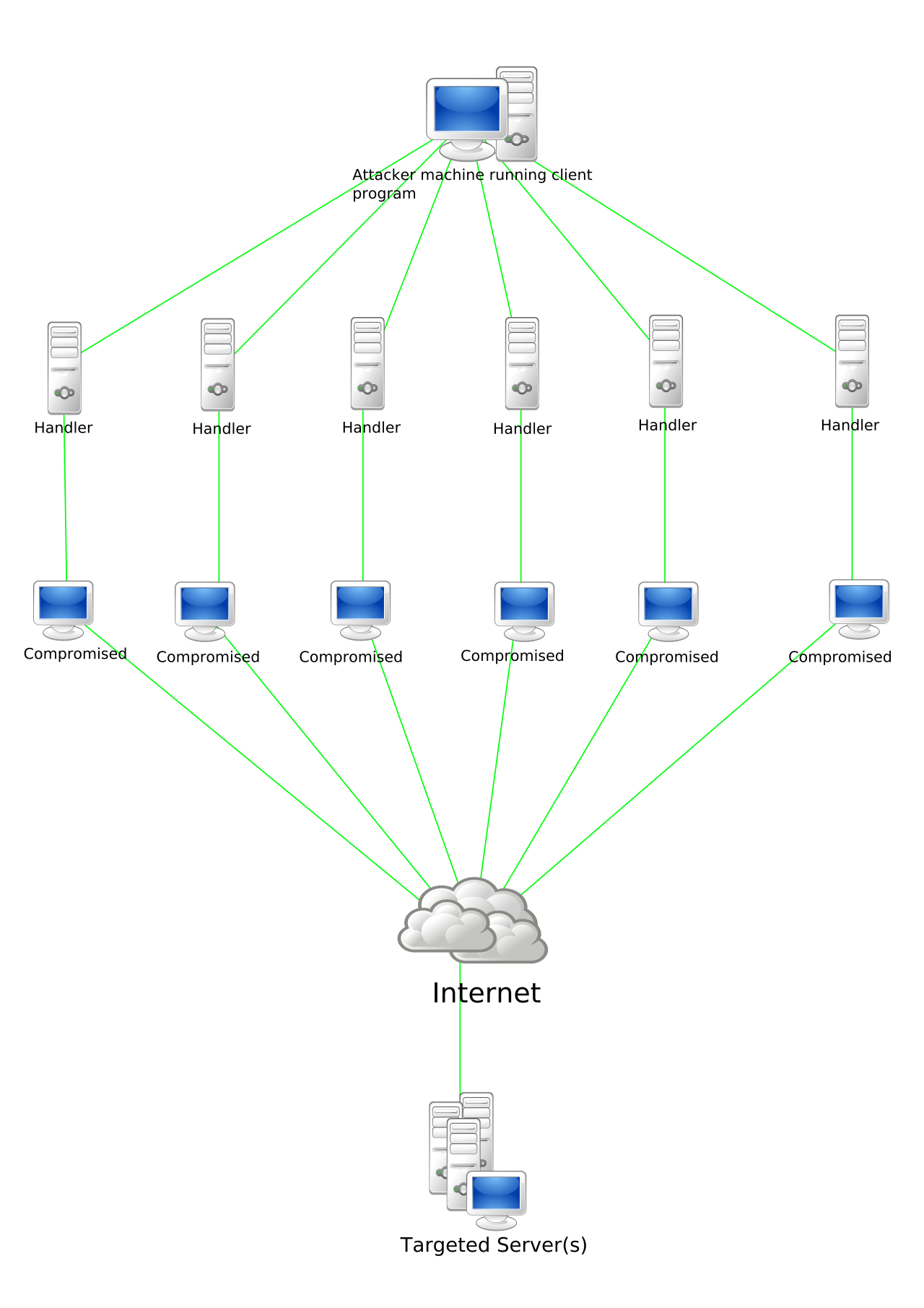
The mechanics of a DDoS attack involve flooding a targeted machine or resource with requests in an attempt to overload systems and prevent legitimate requests from being fulfilled. This can be done by Botnets, which are networks of compromised computers or devices that can be controlled remotely. DDoS Attack Tools can also be used to launch these attacks, making it easier for perpetrators to carry out their plans. The range of attacks varies widely, spanning from inundating a server with millions of requests to slow its performance, overwhelming a server with a substantial amount of invalid data, to submitting requests with an illegitimate IP address. Cybersecurity Measures such as Firewalls and Intrusion Detection Systems can help prevent these attacks.
🚫 Types of DDoS Attacks
There are several types of DDoS attacks, including Volumetric Attacks, Protocol Attacks, and Application Layer Attacks. Each type of attack has its own unique characteristics and requires different DDoS Mitigation strategies. Network Architecture and System Design can also play a crucial role in preventing DDoS attacks. By understanding the different types of DDoS attacks, organizations can better prepare themselves for potential threats and develop effective Incident Response Plans.
🔍 Identifying the Sources of DDoS Attacks
Identifying the sources of DDoS attacks can be challenging, as perpetrators often use Proxy Servers or VPN to hide their IP addresses. However, Traffic Analysis and Network Forensics can help track down the sources of these attacks. Law Enforcement Agencies and Cybersecurity Experts often work together to investigate and prosecute DDoS attacks. International Cooperation is also essential in combating DDoS attacks, as these attacks can originate from anywhere in the world.
🚨 The Impact of DDoS Attacks on Businesses
The impact of DDoS attacks on businesses can be severe, with many organizations experiencing significant losses due to Revenue Loss and Reputation Damage. Customer Loyalty can also be affected, as customers may lose trust in a company that has been victimized by a DDoS attack. Business Continuity Planning and Disaster Recovery Planning can help minimize the impact of DDoS attacks. By developing a comprehensive Incident Response Plan, organizations can quickly respond to DDoS attacks and minimize downtime.
🤝 Collaborative Efforts to Mitigate DDoS Attacks
Collaborative efforts to mitigate DDoS attacks are essential, as these attacks can have far-reaching consequences. Cybersecurity Community and Industry Partnerships can help share knowledge and best practices for preventing and responding to DDoS attacks. Government Agencies and Law Enforcement Agencies also play a crucial role in combating DDoS attacks. By working together, organizations can develop effective DDoS Protection Strategies and stay one step ahead of perpetrators.
📈 The Evolution of DDoS Attacks
The evolution of DDoS attacks has been rapid, with new techniques and tools emerging all the time. AI-Powered DDoS Attacks and IoT-Based DDoS Attacks are becoming increasingly common, making it essential for organizations to stay up-to-date with the latest Cybersecurity Trends. Threat Intelligence and Incident Response Planning can help organizations prepare for potential threats and develop effective DDoS Mitigation Strategies.
🔑 Defensive Strategies Against DDoS Attacks
Defensive strategies against DDoS attacks include Traffic Filtering, Rate Limiting, and IP Blocking. DDoS Protection Services can also be used to detect and mitigate DDoS attacks. Network Architecture and System Design can also play a crucial role in preventing DDoS attacks. By understanding the different types of DDoS attacks and developing effective defensive strategies, organizations can minimize the impact of these attacks and ensure Business Continuity.
📊 DDoS Attack Statistics and Trends
DDoS attack statistics and trends show that these attacks are becoming increasingly common and sophisticated. According to DDoS Attack Statistics, the number of DDoS attacks has increased significantly in recent years, with many organizations experiencing multiple attacks. DDoS Attack Trends also show that perpetrators are using new techniques and tools to launch these attacks, making it essential for organizations to stay up-to-date with the latest Cybersecurity Trends.
🌐 Global Response to DDoS Attacks
The global response to DDoS attacks has been significant, with many organizations and governments working together to combat these threats. International Cooperation is essential in combating DDoS attacks, as these attacks can originate from anywhere in the world. Cybersecurity Community and Industry Partnerships can help share knowledge and best practices for preventing and responding to DDoS attacks. By working together, organizations can develop effective DDoS Protection Strategies and stay one step ahead of perpetrators.
👮♂️ Legal Ramifications of DDoS Attacks
The legal ramifications of DDoS attacks can be severe, with perpetrators facing significant fines and imprisonment. Cybercrime Laws and Data Protection Laws can help prosecute perpetrators and protect organizations from DDoS attacks. Law Enforcement Agencies and Cybersecurity Experts often work together to investigate and prosecute DDoS attacks. By understanding the legal ramifications of DDoS attacks, organizations can develop effective Incident Response Plans and minimize the impact of these attacks.
Key Facts
- Year
- 2016
- Origin
- First reported in 1999, but gained significant attention in the 2010s
- Category
- Cybersecurity
- Type
- Cyber Threat
Frequently Asked Questions
What is a DDoS attack?
A DDoS attack, or Distributed Denial of Service attack, is a type of cyberattack in which the perpetrator seeks to make a machine or network resource unavailable to its intended users by temporarily or indefinitely disrupting services of a host connected to a network. This can be achieved by flooding the targeted machine or resource with requests in an attempt to overload systems and prevent legitimate requests from being fulfilled. DDoS Attack can be launched using Botnets or DDoS Attack Tools.
What are the different types of DDoS attacks?
There are several types of DDoS attacks, including Volumetric Attacks, Protocol Attacks, and Application Layer Attacks. Each type of attack has its own unique characteristics and requires different DDoS Mitigation strategies. Network Architecture and System Design can also play a crucial role in preventing DDoS attacks.
How can organizations prevent DDoS attacks?
Organizations can prevent DDoS attacks by developing a comprehensive Incident Response Plan and implementing DDoS Protection Strategies. This can include Traffic Filtering, Rate Limiting, and IP Blocking. DDoS Protection Services can also be used to detect and mitigate DDoS attacks. Network Architecture and System Design can also play a crucial role in preventing DDoS attacks.
What are the consequences of a DDoS attack?
The consequences of a DDoS attack can be severe, with many organizations experiencing significant losses due to Revenue Loss and Reputation Damage. Customer Loyalty can also be affected, as customers may lose trust in a company that has been victimized by a DDoS attack. Business Continuity Planning and Disaster Recovery Planning can help minimize the impact of DDoS attacks.
How can organizations respond to a DDoS attack?
Organizations can respond to a DDoS attack by activating their Incident Response Plan and implementing DDoS Mitigation Strategies. This can include Traffic Filtering, Rate Limiting, and IP Blocking. DDoS Protection Services can also be used to detect and mitigate DDoS attacks. Cybersecurity Community and Industry Partnerships can help share knowledge and best practices for responding to DDoS attacks.
What is the role of law enforcement in combating DDoS attacks?
Law enforcement agencies play a crucial role in combating DDoS attacks by investigating and prosecuting perpetrators. Cybercrime Laws and Data Protection Laws can help prosecute perpetrators and protect organizations from DDoS attacks. International Cooperation is also essential in combating DDoS attacks, as these attacks can originate from anywhere in the world.
How can organizations stay up-to-date with the latest DDoS attack trends and threats?
Organizations can stay up-to-date with the latest DDoS attack trends and threats by following Cybersecurity News and Threat Intelligence reports. Cybersecurity Community and Industry Partnerships can also help share knowledge and best practices for preventing and responding to DDoS attacks. DDoS Attack Statistics and DDoS Attack Trends can also provide valuable insights into the latest DDoS attack trends and threats.