
Contents
- 🌎 Introduction to Divine Command Theory
- 📜 Historical Background of Divine Command Theory
- 👥 Key Proponents of Divine Command Theory
- 🤔 Criticisms of Divine Command Theory
- 📊 The Euthyphro Dilemma and Divine Command Theory
- 🌈 Moral Absolutism and Divine Command Theory
- 📚 Biblical and Quranic Perspectives on Divine Command Theory
- 🌐 Cultural and Societal Implications of Divine Command Theory
- 📝 Challenges to Divine Command Theory in Modern Times
- 🌟 The Future of Divine Command Theory in Philosophy of Religion
- 👀 Conclusion and Final Thoughts on Divine Command Theory
- Frequently Asked Questions
- Related Topics
Overview
Divine command theory posits that morality is derived from the commands of a divine being, with proponents like William of Ockham and critics like Plato arguing against it. This theory has been debated for centuries, with some arguing it provides a clear moral framework and others claiming it leads to moral subjectivism. The theory has a vibe rating of 6 due to its significant influence on Western philosophy and ongoing debates. Key figures like Duns Scotus and Thomas Aquinas have shaped the discussion, while critics like Friedrich Nietzsche have challenged its underlying assumptions. As of 2023, divine command theory remains a contentious issue, with some arguing it is essential for moral objectivity and others seeing it as a form of moral relativism. The influence of divine command theory can be seen in the works of modern philosophers like Alvin Plantinga and Robert Adams, who have attempted to revive and refine the theory in response to various criticisms.
🌎 Introduction to Divine Command Theory
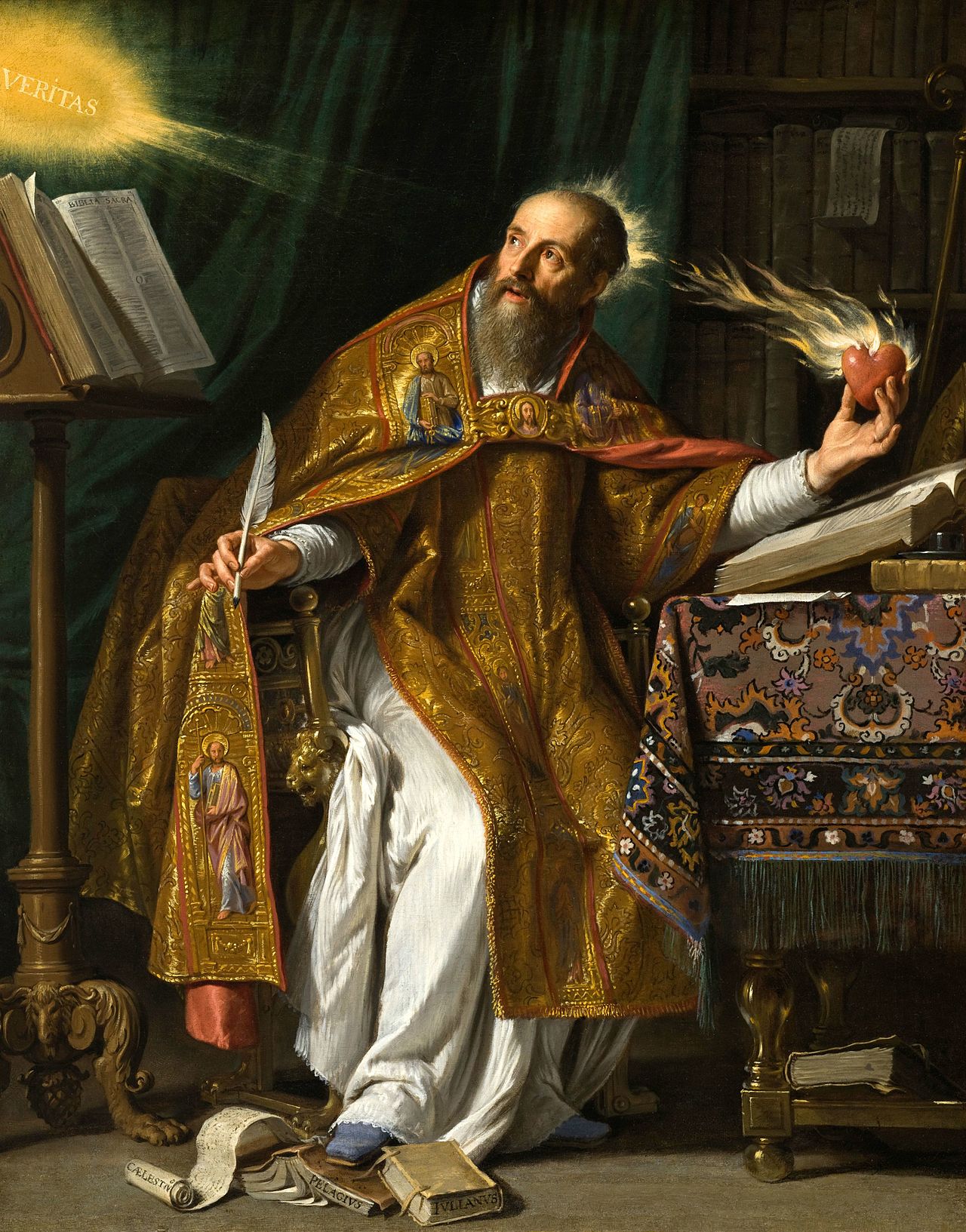
The concept of Divine Command Theory has been a cornerstone of philosophical debates in the realm of Philosophy of Religion. At its core, Divine Command Theory posits that an action's moral status is directly tied to whether it is commanded by God. This theory has been influential in shaping the moral frameworks of various religions, including monotheistic and polytheistic traditions. The idea that morality is determined by God's commands has been a recurring theme in the works of prominent philosophers such as Plato and Augustine of Hippo.
📜 Historical Background of Divine Command Theory
Historically, Divine Command Theory has its roots in ancient civilizations, where the concept of morality was often closely tied to the will of the gods. In ancient Greece, for example, philosophers such as Socrates and Plato grappled with the idea of morality and its relationship to the divine. Similarly, in ancient Rome, the concept of Natural Law was influenced by the idea of divine commands. The works of Cicero and Seneca demonstrate the significance of Divine Command Theory in shaping the moral landscape of ancient Rome.
👥 Key Proponents of Divine Command Theory
Key proponents of Divine Command Theory include William of Ockham and Duns Scotus, who argued that morality is ultimately determined by God's will. This perspective is also reflected in the works of Martin Luther and John Calvin, who emphasized the importance of divine commands in shaping moral behavior. The idea that morality is rooted in God's commands has been a central theme in the development of Christian Ethics and continues to influence contemporary debates in Philosophy of Religion.
🤔 Criticisms of Divine Command Theory
Despite its influence, Divine Command Theory has faced numerous criticisms and challenges. One of the most significant criticisms is the Euthyphro Dilemma, which questions whether an action is moral because it is commanded by God or if it is commanded by God because it is moral. This dilemma has been debated by philosophers such as Plato and Kant, who argued that morality cannot be reduced to divine commands alone. Additionally, critics such as Friedrich Nietzsche have argued that Divine Command Theory is based on a flawed assumption that God's commands are morally justifiable.
📊 The Euthyphro Dilemma and Divine Command Theory
The Euthyphro Dilemma has significant implications for Divine Command Theory, as it challenges the idea that morality is solely determined by God's commands. If an action is moral because it is commanded by God, then morality becomes arbitrary and subject to God's whims. On the other hand, if an action is commanded by God because it is moral, then morality is independent of God's commands and Divine Command Theory is undermined. Philosophers such as Aristotle and Thomas Aquinas have grappled with this dilemma, arguing that morality is rooted in both human reason and divine commands.
🌈 Moral Absolutism and Divine Command Theory
Divine Command Theory is often associated with Moral Absolutism, which holds that certain actions are always right or always wrong regardless of the circumstances. This perspective is reflected in the works of philosophers such as Immanuel Kant, who argued that moral laws are universal and absolute. However, critics such as John Stuart Mill have argued that Moral Absolutism is too rigid and fails to account for the complexities of human experience. The relationship between Divine Command Theory and Moral Absolutism remains a topic of ongoing debate in Philosophy of Religion.
📚 Biblical and Quranic Perspectives on Divine Command Theory
The Bible and the Quran both contain passages that emphasize the importance of divine commands in shaping moral behavior. In the Bible, for example, the Ten Commandments are seen as a moral framework for human behavior. Similarly, in the Quran, the concept of Sharia law is rooted in the idea of divine commands. Philosophers such as Al-Ghazali and Maimonides have grappled with the relationship between divine commands and morality in their respective religious traditions.
🌐 Cultural and Societal Implications of Divine Command Theory
The cultural and societal implications of Divine Command Theory are far-reaching. In many societies, divine commands are seen as a source of moral authority and are used to justify laws and social norms. However, critics such as Richard Dawkins have argued that Divine Command Theory can be used to justify morally reprehensible actions, such as violence and discrimination. The relationship between Divine Command Theory and Secularism remains a topic of ongoing debate in contemporary society.
📝 Challenges to Divine Command Theory in Modern Times
In modern times, Divine Command Theory has faced significant challenges from various quarters. Critics such as Sam Harris have argued that Divine Command Theory is based on a flawed assumption that God's commands are morally justifiable. Additionally, the rise of Secular Humanism has led to a decline in the influence of Divine Command Theory in shaping moral frameworks. However, philosophers such as Alvin Plantinga continue to defend the theory, arguing that it provides a coherent and morally justifiable framework for human behavior.
🌟 The Future of Divine Command Theory in Philosophy of Religion
As we look to the future of Divine Command Theory in Philosophy of Religion, it is clear that the theory will continue to play a significant role in shaping moral debates. However, it is also likely that the theory will face ongoing challenges and criticisms from various quarters. Philosophers such as Martha Nussbaum have argued that a more nuanced and contextual approach to morality is needed, one that takes into account the complexities of human experience. The future of Divine Command Theory will depend on its ability to adapt to these challenges and to provide a morally justifiable framework for human behavior.
👀 Conclusion and Final Thoughts on Divine Command Theory
In conclusion, Divine Command Theory is a complex and multifaceted theory that has played a significant role in shaping moral frameworks throughout history. While the theory has faced numerous criticisms and challenges, it remains a vital and influential perspective in Philosophy of Religion. As we move forward, it is essential to engage with the theory in a nuanced and critical manner, recognizing both its strengths and weaknesses. By doing so, we can work towards a deeper understanding of the relationship between morality and divine commands, and develop a more just and compassionate moral framework for human behavior.
Key Facts
- Year
- 1300
- Origin
- Medieval Europe
- Category
- Philosophy of Religion
- Type
- Philosophical Concept
Frequently Asked Questions
What is Divine Command Theory?
Divine Command Theory is a meta-ethical theory that proposes that an action's moral status is equivalent to whether it is commanded by God. The theory asserts that what is moral is determined by God's commands and that for a person to be moral he is to follow God's commands.
Who are some key proponents of Divine Command Theory?
Key proponents of Divine Command Theory include William of Ockham, Duns Scotus, Martin Luther, and John Calvin. These philosophers argued that morality is ultimately determined by God's will and that divine commands are essential for shaping moral behavior.
What is the Euthyphro Dilemma and how does it relate to Divine Command Theory?
The Euthyphro Dilemma is a philosophical challenge to Divine Command Theory that questions whether an action is moral because it is commanded by God or if it is commanded by God because it is moral. This dilemma has been debated by philosophers such as Plato and Kant, who argued that morality cannot be reduced to divine commands alone.
How does Divine Command Theory relate to Moral Absolutism?
Divine Command Theory is often associated with Moral Absolutism, which holds that certain actions are always right or always wrong regardless of the circumstances. However, critics such as John Stuart Mill have argued that Moral Absolutism is too rigid and fails to account for the complexities of human experience.
What are some criticisms of Divine Command Theory?
Criticisms of Divine Command Theory include the Euthyphro Dilemma, the argument that morality is arbitrary and subject to God's whims, and the claim that the theory is based on a flawed assumption that God's commands are morally justifiable. Critics such as Friedrich Nietzsche and Richard Dawkins have also argued that Divine Command Theory can be used to justify morally reprehensible actions.
What is the future of Divine Command Theory in Philosophy of Religion?
The future of Divine Command Theory in Philosophy of Religion will depend on its ability to adapt to ongoing challenges and criticisms. Philosophers such as Alvin Plantinga continue to defend the theory, arguing that it provides a coherent and morally justifiable framework for human behavior. However, critics such as Sam Harris and Martha Nussbaum have argued that a more nuanced and contextual approach to morality is needed.
How does Divine Command Theory relate to Secularism?
The relationship between Divine Command Theory and Secularism is complex and contested. Critics such as Richard Dawkins have argued that Divine Command Theory is incompatible with Secularism, as it relies on a religious framework for moral authority. However, philosophers such as Alvin Plantinga have argued that Divine Command Theory can be compatible with Secularism, as it provides a morally justifiable framework for human behavior that is independent of religious affiliation.