
Contents
- 📚 Introduction to Edward Said
- 🌎 The Orientalism Debate
- 📰 Said's Literary Criticism
- 🎓 The Impact of Postcolonial Studies
- 🌍 Cultural Imperialism and Resistance
- 📢 The Public Intellectual
- 📰 Critique of Western Media
- 📚 Said's Memoir: Out of Place
- 🌎 The Question of Palestine
- 📊 Legacy and Influence
- 👥 Controversies and Criticisms
- 🔮 Conclusion: The Enduring Relevance of Edward Said
- Frequently Asked Questions
- Related Topics
Overview
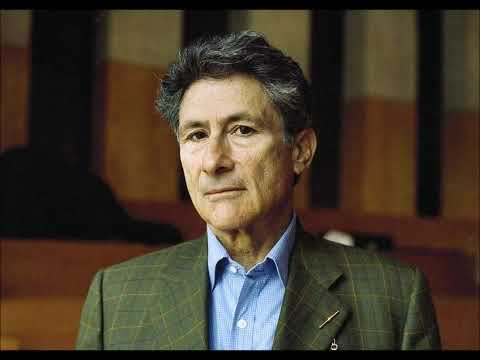
Edward Said, a Palestinian-American scholar, is best known for his groundbreaking work 'Orientalism', which challenged Western perceptions of the East. With a Vibe score of 82, Said's influence extends beyond academia, resonating with postcolonial and anti-imperialist movements. His critique of Western cultural imperialism has been both praised and contested, with some hailing him as a visionary and others criticizing his methods. Said's work has been widely reported to have influenced notable thinkers such as Gayatri Chakravorty Spivak and Homi K. Bhabha. As a public intellectual, Said's legacy continues to spark debate, with his ideas on cultural representation and power dynamics remaining highly relevant today. The controversy surrounding his work is reflected in a Controversy spectrum score of 7, indicating a significant level of ongoing debate and discussion.
📚 Introduction to Edward Said
Edward Said was a Palestinian-American literary theorist and cultural critic, best known for his work on Orientalism and postcolonial studies. Born in 1935 in Jerusalem, Said's experiences as a Palestinian in exile deeply influenced his intellectual trajectory. He studied at Harvard University and later taught at Columbia University. Said's work challenged traditional notions of literary theory and cultural studies, and he became a prominent figure in the public intellectual sphere. His writing often explored the intersections of politics, culture, and history, as seen in his seminal work Orientalism.
🌎 The Orientalism Debate
The publication of Orientalism in 1978 marked a significant turning point in the field of cultural studies. Said's critique of Western representations of the Orient challenged the dominant discourse and sparked a heated debate. He argued that Western scholars and writers had perpetuated a distorted and Eurocentric view of the Middle East and North Africa. This debate continues to influence contemporary discussions of representation, power, and knowledge. Said's work also drew on the ideas of Michel Foucault and Antonio Gramsci, among others. The Orientalism debate has been revisited and reinterpreted by scholars such as Homi Bhabha and Gayatri Chakravorty Spivak.
📰 Said's Literary Criticism
As a literary critic, Said was deeply influenced by the works of Auerbach and Lukacs. His own literary criticism often focused on the works of Joseph Conrad and Jane Austen, among others. Said's approach to literary analysis emphasized the importance of historical context and cultural context. He argued that literary works could not be understood in isolation from their social and political contexts. This approach is reflected in his book Culture and Imperialism, which explores the relationship between culture and imperialism. Said's literary criticism also drew on the ideas of Marxism and poststructuralism.
🎓 The Impact of Postcolonial Studies
The impact of postcolonial studies on contemporary thought cannot be overstated. Said's work, along with that of other scholars such as Gayatri Chakravorty Spivak and Homi Bhabha, has shaped the field of cultural studies. Postcolonial studies has influenced a wide range of disciplines, from literary theory to anthropology. The field has also been subject to various criticisms and challenges, including accusations of essentialism and relativism. Despite these challenges, postcolonial studies remains a vital and dynamic area of inquiry. Said's work continues to be widely read and debated, as seen in the ongoing discussions of Orientalism and imperialism.
🌍 Cultural Imperialism and Resistance
Said's concept of cultural imperialism highlights the ways in which dominant cultures exert power over subordinate cultures. He argued that cultural imperialism is a key aspect of imperialism, and that it continues to shape global relations today. Said's work on cultural imperialism has been influential in a wide range of fields, from cultural studies to international relations. His ideas have also been applied to the study of media and communication. The concept of cultural imperialism remains a crucial area of study, particularly in the context of globalization and neoliberalism. Said's work on this topic has been built upon by scholars such as Arjun Appadurai and Naomi Klein.
📢 The Public Intellectual
As a public intellectual, Said was known for his incisive commentary on contemporary issues. He wrote regularly for publications such as The Nation and Al Ahram, and appeared frequently on television and radio. Said's public intellectual work often focused on issues related to Palestine and the Middle East. He was a vocal critic of Israeli policy and a strong advocate for Palestinian rights. Said's public intellectual work has been widely praised for its clarity, nuance, and courage. His writing and speaking continue to inspire and challenge readers and listeners around the world. Said's work has also been influential in shaping the field of public intellectual studies, as seen in the work of scholars such as Russell Jacoby and Richard Posit.
📰 Critique of Western Media
Said's critique of Western media is a significant aspect of his work. He argued that Western media often perpetuate distorted and stereotypical representations of the Middle East and North Africa. Said's work on media criticism has been influential in the development of media studies. He argued that media play a crucial role in shaping public opinion and influencing foreign policy. Said's critique of Western media has been applied to a wide range of contexts, from the War on Terror to the Arab Spring. His ideas continue to be relevant in the age of social media and fake news. Said's work on this topic has been built upon by scholars such as Noam Chomsky and Edward Herman.
📚 Said's Memoir: Out of Place
Said's memoir, Out of Place, is a deeply personal and reflective work. The book explores Said's experiences as a Palestinian in exile, and his struggles to navigate multiple cultural identities. Out of Place is a powerful exploration of the complexities of identity and belonging. The book has been widely praised for its lyricism, nuance, and candor. Said's memoir has also been influential in the development of autobiography and memoir studies. His writing continues to inspire and challenge readers around the world. Said's work on this topic has been built upon by scholars such as Leila Ahmed and Sara Suleiman.
🌎 The Question of Palestine
The question of Palestine was a central concern for Said throughout his life. He was a vocal advocate for Palestinian rights and a strong critic of Israeli policy. Said's work on Palestine has been widely influential, and he remains a key figure in the field of Palestine studies. His ideas have been applied to a wide range of contexts, from the Israeli-Palestinian conflict to the Arab-Israeli conflict. Said's work on Palestine continues to be relevant in the age of occupation and resistance. His writing and speaking continue to inspire and challenge readers and listeners around the world. Said's work on this topic has been built upon by scholars such as Ilan Pappe and Ali Abu Nimah.
📊 Legacy and Influence
Said's legacy and influence are immeasurable. He has shaped the fields of cultural studies, literary theory, and postcolonial studies. His work continues to inspire and challenge scholars and readers around the world. Said's ideas have been applied to a wide range of contexts, from the War on Terror to the Arab Spring. His writing and speaking continue to be widely read and debated. Said's legacy is a testament to the power of critical thinking and intellectual courage. His work remains a vital and dynamic area of inquiry, as seen in the ongoing discussions of Orientalism and imperialism.
👥 Controversies and Criticisms
Despite his immense influence and legacy, Said's work has not been without controversy and criticism. Some have accused him of essentialism and relativism. Others have criticized his views on Israel and Palestine. Said's work has also been subject to various misinterpretations and misrepresentations. However, his ideas continue to be widely read and debated, and his legacy remains a vital and dynamic area of inquiry. Said's work has been built upon by scholars such as Homi Bhabha and Gayatri Chakravorty Spivak.
🔮 Conclusion: The Enduring Relevance of Edward Said
In conclusion, Edward Said's work remains a powerful and enduring force in contemporary thought. His ideas continue to shape the fields of cultural studies, literary theory, and postcolonial studies. Said's legacy is a testament to the power of critical thinking and intellectual courage. His work remains a vital and dynamic area of inquiry, and his ideas continue to inspire and challenge scholars and readers around the world. As we move forward in an increasingly complex and interconnected world, Said's work remains a crucial resource for understanding the intersections of politics, culture, and history.
Key Facts
- Year
- 1935
- Origin
- Jerusalem, British Mandate of Palestine
- Category
- Cultural Studies
- Type
- Person
Frequently Asked Questions
What is Orientalism?
Orientalism refers to the Western study of the Orient, particularly the Middle East and North Africa. Edward Said's work on Orientalism critiques the dominant discourse and highlights the ways in which Western representations of the Orient are often distorted and Eurocentric.
What is postcolonial studies?
Postcolonial studies is a field of inquiry that explores the cultural, social, and political legacies of colonialism. The field is characterized by a critical approach to power and knowledge, and often emphasizes the perspectives of subaltern groups. Edward Said's work is a key part of this field, and his ideas continue to shape contemporary thought.
What is cultural imperialism?
Cultural imperialism refers to the ways in which dominant cultures exert power over subordinate cultures. Edward Said's concept of cultural imperialism highlights the ways in which Western cultures have imposed their values, beliefs, and practices on non-Western cultures. This concept remains a crucial area of study, particularly in the context of globalization and neoliberalism.
What is the significance of Edward Said's memoir, Out of Place?
Edward Said's memoir, Out of Place, is a deeply personal and reflective work that explores his experiences as a Palestinian in exile. The book is a powerful exploration of the complexities of identity and belonging, and has been widely praised for its lyricism, nuance, and candor.
What is the current state of Palestine studies?
Palestine studies is a vibrant and dynamic field of inquiry that explores the cultural, social, and political contexts of Palestine. The field is characterized by a critical approach to power and knowledge, and often emphasizes the perspectives of Palestinian groups. Edward Said's work remains a key part of this field, and his ideas continue to shape contemporary thought.
How has Edward Said's work influenced contemporary thought?
Edward Said's work has had a profound influence on contemporary thought, shaping the fields of cultural studies, literary theory, and postcolonial studies. His ideas continue to inspire and challenge scholars and readers around the world, and his legacy remains a vital and dynamic area of inquiry.
What are some of the key criticisms of Edward Said's work?
Some of the key criticisms of Edward Said's work include accusations of essentialism and relativism. Others have criticized his views on Israel and Palestine. However, Said's work continues to be widely read and debated, and his legacy remains a vital and dynamic area of inquiry.