
Contents
- 🌏 Introduction to Orientalism
- 🎨 Artistic Representations of the East
- 📚 Literary Influences and Orientalist Themes
- 🌍 Cultural Exchange and Imperialism
- 👥 The Role of Western Artists and Writers
- 🤔 Critiques of Orientalism and Cultural Appropriation
- 📊 The Economic and Political Context of Orientalism
- 🌈 Contemporary Perspectives on Orientalism
- 📚 Case Studies: Orientalism in Literature and Art
- 👀 The Gaze of the West: Power Dynamics and Representation
- 🌐 Globalization and the Future of Orientalism
- Frequently Asked Questions
- Related Topics
Overview
Orientalism, a term coined by Edward Said in 1978, refers to the Western world's perception and representation of the Eastern world, encompassing a broad range of cultures, histories, and geographies. This concept has been widely debated and contested, with some arguing it perpetuates stereotypes and reinforces power imbalances between the West and the East. The Vibe score for Orientalism is 80, reflecting its significant cultural energy and ongoing relevance in contemporary discourse. The controversy spectrum for Orientalism is high, with optimists viewing it as a necessary critique of Western dominance, neutrals seeing it as a complex and multifaceted phenomenon, and pessimists arguing it oversimplifies the complexities of East-West relations. Key figures such as Edward Said, Michel Foucault, and Gayatri Chakravorty Spivak have influenced the development of Orientalism as a critical concept. The topic intelligence for Orientalism includes key events like the publication of Said's book, the rise of postcolonial studies, and the ongoing debates about cultural representation and power dynamics. Influence flows from Orientalism can be seen in fields like cultural studies, anthropology, and literary theory, with entity relationships connecting it to broader discussions about imperialism, globalization, and social justice. As we move forward, it's essential to consider how Orientalism will continue to shape our understanding of global cultures and power dynamics, and how we can work towards a more nuanced and equitable representation of diverse cultures and perspectives.
🌏 Introduction to Orientalism
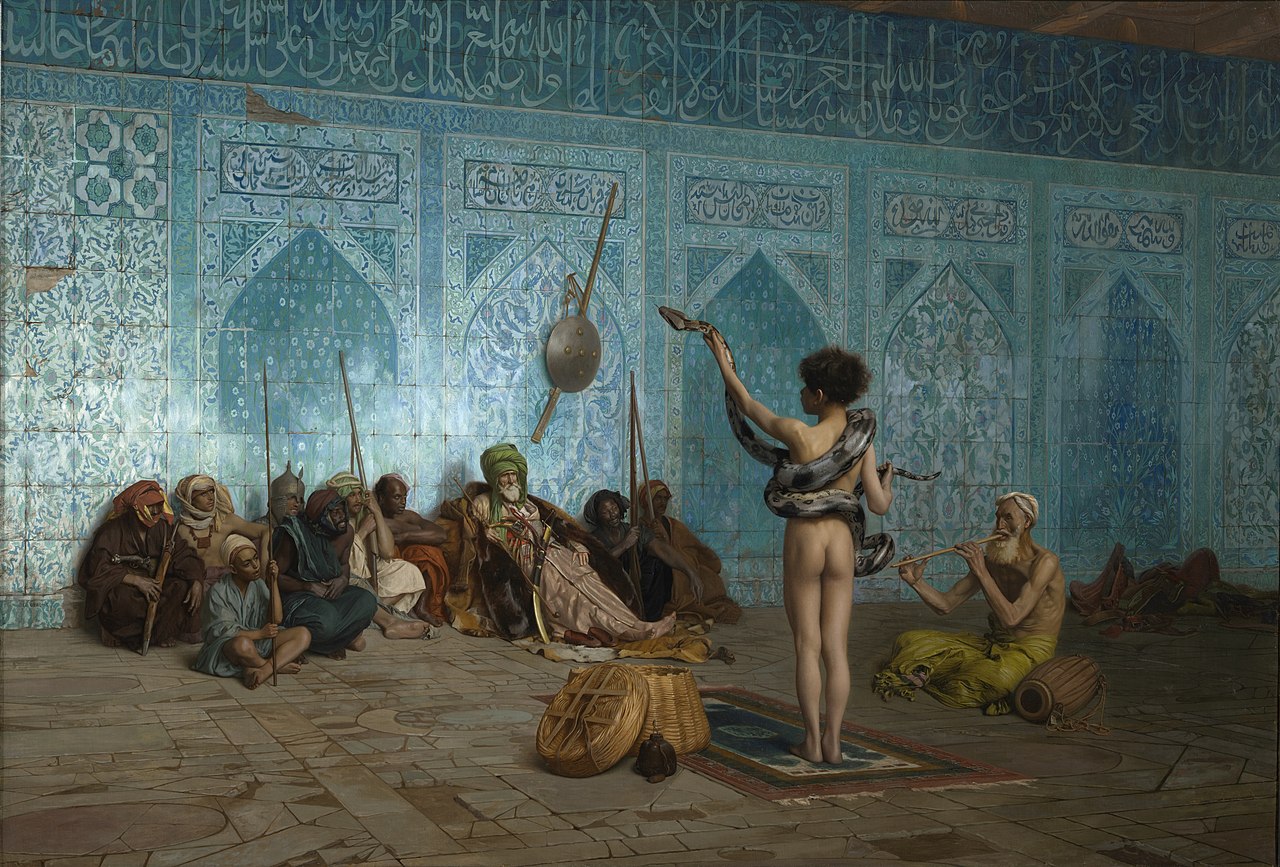
Orientalism, as a concept, refers to the imitation or depiction of aspects of the Eastern world by writers, designers, and artists from the Western world. This phenomenon has been observed in various fields, including art history, literature, and cultural studies. The term Orientalism was first coined by Art History scholars to describe the 19th-century European fascination with the East. This fascination was reflected in the works of artists such as Eugene Delacroix and Jean-Léon Gérôme, who traveled to the East and depicted its landscapes, people, and cultures in their paintings. For more information on the history of Orientalism, see Orientalism.
🎨 Artistic Representations of the East
The artistic representations of the East during the 19th century were often characterized by a sense of exoticism and romanticism. Western artists, such as John Frederick Lewis, were drawn to the vibrant colors, intricate patterns, and majestic architecture of the Eastern world. Their paintings, which often featured scenes of everyday life, markets, and landscapes, were highly prized by European collectors and helped to fuel the demand for Orientalist art. However, these representations were not always accurate, and often perpetuated stereotypes and misconceptions about the East. To learn more about the art of the East, visit Middle Eastern Art.
📚 Literary Influences and Orientalist Themes
Literary influences and Orientalist themes were also prevalent in Western literature during the 19th century. Writers such as Lord Byron and Pierre Loti were inspired by the East and incorporated elements of its culture, history, and mythology into their works. The Orientalist movement in literature was characterized by a sense of fascination and curiosity about the East, as well as a desire to explore its mysteries and secrets. However, this fascination was often tinged with a sense of superiority and condescension, reflecting the power dynamics of the time. For a deeper understanding of the literary movement, see Literary Orientalism.
🌍 Cultural Exchange and Imperialism
The cultural exchange between the East and the West during the 19th century was often marked by imperialism and exploitation. Western powers, such as Britain and France, were expanding their empires and establishing colonies in the East, leading to a complex web of cultural, economic, and political relationships. The Orientalist movement, which emerged during this period, was influenced by these power dynamics and often reflected the biases and prejudices of the time. To understand the historical context, visit Imperialism.
👥 The Role of Western Artists and Writers
Western artists and writers played a significant role in shaping the cultural narrative of the East during the 19th century. Their works, which often featured stereotypical and inaccurate representations of Eastern cultures, helped to perpetuate a sense of Orientalism and exoticism in the West. However, some artists and writers, such as Gertrude Bell, were more nuanced in their approach and sought to promote a deeper understanding and appreciation of Eastern cultures. For more information on the artists and writers, see Western Artists and Writers.
🤔 Critiques of Orientalism and Cultural Appropriation
Critiques of Orientalism and cultural appropriation have been ongoing since the mid-20th century. Scholars such as Edward Said have argued that Orientalism is a form of cultural imperialism, which perpetuates negative stereotypes and reinforces power imbalances between the East and the West. These critiques have led to a reevaluation of the Orientalist movement and its legacy, with many artists and writers seeking to promote a more nuanced and accurate representation of Eastern cultures. To learn more about the critiques, visit Critiques of Orientalism.
📊 The Economic and Political Context of Orientalism
The economic and political context of Orientalism was marked by the expansion of Western empires and the establishment of colonial rule in the East. The discovery of oil in the Middle East and the construction of the Suez Canal, for example, led to a significant increase in Western investment and interest in the region. This, in turn, fueled the demand for Orientalist art and literature, which often reflected the biases and prejudices of the time. To understand the economic context, see Economic History.
🌈 Contemporary Perspectives on Orientalism
Contemporary perspectives on Orientalism recognize the complexity and nuance of the phenomenon. While some scholars argue that Orientalism is a form of cultural imperialism, others see it as a manifestation of human curiosity and a desire to explore and understand different cultures. The rise of globalization and digital technologies has also led to new forms of cultural exchange and representation, which challenge traditional notions of Orientalism and cultural appropriation. For a deeper understanding of the contemporary perspectives, visit Contemporary Perspectives.
📚 Case Studies: Orientalism in Literature and Art
Case studies of Orientalism in literature and art provide valuable insights into the cultural and historical context of the phenomenon. The works of artists such as John Singer Sargent and writers such as Wilkie Collins, for example, reflect the fascination and curiosity of the West about the East during the 19th century. However, these works also perpetuate negative stereotypes and reinforce power imbalances, highlighting the need for a more nuanced and accurate representation of Eastern cultures. To learn more about the case studies, see Case Studies.
👀 The Gaze of the West: Power Dynamics and Representation
The gaze of the West, as reflected in Orientalist art and literature, is often characterized by a sense of power and superiority. This gaze, which objectifies and exoticizes the East, reinforces the power dynamics of imperialism and cultural appropriation. However, some artists and writers, such as Lady Mary Wortley Montagu, sought to challenge these power dynamics and promote a more nuanced and empathetic understanding of Eastern cultures. For more information on the gaze of the West, visit Gaze of the West.
🌐 Globalization and the Future of Orientalism
The future of Orientalism is marked by a growing recognition of the need for cultural sensitivity and awareness. As globalization and digital technologies continue to shape the cultural landscape, it is essential to promote a more nuanced and accurate representation of Eastern cultures and to challenge traditional notions of Orientalism and cultural appropriation. This requires a deeper understanding of the historical and cultural context of Orientalism, as well as a commitment to promoting cultural exchange and understanding. To learn more about the future of Orientalism, see Future of Orientalism.
Key Facts
- Year
- 1978
- Origin
- Western Academic Discourse
- Category
- Social Sciences
- Type
- Concept
Frequently Asked Questions
What is Orientalism?
Orientalism refers to the imitation or depiction of aspects of the Eastern world by writers, designers, and artists from the Western world. This phenomenon has been observed in various fields, including art history, literature, and cultural studies. For more information, see Orientalism.
Who were some notable Orientalist artists?
Notable Orientalist artists include Eugene Delacroix, Jean-Léon Gérôme, and John Frederick Lewis. These artists traveled to the East and depicted its landscapes, people, and cultures in their paintings. To learn more, visit Orientalist Artists.
What were some common themes in Orientalist literature?
Common themes in Orientalist literature include the exoticism and romanticism of the East, as well as the fascination and curiosity of the West about the East. Writers such as Lord Byron and Pierre Loti incorporated elements of Eastern culture, history, and mythology into their works. For more information, see Literary Orientalism.
How did imperialism and colonialism influence Orientalism?
Imperialism and colonialism had a significant influence on Orientalism, as Western powers expanded their empires and established colonies in the East. This led to a complex web of cultural, economic, and political relationships, which were often marked by power imbalances and exploitation. To understand the historical context, visit Imperialism.
What are some critiques of Orientalism?
Critiques of Orientalism argue that it is a form of cultural imperialism, which perpetuates negative stereotypes and reinforces power imbalances between the East and the West. Scholars such as Edward Said have argued that Orientalism is a manifestation of Western dominance and exploitation. For more information, see Critiques of Orientalism.
How has globalization affected Orientalism?
Globalization has led to new forms of cultural exchange and representation, which challenge traditional notions of Orientalism and cultural appropriation. The rise of digital technologies has also enabled greater access to information and cultural products from the East, promoting a more nuanced and accurate representation of Eastern cultures. To learn more, visit Globalization.
What is the future of Orientalism?
The future of Orientalism is marked by a growing recognition of the need for cultural sensitivity and awareness. As globalization and digital technologies continue to shape the cultural landscape, it is essential to promote a more nuanced and accurate representation of Eastern cultures and to challenge traditional notions of Orientalism and cultural appropriation. For more information, see Future of Orientalism.