
Contents
- 🌎 Introduction to Electric Power Grids
- 💡 History of Electric Power Grids
- 🔌 Components of Electric Power Grids
- 📈 Types of Electric Power Grids
- 💻 Smart Grids and Modernization
- 🌟 Renewable Energy Integration
- 🚨 Grid Security and Resilience
- 📊 Economic and Environmental Impact
- 👥 Stakeholders and Governance
- 🔍 Future of Electric Power Grids
- 📈 Global Grid Expansion and Interconnection
- Frequently Asked Questions
- Related Topics
Overview
The electric power grid is a critical infrastructure that underpins modern society, supplying electricity to billions of people worldwide. The grid's history dates back to the late 19th century, with the first commercial power station opened by Thomas Edison in 1882. Today, the grid is a complex network of power generation, transmission, and distribution systems, with a total global capacity of over 6,000 gigawatts. However, the grid faces numerous challenges, including aging infrastructure, cybersecurity threats, and the need to integrate renewable energy sources. According to the International Energy Agency (IEA), the global power grid will require an investment of over $10 trillion by 2050 to meet growing demand and reduce greenhouse gas emissions. As the grid continues to evolve, it will be shaped by emerging technologies such as smart grids, energy storage, and grid-scale solar power, with companies like Tesla, Siemens, and GE playing a leading role in its transformation.
🌎 Introduction to Electric Power Grids
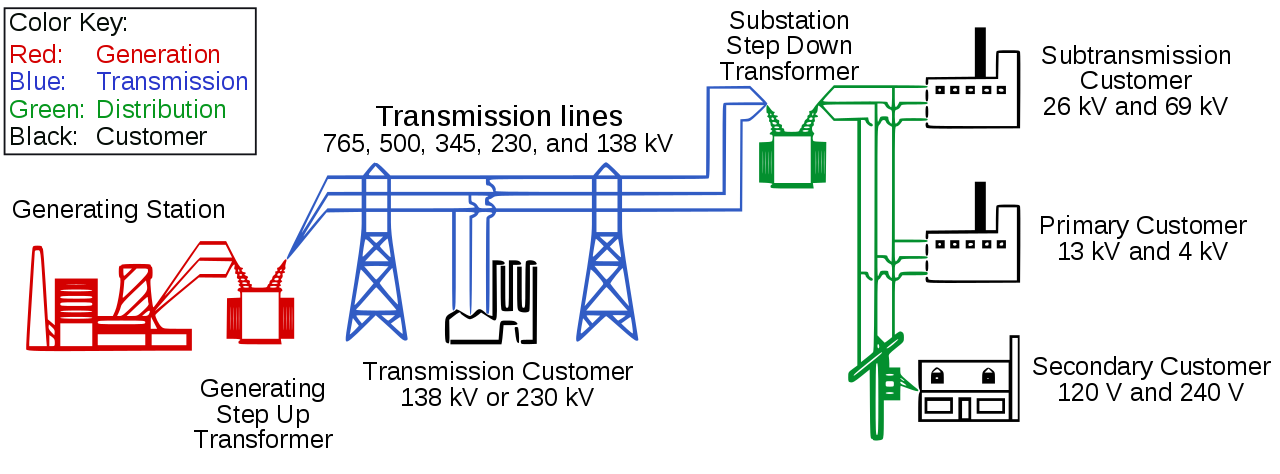
The electric power grid is the backbone of modern civilization, providing electricity to billions of people around the world. It is an interconnected network for electricity delivery from producers to consumers, consisting of power stations, electrical substations, electric power transmission lines, and electric power distribution systems. The grid is a complex system that requires careful planning, operation, and maintenance to ensure reliable and efficient electricity delivery. As the world's population continues to grow, the demand for electricity is increasing, making the electric power grid a critical component of modern society. The grid is also closely linked to other critical infrastructure, such as water supply systems and transportation networks.
💡 History of Electric Power Grids
The history of electric power grids dates back to the late 19th century, when the first electricity generation and distribution systems were developed. The first power grid was built in the 1880s in United States, and it was a small, isolated system that served a limited number of customers. Over time, the grid expanded and became more complex, with the development of alternating current (AC) systems and the construction of large-scale hydroelectric power plants. Today, the electric power grid is a global network that spans across continents and connects millions of people. The grid has also played a critical role in shaping the course of human history, from the industrial revolution to the present day. The grid is closely linked to other historical developments, such as the telegraph and the internet.
🔌 Components of Electric Power Grids
The components of electric power grids include power stations, electrical substations, electric power transmission lines, and electric power distribution systems. Power stations are typically built close to energy sources and far from densely populated areas. Electrical substations are used to step voltage up or down, depending on the requirements of the grid. Electric power transmission lines carry power over long distances, while electric power distribution systems deliver electricity to customers. The grid also includes a range of other components, such as transformers, circuit breakers, and switchgear. The grid is also closely linked to other critical infrastructure, such as natural gas pipelines and railway networks.
📈 Types of Electric Power Grids
There are several types of electric power grids, including microgrids, wide area synchronous grids, and supergrids. Microgrids are small, isolated systems that serve a limited number of customers, while wide area synchronous grids cover large areas and are connected to multiple power stations. Supergrids are large-scale grids that span across continents and connect multiple countries. The type of grid used depends on the specific needs of the region, including the size of the population, the availability of energy sources, and the level of economic development. The grid is also closely linked to other types of infrastructure, such as telecommunication networks and water treatment plants.
💻 Smart Grids and Modernization
The electric power grid is undergoing a significant transformation, with the development of smart grids and the integration of renewable energy sources. Smart grids use advanced technologies, such as IoT sensors and AI algorithms, to optimize the operation of the grid and improve efficiency. Renewable energy sources, such as solar power and wind power, are becoming increasingly important, as they offer a cleaner and more sustainable alternative to traditional fossil fuels. The grid is also becoming more decentralized, with the development of distributed energy systems and the growth of energy storage technologies. The grid is closely linked to other emerging technologies, such as electric vehicles and smart home systems.
🌟 Renewable Energy Integration
The integration of renewable energy sources into the electric power grid is a critical component of the transition to a more sustainable energy system. Solar power and wind power are becoming increasingly important, as they offer a cleaner and more sustainable alternative to traditional fossil fuels. However, the integration of renewable energy sources also poses significant challenges, including the need for energy storage systems and the development of smart grid technologies. The grid must be able to accommodate the variable output of renewable energy sources, while also ensuring reliable and efficient electricity delivery. The grid is closely linked to other renewable energy sources, such as hydrokinetic energy and geothermal energy.
🚨 Grid Security and Resilience
The electric power grid is a critical component of modern society, and its security and resilience are essential to ensuring reliable and efficient electricity delivery. Cybersecurity threats and physical security threats are significant concerns, as they can compromise the operation of the grid and disrupt electricity delivery. The grid must be designed and operated to withstand natural disasters and other external threats, while also ensuring the security and integrity of the system. The grid is closely linked to other critical infrastructure, such as water supply systems and transportation networks.
📊 Economic and Environmental Impact
The electric power grid has a significant economic and environmental impact, as it is a critical component of modern society and a major contributor to greenhouse gas emissions. The grid is a significant source of carbon emissions, as it is primarily fueled by fossil fuels. However, the grid is also a critical component of the transition to a more sustainable energy system, as it can accommodate the integration of renewable energy sources and energy efficiency measures. The grid is closely linked to other economic and environmental issues, such as energy poverty and climate change.
👥 Stakeholders and Governance
The electric power grid is a complex system that requires careful planning, operation, and maintenance to ensure reliable and efficient electricity delivery. The grid is owned and operated by a range of stakeholders, including utility companies, governments, and private companies. The grid is also subject to a range of regulations and policies, including energy policy and environmental regulation. The grid is closely linked to other stakeholders, such as consumers and communities.
🔍 Future of Electric Power Grids
The future of the electric power grid is uncertain, as it is subject to a range of trends and uncertainties, including the transition to a more sustainable energy system and the development of new technologies. The grid must be designed and operated to accommodate the integration of renewable energy sources and energy storage systems, while also ensuring reliable and efficient electricity delivery. The grid is closely linked to other emerging technologies, such as electric vehicles and smart home systems.
📈 Global Grid Expansion and Interconnection
The electric power grid is a global network that spans across continents and connects millions of people. The grid is becoming increasingly interconnected, with the development of supergrids and the integration of renewable energy sources. The grid is closely linked to other global issues, such as energy access and climate change. The grid must be designed and operated to ensure reliable and efficient electricity delivery, while also accommodating the needs of a growing global population.
Key Facts
- Year
- 1882
- Origin
- United States
- Category
- Energy and Infrastructure
- Type
- Infrastructure
Frequently Asked Questions
What is the electric power grid?
The electric power grid is an interconnected network for electricity delivery from producers to consumers. It consists of power stations, electrical substations, electric power transmission lines, and electric power distribution systems. The grid is a complex system that requires careful planning, operation, and maintenance to ensure reliable and efficient electricity delivery. The grid is closely linked to other critical infrastructure, such as water supply systems and transportation networks. For more information, see energy and infrastructure.
How does the electric power grid work?
The electric power grid works by generating electricity at power stations, transmitting it over long distances through electric power transmission lines, and distributing it to customers through electric power distribution systems. The grid is a complex system that requires careful planning, operation, and maintenance to ensure reliable and efficient electricity delivery. The grid is closely linked to other critical infrastructure, such as natural gas pipelines and railway networks. For more information, see electric power transmission and electric power distribution.
What are the benefits of the electric power grid?
The electric power grid provides a range of benefits, including reliable and efficient electricity delivery, economic growth, and improved quality of life. The grid is a critical component of modern society, and its operation and maintenance are essential to ensuring the well-being of millions of people. The grid is closely linked to other benefits, such as energy efficiency and renewable energy. For more information, see energy policy and environmental regulation.
What are the challenges facing the electric power grid?
The electric power grid faces a range of challenges, including the transition to a more sustainable energy system, cybersecurity threats, and physical security threats. The grid must be designed and operated to accommodate the integration of renewable energy sources and energy storage systems, while also ensuring reliable and efficient electricity delivery. The grid is closely linked to other challenges, such as climate change and energy poverty. For more information, see smart grid and electric vehicle.
How is the electric power grid evolving?
The electric power grid is evolving to accommodate the integration of renewable energy sources and energy storage systems, as well as the development of new technologies such as smart grids and electric vehicles. The grid is becoming increasingly decentralized, with the development of distributed energy systems and the growth of energy storage technologies. The grid is closely linked to other emerging technologies, such as IoT sensors and AI algorithms. For more information, see energy storage and distributed energy.
What is the future of the electric power grid?
The future of the electric power grid is uncertain, as it is subject to a range of trends and uncertainties, including the transition to a more sustainable energy system and the development of new technologies. The grid must be designed and operated to accommodate the integration of renewable energy sources and energy storage systems, while also ensuring reliable and efficient electricity delivery. The grid is closely linked to other future developments, such as supergrids and global grids. For more information, see energy access and climate change.
How can I get involved in the electric power grid?
There are a range of ways to get involved in the electric power grid, including working for a utility company, participating in energy policy and regulation, and investing in renewable energy and energy storage technologies. The grid is a complex system that requires careful planning, operation, and maintenance to ensure reliable and efficient electricity delivery. The grid is closely linked to other opportunities, such as energy efficiency and sustainability. For more information, see career and investment.