
Contents
- 🔌 Introduction to Smart Grid
- 💡 History and Evolution of Smart Grid
- 📈 Infrastructure System of Smart Grid
- 📊 Management System of Smart Grid
- 🛡️ Protection System of Smart Grid
- 💻 Electronic Power Conditioning in Smart Grid
- 📊 Benefits of Smart Grid
- 🌎 Global Adoption of Smart Grid
- 🤝 Challenges and Limitations of Smart Grid
- 🔮 Future of Smart Grid
- 💸 Investment and Funding in Smart Grid
- 📊 Conclusion and Recommendations
- Frequently Asked Questions
- Related Topics
Overview
The smart grid is a revolutionary concept that integrates advanced technologies, such as IoT sensors, AI, and renewable energy sources, to create a more efficient, sustainable, and resilient energy system. With a vibe score of 8, the smart grid has been gaining momentum since the early 2000s, with significant investments from companies like Siemens, GE, and IBM. However, its development is not without controversy, with debates surrounding data privacy, cybersecurity, and the potential for job displacement. As the world transitions towards a low-carbon economy, the smart grid is expected to play a crucial role, with an estimated global market size of $150 billion by 2025. Despite the challenges, the smart grid has the potential to reduce energy consumption by up to 20% and greenhouse gas emissions by up to 30%. As the technology continues to evolve, it will be interesting to see how it addresses the existing grid's limitations and creates new opportunities for innovation and growth.
🔌 Introduction to Smart Grid
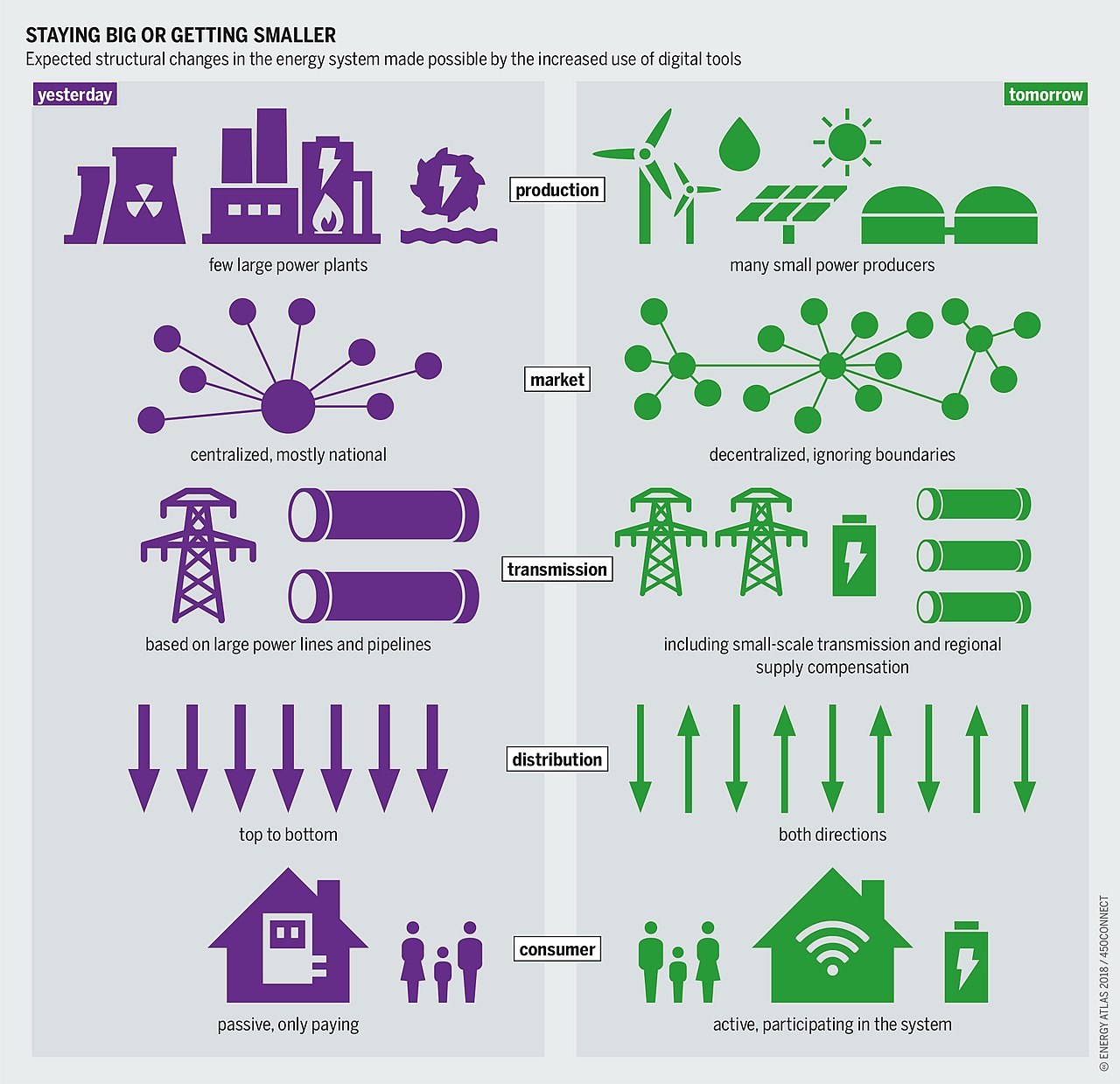
The smart grid is an enhancement of the 20th century electrical grid, using two-way communications and distributed so-called intelligent devices. This allows for two-way flows of electricity and information, improving the delivery network. Research is mainly focused on three systems of a smart grid – the infrastructure system, the management system, and the protection system. Electronic power conditioning and control of the production and distribution of electricity are important aspects of the smart grid, as discussed in electronic power conditioning. The smart grid has the potential to revolutionize the way we distribute and consume energy, and companies like Siemens and GE Digital are already working on implementing smart grid solutions.
💡 History and Evolution of Smart Grid
The concept of smart grid has been around for several decades, but it wasn't until the early 2000s that it started gaining traction. The history of smart grid is closely tied to the development of advanced metering infrastructure and smart meters. As technology advanced, the focus shifted from simple metering to more complex systems that could manage and control the flow of energy. Today, the smart grid is a key component of the energy transition towards a more sustainable and efficient energy system, as discussed in renewable energy and energy efficiency.
📈 Infrastructure System of Smart Grid
The infrastructure system of a smart grid refers to the physical components that make up the grid, including power transmission lines, power distribution lines, and substations. This system is responsible for the transmission and distribution of electricity from the power plant to the consumer. The infrastructure system is critical to the functioning of the smart grid, and companies like ABB and Alstom are working on developing more efficient and reliable infrastructure solutions. The infrastructure system is also closely tied to the grid management system, which is responsible for managing the flow of energy across the grid.
📊 Management System of Smart Grid
The management system of a smart grid is responsible for managing the flow of energy across the grid. This includes load management, demand response, and energy storage. The management system uses advanced algorithms and artificial intelligence to optimize energy distribution and consumption. Companies like Samsung SDI and LG Chem are working on developing more advanced management systems that can integrate with renewable energy sources and energy storage systems. The management system is also closely tied to the protection system, which is responsible for protecting the grid from cyber attacks and other threats.
🛡️ Protection System of Smart Grid
The protection system of a smart grid is responsible for protecting the grid from cyber attacks, physical attacks, and other threats. This includes firewalls, intrusion detection systems, and encryption. The protection system is critical to the security of the smart grid, and companies like Cisco and IBM are working on developing more advanced protection solutions. The protection system is also closely tied to the incident response plan, which is responsible for responding to and managing security incidents.
💻 Electronic Power Conditioning in Smart Grid
Electronic power conditioning is an important aspect of the smart grid, as it allows for the efficient and reliable transmission and distribution of electricity. Electronic power conditioning refers to the use of power electronics to control and condition the flow of electricity. This includes power electronics, power quality, and harmonics. Companies like Infineon and STMicroelectronics are working on developing more advanced power electronics solutions that can integrate with the smart grid. Electronic power conditioning is also closely tied to the renewable energy sources, which require advanced power electronics to integrate with the grid.
📊 Benefits of Smart Grid
The benefits of smart grid are numerous, including energy efficiency, renewable energy integration, and grid resiliency. The smart grid can also provide real-time monitoring and predictive maintenance, which can help to reduce power outages and improve overall grid reliability. Companies like Duke Energy and Southern California Edison are already seeing the benefits of smart grid, with reduced energy losses and improved customer satisfaction. The smart grid can also provide demand response and load management, which can help to reduce peak demand and improve overall grid efficiency.
🌎 Global Adoption of Smart Grid
The global adoption of smart grid is increasing, with countries like China, United States, and Europe investing heavily in smart grid infrastructure. The smart grid has the potential to revolutionize the way we distribute and consume energy, and companies like Siemens and GE Digital are already working on implementing smart grid solutions. The global smart grid market is expected to grow to $1.3 trillion by 2025, with a compound annual growth rate of 10.3%. The smart grid can also provide energy access to remote and underserved communities, which can help to reduce energy poverty and improve overall quality of life.
🤝 Challenges and Limitations of Smart Grid
Despite the many benefits of smart grid, there are also challenges and limitations to its adoption. One of the main challenges is the high initial investment cost, which can be a barrier to entry for many utilities and consumers. Additionally, the smart grid requires advanced cyber security measures to protect against cyber attacks and other threats. Companies like Cisco and IBM are working on developing more advanced cyber security solutions that can integrate with the smart grid. The smart grid also requires public education and awareness to ensure that consumers understand the benefits and limitations of the technology.
🔮 Future of Smart Grid
The future of smart grid is exciting, with many new technologies and innovations on the horizon. One of the most promising areas of research is the development of artificial intelligence and machine learning algorithms that can optimize energy distribution and consumption. Companies like Google and Microsoft are already working on developing more advanced AI and ML solutions that can integrate with the smart grid. The future of smart grid also includes the integration of electric vehicles and renewable energy sources, which can help to reduce greenhouse gas emissions and improve overall energy efficiency.
💸 Investment and Funding in Smart Grid
The investment and funding in smart grid is increasing, with many governments and private companies investing in smart grid infrastructure. The smart grid investment is expected to reach $1.5 trillion by 2025, with a compound annual growth rate of 12.1%. Companies like Siemens and GE Digital are already seeing the benefits of smart grid, with increased efficiency and reduced energy losses. The investment and funding in smart grid can also provide job creation and economic growth, which can help to stimulate local economies and improve overall quality of life.
📊 Conclusion and Recommendations
In conclusion, the smart grid is a critical component of the energy transition towards a more sustainable and efficient energy system. The smart grid has the potential to revolutionize the way we distribute and consume energy, and companies like Siemens and GE Digital are already working on implementing smart grid solutions. However, there are also challenges and limitations to its adoption, including high initial investment cost and cyber security concerns. As the smart grid continues to evolve and improve, it is likely that we will see increased adoption and investment in this technology, which can help to reduce greenhouse gas emissions and improve overall energy efficiency.
Key Facts
- Year
- 2001
- Origin
- United States
- Category
- Energy and Technology
- Type
- Technological Concept
Frequently Asked Questions
What is the smart grid?
The smart grid is an enhancement of the 20th century electrical grid, using two-way communications and distributed so-called intelligent devices. This allows for two-way flows of electricity and information, improving the delivery network. The smart grid has the potential to revolutionize the way we distribute and consume energy, and companies like Siemens and GE Digital are already working on implementing smart grid solutions. The smart grid can also provide real-time monitoring and predictive maintenance, which can help to reduce power outages and improve overall grid reliability.
What are the benefits of smart grid?
The benefits of smart grid are numerous, including energy efficiency, renewable energy integration, and grid resiliency. The smart grid can also provide real-time monitoring and predictive maintenance, which can help to reduce power outages and improve overall grid reliability. Companies like Duke Energy and Southern California Edison are already seeing the benefits of smart grid, with reduced energy losses and improved customer satisfaction.
What are the challenges and limitations of smart grid?
Despite the many benefits of smart grid, there are also challenges and limitations to its adoption. One of the main challenges is the high initial investment cost, which can be a barrier to entry for many utilities and consumers. Additionally, the smart grid requires advanced cyber security measures to protect against cyber attacks and other threats. Companies like Cisco and IBM are working on developing more advanced cyber security solutions that can integrate with the smart grid.
What is the future of smart grid?
The future of smart grid is exciting, with many new technologies and innovations on the horizon. One of the most promising areas of research is the development of artificial intelligence and machine learning algorithms that can optimize energy distribution and consumption. Companies like Google and Microsoft are already working on developing more advanced AI and ML solutions that can integrate with the smart grid. The future of smart grid also includes the integration of electric vehicles and renewable energy sources, which can help to reduce greenhouse gas emissions and improve overall energy efficiency.
How much is being invested in smart grid?
The investment and funding in smart grid is increasing, with many governments and private companies investing in smart grid infrastructure. The smart grid investment is expected to reach $1.5 trillion by 2025, with a compound annual growth rate of 12.1%. Companies like Siemens and GE Digital are already seeing the benefits of smart grid, with increased efficiency and reduced energy losses.
What are the key components of a smart grid?
The key components of a smart grid include the infrastructure system, the management system, and the protection system. The infrastructure system refers to the physical components that make up the grid, including power transmission lines, power distribution lines, and substations. The management system is responsible for managing the flow of energy across the grid, including load management and demand response. The protection system is responsible for protecting the grid from cyber attacks and other threats.
How does smart grid impact the environment?
The smart grid has the potential to significantly reduce greenhouse gas emissions and improve overall energy efficiency. The smart grid can also provide energy access to remote and underserved communities, which can help to reduce energy poverty and improve overall quality of life. Companies like Siemens and GE Digital are already working on implementing smart grid solutions that can help to reduce greenhouse gas emissions and improve energy efficiency.