
Contents
- 🌐 Introduction to Client Side
- 📊 The Client-Server Model
- 👥 Client-Server Communication
- 📈 Benefits of Client-Side Development
- 🚀 Challenges in Client-Side Development
- 🔍 Security Considerations
- 📊 Performance Optimization
- 👨💻 Best Practices for Client-Side Development
- 🤝 Relationship Between Client and Server
- 📈 Future of Client-Side Development
- 📊 Conclusion
- Frequently Asked Questions
- Related Topics
Overview
The client side refers to the portion of a web application or system that runs on the client's web browser, as opposed to the server side, which runs on the server. This distinction is crucial in the development of web applications, as it directly impacts user experience, security, and overall system efficiency. Historically, the client side has evolved significantly, from basic HTML rendering to complex, interactive web pages using JavaScript, CSS, and frameworks like React and Angular. The client side is also where the battle for user attention and satisfaction is won or lost, with factors like page load times, responsiveness, and accessibility playing critical roles. As technology advances, the client side continues to incorporate more sophisticated features, such as AI-driven interfaces and enhanced security measures, further blurring the lines between web and native applications. With the rise of Progressive Web Apps (PWAs) and Single-Page Applications (SPAs), the client side is becoming increasingly powerful, offering users experiences that are both rich and seamless.
🌐 Introduction to Client Side
The client side of an application is the frontline of user experience, where users interact with the application and receive the desired output. Client-Server Model is a widely used architecture in software development, where the client requests resources or services from the server. The client side is responsible for rendering the user interface, handling user input, and communicating with the server to retrieve or send data. Software Development teams focus on creating a seamless and intuitive user experience on the client side, using programming languages like JavaScript and frameworks like React.
📊 The Client-Server Model
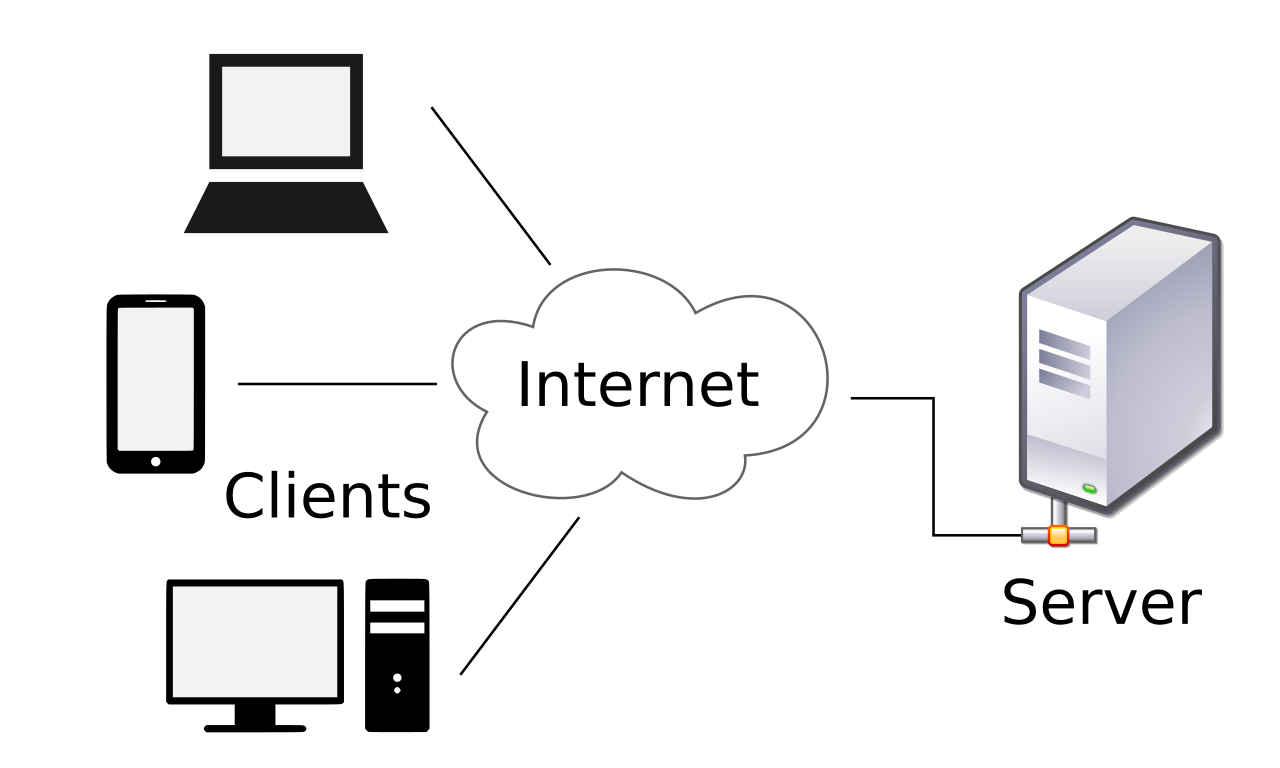
The client-server model is a form of messaging pattern in a distributed application structure, where tasks or workloads are partitioned between the providers of a resource or service, called Servers, and service requesters, called Clients. This model allows for efficient communication between the client and server, enabling the client to request content or services from the server and receive the desired output. Network Architecture plays a crucial role in the client-server model, as it defines how data is transmitted between the client and server. HTTP is a widely used protocol for client-server communication, enabling the client to send requests to the server and receive responses.
👥 Client-Server Communication
Client-server communication is a critical aspect of the client-server model, where the client initiates communication sessions with the server, which awaits incoming requests. The client sends requests to the server using HTTP Methods like GET, POST, and PUT, and the server responds with the requested data or services. AJAX is a technique used for asynchronous client-server communication, enabling the client to send requests to the server without reloading the entire page. RESTful API is an architectural style for designing networked applications, emphasizing stateless, cacheable, and uniform interface interactions between the client and server.
📈 Benefits of Client-Side Development
Client-side development offers several benefits, including improved user experience, faster development cycles, and reduced server load. By handling user input and rendering the user interface on the client side, developers can create more responsive and interactive applications. Responsive Web Design is a key aspect of client-side development, ensuring that applications are accessible and usable on various devices and screen sizes. Progressive Web Apps are a type of application that provides a native app-like experience to users, using modern web technologies like Service Workers and Web App Manifest.
🚀 Challenges in Client-Side Development
Despite the benefits of client-side development, there are several challenges that developers face, including browser compatibility issues, security concerns, and performance optimization. Cross-Browser Compatibility is a significant challenge, as different browsers have varying levels of support for web standards and technologies. Web Security is another critical aspect of client-side development, as applications are vulnerable to attacks like Cross-Site Scripting and Cross-Site Request Forgery.
🔍 Security Considerations
Security is a top priority in client-side development, as applications are exposed to various types of attacks and vulnerabilities. Secure Coding Practices are essential for preventing common web vulnerabilities like SQL Injection and Cross-Site Scripting. HTTPS is a secure protocol for client-server communication, encrypting data in transit and preventing eavesdropping and tampering. Content Security Policy is a security feature that helps prevent cross-site scripting attacks by defining which sources of content are allowed to be executed within a web page.
📊 Performance Optimization
Performance optimization is critical in client-side development, as slow and unresponsive applications can lead to a poor user experience. Web Performance Optimization techniques like Code Splitting, Tree Shaking, and Minification can help reduce the size of applications and improve load times. Browser Caching is another technique for improving performance, enabling the browser to store frequently-used resources locally and reducing the number of requests to the server.
👨💻 Best Practices for Client-Side Development
Best practices for client-side development include following secure coding practices, optimizing performance, and ensuring cross-browser compatibility. Agile Development methodologies like Scrum and Kanban can help teams develop and deliver high-quality applications quickly and efficiently. Test-Driven Development is a software development process that emphasizes writing automated tests before writing the actual code, ensuring that applications are reliable and stable. Continuous Integration and Continuous Deployment are practices that help teams automate the build, test, and deployment process, reducing the risk of errors and improving overall quality.
🤝 Relationship Between Client and Server
The relationship between the client and server is critical in the client-server model, as it defines how data is transmitted and received between the two. Request-Response Cycle is a fundamental concept in the client-server model, where the client sends a request to the server and receives a response. Stateless vs Stateful is a debate in the client-server model, where stateless servers do not maintain any information about the client, while stateful servers maintain information about the client between requests.
📈 Future of Client-Side Development
The future of client-side development is exciting, with emerging technologies like WebAssembly and Progressive Web Apps enabling developers to create more powerful and interactive applications. Artificial Intelligence and Machine Learning are being used to improve the user experience, enabling applications to learn and adapt to user behavior. Internet of Things is a network of physical devices, vehicles, and other items that are embedded with sensors, software, and connectivity, enabling them to collect and exchange data with other devices and systems.
📊 Conclusion
In conclusion, the client side is a critical aspect of the client-server model, where users interact with the application and receive the desired output. Client-Side Development requires a deep understanding of web technologies, security, and performance optimization. By following best practices and staying up-to-date with emerging technologies, developers can create high-quality applications that provide a seamless and intuitive user experience.
Key Facts
- Year
- 2023
- Origin
- Web Development Community
- Category
- Software Development
- Type
- Technical Concept
Frequently Asked Questions
What is the client-server model?
The client-server model is a form of messaging pattern in a distributed application structure, where tasks or workloads are partitioned between the providers of a resource or service, called servers, and service requesters, called clients. This model allows for efficient communication between the client and server, enabling the client to request content or services from the server and receive the desired output.
What are the benefits of client-side development?
Client-side development offers several benefits, including improved user experience, faster development cycles, and reduced server load. By handling user input and rendering the user interface on the client side, developers can create more responsive and interactive applications.
What are the challenges in client-side development?
Despite the benefits of client-side development, there are several challenges that developers face, including browser compatibility issues, security concerns, and performance optimization. Cross-browser compatibility is a significant challenge, as different browsers have varying levels of support for web standards and technologies.
What is the importance of security in client-side development?
Security is a top priority in client-side development, as applications are exposed to various types of attacks and vulnerabilities. Secure coding practices are essential for preventing common web vulnerabilities like SQL Injection and Cross-Site Scripting.
What is the future of client-side development?
The future of client-side development is exciting, with emerging technologies like WebAssembly and Progressive Web Apps enabling developers to create more powerful and interactive applications. Artificial Intelligence and Machine Learning are being used to improve the user experience, enabling applications to learn and adapt to user behavior.
What is the relationship between the client and server?
The relationship between the client and server is critical in the client-server model, as it defines how data is transmitted and received between the two. The request-response cycle is a fundamental concept in the client-server model, where the client sends a request to the server and receives a response.
What is the importance of performance optimization in client-side development?
Performance optimization is critical in client-side development, as slow and unresponsive applications can lead to a poor user experience. Web performance optimization techniques like code splitting, tree shaking, and minification can help reduce the size of applications and improve load times.