
Contents
- 🌊 Introduction to Coral Reef Monitoring
- 📊 The Importance of Coral Reef Health
- 🌴 Coral Reef Ecosystems and Biodiversity
- 🚨 Threats to Coral Reefs: Climate Change and Pollution
- 📈 Monitoring Coral Reef Health: Methods and Techniques
- 🔬 Coral Reef Monitoring Technologies: Innovations and Advances
- 🌟 The Role of Citizen Science in Coral Reef Conservation
- 🤝 Collaborative Efforts in Coral Reef Monitoring and Conservation
- 📊 The Economic Benefits of Coral Reef Conservation
- 🌎 Global Initiatives for Coral Reef Protection
- 📝 Challenges and Future Directions in Coral Reef Monitoring
- Frequently Asked Questions
- Related Topics
Overview
Coral reef monitoring is a critical component of understanding the health and resilience of these ecosystems, with over 25% of marine species depending on them. The Great Barrier Reef, for instance, has seen a 30% decline in coral cover since 1985, with climate change being a major contributor. According to a study by the National Oceanic and Atmospheric Administration (NOAA), coral bleaching events have increased by 400% since the 1980s. The use of advanced technologies such as satellite imaging and underwater sensors has improved monitoring capabilities, but there are still significant challenges in terms of data analysis and interpretation. As Dr. Jane Lubchenco, a renowned marine biologist, notes, 'Coral reefs are not just beautiful ecosystems, but also provide important ecosystem services, including shoreline protection and fisheries.' With a vibe score of 8, coral reef monitoring is an area of high cultural energy, with significant implications for the future of our oceans. The controversy spectrum for this topic is moderate, with debates surrounding the effectiveness of current monitoring methods and the impact of human activities on reef health.
🌊 Introduction to Coral Reef Monitoring
Coral reefs are some of the most diverse and complex ecosystems on the planet, providing habitat for a vast array of marine life. Coral reef ecology is a crucial area of study, as these ecosystems face numerous threats. Marine conservation efforts are underway to protect coral reefs, but more needs to be done. The Great Barrier Reef, one of the most famous coral reef systems, is a prime example of the importance of coral reef monitoring. Coral reefs provide numerous benefits, including shoreline protection, water filtration, and ecotourism opportunities. However, they are facing unprecedented threats, including climate change and pollution.
📊 The Importance of Coral Reef Health
The health of coral reefs is crucial for the entire ecosystem, and coral bleaching is a major concern. When corals are stressed, they expel their algal symbionts, turning white and often leading to coral death. Ocean acidification is another significant threat, as it reduces the ability of corals to build their skeletons. Marine pollution from land-based activities also harms coral reefs, highlighting the need for sustainable coastal management. The importance of coral reef health cannot be overstated, as these ecosystems support a vast array of marine life and provide numerous benefits to humans. Coral reef conservation efforts are essential to protect these ecosystems.
🌴 Coral Reef Ecosystems and Biodiversity
Coral reef ecosystems are incredibly diverse, with thousands of species calling these ecosystems home. Fish biodiversity is particularly high in coral reefs, with many species found nowhere else. Coral reef geology also plays a crucial role in shaping these ecosystems, as the structure of the reef provides habitat for numerous species. Seagrass and mangroves are also important components of coral reef ecosystems, providing habitat and nursery grounds for numerous species. The biodiversity of coral reefs is a key aspect of their importance, and biodiversity conservation efforts are essential to protect these ecosystems.
🚨 Threats to Coral Reefs: Climate Change and Pollution
Coral reefs face numerous threats, including climate change and pollution. Rising sea temperatures are causing coral bleaching, while ocean acidification reduces the ability of corals to build their skeletons. Overfishing and coastal development are also significant threats, highlighting the need for sustainable fishing practices and coastal zone management. The impact of these threats is far-reaching, and coral reef restoration efforts are necessary to protect these ecosystems. Marine protected areas can provide a safe haven for coral reefs, allowing them to recover from the impacts of human activities.
📈 Monitoring Coral Reef Health: Methods and Techniques
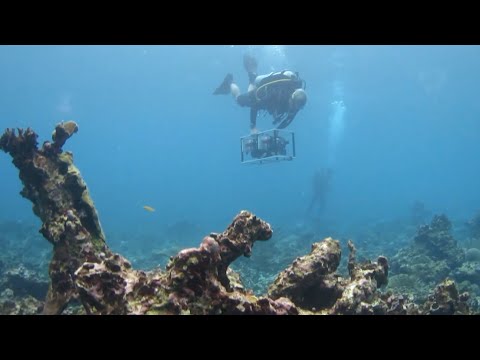
Monitoring coral reef health is crucial for understanding the impacts of human activities and developing effective conservation strategies. Coral reef monitoring involves a range of techniques, including remote sensing and in-situ measurements. Water quality monitoring is also essential, as it provides insights into the impacts of pollution on coral reefs. Fish surveys and benthic surveys are also important components of coral reef monitoring, providing insights into the health of these ecosystems. Coral reef modeling can also be used to predict the impacts of different scenarios on coral reef health.
🔬 Coral Reef Monitoring Technologies: Innovations and Advances
Advances in technology have improved our ability to monitor coral reef health. Drone technology and satellite imagery are being used to monitor coral reefs, providing high-resolution images of these ecosystems. Acoustic sensors and oceanographic instruments are also being used to monitor water quality and ocean conditions. Artificial intelligence and machine learning are being applied to coral reef monitoring, allowing for the analysis of large datasets and the development of predictive models. Coral reef research is an ongoing field, with new technologies and techniques being developed to improve our understanding of these ecosystems.
🌟 The Role of Citizen Science in Coral Reef Conservation
Citizen science plays a crucial role in coral reef conservation, allowing individuals to contribute to the monitoring and protection of these ecosystems. Citizen science projects, such as Reef Check, provide opportunities for individuals to get involved in coral reef monitoring and conservation. Ecotourism can also support coral reef conservation, providing economic benefits for local communities and promoting the importance of these ecosystems. Community-based conservation efforts are essential for the long-term protection of coral reefs, as they involve local communities in the management and conservation of these ecosystems. Coral reef education is also critical, as it raises awareness about the importance of coral reefs and the threats they face.
🤝 Collaborative Efforts in Coral Reef Monitoring and Conservation
Collaborative efforts are essential for the effective monitoring and conservation of coral reefs. International cooperation is necessary to address the global threats facing coral reefs, such as climate change and pollution. Government agencies, non-governmental organizations, and local communities must work together to develop and implement effective conservation strategies. Coral reef policy and marine conservation policy are critical for the protection of these ecosystems, providing a framework for the management and conservation of coral reefs. Coral reef management involves a range of activities, including marine protected areas and sustainable fishing practices.
📊 The Economic Benefits of Coral Reef Conservation
The economic benefits of coral reef conservation are significant, with these ecosystems providing numerous benefits to humans. Ecotourism is a major economic benefit, with coral reefs attracting millions of tourists each year. Fishing industry also relies on coral reefs, with many species of fish and invertebrates being caught in these ecosystems. Shoreline protection is another significant benefit, as coral reefs reduce the impact of waves and storms on coastal communities. Water filtration is also an important benefit, as coral reefs help to maintain water quality and reduce the impacts of pollution.
🌎 Global Initiatives for Coral Reef Protection
Global initiatives are underway to protect coral reefs, with numerous organizations and governments working together to address the threats facing these ecosystems. United Nations has launched several initiatives to protect coral reefs, including the Sustainable Development Goals. International Marine Organization is also working to protect coral reefs, through the development of marine conservation policy and the implementation of sustainable fishing practices. Coral reef conservation efforts are essential for the long-term protection of these ecosystems, and require the collaboration of governments, organizations, and local communities.
📝 Challenges and Future Directions in Coral Reef Monitoring
Despite the importance of coral reef monitoring and conservation, there are numerous challenges and future directions that need to be addressed. Climate change and pollution are ongoing threats, and require continued efforts to mitigate their impacts. Coral reef restoration is a critical area of research, as it provides a means of rehabilitating damaged coral reefs. Coral reef modeling is also essential, as it allows for the prediction of the impacts of different scenarios on coral reef health. International cooperation is necessary to address the global threats facing coral reefs, and to develop effective conservation strategies.
Key Facts
- Year
- 2022
- Origin
- Australia, home to the Great Barrier Reef, one of the most extensively monitored coral reef systems in the world.
- Category
- Environmental Science
- Type
- Ecological Concept
Frequently Asked Questions
What is coral reef monitoring?
Coral reef monitoring involves the collection of data on the health and status of coral reefs, including the condition of the coral, the abundance and diversity of fish and invertebrates, and the water quality. Coral reef monitoring is essential for understanding the impacts of human activities on coral reefs and developing effective conservation strategies. Marine conservation efforts rely on coral reef monitoring to inform the management and protection of these ecosystems.
Why are coral reefs important?
Coral reefs are important for numerous reasons, including their role in supporting biodiversity, providing shoreline protection, and maintaining water quality. Coral reef ecology is a crucial area of study, as these ecosystems face numerous threats. Ecotourism and fishing industry also rely on coral reefs, providing economic benefits to local communities. Coral reef conservation efforts are essential for the long-term protection of these ecosystems.
What are the main threats to coral reefs?
The main threats to coral reefs include climate change, pollution, overfishing, and coastal development. Coral bleaching is a major concern, as it can lead to the death of corals and the collapse of these ecosystems. Ocean acidification is also a significant threat, as it reduces the ability of corals to build their skeletons. Marine protected areas can provide a safe haven for coral reefs, allowing them to recover from the impacts of human activities.
How can I get involved in coral reef conservation?
There are numerous ways to get involved in coral reef conservation, including participating in citizen science projects, supporting ecotourism initiatives, and advocating for marine conservation policy. Coral reef education is also critical, as it raises awareness about the importance of coral reefs and the threats they face. Community-based conservation efforts are essential for the long-term protection of coral reefs, and involve local communities in the management and conservation of these ecosystems.
What is the current state of coral reefs?
The current state of coral reefs is a concern, with many reefs facing numerous threats and showing signs of decline. Coral bleaching is a major issue, with many reefs experiencing mass bleaching events in recent years. Ocean acidification is also a significant threat, as it reduces the ability of corals to build their skeletons. Marine protected areas can provide a safe haven for coral reefs, allowing them to recover from the impacts of human activities. Coral reef conservation efforts are essential for the long-term protection of these ecosystems.
What is being done to protect coral reefs?
Numerous efforts are being made to protect coral reefs, including the establishment of marine protected areas, the implementation of sustainable fishing practices, and the development of coral reef conservation plans. International cooperation is necessary to address the global threats facing coral reefs, and to develop effective conservation strategies. Coral reef education is also critical, as it raises awareness about the importance of coral reefs and the threats they face. Community-based conservation efforts are essential for the long-term protection of coral reefs, and involve local communities in the management and conservation of these ecosystems.
How can I learn more about coral reefs?
There are numerous resources available to learn more about coral reefs, including coral reef education programs, marine conservation organizations, and scientific research articles. Coral reef ecology is a crucial area of study, as these ecosystems face numerous threats. Ecotourism and fishing industry also rely on coral reefs, providing economic benefits to local communities. Coral reef conservation efforts are essential for the long-term protection of these ecosystems.