
Contents
- 🔍 Introduction to Diagnostic Devices
- 💻 The Evolution of Diagnostic Technology
- 📊 The Role of AI in Diagnostic Devices
- 👨⚕️ Point-of-Care Diagnostics
- 🔬 Laboratory Diagnostic Devices
- 📈 The Market for Diagnostic Devices
- 🚨 Regulatory Frameworks for Diagnostic Devices
- 🌎 Global Access to Diagnostic Devices
- 🤝 Collaborations and Partnerships in Diagnostic Device Development
- 📊 The Future of Diagnostic Devices
- 📝 Conclusion
- Frequently Asked Questions
- Related Topics
Overview
Diagnostic devices have revolutionized the field of medicine, enabling healthcare professionals to detect and treat diseases more accurately and efficiently. With a history dating back to the early 20th century, diagnostic devices have evolved significantly, from simple tools like stethoscopes to complex technologies like MRI and CT scanners. According to a report by the National Institutes of Health, the global diagnostic devices market is projected to reach $44.4 billion by 2025, with a growth rate of 4.5% per annum. The development of point-of-care diagnostic devices, such as those using artificial intelligence and machine learning, is expected to drive this growth. However, concerns regarding data privacy, security, and the potential for biased algorithms have sparked intense debates. As diagnostic devices continue to advance, it is crucial to address these challenges and ensure that these technologies benefit all segments of society. The influence of key players like Roche, Siemens Healthineers, and Abbott Laboratories will be instrumental in shaping the future of diagnostic devices.
🔍 Introduction to Diagnostic Devices
The field of diagnostic devices has undergone significant transformations over the years, driven by advancements in technology and the need for more accurate and efficient diagnostic tools. Diagnostic Imaging has become a crucial component of modern medicine, enabling healthcare professionals to visualize the internal structures of the body and diagnose conditions more effectively. The development of Portable Diagnostic Devices has also improved access to healthcare services, particularly in remote and resource-constrained areas. As the demand for diagnostic devices continues to grow, companies like General Electric and Siemens are investing heavily in research and development to create innovative solutions. The use of Artificial Intelligence in diagnostic devices is also becoming increasingly prevalent, with the potential to revolutionize the field of medicine.
💻 The Evolution of Diagnostic Technology
The evolution of diagnostic technology has been marked by significant milestones, including the development of X-ray machines and Magnetic Resonance Imaging (MRI) scanners. These advancements have enabled healthcare professionals to diagnose a wide range of conditions, from Cancer to Neurological Disorders. The introduction of Point-of-Care Diagnostic Devices has also improved patient outcomes by enabling healthcare professionals to make timely and informed decisions. As technology continues to advance, we can expect to see even more innovative diagnostic devices emerge, such as Wearable Diagnostic Devices and Implantable Diagnostic Devices. Companies like IBM and Google are already exploring the potential of Machine Learning in diagnostic devices. The future of diagnostic technology holds much promise, with the potential to transform the field of medicine and improve patient outcomes.
📊 The Role of AI in Diagnostic Devices
The role of AI in diagnostic devices is becoming increasingly important, with the potential to improve diagnostic accuracy and efficiency. Machine Learning Algorithms can be used to analyze large amounts of data and identify patterns that may not be apparent to human healthcare professionals. The use of AI in diagnostic devices also has the potential to reduce costs and improve patient outcomes. Companies like Microsoft and Amazon are already investing in AI-powered diagnostic devices, such as Chatbots and Virtual Assistants. As the use of AI in diagnostic devices becomes more widespread, we can expect to see significant improvements in the field of medicine. However, there are also concerns about the potential risks and challenges associated with the use of AI in diagnostic devices, such as Bias in AI and Cybersecurity threats.
👨⚕️ Point-of-Care Diagnostics
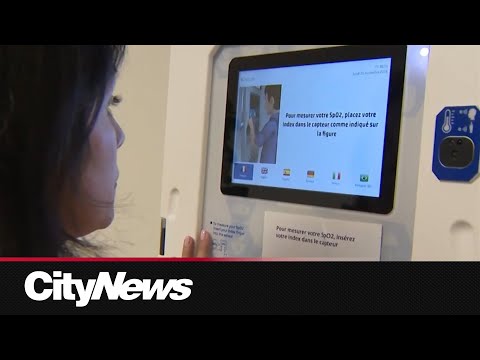
Point-of-care diagnostics has revolutionized the field of medicine, enabling healthcare professionals to diagnose conditions quickly and accurately. Point-of-Care Diagnostic Devices are designed to be used at the bedside or in clinics, and can provide rapid results for a wide range of conditions, from Infectious Diseases to Cardiovascular Diseases. The use of point-of-care diagnostic devices has improved patient outcomes by enabling healthcare professionals to make timely and informed decisions. Companies like Roche and Abbott are leading the way in the development of point-of-care diagnostic devices, with a focus on creating innovative and user-friendly solutions. As the demand for point-of-care diagnostic devices continues to grow, we can expect to see significant advancements in the field of medicine.
🔬 Laboratory Diagnostic Devices
Laboratory diagnostic devices are used to analyze samples and provide accurate and reliable results. Laboratory Information Systems are used to manage and analyze data, and can provide valuable insights into patient outcomes. The use of laboratory diagnostic devices has improved diagnostic accuracy and efficiency, enabling healthcare professionals to make informed decisions. Companies like Thermo Fisher and Beckman Coulter are leading the way in the development of laboratory diagnostic devices, with a focus on creating innovative and reliable solutions. As the demand for laboratory diagnostic devices continues to grow, we can expect to see significant advancements in the field of medicine. However, there are also concerns about the potential risks and challenges associated with the use of laboratory diagnostic devices, such as Sample Contamination and Equipment Failure.
📈 The Market for Diagnostic Devices
The market for diagnostic devices is growing rapidly, driven by the increasing demand for accurate and efficient diagnostic tools. Diagnostic Device Manufacturers are investing heavily in research and development to create innovative solutions, from Portable Diagnostic Devices to Implantable Diagnostic Devices. The use of Artificial Intelligence in diagnostic devices is also becoming increasingly prevalent, with the potential to revolutionize the field of medicine. Companies like General Electric and Siemens are leading the way in the development of diagnostic devices, with a focus on creating innovative and user-friendly solutions. As the demand for diagnostic devices continues to grow, we can expect to see significant advancements in the field of medicine.
🚨 Regulatory Frameworks for Diagnostic Devices
Regulatory frameworks for diagnostic devices are in place to ensure that devices are safe and effective. FDA regulations in the United States and EU Regulations in Europe provide a framework for the development and approval of diagnostic devices. The use of regulatory frameworks has improved patient safety and outcomes, by ensuring that diagnostic devices meet strict standards for quality and performance. Companies like Johnson and Johnson and Medtronic are subject to these regulatory frameworks, and must comply with strict guidelines and regulations. As the demand for diagnostic devices continues to grow, we can expect to see significant advancements in the field of medicine, with a focus on creating safe and effective solutions.
🌎 Global Access to Diagnostic Devices
Global access to diagnostic devices is a major challenge, particularly in resource-constrained areas. Global Health Initiatives are working to improve access to diagnostic devices, by providing funding and support for the development and distribution of devices. The use of Point-of-Care Diagnostic Devices has improved access to healthcare services, particularly in remote and resource-constrained areas. Companies like Bill and Melinda Gates Foundation and World Health Organization are leading the way in global health initiatives, with a focus on creating innovative and sustainable solutions. As the demand for diagnostic devices continues to grow, we can expect to see significant advancements in the field of medicine, with a focus on improving global access to healthcare services.
🤝 Collaborations and Partnerships in Diagnostic Device Development
Collaborations and partnerships in diagnostic device development are becoming increasingly important, as companies work together to create innovative solutions. Diagnostic Device Manufacturers are partnering with Research Institutions and Healthcare Providers to develop new and innovative diagnostic devices. The use of collaborations and partnerships has improved the development and approval of diagnostic devices, by providing access to expertise and resources. Companies like IBM and Google are partnering with Universities and Hospitals to develop AI-powered diagnostic devices, with a focus on creating innovative and user-friendly solutions. As the demand for diagnostic devices continues to grow, we can expect to see significant advancements in the field of medicine, with a focus on creating collaborative and innovative solutions.
📊 The Future of Diagnostic Devices
The future of diagnostic devices holds much promise, with the potential to transform the field of medicine and improve patient outcomes. Wearable Diagnostic Devices and Implantable Diagnostic Devices are becoming increasingly prevalent, with the potential to provide real-time monitoring and feedback. The use of Artificial Intelligence in diagnostic devices is also becoming increasingly important, with the potential to improve diagnostic accuracy and efficiency. Companies like Microsoft and Amazon are investing in AI-powered diagnostic devices, with a focus on creating innovative and user-friendly solutions. As the demand for diagnostic devices continues to grow, we can expect to see significant advancements in the field of medicine, with a focus on creating innovative and sustainable solutions.
📝 Conclusion
In conclusion, diagnostic devices have revolutionized the field of medicine, enabling healthcare professionals to diagnose conditions quickly and accurately. The use of Point-of-Care Diagnostic Devices and Laboratory Diagnostic Devices has improved patient outcomes, by enabling healthcare professionals to make timely and informed decisions. As the demand for diagnostic devices continues to grow, we can expect to see significant advancements in the field of medicine, with a focus on creating innovative and sustainable solutions. Companies like General Electric and Siemens are leading the way in the development of diagnostic devices, with a focus on creating innovative and user-friendly solutions. The future of diagnostic devices holds much promise, with the potential to transform the field of medicine and improve patient outcomes.
Key Facts
- Year
- 2022
- Origin
- United States
- Category
- Health Technology
- Type
- Medical Technology
Frequently Asked Questions
What is the role of AI in diagnostic devices?
The role of AI in diagnostic devices is becoming increasingly important, with the potential to improve diagnostic accuracy and efficiency. AI can be used to analyze large amounts of data and identify patterns that may not be apparent to human healthcare professionals. The use of AI in diagnostic devices also has the potential to reduce costs and improve patient outcomes. However, there are also concerns about the potential risks and challenges associated with the use of AI in diagnostic devices, such as Bias in AI and Cybersecurity threats.
What are the benefits of point-of-care diagnostic devices?
The benefits of point-of-care diagnostic devices include improved patient outcomes, reduced costs, and increased access to healthcare services. Point-of-care diagnostic devices enable healthcare professionals to diagnose conditions quickly and accurately, and provide rapid results for a wide range of conditions. The use of point-of-care diagnostic devices has also improved access to healthcare services, particularly in remote and resource-constrained areas.
What are the challenges associated with the development of diagnostic devices?
The challenges associated with the development of diagnostic devices include regulatory frameworks, funding, and access to expertise and resources. Diagnostic device manufacturers must comply with strict guidelines and regulations, and must also navigate complex funding landscapes. The development of diagnostic devices also requires access to expertise and resources, including research institutions and healthcare providers.
What is the future of diagnostic devices?
The future of diagnostic devices holds much promise, with the potential to transform the field of medicine and improve patient outcomes. Wearable diagnostic devices and implantable diagnostic devices are becoming increasingly prevalent, with the potential to provide real-time monitoring and feedback. The use of artificial intelligence in diagnostic devices is also becoming increasingly important, with the potential to improve diagnostic accuracy and efficiency.
What are the benefits of collaborations and partnerships in diagnostic device development?
The benefits of collaborations and partnerships in diagnostic device development include improved access to expertise and resources, and increased innovation and efficiency. Collaborations and partnerships enable diagnostic device manufacturers to work with research institutions and healthcare providers to develop new and innovative diagnostic devices. The use of collaborations and partnerships has also improved the development and approval of diagnostic devices, by providing access to expertise and resources.