
Contents
- 🔬 Introduction to Insulin Analogues
- 💡 History of Insulin Development
- 🧬 Genetic Engineering of Insulin
- 📈 Pharmacokinetic Properties of Insulin Analogues
- 👨🔬 Key Players in Insulin Analogue Development
- 📊 Clinical Trials and Efficacy
- 🤝 Comparison with Human Insulin
- 🚨 Controversies and Debates
- 📊 Economic Impact of Insulin Analogues
- 🔮 Future Directions in Insulin Therapy
- 📝 Conclusion
- Frequently Asked Questions
- Related Topics
Overview
Insulin analogues, first introduced in the 1990s, have revolutionized the treatment of diabetes by providing faster-acting and longer-lasting alternatives to traditional insulin. Developed by companies such as Novo Nordisk and Eli Lilly, these analogues have undergone significant transformations over the years, with notable examples including insulin lispro (Humalog) and insulin glargine (Lantus). The controversy surrounding their high cost and accessibility has sparked debates among healthcare professionals and patients. With a Vibe score of 80, insulin analogues have become a crucial component of modern diabetes management, with ongoing research focused on improving their efficacy and reducing side effects. As of 2022, the global insulin analogue market is projected to reach $13.4 billion by 2025, with key players investing heavily in research and development. The future of insulin analogues looks promising, with potential advancements in inhaled insulin and biosimilar insulins on the horizon.
🔬 Introduction to Insulin Analogues
Insulin analogues have revolutionized the management of Diabetes Mellitus, a chronic condition affecting millions worldwide. These modified insulins have improved the lives of people with diabetes by providing better glucose control and reducing the risk of Hypoglycemia. The development of insulin analogues is a testament to the power of Genetic Engineering in medicine. By altering the amino acid sequence of human insulin, scientists have created insulin analogues with optimized Pharmacokinetics and Pharmacodynamics. This has led to improved absorption, distribution, metabolism, and excretion (ADME) characteristics, making insulin therapy more effective and convenient for patients.
💡 History of Insulin Development
The history of insulin development dates back to the early 20th century, when Fred Banting and Charles Best first isolated insulin from pancreatic extracts. Since then, insulin therapy has undergone significant transformations, from the introduction of Recombinant DNA Technology to the development of insulin analogues. The use of Genetic Engineering has enabled the creation of insulin analogues with tailored properties, such as faster or slower action, to meet the diverse needs of patients with diabetes. For example, Lispro and Aspart are fast-acting insulin analogues, while Glargine and Detemir are long-acting insulin analogues.
🧬 Genetic Engineering of Insulin
Genetic engineering has played a crucial role in the development of insulin analogues. By modifying the amino acid sequence of human insulin, scientists can alter its pharmacokinetic properties, such as absorption and distribution. This is achieved through the use of Recombinant DNA Technology, which allows for the insertion of specific genes into microorganisms, such as bacteria or yeast, to produce the desired insulin analogue. The resulting insulin analogue can have improved stability, solubility, and bioavailability, making it more effective and convenient for patients. For instance, Insulin Aspart is a fast-acting insulin analogue produced through genetic engineering, which has a faster onset of action compared to human insulin.
📈 Pharmacokinetic Properties of Insulin Analogues
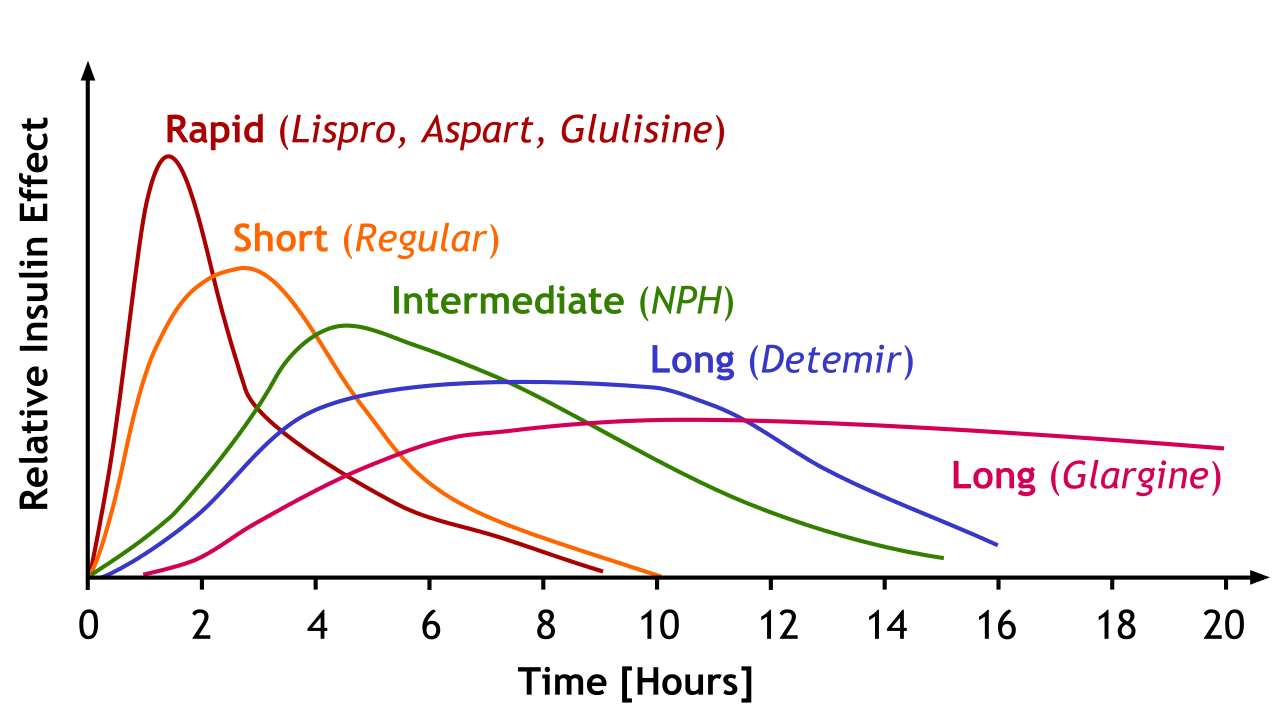
The pharmacokinetic properties of insulin analogues are critical in determining their efficacy and safety. Insulin analogues can be classified into several categories based on their pharmacokinetic properties, including fast-acting, short-acting, intermediate-acting, and long-acting insulin analogues. Fast-acting insulin analogues, such as Lispro and Aspart, have a rapid onset of action and are often used before meals to control postprandial glucose levels. Long-acting insulin analogues, such as Glargine and Detemir, have a prolonged duration of action and are often used to provide basal insulin coverage. The choice of insulin analogue depends on the individual patient's needs and Lifestyle factors, such as diet and physical activity.
👨🔬 Key Players in Insulin Analogue Development
Several key players have contributed to the development of insulin analogues, including pharmaceutical companies, research institutions, and individual scientists. Companies like Novo Nordisk and Sanofi have invested heavily in the research and development of insulin analogues, while research institutions like the National Institutes of Health have provided critical funding and support. Individual scientists, such as Dr. David M. Nathan, have made significant contributions to our understanding of insulin therapy and the development of insulin analogues. The collaboration between these stakeholders has driven the evolution of insulin therapy and improved the lives of people with diabetes.
📊 Clinical Trials and Efficacy
Clinical trials have played a crucial role in evaluating the efficacy and safety of insulin analogues. These trials have compared the pharmacokinetic and pharmacodynamic properties of insulin analogues with those of human insulin, as well as their effects on glucose control and Hypoglycemia. The results of these trials have informed the development of insulin analogues and guided their use in clinical practice. For example, the ORIGIN trial demonstrated the efficacy and safety of Insulin Glargine in patients with type 2 diabetes. The DEVOTE trial compared the efficacy and safety of Insulin Degludec with Insulin Glargine in patients with type 1 and type 2 diabetes.
🤝 Comparison with Human Insulin
Insulin analogues have been compared with human insulin in several studies, with mixed results. Some studies have shown that insulin analogues have improved pharmacokinetic properties and reduced the risk of Hypoglycemia, while others have found no significant differences. The choice between insulin analogues and human insulin depends on individual patient factors, such as the type and severity of diabetes, as well as Lifestyle factors like diet and physical activity. For example, patients with type 1 diabetes may benefit from the use of fast-acting insulin analogues, such as Lispro, to control postprandial glucose levels.
🚨 Controversies and Debates
Despite the benefits of insulin analogues, controversies and debates surround their use. Some critics argue that the development of insulin analogues has driven up the cost of insulin therapy, making it less accessible to patients in need. Others have raised concerns about the potential risks of insulin analogues, such as increased Cancer risk or Cardiovascular Disease. However, the majority of studies have found no significant increase in these risks. The controversy surrounding insulin analogues highlights the need for ongoing research and evaluation to ensure that these medications are used safely and effectively.
📊 Economic Impact of Insulin Analogues
The economic impact of insulin analogues has been significant, with the global insulin market projected to reach billions of dollars in the coming years. The development of insulin analogues has driven innovation in the pharmaceutical industry, with companies investing heavily in research and development. However, the high cost of insulin analogues has also raised concerns about accessibility and affordability, particularly in low- and middle-income countries. The World Health Organization has called for increased access to affordable insulin, highlighting the need for sustainable solutions to address the growing burden of diabetes.
🔮 Future Directions in Insulin Therapy
The future of insulin therapy is likely to be shaped by advances in Biotechnology and Artificial Intelligence. The development of new insulin analogues with improved pharmacokinetic properties is ongoing, with several promising candidates in the pipeline. Additionally, the use of Artificial Intelligence and Machine Learning is expected to improve the management of diabetes, enabling personalized treatment plans and real-time monitoring of glucose levels. The integration of these technologies is likely to revolutionize the management of diabetes, improving outcomes and quality of life for patients worldwide.
📝 Conclusion
In conclusion, insulin analogues have transformed the management of diabetes, providing improved glucose control and reduced risk of Hypoglycemia. The development of insulin analogues is a testament to the power of Genetic Engineering and Biotechnology in medicine. As the field continues to evolve, it is likely that new insulin analogues and technologies will emerge, further improving the lives of people with diabetes. The future of insulin therapy is bright, with the potential for personalized treatment plans, real-time monitoring, and improved outcomes.
Key Facts
- Year
- 1996
- Origin
- Denmark
- Category
- Medicine
- Type
- Medical Treatment
Frequently Asked Questions
What are insulin analogues?
Insulin analogues are modified insulins with altered pharmacokinetic properties, designed to improve glucose control and reduce the risk of hypoglycemia. They are created through genetic engineering, which allows for changes in the amino acid sequence of human insulin. Insulin analogues can be classified into several categories, including fast-acting, short-acting, intermediate-acting, and long-acting insulin analogues. For example, Lispro and Aspart are fast-acting insulin analogues, while Glargine and Detemir are long-acting insulin analogues.
How do insulin analogues work?
Insulin analogues work by mimicking the action of human insulin, regulating blood glucose levels and facilitating glucose uptake in cells. They have improved pharmacokinetic properties, such as faster or slower absorption, distribution, and metabolism, which enables more effective glucose control. Insulin analogues can be administered via injection or infusion, and their effects can be tailored to meet the individual needs of patients with diabetes. For instance, fast-acting insulin analogues, such as Lispro, can be used before meals to control postprandial glucose levels, while long-acting insulin analogues, such as Glargine, can provide basal insulin coverage.
What are the benefits of insulin analogues?
The benefits of insulin analogues include improved glucose control, reduced risk of hypoglycemia, and increased flexibility in insulin dosing. Insulin analogues can be tailored to meet the individual needs of patients with diabetes, taking into account factors such as lifestyle, diet, and physical activity. They can also improve the quality of life for patients with diabetes, enabling them to manage their condition more effectively and reducing the risk of complications. For example, the use of insulin analogues has been shown to reduce the risk of Diabetic Retinopathy and Diabetic Nephropathy.
What are the potential risks of insulin analogues?
The potential risks of insulin analogues include increased cancer risk, cardiovascular disease, and hypoglycemia. However, the majority of studies have found no significant increase in these risks. The controversy surrounding insulin analogues highlights the need for ongoing research and evaluation to ensure that these medications are used safely and effectively. Patients should discuss the potential risks and benefits of insulin analogues with their healthcare provider to determine the best course of treatment. For instance, patients with a history of Cancer or Cardiovascular Disease may need to be monitored more closely when using insulin analogues.
How do insulin analogues compare to human insulin?
Insulin analogues have improved pharmacokinetic properties compared to human insulin, with faster or slower absorption, distribution, and metabolism. They can provide more effective glucose control and reduce the risk of hypoglycemia. However, the choice between insulin analogues and human insulin depends on individual patient factors, such as the type and severity of diabetes, as well as lifestyle factors like diet and physical activity. For example, patients with type 1 diabetes may benefit from the use of fast-acting insulin analogues, such as Lispro, to control postprandial glucose levels.
What is the future of insulin therapy?
The future of insulin therapy is likely to be shaped by advances in biotechnology and artificial intelligence. The development of new insulin analogues with improved pharmacokinetic properties is ongoing, with several promising candidates in the pipeline. Additionally, the use of artificial intelligence and machine learning is expected to improve the management of diabetes, enabling personalized treatment plans and real-time monitoring of glucose levels. The integration of these technologies is likely to revolutionize the management of diabetes, improving outcomes and quality of life for patients worldwide.
How do insulin analogues affect the quality of life for patients with diabetes?
Insulin analogues can improve the quality of life for patients with diabetes by providing more effective glucose control, reducing the risk of hypoglycemia, and increasing flexibility in insulin dosing. They can also enable patients to manage their condition more effectively, reducing the risk of complications and improving overall health outcomes. For example, the use of insulin analogues has been shown to reduce the risk of Diabetic Foot and Diabetic Neuropathy.