
Contents
- 🌎 Introduction to Job Roles
- 💼 History of Work: From Traditional to Modern
- 📊 The Rise of Specialization: [[specialization|Specialization]] and [[division_of_labor|Division of Labor]]
- 🤖 Automation and AI: [[artificial_intelligence|Artificial Intelligence]] and Job Displacement
- 📈 The Gig Economy: [[gig_economy|Gig Economy]] and the Future of Work
- 🌈 Diversity and Inclusion: [[diversity_and_inclusion|Diversity and Inclusion]] in the Workplace
- 📚 Skills and Training: [[skills_training|Skills and Training]] for the Modern Job Market
- 💻 Remote Work: [[remote_work|Remote Work]] and the Digital Nomad
- 📊 Job Role Evolution: [[job_role_evolution|Job Role Evolution]] and the Future of Careers
- 🤝 Collaboration and Teamwork: [[collaboration_and_teamwork|Collaboration and Teamwork]] in the Modern Workplace
- 📊 Career Development: [[career_development|Career Development]] and Advancement in the Digital Age
- 🌐 Globalization and Job Roles: [[globalization|Globalization]] and the Impact on Work
- Frequently Asked Questions
- Related Topics
Overview
The concept of a job role has undergone significant transformations over the years, influenced by technological advancements, shifting workforce demographics, and changing societal values. Historically, job roles were often narrowly defined and static, with employees expected to remain in the same position for extended periods. However, the rise of the gig economy and remote work has led to a proliferation of non-traditional job roles, with many workers now engaging in freelance, contract, or project-based work. According to a report by Upwork, 63% of companies use freelance workers, with the global gig economy projected to reach $455 billion by 2025. The increasing demand for skilled workers in emerging technologies such as AI, blockchain, and cybersecurity has also created new job roles, with the World Economic Forum predicting that by 2025, 50% of the global workforce will need to be reskilled. As the nature of work continues to evolve, it is essential to understand the implications of these changes on job roles, workforce development, and the future of employment.
🌎 Introduction to Job Roles
The concept of a job role has undergone significant changes over the years. With the rise of Career Development and Professional Networking, individuals are no longer limited to traditional employment arrangements. The modern job market is characterized by Flexibility and Adaptability, with many professionals opting for Freelancing or Entrepreneurship. As the nature of work continues to evolve, it's essential to understand the history and development of job roles, including the impact of Industrialization and Technological Advancements.
💼 History of Work: From Traditional to Modern
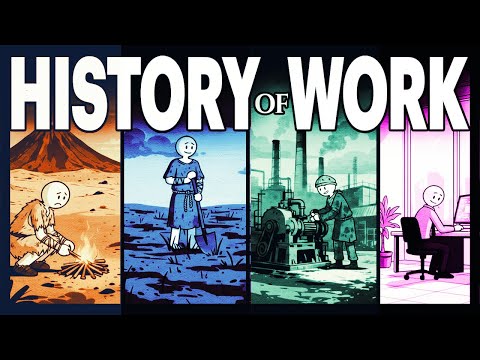
The history of work dates back to ancient civilizations, where people engaged in various forms of Agriculture and Craftsmanship. The Industrial Revolution marked a significant turning point in the history of work, with the introduction of Mass Production and Factory Work. As the industrial economy grew, so did the need for Specialization and Division of Labor. This led to the development of new job roles, including Management and Administration.
📊 The Rise of Specialization: [[specialization|Specialization]] and [[division_of_labor|Division of Labor]]
The rise of specialization has had a profound impact on the modern job market. With the increasing complexity of Globalization and Technological Advancements, the need for specialized skills has become more pronounced. Professionals are now expected to possess a range of skills, including Communication Skills, Problem Solving, and Time Management. The concept of Lifelong Learning has also become essential, as individuals must continually update their skills to remain relevant in the job market. This is particularly important in fields like Data Science and Artificial Intelligence.
🤖 Automation and AI: [[artificial_intelligence|Artificial Intelligence]] and Job Displacement
The advent of automation and AI has raised concerns about job displacement and the future of work. While some jobs may become obsolete, new job roles are emerging in fields like AI Development and Data Analysis. The key to success in this new landscape is to develop skills that are complementary to automation, such as Creativity, Critical Thinking, and Emotional Intelligence. As the job market continues to evolve, it's essential to stay ahead of the curve by investing in Education and Training. This includes developing skills in areas like Cybersecurity and Cloud Computing.
📈 The Gig Economy: [[gig_economy|Gig Economy]] and the Future of Work
The gig economy has transformed the way people work, with many professionals opting for Freelancing or Independent Contracting. This shift has been driven by the rise of Digital Platforms and Social Media, which have made it easier for individuals to connect with clients and customers. The gig economy has also created new opportunities for Entrepreneurship and Small Business development. However, it also raises concerns about Job Security and Benefits. As the gig economy continues to grow, it's essential to develop strategies for Risk Management and Financial Planning.
🌈 Diversity and Inclusion: [[diversity_and_inclusion|Diversity and Inclusion]] in the Workplace
Diversity and inclusion are essential components of the modern workplace. With the increasing diversity of the global workforce, companies must prioritize Inclusion and Diversity to remain competitive. This includes creating a Positive Work Environment and providing opportunities for Career Advancement. The concept of Emotional Intelligence is also critical in this context, as it enables professionals to navigate complex social situations and build strong relationships with colleagues and clients. This is particularly important in fields like Human Resources and Organizational Development.
📚 Skills and Training: [[skills_training|Skills and Training]] for the Modern Job Market
The modern job market requires professionals to possess a range of skills, including Technical Skills, Soft Skills, and Business Acumen. The concept of Lifelong Learning is essential, as individuals must continually update their skills to remain relevant. This includes investing in Education and Training, as well as seeking out opportunities for Mentorship and Coaching. The rise of Online Learning has made it easier for professionals to access training and development opportunities, including MOOCs and Online Courses.
💻 Remote Work: [[remote_work|Remote Work]] and the Digital Nomad
Remote work has become increasingly popular, with many professionals opting for Telecommuting or Digital Nomadism. This shift has been driven by the rise of Digital Technology and Communication Tools, which have made it easier for individuals to work from anywhere. The benefits of remote work include Flexibility, Autonomy, and Work-Life Balance. However, it also raises concerns about Social Isolation and Distractions. As remote work continues to grow, it's essential to develop strategies for Productivity and Time Management.
📊 Job Role Evolution: [[job_role_evolution|Job Role Evolution]] and the Future of Careers
The evolution of job roles has significant implications for the future of careers. With the rise of Automation and AI, professionals must develop skills that are complementary to technology. This includes investing in Education and Training, as well as seeking out opportunities for Career Advancement. The concept of Career Resilience is also critical, as individuals must be able to adapt to changing circumstances and navigate complex career paths. This is particularly important in fields like Data Science and Cybersecurity.
🤝 Collaboration and Teamwork: [[collaboration_and_teamwork|Collaboration and Teamwork]] in the Modern Workplace
Collaboration and teamwork are essential components of the modern workplace. With the increasing complexity of Globalization and Technological Advancements, professionals must be able to work effectively in teams to achieve common goals. The concept of Emotional Intelligence is critical in this context, as it enables individuals to navigate complex social situations and build strong relationships with colleagues and clients. This includes developing skills in areas like Communication, Conflict Resolution, and Leadership.
📊 Career Development: [[career_development|Career Development]] and Advancement in the Digital Age
Career development is a critical component of professional success. With the rise of Digital Technology and Social Media, professionals must be able to navigate complex career paths and develop strategies for Career Advancement. The concept of Personal Branding is also essential, as individuals must be able to promote themselves effectively to potential employers and clients. This includes developing a strong Online Presence and building a professional Network.
🌐 Globalization and Job Roles: [[globalization|Globalization]] and the Impact on Work
Globalization has transformed the way people work, with many professionals opting for International Careers or Global Remote Work. This shift has been driven by the rise of Digital Technology and Communication Tools, which have made it easier for individuals to connect with clients and customers around the world. The benefits of globalization include Cultural Diversity, Language Skills, and International Experience. However, it also raises concerns about Cultural Barriers and Time Zone Differences.
Key Facts
- Year
- 2022
- Origin
- Industrial Revolution
- Category
- Career Development
- Type
- Concept
Frequently Asked Questions
What is the most in-demand job role in the modern job market?
The most in-demand job roles in the modern job market include Data Scientist, Software Engineer, and Digital Marketer. These roles require a range of skills, including Technical Skills, Soft Skills, and Business Acumen. Professionals must continually update their skills to remain relevant in the job market, including investing in Education and Training and seeking out opportunities for Mentorship and Coaching.
How can I develop the skills required for the modern job market?
To develop the skills required for the modern job market, professionals must invest in Education and Training, including Online Learning and Workshops. They must also seek out opportunities for Mentorship and Coaching, as well as build a strong Professional Network. The concept of Lifelong Learning is essential, as individuals must continually update their skills to remain relevant in the job market. This includes developing skills in areas like Communication, Problem Solving, and Time Management.
What are the benefits of remote work?
The benefits of remote work include Flexibility, Autonomy, and Work-Life Balance. Remote work also provides opportunities for Career Advancement and Professional Development, as professionals can work with clients and colleagues from around the world. However, remote work also raises concerns about Social Isolation and Distractions, which must be managed through strategies for Productivity and Time Management.
How can I navigate the gig economy?
To navigate the gig economy, professionals must develop a range of skills, including Technical Skills, Soft Skills, and Business Acumen. They must also be able to Market Themselves effectively to potential clients and customers, including building a strong Online Presence and Professional Network. The concept of Career Resilience is also critical, as individuals must be able to adapt to changing circumstances and navigate complex career paths. This includes developing skills in areas like Communication, Conflict Resolution, and Leadership.
What is the future of work?
The future of work is characterized by Flexibility, Autonomy, and Technological Advancements. Professionals must be able to adapt to changing circumstances and navigate complex career paths, including developing skills in areas like Data Science and Artificial Intelligence. The concept of Lifelong Learning is essential, as individuals must continually update their skills to remain relevant in the job market. This includes investing in Education and Training and seeking out opportunities for Mentorship and Coaching.
How can I develop a personal brand?
To develop a personal brand, professionals must be able to Market Themselves effectively to potential employers and clients. This includes building a strong Online Presence, including a Professional Website and Social Media Profiles. Professionals must also be able to articulate their Value Proposition and Unique Selling Points, including developing a strong Elevator Pitch and Resume. The concept of Career Resilience is also critical, as individuals must be able to adapt to changing circumstances and navigate complex career paths.
What are the benefits of diversity and inclusion in the workplace?
The benefits of diversity and inclusion in the workplace include Increased Creativity, Improved Innovation, and Enhanced Productivity. Diversity and inclusion also provide opportunities for Career Advancement and Professional Development, as professionals can learn from colleagues and clients from diverse backgrounds. The concept of Emotional Intelligence is essential, as individuals must be able to navigate complex social situations and build strong relationships with colleagues and clients.