
Contents
- 🏥 Introduction to Medical Applications
- 💻 Artificial Intelligence in Healthcare
- 📊 Data Analytics in Medical Research
- 👨⚕️ Telemedicine and Remote Monitoring
- 💸 Personalized Medicine and Genomics
- 🔬 Medical Imaging and Diagnostics
- 🤖 Robotics and Surgical Innovations
- 📈 Healthcare Informatics and Interoperability
- 📊 Medical Billing and Insurance Claims
- 📝 Electronic Health Records and Patient Engagement
- 🔒 Healthcare Cybersecurity and Data Protection
- Frequently Asked Questions
- Related Topics
Overview
Medical applications have transformed the healthcare landscape, enabling remote patient monitoring, personalized treatment plans, and streamlined clinical workflows. With the rise of telemedicine, patients can now access medical care from the comfort of their own homes, reducing hospital readmissions and improving health outcomes. The use of artificial intelligence and machine learning algorithms has also enabled the development of predictive analytics, allowing healthcare professionals to identify high-risk patients and intervene early. Furthermore, medical applications have facilitated the integration of electronic health records, enabling seamless communication between healthcare providers and improving the overall quality of care. However, concerns surrounding data privacy and security have sparked intense debate, with some arguing that the benefits of medical applications outweigh the risks, while others claim that the risks are too great to ignore. As the field continues to evolve, it is likely that medical applications will play an increasingly important role in shaping the future of healthcare, with potential applications in areas such as gene editing, regenerative medicine, and precision health.
🏥 Introduction to Medical Applications
The field of medical applications has undergone significant transformations in recent years, driven by advances in technology and the increasing demand for more efficient and effective healthcare services. Healthcare Technology has become a crucial aspect of modern medicine, with Electronic Health Records (EHRs) and Telemedicine being two of the most notable examples. The use of Artificial Intelligence (AI) in healthcare has also gained significant traction, with applications in Medical Imaging and Clinical Decision Support. As the healthcare landscape continues to evolve, it is essential to stay informed about the latest developments in Medical Research and Healthcare Informatics.
💻 Artificial Intelligence in Healthcare
Artificial Intelligence (AI) has been increasingly adopted in healthcare to improve patient outcomes and streamline clinical workflows. Machine Learning algorithms can be used to analyze large datasets and identify patterns that may not be apparent to human clinicians. For instance, Deep Learning techniques can be applied to Medical Imaging to detect abnormalities and diagnose diseases more accurately. Additionally, Natural Language Processing (NLP) can be used to analyze Clinical Notes and provide insights into patient care. The integration of AI in healthcare has the potential to revolutionize the way healthcare services are delivered, and companies like IBM and Google are already making significant investments in this area.
📊 Data Analytics in Medical Research
Data analytics has become a critical component of medical research, enabling researchers to gain insights into complex healthcare issues and develop more effective treatments. Data Mining techniques can be used to identify patterns in large datasets, while Statistical Analysis can be applied to validate research findings. The use of Data Visualization tools can also help to communicate complex research findings to both technical and non-technical audiences. Furthermore, Healthcare Data can be used to inform Healthcare Policy decisions and improve healthcare outcomes. As the amount of healthcare data continues to grow, it is essential to develop robust Data Management systems to ensure that data is accurate, secure, and accessible.
👨⚕️ Telemedicine and Remote Monitoring
Telemedicine has emerged as a vital component of modern healthcare, enabling patients to receive medical care remotely and reducing the need for in-person visits. Telehealth platforms can be used to provide Remote Monitoring services, allowing healthcare providers to track patient vital signs and respond to emergencies in real-time. Additionally, Video Conferencing tools can be used to facilitate Virtual Consultations between patients and healthcare providers. The use of Mobile Health (mHealth) applications can also help to promote Patient Engagement and improve health outcomes. As the demand for telemedicine services continues to grow, it is essential to develop robust Telemedicine Infrastructure to support the delivery of high-quality care.
💸 Personalized Medicine and Genomics
Personalized medicine has become a major focus of modern healthcare, with the goal of tailoring treatments to individual patients based on their unique genetic profiles. Genomics has become a critical component of personalized medicine, enabling healthcare providers to develop targeted therapies and improve patient outcomes. The use of Next-Generation Sequencing (NGS) technologies has made it possible to analyze large amounts of genomic data quickly and accurately. Additionally, Pharmacogenomics can be used to predict how patients will respond to different medications, reducing the risk of adverse reactions. As the field of personalized medicine continues to evolve, it is essential to develop robust Genetic Testing protocols to ensure that patients receive accurate and reliable results.
🔬 Medical Imaging and Diagnostics
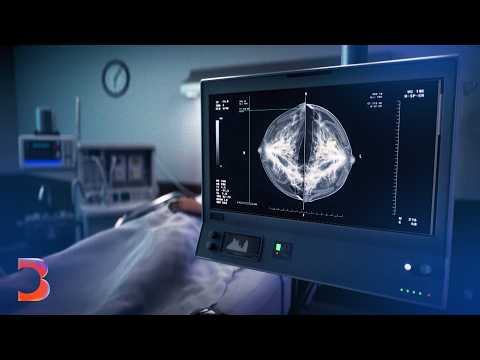
Medical imaging has become a crucial diagnostic tool in modern healthcare, enabling healthcare providers to visualize the body in exquisite detail. Magnetic Resonance Imaging (MRI) and Computed Tomography (CT) scans can be used to diagnose a wide range of conditions, from Cancer to Neurological Disorders. The use of Image Analysis software can also help to improve the accuracy of diagnoses and reduce the risk of false positives. Additionally, Picture Archiving and Communication System (PACS) can be used to store and manage large amounts of medical imaging data. As the demand for medical imaging services continues to grow, it is essential to develop robust Medical Imaging Infrastructure to support the delivery of high-quality care.
🤖 Robotics and Surgical Innovations
Robotic surgery has emerged as a major innovation in modern healthcare, enabling surgeons to perform complex procedures with greater precision and accuracy. Robotic-Assisted Surgery platforms can be used to enhance Surgical Precision and reduce the risk of complications. The use of Artificial Intelligence (AI) in robotic surgery can also help to improve patient outcomes and reduce recovery times. Additionally, Virtual Reality (VR) and Augmented Reality (AR) technologies can be used to enhance the surgical experience and improve patient engagement. As the field of robotic surgery continues to evolve, it is essential to develop robust Surgical Robotics Infrastructure to support the delivery of high-quality care.
📈 Healthcare Informatics and Interoperability
Healthcare informatics has become a critical component of modern healthcare, enabling healthcare providers to manage large amounts of data and improve patient outcomes. Healthcare Information Systems can be used to store and manage patient data, while Electronic Health Records (EHRs) can be used to streamline clinical workflows. The use of Data Analytics can also help to identify trends and patterns in healthcare data, enabling healthcare providers to make more informed decisions. Additionally, Healthcare Interoperability standards can be used to facilitate the exchange of healthcare data between different systems and organizations. As the demand for healthcare informatics services continues to grow, it is essential to develop robust Healthcare Informatics Infrastructure to support the delivery of high-quality care.
📊 Medical Billing and Insurance Claims
Medical billing and insurance claims have become a critical component of modern healthcare, enabling healthcare providers to receive reimbursement for their services. Medical Billing software can be used to streamline the billing process and reduce the risk of errors. The use of Electronic Claims can also help to improve the efficiency of the billing process and reduce the time it takes to receive reimbursement. Additionally, Insurance Claims can be used to facilitate the exchange of healthcare data between healthcare providers and insurance companies. As the demand for medical billing and insurance claims services continues to grow, it is essential to develop robust Medical Billing Infrastructure to support the delivery of high-quality care.
📝 Electronic Health Records and Patient Engagement
Electronic health records (EHRs) have become a crucial component of modern healthcare, enabling healthcare providers to store and manage patient data in a secure and efficient manner. Electronic Health Records can be used to streamline clinical workflows and improve patient outcomes. The use of Patient Engagement platforms can also help to promote patient involvement in their care and improve health outcomes. Additionally, Patient Portal can be used to provide patients with secure access to their medical records and enable them to communicate with their healthcare providers. As the demand for EHRs continues to grow, it is essential to develop robust Electronic Health Records Infrastructure to support the delivery of high-quality care.
🔒 Healthcare Cybersecurity and Data Protection
Healthcare cybersecurity has become a critical component of modern healthcare, enabling healthcare providers to protect patient data from cyber threats. Healthcare Cybersecurity measures can be used to prevent Data Breaches and protect patient data. The use of Encryption can also help to secure patient data and prevent unauthorized access. Additionally, Incident Response plans can be used to respond to cyber attacks and minimize the impact on patient care. As the demand for healthcare cybersecurity services continues to grow, it is essential to develop robust Healthcare Cybersecurity Infrastructure to support the delivery of high-quality care.
Key Facts
- Year
- 2022
- Origin
- United States
- Category
- Health and Medicine
- Type
- Medical Technology
Frequently Asked Questions
What is the role of artificial intelligence in healthcare?
Artificial intelligence (AI) has the potential to revolutionize healthcare by improving patient outcomes, streamlining clinical workflows, and reducing costs. AI can be used to analyze large amounts of data, identify patterns, and make predictions. Additionally, AI can be used to develop personalized treatment plans, improve disease diagnosis, and enhance patient engagement. However, the use of AI in healthcare also raises concerns about data privacy, security, and bias. As the field of AI in healthcare continues to evolve, it is essential to address these concerns and develop robust infrastructure to support the delivery of high-quality care. Artificial Intelligence is being used in various healthcare applications, including Medical Imaging and Clinical Decision Support.
What are the benefits of telemedicine?
Telemedicine has several benefits, including improved access to care, increased patient engagement, and reduced costs. Telemedicine can be used to provide remote monitoring services, facilitate virtual consultations, and promote patient self-management. Additionally, telemedicine can help to reduce hospital readmissions, improve health outcomes, and enhance patient satisfaction. However, the use of telemedicine also raises concerns about data privacy, security, and equity. As the demand for telemedicine services continues to grow, it is essential to develop robust infrastructure to support the delivery of high-quality care. Telemedicine is being used in various healthcare applications, including Remote Monitoring and Virtual Consultations.
What is the role of genomics in personalized medicine?
Genomics has become a critical component of personalized medicine, enabling healthcare providers to develop targeted therapies and improve patient outcomes. Genomics can be used to analyze an individual's genetic profile and identify genetic variations that may be associated with disease. Additionally, genomics can be used to predict how patients will respond to different medications, reducing the risk of adverse reactions. However, the use of genomics in personalized medicine also raises concerns about data privacy, security, and equity. As the field of genomics continues to evolve, it is essential to address these concerns and develop robust infrastructure to support the delivery of high-quality care. Genomics is being used in various healthcare applications, including Personalized Medicine and Pharmacogenomics.
What are the benefits of electronic health records?
Electronic health records (EHRs) have several benefits, including improved patient outcomes, increased efficiency, and reduced costs. EHRs can be used to streamline clinical workflows, improve patient engagement, and enhance patient satisfaction. Additionally, EHRs can help to reduce medical errors, improve disease diagnosis, and promote patient self-management. However, the use of EHRs also raises concerns about data privacy, security, and interoperability. As the demand for EHRs continues to grow, it is essential to develop robust infrastructure to support the delivery of high-quality care. Electronic Health Records are being used in various healthcare applications, including Patient Engagement and Clinical Decision Support.
What is the role of healthcare informatics in modern healthcare?
Healthcare informatics has become a critical component of modern healthcare, enabling healthcare providers to manage large amounts of data and improve patient outcomes. Healthcare informatics can be used to develop Healthcare Information Systems, improve Clinical Decision Support, and enhance Patient Engagement. Additionally, healthcare informatics can help to reduce medical errors, improve disease diagnosis, and promote patient self-management. However, the use of healthcare informatics also raises concerns about data privacy, security, and interoperability. As the demand for healthcare informatics services continues to grow, it is essential to develop robust infrastructure to support the delivery of high-quality care. Healthcare Informatics is being used in various healthcare applications, including Electronic Health Records and Telemedicine.
What are the benefits of medical billing and insurance claims?
Medical billing and insurance claims have several benefits, including improved revenue cycle management, increased efficiency, and reduced costs. Medical billing can be used to streamline the billing process, reduce errors, and improve patient satisfaction. Additionally, insurance claims can help to facilitate the exchange of healthcare data between healthcare providers and insurance companies. However, the use of medical billing and insurance claims also raises concerns about data privacy, security, and equity. As the demand for medical billing and insurance claims services continues to grow, it is essential to develop robust infrastructure to support the delivery of high-quality care. Medical Billing and Insurance Claims are being used in various healthcare applications, including Revenue Cycle Management and Patient Access.
What is the role of healthcare cybersecurity in modern healthcare?
Healthcare cybersecurity has become a critical component of modern healthcare, enabling healthcare providers to protect patient data from cyber threats. Healthcare cybersecurity measures can be used to prevent Data Breaches, protect patient data, and ensure the continuity of care. Additionally, healthcare cybersecurity can help to reduce the risk of medical errors, improve patient outcomes, and enhance patient satisfaction. However, the use of healthcare cybersecurity also raises concerns about data privacy, security, and equity. As the demand for healthcare cybersecurity services continues to grow, it is essential to develop robust infrastructure to support the delivery of high-quality care. Healthcare Cybersecurity is being used in various healthcare applications, including Data Encryption and Incident Response.