
Contents
- 🌿 Introduction to EU Biodiversity Indicators
- 📊 Measuring Biodiversity: Challenges and Opportunities
- 🌟 EU Biodiversity Strategy: Aims and Objectives
- 📈 Indicator-Based Assessment: A Delicate Balance
- 🌎 Global Context: International Agreements and Initiatives
- 🌈 Species and Ecosystems: Focus Areas for Conservation
- 🚨 Threats to Biodiversity: Climate Change, Habitat Destruction, and Invasive Species
- 🌱 Restoration and Conservation Efforts: Success Stories and Challenges
- 📊 Economic Aspects: The Value of Biodiversity and Ecosystem Services
- 🌐 Policy and Governance: EU Institutions and Decision-Making Processes
- 👥 Stakeholder Engagement: Involving Citizens, NGOs, and Businesses
- 🔮 Future Directions: Emerging Trends and Technologies in Biodiversity Conservation
- Frequently Asked Questions
- Related Topics
Overview
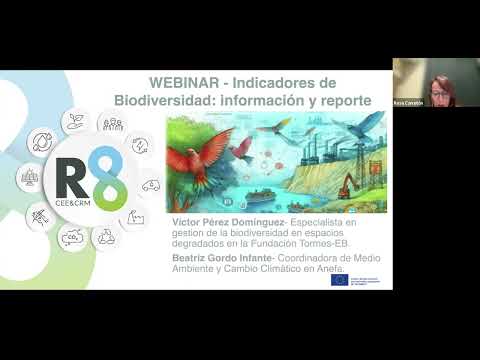
The European Union's biodiversity indicators are a set of metrics designed to monitor the health of the continent's ecosystems, which are facing unprecedented environmental pressures. According to the European Environment Agency (EEA), the EU's biodiversity is in a state of decline, with many species and habitats under threat. The indicators, which include metrics such as the EU's common bird index and the conservation status of species and habitats, provide a comprehensive picture of the state of biodiversity in the EU. However, critics argue that the indicators do not fully capture the complexity of the issue, and that more needs to be done to address the root causes of biodiversity loss. The EU's biodiversity strategy for 2030 aims to halt and reverse the decline of biodiversity, but its success will depend on the effective implementation of conservation measures and the cooperation of member states. With a vibe score of 6, the topic of EU biodiversity indicators is a pressing concern that requires urgent attention and action, with influential entities such as the EEA and the European Commission playing a crucial role in shaping the debate, and key events like the 2020 EU Biodiversity Strategy and the 2019 IPBES Global Assessment Report on Biodiversity and Ecosystem Services informing the discussion.
🌿 Introduction to EU Biodiversity Indicators
The European Union (EU) has been at the forefront of global efforts to protect and preserve biodiversity, recognizing its intrinsic value and the essential services it provides to human societies. The EU Biodiversity Strategy sets out a comprehensive framework for achieving this goal, with a strong emphasis on the development and use of biodiversity indicators. These indicators are designed to measure progress towards the strategy's objectives, providing a basis for informed decision-making and policy evaluation. The European Environment Agency plays a crucial role in this process, working closely with EU member states to develop and implement effective biodiversity conservation policies.
📊 Measuring Biodiversity: Challenges and Opportunities
Measuring biodiversity is a complex task, requiring the development of robust and reliable indicators that can capture the full range of ecosystem components and processes. The SEBI 2010 initiative, led by the European Commission, brought together experts from across the EU to develop a set of indicators that could be used to assess biodiversity at the European level. These indicators cover a range of topics, including species conservation, habitat protection, and ecosystem services. The IPBES global assessment has also highlighted the importance of using indicators to track progress towards biodiversity conservation goals, emphasizing the need for a science-policy interface that can facilitate the effective use of scientific knowledge in decision-making processes.
🌟 EU Biodiversity Strategy: Aims and Objectives
The EU Biodiversity Strategy aims to halt and reverse the decline of biodiversity in the EU, with a focus on protecting and restoring ecosystems, promoting sustainable land use, and supporting the conservation of species. The strategy sets out a range of targets and objectives, including the protection of Natura 2000 sites, the restoration of degraded habitats, and the promotion of sustainable agriculture practices. The Common Agricultural Policy (CAP) is a key instrument in this regard, providing financial support to farmers who adopt environmentally friendly practices and promote biodiversity conservation. The EU Green Deal also recognizes the importance of biodiversity conservation, highlighting the need for a circular economy that can reduce waste and promote the sustainable use of natural resources.
📈 Indicator-Based Assessment: A Delicate Balance
The use of indicators to assess biodiversity is a delicate balance, requiring careful consideration of the complex relationships between different ecosystem components and processes. The Millennium Ecosystem Assessment highlighted the importance of using indicators to track changes in ecosystem services, emphasizing the need for a integrated approach that can capture the full range of ecosystem benefits and trade-offs. The UN Sustainable Development Goals (SDGs) also recognize the importance of biodiversity conservation, with SDG 15 focusing specifically on the protection and restoration of ecosystems. The Convention on Biological Diversity (CBD) provides a global framework for biodiversity conservation, with the Aichi Biodiversity Targets setting out a range of objectives for the conservation and sustainable use of biodiversity.
🌎 Global Context: International Agreements and Initiatives
The global context for biodiversity conservation is characterized by a range of international agreements and initiatives, including the Convention on Biological Diversity (CBD) and the United Nations Framework Convention on Climate Change (UNFCCC). The IPBES global assessment has highlighted the importance of using indicators to track progress towards biodiversity conservation goals, emphasizing the need for a science-policy interface that can facilitate the effective use of scientific knowledge in decision-making processes. The G7 and G20 groups of countries have also recognized the importance of biodiversity conservation, with the One Health approach highlighting the need for a integrated approach that can capture the full range of ecosystem benefits and trade-offs. The World Health Organization (WHO) has also emphasized the importance of biodiversity conservation for human health, with the International Union for Conservation of Nature (IUCN) providing a global framework for the conservation and sustainable use of biodiversity.
🌈 Species and Ecosystems: Focus Areas for Conservation
Species and ecosystems are the focus areas for conservation efforts, with a range of indicators being used to track changes in population trends, habitat quality, and ecosystem services. The IUCN Red List provides a global framework for assessing the conservation status of species, with the Natura 2000 network of protected areas providing a key instrument for habitat protection in the EU. The EU Birds Directive and the EU Habitats Directive also provide a legal framework for the conservation of species and habitats, with the Bern Convention providing a global framework for the conservation of European wildlife and their habitats. The Ramsar Convention provides a global framework for the conservation and sustainable use of wetlands, with the UN Environment Programme (UNEP) providing a global framework for the conservation and sustainable use of the environment.
🚨 Threats to Biodiversity: Climate Change, Habitat Destruction, and Invasive Species
Threats to biodiversity are numerous and varied, with climate change, habitat destruction, and invasive species being among the most significant drivers of biodiversity loss. The IPCC has highlighted the importance of addressing climate change, with the UNFCCC providing a global framework for reducing greenhouse gas emissions and mitigating the impacts of climate change. The EU Climate Action plan recognizes the importance of addressing climate change, with the EU Biodiversity Strategy highlighting the need for a integrated approach that can capture the full range of ecosystem benefits and trade-offs. The invasive species problem is also a significant threat to biodiversity, with the EU Invasive Alien Species Regulation providing a legal framework for addressing this issue.
🌱 Restoration and Conservation Efforts: Success Stories and Challenges
Restoration and conservation efforts are underway across the EU, with a range of success stories and challenges being reported. The Natura 2000 network of protected areas provides a key instrument for habitat protection, with the EU LIFE programme providing financial support for conservation projects. The EU Green Infrastructure strategy recognizes the importance of restoring ecosystems, with the ecosystem restoration movement highlighting the need for a integrated approach that can capture the full range of ecosystem benefits and trade-offs. The Rewilding Europe initiative is a key example of this approach, with the EU Rewilding Network providing a platform for sharing knowledge and best practices.
📊 Economic Aspects: The Value of Biodiversity and Ecosystem Services
The economic aspects of biodiversity conservation are significant, with the value of ecosystem services being estimated in the trillions of euros. The TEEB initiative has highlighted the importance of recognizing the economic value of biodiversity, with the natural capital approach providing a framework for accounting for the value of ecosystem services. The EU Biodiversity Strategy recognizes the importance of promoting sustainable land use, with the Common Agricultural Policy (CAP) providing financial support to farmers who adopt environmentally friendly practices and promote biodiversity conservation. The circular economy approach is also being promoted, with the EU Circular Economy Package providing a range of measures to reduce waste and promote the sustainable use of natural resources.
🌐 Policy and Governance: EU Institutions and Decision-Making Processes
The policy and governance framework for biodiversity conservation in the EU is complex, with a range of institutions and decision-making processes being involved. The European Commission plays a key role in this regard, with the EU Parliament and EU Council also being involved in the decision-making process. The EU member states have a significant role to play in implementing EU biodiversity policies, with the European Environment Agency providing technical support and guidance. The Convention on Biological Diversity (CBD) provides a global framework for biodiversity conservation, with the Aichi Biodiversity Targets setting out a range of objectives for the conservation and sustainable use of biodiversity.
👥 Stakeholder Engagement: Involving Citizens, NGOs, and Businesses
Stakeholder engagement is critical for the success of biodiversity conservation efforts, with a range of actors being involved in the decision-making process. The EU civil society organizations play a key role in this regard, with the IUCN and WWF being among the most prominent organizations involved in biodiversity conservation. The EU business community also has a significant role to play, with the EU sustainable business movement highlighting the importance of promoting sustainable practices and reducing environmental impacts. The EU citizens also have a critical role to play, with the EU participation process providing a range of opportunities for citizens to engage in the decision-making process.
🔮 Future Directions: Emerging Trends and Technologies in Biodiversity Conservation
The future directions for biodiversity conservation in the EU are likely to be shaped by a range of emerging trends and technologies, including the use of artificial intelligence and machine learning to track changes in ecosystems. The EU Biodiversity Strategy recognizes the importance of promoting innovation and entrepreneurship, with the EU Horizon 2020 programme providing financial support for research and development projects. The EU Circular Economy Package also provides a range of measures to reduce waste and promote the sustainable use of natural resources, with the EU Green Deal highlighting the need for a integrated approach that can capture the full range of ecosystem benefits and trade-offs.
Key Facts
- Year
- 2020
- Origin
- European Union
- Category
- Environmental Science
- Type
- Environmental Policy
Frequently Asked Questions
What is the EU Biodiversity Strategy?
The EU Biodiversity Strategy is a comprehensive framework for achieving the EU's biodiversity conservation goals, with a focus on protecting and restoring ecosystems, promoting sustainable land use, and supporting the conservation of species. The strategy sets out a range of targets and objectives, including the protection of Natura 2000 sites, the restoration of degraded habitats, and the promotion of sustainable agriculture practices.
What are biodiversity indicators?
Biodiversity indicators are metrics used to track changes in ecosystems and species populations, providing a basis for informed decision-making and policy evaluation. The SEBI 2010 initiative developed a set of indicators that can be used to assess biodiversity at the European level, covering a range of topics including species conservation, habitat protection, and ecosystem services.
What is the role of the European Environment Agency in biodiversity conservation?
The European Environment Agency plays a crucial role in biodiversity conservation, working closely with EU member states to develop and implement effective biodiversity conservation policies. The agency provides technical support and guidance, and is responsible for developing and maintaining a range of biodiversity indicators that can be used to track progress towards EU biodiversity conservation goals.
What are the main threats to biodiversity in the EU?
The main threats to biodiversity in the EU include climate change, habitat destruction, and invasive species. The IPCC has highlighted the importance of addressing climate change, with the UNFCCC providing a global framework for reducing greenhouse gas emissions and mitigating the impacts of climate change. The EU Climate Action plan recognizes the importance of addressing climate change, with the EU Biodiversity Strategy highlighting the need for a integrated approach that can capture the full range of ecosystem benefits and trade-offs.
What is the economic value of biodiversity conservation?
The economic value of biodiversity conservation is significant, with the value of ecosystem services being estimated in the trillions of euros. The TEEB initiative has highlighted the importance of recognizing the economic value of biodiversity, with the natural capital approach providing a framework for accounting for the value of ecosystem services. The EU Biodiversity Strategy recognizes the importance of promoting sustainable land use, with the Common Agricultural Policy (CAP) providing financial support to farmers who adopt environmentally friendly practices and promote biodiversity conservation.
How can citizens engage in biodiversity conservation efforts?
Citizens can engage in biodiversity conservation efforts through a range of activities, including participating in EU participation processes, supporting EU civil society organizations, and promoting sustainable lifestyle choices. The EU Biodiversity Strategy recognizes the importance of promoting awareness and education, with the EU communication strategy providing a range of tools and resources to support citizen engagement and participation.
What is the role of the EU in global biodiversity conservation efforts?
The EU plays a significant role in global biodiversity conservation efforts, with the Convention on Biological Diversity (CBD) providing a global framework for biodiversity conservation. The EU is a party to the CBD, and has committed to achieving the Aichi Biodiversity Targets, which set out a range of objectives for the conservation and sustainable use of biodiversity. The EU also provides financial and technical support to developing countries, through the EU development cooperation programme.