
Contents
- 🌾 Introduction to the Farm Sector
- 🌿 History of Agriculture
- 🐄 Livestock Production
- 🌻 Crop Cultivation
- 🌴 Forestry and Aquaculture
- 🏙️ Impact on Human Civilization
- 📈 Industrial Agriculture
- 🌱 Sustainable Farming Practices
- 🌿 Organic Farming
- 🤝 Farming Communities
- 📊 Economic Impact of the Farm Sector
- 🌐 Future of the Farm Sector
- Frequently Asked Questions
- Related Topics
Overview
The farm sector, a cornerstone of human civilization, is a multifaceted industry that has undergone significant transformations over the centuries. From the early days of subsistence farming to the current era of industrial agriculture, the sector has been shaped by technological advancements, environmental concerns, and economic pressures. According to the Food and Agriculture Organization (FAO), the global farm sector accounts for approximately 25% of the world's greenhouse gas emissions, with livestock production being a major contributor. The sector is also marked by controversy, with debates surrounding issues like genetically modified organisms (GMOs), pesticide use, and labor rights. As the global population is projected to reach 9.7 billion by 2050, the farm sector will need to adapt to meet the increasing demand for food while minimizing its environmental footprint. With a vibe score of 7.2, the farm sector is a topic of significant cultural energy, with influence flows from key players like Monsanto, John Deere, and the European Union's Common Agricultural Policy (CAP).
🌾 Introduction to the Farm Sector
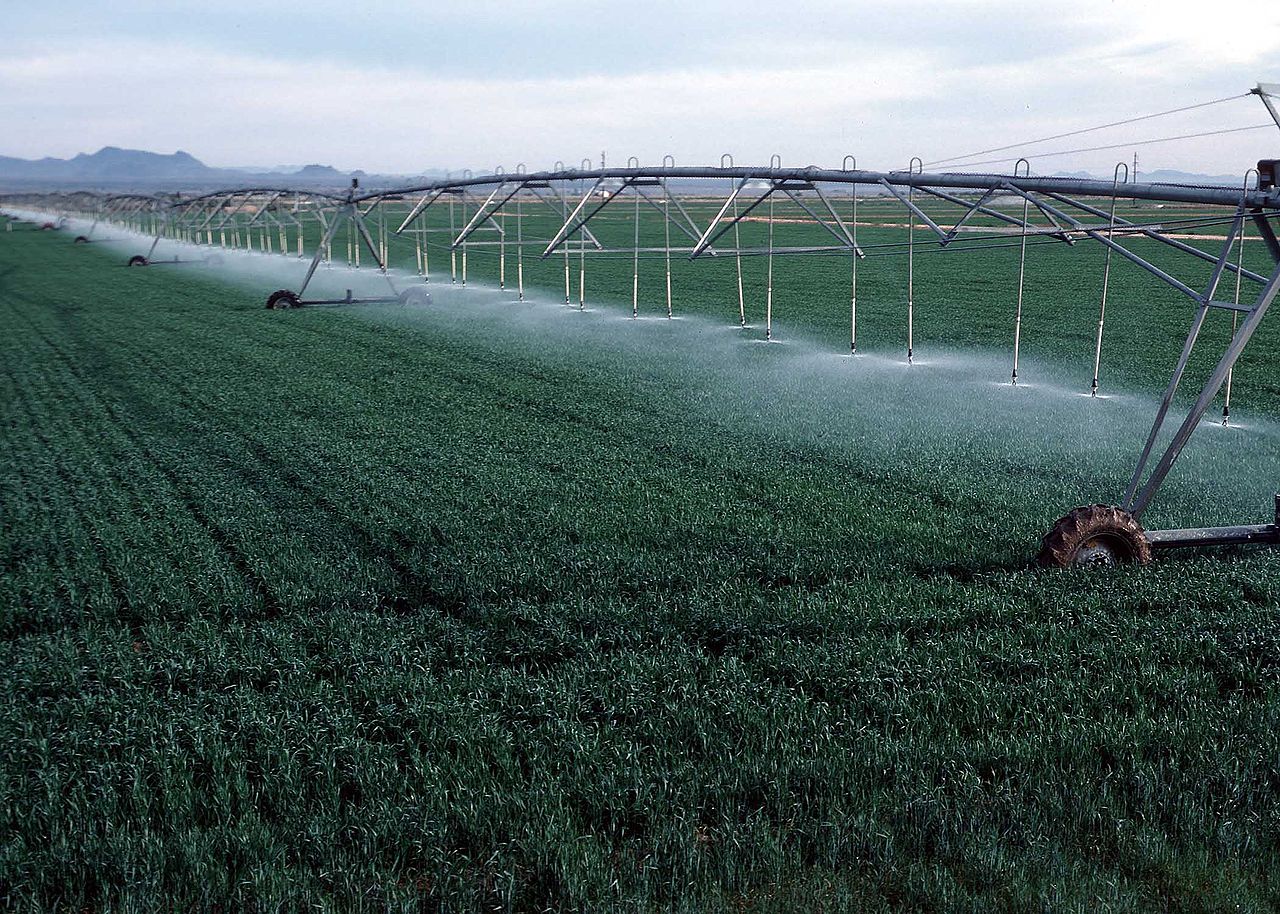
The farm sector is a complex web of tradition and innovation, with a history dating back to the rise of sedentary human civilization. Agriculture is the practice of cultivating the soil, planting, raising, and harvesting both food and non-food crops, as well as livestock production. Broader definitions also include Forestry and Aquaculture. The farm sector has undergone significant changes over the years, with the development of new technologies and practices. For example, the use of Precision Agriculture has improved crop yields and reduced waste. However, the sector still faces challenges such as Climate Change and Water Scarcity.
🌿 History of Agriculture
The history of Agriculture dates back to the rise of sedentary human civilization, whereby farming of domesticated plants and animals created food surpluses that enabled people to live in the cities. Humans started gathering grains at least 105,000 years ago, but nascent farmers only began planting them around 11,500 years ago. Sheep farming, Goat farming, Pig farming, and Cattle farming were domesticated around 10,000 years ago. Plants were independently cultivated in at least 11 regions of the world. The development of Irrigation Systems and Fertilizers has also played a significant role in the history of agriculture.
🐄 Livestock Production
Livestock production is an essential part of the farm sector, with Cattle farming, Pork production, and Poultry farming being some of the most common types of livestock production. The use of Vaccines and Antibiotics has improved the health and productivity of livestock. However, the sector still faces challenges such as Animal welfare and Environmental impact. For example, the use of Factory farming has been criticized for its negative impact on animal welfare and the environment. In contrast, Regenerative agriculture has been shown to improve soil health and biodiversity.
🌻 Crop Cultivation
Crop cultivation is another critical aspect of the farm sector, with Corn production, Soybean production, and Wheat production being some of the most common types of crops. The use of Genetically modified crops has improved crop yields and resistance to pests and diseases. However, the sector still faces challenges such as Pesticide use and Fertilizer use. For example, the use of Organic farming has been shown to reduce the use of pesticides and fertilizers. In addition, Agroforestry has been shown to improve soil health and biodiversity.
🌴 Forestry and Aquaculture
Forestry and aquaculture are also important components of the farm sector, with Forest management and Fish farming being some of the most common types of forestry and aquaculture. The use of Sustainable forestry practices has improved the health and productivity of forests. However, the sector still faces challenges such as Deforestation and Overfishing. For example, the use of Marine protected areas has been shown to improve the health of marine ecosystems. In addition, Permaculture has been shown to improve soil health and biodiversity.
🏙️ Impact on Human Civilization
The farm sector has had a significant impact on human civilization, with the development of agriculture enabling people to live in cities. The use of Irrigation systems and Fertilizers has improved crop yields and reduced waste. However, the sector still faces challenges such as Urbanization and Climate change. For example, the use of Vertical farming has been shown to improve crop yields and reduce waste in urban areas. In addition, Agricultural extension has been shown to improve the productivity and profitability of small-scale farmers.
📈 Industrial Agriculture
Industrial agriculture based on large-scale monocultures came to dominate agricultural output in the 20th century. The use of Tractors and Combine harvesters has improved the efficiency and productivity of farming. However, the sector still faces challenges such as Environmental degradation and Social injustice. For example, the use of Agrochemicals has been criticized for its negative impact on the environment and human health. In contrast, Regenerative agriculture has been shown to improve soil health and biodiversity.
🌱 Sustainable Farming Practices
Sustainable farming practices are becoming increasingly important in the farm sector, with the use of Organic farming and Permaculture being some of the most common types of sustainable farming practices. The use of Cover crops and Crop rotation has improved soil health and reduced waste. However, the sector still faces challenges such as Climate change and Water scarcity. For example, the use of Drought tolerant crops has been shown to improve crop yields and reduce waste in areas with limited water resources. In addition, Agroforestry has been shown to improve soil health and biodiversity.
🌿 Organic Farming
Organic farming is a type of sustainable farming practice that avoids the use of Synthetic fertilizers and Pesticides. The use of Compost and Manure has improved soil health and reduced waste. However, the sector still faces challenges such as Higher production costs and Limited market access. For example, the use of Organic certification has been shown to improve market access and profitability for organic farmers. In addition, Community supported agriculture has been shown to improve the productivity and profitability of small-scale farmers.
🤝 Farming Communities
Farming communities are an essential part of the farm sector, with Farmers markets and Community supported agriculture being some of the most common types of farming communities. The use of Social media has improved communication and collaboration among farmers. However, the sector still faces challenges such as Social isolation and Limited access to resources. For example, the use of Cooperatives has been shown to improve access to resources and markets for small-scale farmers. In addition, Extension services have been shown to improve the productivity and profitability of small-scale farmers.
📊 Economic Impact of the Farm Sector
The economic impact of the farm sector is significant, with Agriculture being one of the largest sectors of the economy. The use of Subsidies and Tax incentives has improved the profitability of farming. However, the sector still faces challenges such as Trade barriers and Market volatility. For example, the use of Trade agreements has been shown to improve market access and reduce trade barriers. In addition, Risk management has been shown to improve the profitability and stability of farming businesses.
🌐 Future of the Farm Sector
The future of the farm sector is uncertain, with Climate change and Technological disruption being some of the most significant challenges facing the sector. The use of Precision agriculture and Artificial intelligence has improved the efficiency and productivity of farming. However, the sector still faces challenges such as Job displacement and Social injustice. For example, the use of Agricultural education has been shown to improve the skills and knowledge of farmers. In addition, Policy reform has been shown to improve the sustainability and equity of the farm sector.
Key Facts
- Year
- 2022
- Origin
- Vibepedia
- Category
- Agriculture
- Type
- Industry
Frequently Asked Questions
What is the history of agriculture?
The history of Agriculture dates back to the rise of sedentary human civilization, whereby farming of domesticated plants and animals created food surpluses that enabled people to live in cities. Humans started gathering grains at least 105,000 years ago, but nascent farmers only began planting them around 11,500 years ago. Sheep farming, Goat farming, Pig farming, and Cattle farming were domesticated around 10,000 years ago.
What are the benefits of sustainable farming practices?
Sustainable farming practices such as Organic farming and Permaculture have been shown to improve soil health, reduce waste, and promote biodiversity. They also improve the productivity and profitability of small-scale farmers and promote social justice and equity.
What is the impact of climate change on the farm sector?
Climate change is having a significant impact on the farm sector, with rising temperatures, changing precipitation patterns, and increased frequency of extreme weather events affecting crop yields, livestock productivity, and farmer livelihoods. The use of Drought tolerant crops and Irrigation systems has been shown to improve crop yields and reduce waste in areas with limited water resources.
What is the role of technology in the farm sector?
Technology is playing an increasingly important role in the farm sector, with the use of Precision agriculture, Artificial intelligence, and Drones improving the efficiency and productivity of farming. However, the sector still faces challenges such as Job displacement and Social injustice.
What is the future of the farm sector?
The future of the farm sector is uncertain, with Climate change and Technological disruption being some of the most significant challenges facing the sector. The use of Agricultural education and Policy reform has been shown to improve the sustainability and equity of the farm sector.
What are the benefits of organic farming?
Organic farming has been shown to improve soil health, reduce waste, and promote biodiversity. It also improves the productivity and profitability of small-scale farmers and promotes social justice and equity. However, the sector still faces challenges such as Higher production costs and Limited market access.
What is the role of farming communities in the farm sector?
Farming communities such as Farmers markets and Community supported agriculture play an essential role in the farm sector, promoting social justice and equity, and improving the productivity and profitability of small-scale farmers.