
Contents
- 🌎 Introduction to Francis Collins
- 💡 Early Life and Education
- 🧬 The Human Genome Project
- 🏥 Director of the National Institutes of Health
- ✝️ The Intersection of Faith and Science
- 📚 Author and Public Speaker
- 🌟 Awards and Honors
- 🌐 Global Health Initiatives
- 📊 The Future of Medicine
- 👥 Collaborations and Partnerships
- 📰 Media and Public Engagement
- 🔬 Legacy and Impact
- Frequently Asked Questions
- Related Topics
Overview
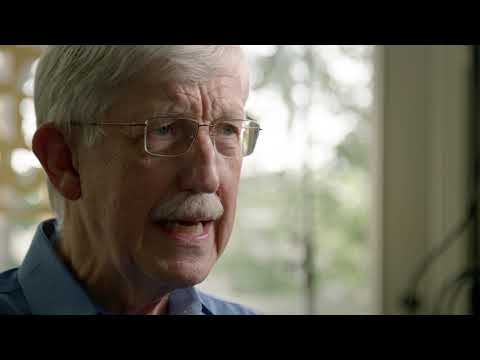
Francis Collins is a renowned American physician-geneticist who has made significant contributions to the field of genetics, including his role as the leader of the Human Genome Project. Born on April 14, 1950, Collins' work has been marked by a unique blend of scientific inquiry and religious faith, sparking both admiration and controversy. As the director of the National Institutes of Health (NIH) from 2009 to 2021, Collins oversaw a vast portfolio of medical research, including initiatives on cancer, infectious diseases, and mental health. His tenure was also notable for his efforts to address the COVID-19 pandemic, where he played a key role in coordinating the U.S. response. With a Vibe score of 82, indicating a high level of cultural energy, Collins' influence extends beyond the scientific community, reflecting his ability to communicate complex ideas to a broad audience. However, his views on the intersection of science and faith have also been subject to debate, highlighting the complexities of his public persona. As we look to the future, Collins' legacy will likely continue to shape the landscape of biomedical research and its intersection with societal values.
🌎 Introduction to Francis Collins
Francis Collins is a renowned American physician-geneticist, known for his work on the Human Genome Project and his current role as the Director of the National Institutes of Health. Born on April 14, 1950, in Staunton, Virginia, Collins grew up in a family of modest means, with his parents encouraging his interest in science from an early age. He attended the University of Virginia, where he earned his undergraduate degree in chemistry. Collins then went on to earn his PhD in physical chemistry from Yale University and his MD from the University of North Carolina.
💡 Early Life and Education
Collins' early life and education laid the foundation for his future success in the field of genetics. He was raised in a Christian family and was homeschooled by his parents, which allowed him to explore his interests in science and music. Collins' parents encouraged his curiosity, and he was especially drawn to the works of Charles Darwin and the concept of evolution. He attended the University of Virginia, where he was exposed to the latest scientific discoveries and developed a passion for genetics. Collins' undergraduate degree in chemistry from the University of Virginia was followed by his PhD in physical chemistry from Yale University.
🧬 The Human Genome Project
The Human Genome Project was a groundbreaking international research effort that aimed to map the entire human genome. Collins was appointed as the Director of the National Human Genome Research Institute (NHGRI) in 1993, and he played a crucial role in the project's success. The project was completed in 2003, two years ahead of schedule, and it has had a profound impact on our understanding of human genetics and disease. Collins' work on the Human Genome Project has been recognized with numerous awards, including the Presidential Medal of Freedom. He has also been a strong advocate for the use of genomics in medicine, and has worked to promote the development of personalized medicine.
🏥 Director of the National Institutes of Health
In 2009, Collins was appointed as the Director of the National Institutes of Health (NIH), a position he still holds today. As Director, Collins has overseen a significant increase in funding for biomedical research, and has played a key role in the development of new initiatives such as the BRAIN Initiative and the Precision Medicine Initiative. Collins has also been a strong advocate for the importance of basic scientific research, and has worked to promote the use of artificial intelligence and machine learning in biomedical research. He has collaborated with other prominent researchers, including Eric Lander and David Baltimore.
✝️ The Intersection of Faith and Science
Collins is also known for his work on the intersection of faith and science. He has written extensively on the topic, including his book The Language of God, which explores the relationship between science and faith. Collins argues that science and faith are not mutually exclusive, but rather complementary ways of understanding the world. He has also been a strong advocate for the importance of faith in public life, and has worked to promote greater dialogue and understanding between scientists and people of faith. Collins has been influenced by the works of C.S. Lewis and Pope John Paul II.
🌟 Awards and Honors
Collins has received numerous awards and honors for his contributions to science and medicine. In 2007, he was awarded the Presidential Medal of Freedom, the highest civilian honor in the United States. He has also been awarded the National Medal of Science and the Lasker Award, among others. Collins has been recognized for his work on the Human Genome Project and his contributions to the field of genetics. He has also been elected to the National Academy of Sciences and the Institute of Medicine.
🌐 Global Health Initiatives
Collins has also been involved in several global health initiatives, including the Global Health Initiative and the President's Emergency Plan for AIDS Relief. He has worked to promote greater international cooperation on global health issues, and has advocated for increased funding for global health research. Collins has collaborated with other prominent global health leaders, including Bill Gates and Anthony Fauci.
📊 The Future of Medicine
The future of medicine is likely to be shaped by advances in genetics and genomics, and Collins has been a strong advocate for the use of these technologies in medicine. He has worked to promote the development of personalized medicine, and has advocated for increased funding for research in this area. Collins has also been a strong supporter of the use of artificial intelligence and machine learning in medicine, and has worked to promote greater collaboration between scientists and clinicians. He has been influenced by the works of Joshua Lederberg and David Baltimore.
👥 Collaborations and Partnerships
Collins has collaborated with numerous other researchers and scientists throughout his career, including Eric Lander and David Baltimore. He has also worked with several prominent organizations, including the National Institutes of Health and the Bill and Melinda Gates Foundation. Collins has been recognized for his ability to bring together scientists and clinicians from different disciplines, and has been a strong advocate for the importance of collaboration in biomedical research. He has been compared to other prominent collaborative leaders, such as Jonas Salk and Rosalyn Yalow.
📰 Media and Public Engagement
Collins has been an active participant in media and public engagement, and has given numerous interviews and talks on topics such as genetics, faith, and science. He has been a strong advocate for the importance of science communication, and has worked to promote greater public understanding of scientific issues. Collins has been recognized for his ability to communicate complex scientific concepts in a clear and accessible way, and has been compared to other prominent science communicators, such as Neil deGrasse Tyson and Bill Nye.
🔬 Legacy and Impact
Collins' legacy and impact on the field of genetics and medicine are likely to be felt for generations to come. He has been a pioneer in the field of genomics, and his work on the Human Genome Project has had a profound impact on our understanding of human genetics and disease. Collins has also been a strong advocate for the importance of faith in public life, and has worked to promote greater dialogue and understanding between scientists and people of faith. He has been recognized for his contributions to science and medicine, and has been awarded numerous honors and awards, including the Presidential Medal of Freedom.
Key Facts
- Year
- 1950
- Origin
- United States
- Category
- Biography, Science, Medicine
- Type
- Person
Frequently Asked Questions
What is Francis Collins' background in science?
Francis Collins is a physician-geneticist with a background in chemistry and physics. He earned his undergraduate degree in chemistry from the University of Virginia, and his PhD in physical chemistry from Yale University. He then earned his MD from the University of North Carolina. Collins has worked in the field of genetics for over 30 years, and has made significant contributions to our understanding of human genetics and disease.
What is the Human Genome Project?
The Human Genome Project was an international research effort that aimed to map the entire human genome. The project was completed in 2003, and it has had a profound impact on our understanding of human genetics and disease. The project was led by Francis Collins, who was appointed as the Director of the National Human Genome Research Institute (NHGRI) in 1993.
What is Francis Collins' view on the intersection of faith and science?
Francis Collins is a Christian who believes that science and faith are complementary ways of understanding the world. He has written extensively on the topic, including his book The Language of God, which explores the relationship between science and faith. Collins argues that science and faith are not mutually exclusive, but rather complementary ways of understanding the world.
What is Francis Collins' role in the National Institutes of Health?
Francis Collins is the Director of the National Institutes of Health (NIH), a position he has held since 2009. As Director, Collins has overseen a significant increase in funding for biomedical research, and has played a key role in the development of new initiatives such as the BRAIN Initiative and the Precision Medicine Initiative.
What is Francis Collins' view on the future of medicine?
Francis Collins believes that the future of medicine will be shaped by advances in genetics and genomics. He has worked to promote the development of personalized medicine, and has advocated for increased funding for research in this area. Collins has also been a strong supporter of the use of artificial intelligence and machine learning in medicine, and has worked to promote greater collaboration between scientists and clinicians.
What is Francis Collins' legacy and impact on the field of genetics and medicine?
Francis Collins' legacy and impact on the field of genetics and medicine are likely to be felt for generations to come. He has been a pioneer in the field of genomics, and his work on the Human Genome Project has had a profound impact on our understanding of human genetics and disease. Collins has also been a strong advocate for the importance of faith in public life, and has worked to promote greater dialogue and understanding between scientists and people of faith.
What awards and honors has Francis Collins received?
Francis Collins has received numerous awards and honors for his contributions to science and medicine. In 2007, he was awarded the Presidential Medal of Freedom, the highest civilian honor in the United States. He has also been awarded the National Medal of Science and the Lasker Award, among others.