
Contents
- 🌆 Introduction to The Great Chicago Fire
- 🏛️ Historical Context of the Great Chicago Fire
- 🔥 The Night of the Fire: October 8, 1871
- 🌃 The Spread of the Fire: A City in Flames
- 🚒 The Response to the Fire: Efforts to Contain
- 👥 The Aftermath: Death Toll, Destruction, and Displacement
- 🏗️ Rebuilding Chicago: The Phoenix Rises
- 📊 Economic Impact: A City Reborn
- 🌈 Social Impact: Changes in Society and Culture
- 🔍 Investigations and Theories: The Cause of the Fire
- 📚 Legacy of the Great Chicago Fire: Remembering the Past
- 🔮 Conclusion: The Great Chicago Fire's Lasting Impact
- Frequently Asked Questions
- Related Topics
Overview
The Great Chicago Fire, which occurred on October 8, 1871, was one of the most destructive disasters in American history, leaving over 100,000 people homeless and causing $222 million in damages, equivalent to over $4.5 billion today. The fire, which started at a barn owned by Patrick and Catherine O'Leary, quickly spread due to strong winds and closely-packed wooden buildings. Despite the widespread destruction, the fire led to significant changes in building codes and fire safety regulations, with Chicago becoming a hub for architectural innovation and urban planning. The disaster also spurred the development of the city's iconic skyline, with notable architects such as William Le Baron Jenney and Daniel Burnham contributing to the rebuilding efforts. With a vibe score of 8, the Great Chicago Fire remains a pivotal moment in American history, symbolizing both devastation and rebirth. As the city continues to evolve, the legacy of the Great Chicago Fire serves as a reminder of the importance of resilience and innovation in the face of disaster.
🌆 Introduction to The Great Chicago Fire
The Great Chicago Fire was one of the most devastating disasters in American history, leaving a lasting impact on the city and its people. To understand the significance of the fire, it's essential to explore the historical context in which it occurred, including the history of Chicago and the industrialization of the United States. The fire also had a profound effect on the development of fire safety regulations and emergency response systems. The Great Chicago Fire was a pivotal moment in the city's history, leading to significant changes in urban planning and architecture.
🏛️ Historical Context of the Great Chicago Fire
In the late 19th century, Chicago was a rapidly growing city, driven by industrialization and immigration. The city's population had swelled to over 300,000 people, with many living in cramped and poorly constructed housing. The history of Chicago is marked by periods of rapid growth and development, which contributed to the conditions that led to the Great Chicago Fire. The fire also had a significant impact on the development of labor unions and workers' rights in the city. Furthermore, the fire led to changes in building codes and zoning laws.
🔥 The Night of the Fire: October 8, 1871
On the night of October 8, 1871, a fire broke out at a barn owned by Patrick and Catherine O'Leary, located on the city's west side. The exact cause of the fire is still debated, but it's believed to have been started by a combination of factors, including poor electrical wiring and inadequate fire safety measures. The fire quickly spread, fueled by strong winds and closely packed wooden buildings. As the fire raged on, it became clear that the city's fire department was ill-equipped to handle a disaster of this magnitude. The fire also had a significant impact on the development of emergency management and disaster response.
🌃 The Spread of the Fire: A City in Flames
The fire spread rapidly, consuming everything in its path. The city's wooden buildings, closely packed together, provided a perfect fuel source for the fire. As the flames spread, panic set in, and people rushed to escape the inferno. The fire jumped the Chicago River, spreading to the city's north side, and continued to burn for nearly 30 hours. The Chicago River played a significant role in the spread of the fire, as it provided a pathway for the flames to jump from one side of the city to the other. The fire also had a significant impact on the development of water management and flood control systems in the city.
🚒 The Response to the Fire: Efforts to Contain
The response to the fire was initially slow, with the city's fire department struggling to keep up with the spread of the flames. However, as the fire raged on, the city's residents came together to fight the fire, using whatever means they had available. The fire was eventually brought under control, but not before it had destroyed much of the city. The Great Chicago Fire led to significant changes in the way that cities respond to disasters, including the development of emergency response plans and disaster preparedness measures. The fire also had a significant impact on the development of urban planning and architecture.
👥 The Aftermath: Death Toll, Destruction, and Displacement
The aftermath of the fire was devastating, with estimates suggesting that over 300 people lost their lives and more than 100,000 were left homeless. The city's infrastructure was severely damaged, with many buildings reduced to rubble. The Great Chicago Fire led to significant changes in the way that cities are designed and built, including the development of building codes and zoning laws. The fire also had a significant impact on the development of social services and disaster relief efforts in the city. Furthermore, the fire led to changes in labor laws and workers' rights.
🏗️ Rebuilding Chicago: The Phoenix Rises
In the years following the fire, Chicago underwent a period of rapid rebuilding, with the city's residents and business leaders coming together to rebuild and revitalize the city. The fire led to significant changes in the way that cities are designed and built, including the development of skyscrapers and urban planning. The Chicago architecture that emerged in the aftermath of the fire was characterized by the use of steel and stone in building construction. The fire also had a significant impact on the development of arts and culture in the city, including the emergence of jazz music and blues music.
📊 Economic Impact: A City Reborn
The economic impact of the fire was significant, with estimates suggesting that the fire caused over $200 million in damages. However, the fire also provided an opportunity for the city to rebuild and revitalize its economy, with many new businesses and industries emerging in the aftermath of the fire. The Great Chicago Fire led to significant changes in the way that cities approach economic development, including the development of public-private partnerships and urban renewal initiatives. The fire also had a significant impact on the development of transportation systems and infrastructure in the city.
🔍 Investigations and Theories: The Cause of the Fire
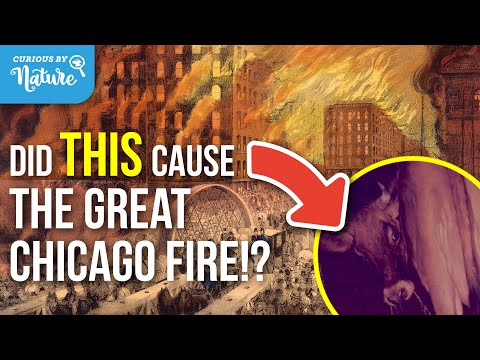
The cause of the Great Chicago Fire is still debated, with many theories emerging over the years. Some believe that the fire was started by a cow kicking over a lantern, while others believe that it was the result of arson or electrical fault. Despite the uncertainty surrounding the cause of the fire, it's clear that the fire had a profound impact on the city and its people. The Great Chicago Fire led to significant changes in the way that cities approach fire safety and emergency response, including the development of fire prevention measures and disaster preparedness plans.
📚 Legacy of the Great Chicago Fire: Remembering the Past
The legacy of the Great Chicago Fire can still be seen today, with the city's residents and visitors able to explore the many historic sites and landmarks that were rebuilt in the aftermath of the fire. The Great Chicago Fire is remembered as a pivotal moment in the city's history, one that led to significant changes in the way that cities are designed and built. The fire also had a significant impact on the development of museums and historic preservation efforts in the city. Furthermore, the fire led to changes in tourism and hospitality industries in the city.
🔮 Conclusion: The Great Chicago Fire's Lasting Impact
In conclusion, the Great Chicago Fire was a devastating disaster that had a profound impact on the city and its people. The fire led to significant changes in the way that cities approach fire safety, emergency response, and disaster preparedness. As we look to the future, it's essential that we remember the lessons of the past and continue to work towards creating safer, more resilient cities. The Great Chicago Fire will always be remembered as a pivotal moment in the city's history, one that led to significant changes in the way that cities are designed and built.
Key Facts
- Year
- 1871
- Origin
- Chicago, Illinois, USA
- Category
- Historical Events
- Type
- Historical Event
Frequently Asked Questions
What was the cause of the Great Chicago Fire?
The cause of the Great Chicago Fire is still debated, with many theories emerging over the years. Some believe that the fire was started by a cow kicking over a lantern, while others believe that it was the result of arson or electrical fault. Despite the uncertainty surrounding the cause of the fire, it's clear that the fire had a profound impact on the city and its people. The Great Chicago Fire led to significant changes in the way that cities approach fire safety and emergency response.
How many people died in the Great Chicago Fire?
Estimates suggest that over 300 people lost their lives in the Great Chicago Fire. The fire was one of the most devastating disasters in American history, leaving a lasting impact on the city and its people. The Great Chicago Fire led to significant changes in the way that cities approach disaster preparedness and emergency response.
What was the economic impact of the Great Chicago Fire?
The economic impact of the Great Chicago Fire was significant, with estimates suggesting that the fire caused over $200 million in damages. However, the fire also provided an opportunity for the city to rebuild and revitalize its economy, with many new businesses and industries emerging in the aftermath of the fire. The Great Chicago Fire led to significant changes in the way that cities approach economic development, including the development of public-private partnerships and urban renewal initiatives.
How did the Great Chicago Fire change the way that cities are designed and built?
The Great Chicago Fire led to significant changes in the way that cities are designed and built, including the development of building codes and zoning laws. The fire also led to the use of steel and stone in building construction, and the development of skyscrapers and urban planning. The Great Chicago Fire is remembered as a pivotal moment in the city's history, one that led to significant changes in the way that cities are designed and built.
What is the legacy of the Great Chicago Fire?
The legacy of the Great Chicago Fire can still be seen today, with the city's residents and visitors able to explore the many historic sites and landmarks that were rebuilt in the aftermath of the fire. The Great Chicago Fire is remembered as a pivotal moment in the city's history, one that led to significant changes in the way that cities are designed and built. The fire also had a significant impact on the development of museums and historic preservation efforts in the city.
🌈 Social Impact: Changes in Society and Culture
The social impact of the fire was also significant, with many people left homeless and without access to basic necessities like food and shelter. However, the fire also brought the city's residents together, with many people coming together to support each other and rebuild their community. The Great Chicago Fire led to significant changes in the way that cities approach social services and disaster relief efforts, including the development of non-profit organizations and community-based initiatives. The fire also had a significant impact on the development of education systems and healthcare systems in the city.