
Contents
- 🏥 Introduction to Healthcare Teams
- 📈 The History of Healthcare Teams
- 👥 The Role of Interprofessional Collaboration
- 💻 The Impact of Technology on Healthcare Teams
- 📊 The Benefits of Effective Healthcare Teams
- 🚨 Challenges Faced by Healthcare Teams
- 🎯 Strategies for Building High-Performing Teams
- 📚 Education and Training for Healthcare Teams
- 👫 The Importance of Communication in Healthcare Teams
- 💸 The Economic Benefits of Healthcare Teams
- 🔮 The Future of Healthcare Teams
- Frequently Asked Questions
- Related Topics
Overview
Healthcare teams have undergone significant transformations over the years, shifting from traditional, siloed approaches to more collaborative, patient-centered models. The rise of interdisciplinary teams, comprising professionals from diverse backgrounds, has improved patient outcomes and enhanced the overall quality of care. According to a study published in the Journal of the American Medical Association (JAMA), teams that adopt a collaborative approach experience a 15% reduction in hospital readmissions and a 20% decrease in medical errors. However, the implementation of effective healthcare teams is often hindered by barriers such as inadequate communication, lack of standardization, and insufficient training. As the healthcare landscape continues to evolve, the development of high-performing teams will be crucial in addressing the complex needs of patients and improving the overall efficiency of the healthcare system. With the incorporation of emerging technologies, such as artificial intelligence and telemedicine, the future of healthcare teams is poised to become even more dynamic and patient-centric, with a projected 30% increase in remote patient monitoring by 2025.
🏥 Introduction to Healthcare Teams
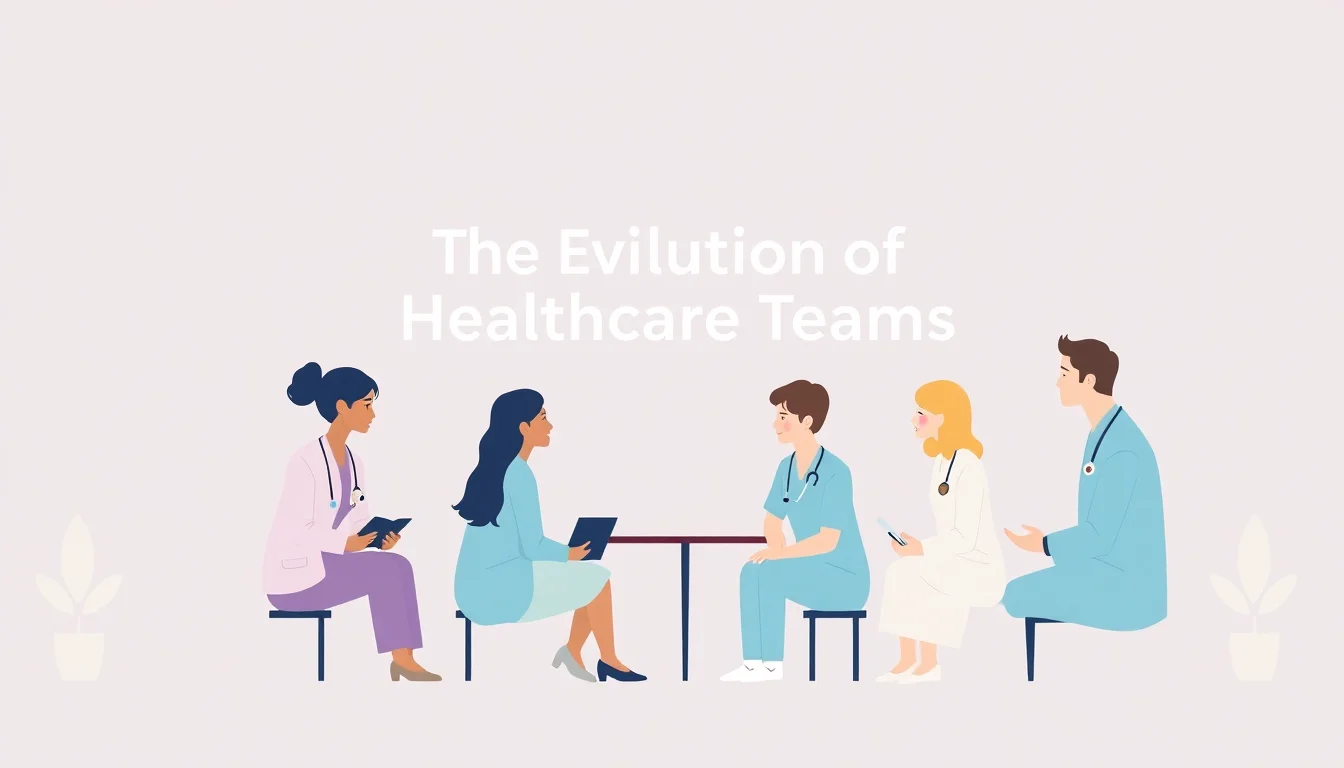
The evolution of healthcare teams has been a significant aspect of the healthcare industry's transformation over the years. With the increasing complexity of patient care, the need for a collaborative approach has become more pronounced. Healthcare management teams now comprise a diverse range of professionals, including doctors, nurses, therapists, and administrators, all working together to provide comprehensive care. The patient-centered care approach has been instrumental in shaping the modern healthcare team. As the healthcare landscape continues to shift, the role of healthcare policy in influencing team dynamics cannot be overstated.
📈 The History of Healthcare Teams
The history of healthcare teams dates back to the early 20th century, when the first nursing teams were formed. Over the years, the composition and function of these teams have undergone significant changes. The introduction of the primary care model in the 1960s marked a significant shift towards a more collaborative approach. The Institute of Medicine has played a crucial role in promoting interprofessional collaboration and quality improvement initiatives. As the healthcare industry continues to evolve, it is essential to understand the historical context of healthcare teams and their development over time. The World Health Organization has also been instrumental in shaping global healthcare policies and guidelines.
👥 The Role of Interprofessional Collaboration
Interprofessional collaboration is a critical component of effective healthcare teams. When different professionals work together, they bring unique perspectives and skills to the table, ultimately leading to better patient outcomes. Team-based care models have been shown to improve patient satisfaction and reduce medical errors. The American Medical Association has emphasized the importance of interprofessional collaboration in its medical education initiatives. Furthermore, the National Institutes of Health have funded research studies to explore the impact of interprofessional collaboration on healthcare outcomes.
💻 The Impact of Technology on Healthcare Teams
The advent of technology has revolutionized the way healthcare teams function. Electronic health records (EHRs) have improved data management and facilitated communication among team members. Telemedicine has expanded access to care, particularly for rural and underserved populations. The health information management profession has played a vital role in ensuring the secure and efficient exchange of health information. Moreover, the use of artificial intelligence and machine learning algorithms has enhanced clinical decision support systems. The American Nurses Association has developed guidelines for the use of technology in nursing practice.
📊 The Benefits of Effective Healthcare Teams
Effective healthcare teams have numerous benefits, including improved patient outcomes, increased patient engagement, and enhanced care coordination. Studies have shown that high-performing teams are associated with lower hospital readmission rates and improved quality of care. The Agency for Healthcare Research and Quality has developed tools and resources to support the development of effective healthcare teams. Additionally, the Centers for Medicare and Medicaid Services have implemented policies to promote value-based care and population health initiatives.
🚨 Challenges Faced by Healthcare Teams
Despite the benefits of healthcare teams, several challenges persist. Communication breakdown among team members can lead to medical errors and adverse events. The Institute for Safe Medicine Practice has identified strategies to mitigate communication errors. Furthermore, the American Hospital Association has emphasized the importance of addressing burnout and compassion fatigue among healthcare professionals. The National Academy of Medicine has also launched initiatives to promote wellness and resilience among healthcare teams.
🎯 Strategies for Building High-Performing Teams
Building high-performing teams requires a strategic approach. Team-building activities, leadership development programs, and conflict resolution training can help foster a positive team culture. The American College of Physicians has developed guidelines for team-based care and care coordination. Moreover, the Institute for Healthcare Improvement has launched initiatives to promote quality improvement and patient safety. The Healthcare Information and Management Systems Society has also developed resources to support the implementation of health information technology.
📚 Education and Training for Healthcare Teams
Education and training are essential for healthcare teams to provide high-quality care. Interprofessional education programs have been shown to improve collaboration and communication among team members. The National League for Nursing has developed curricula and resources to support interprofessional education. Furthermore, the American Association of Colleges of Nursing has emphasized the importance of nursing education in preparing the next generation of healthcare professionals. The Association of American Medical Colleges has also developed guidelines for medical education and graduate medical education.
👫 The Importance of Communication in Healthcare Teams
Communication is the foundation of effective healthcare teams. Effective communication among team members can prevent medical errors and improve patient outcomes. The Joint Commission has identified strategies to improve communication in healthcare settings. Moreover, the Institute for Healthcare Communication has developed resources to support healthcare communication. The American Speech-Language-Hearing Association has also emphasized the importance of communication disorders in healthcare settings.
💸 The Economic Benefits of Healthcare Teams
The economic benefits of healthcare teams are significant. Cost-effectiveness analyses have shown that team-based care models can reduce healthcare costs and improve patient outcomes. The Congressional Budget Office has estimated the cost savings associated with team-based care. Furthermore, the Medicare Payment Advisory Commission has recommended policies to promote value-based care and population health initiatives. The National Institutes of Health have also funded research studies to explore the economic benefits of healthcare teams.
🔮 The Future of Healthcare Teams
The future of healthcare teams will be shaped by emerging trends and technologies. Artificial intelligence and machine learning will continue to enhance clinical decision support systems. The American Medical Informatics Association has developed guidelines for the use of artificial intelligence in healthcare. Moreover, the Healthcare Information and Management Systems Society has emphasized the importance of health information technology in supporting healthcare teams. The National Academy of Medicine has also launched initiatives to promote interprofessional collaboration and team-based care in the future.
Key Facts
- Year
- 2022
- Origin
- Institute of Medicine (now National Academy of Medicine)
- Category
- Healthcare
- Type
- Concept
Frequently Asked Questions
What is the role of interprofessional collaboration in healthcare teams?
Interprofessional collaboration is a critical component of effective healthcare teams. When different professionals work together, they bring unique perspectives and skills to the table, ultimately leading to better patient outcomes. Team-based care models have been shown to improve patient satisfaction and reduce medical errors. The American Medical Association has emphasized the importance of interprofessional collaboration in its medical education initiatives.
How has technology impacted healthcare teams?
The advent of technology has revolutionized the way healthcare teams function. Electronic health records have improved data management and facilitated communication among team members. Telemedicine has expanded access to care, particularly for rural and underserved populations. The use of artificial intelligence and machine learning algorithms has enhanced clinical decision support systems.
What are the benefits of effective healthcare teams?
Effective healthcare teams have numerous benefits, including improved patient outcomes, increased patient engagement, and enhanced care coordination. Studies have shown that high-performing teams are associated with lower hospital readmission rates and improved quality of care. The Agency for Healthcare Research and Quality has developed tools and resources to support the development of effective healthcare teams.
What challenges do healthcare teams face?
Despite the benefits of healthcare teams, several challenges persist. Communication breakdown among team members can lead to medical errors and adverse events. The Institute for Safe Medicine Practice has identified strategies to mitigate communication errors. Furthermore, the American Hospital Association has emphasized the importance of addressing burnout and compassion fatigue among healthcare professionals.
How can healthcare teams be built and maintained?
Building high-performing teams requires a strategic approach. Team-building activities, leadership development programs, and conflict resolution training can help foster a positive team culture. The American College of Physicians has developed guidelines for team-based care and care coordination. Moreover, the Institute for Healthcare Improvement has launched initiatives to promote quality improvement and patient safety.
What is the future of healthcare teams?
The future of healthcare teams will be shaped by emerging trends and technologies. Artificial intelligence and machine learning will continue to enhance clinical decision support systems. The American Medical Informatics Association has developed guidelines for the use of artificial intelligence in healthcare. Moreover, the Healthcare Information and Management Systems Society has emphasized the importance of health information technology in supporting healthcare teams.
How can education and training support healthcare teams?
Education and training are essential for healthcare teams to provide high-quality care. Interprofessional education programs have been shown to improve collaboration and communication among team members. The National League for Nursing has developed curricula and resources to support interprofessional education. Furthermore, the American Association of Colleges of Nursing has emphasized the importance of nursing education in preparing the next generation of healthcare professionals.