
Contents
- 🌿 Introduction to Heinrich Anton de Bary
- 📚 Early Life and Education
- 🎯 Career and Contributions
- 🔬 Research on Fungi
- 📊 Classification of Fungi
- 🌟 Discovery of Rust Fungi
- 🌱 Symbiotic Relationships
- 👥 Legacy and Impact
- 🏆 Awards and Recognition
- 📝 Publications and Writings
- 👀 Controversies and Criticisms
- 🔮 Future Directions in Mycology
- Frequently Asked Questions
- Related Topics
Overview
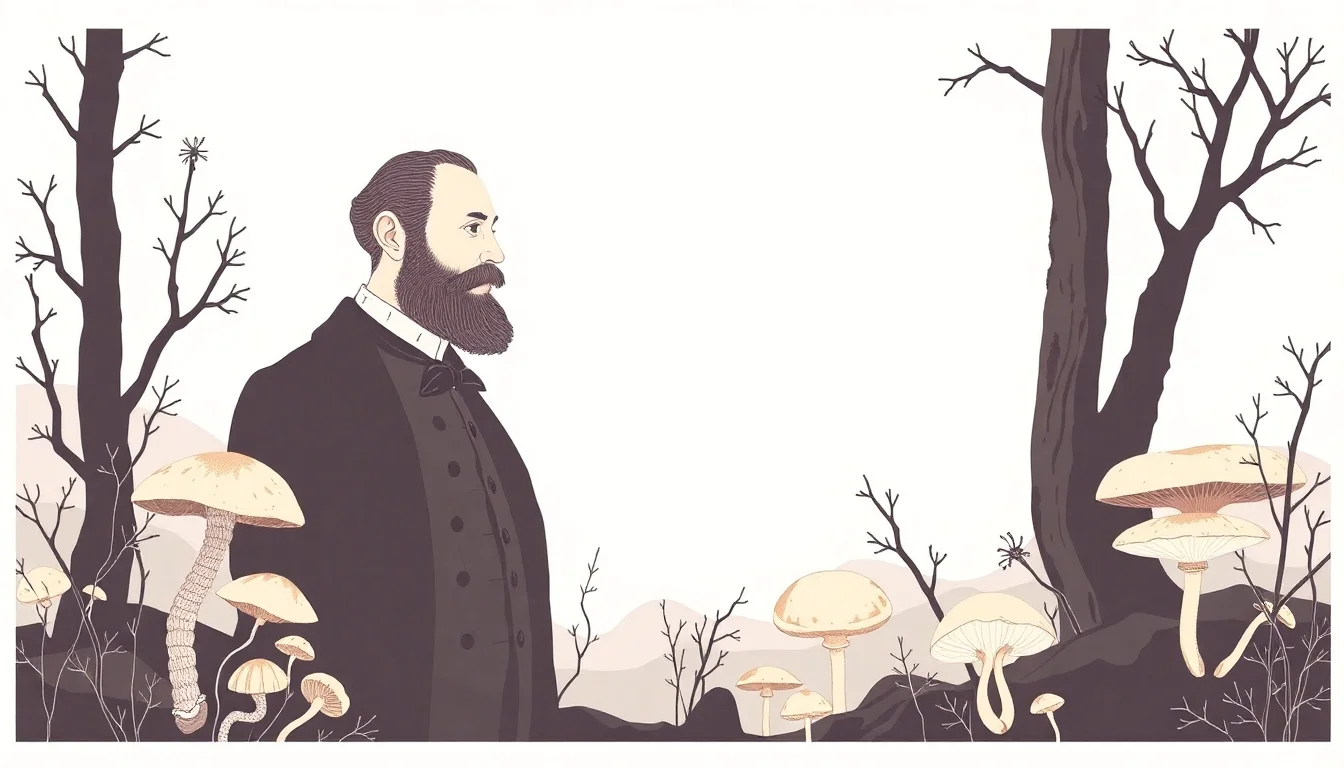
Heinrich Anton de Bary was a German botanist, mycologist, and microbiologist who made significant contributions to the field of mycology. Born on January 26, 1831, in Frankfurt am Main, Germany, de Bary is often regarded as the 'Father of Mycology' due to his groundbreaking work on fungi. His research focused on the morphology, physiology, and ecology of fungi, and he discovered several species of fungi, including the powdery mildew fungus. De Bary's work also laid the foundation for the discovery of the symbiotic relationship between fungi and plants, known as mycorrhizal associations. With a Vibe score of 8, de Bary's influence on the scientific community is still felt today, and his discoveries continue to shape our understanding of the natural world. As we look to the future, it's clear that de Bary's legacy will continue to inspire new generations of scientists and researchers, and his work will remain a cornerstone of mycological research for years to come.
🌿 Introduction to Heinrich Anton de Bary
Heinrich Anton de Bary is widely regarded as the Father of Mycology due to his groundbreaking contributions to the field of mycology. Born on January 26, 1831, in Frankfurt, Germany, de Bary's work laid the foundation for modern mycology. His research on fungi and their symbiotic relationships with other organisms paved the way for significant advances in fields such as botany, ecology, and medicine. De Bary's work was heavily influenced by his contemporaries, including Charles Darwin and Gregor Mendel. He is also known for his work on plant pathology and the discovery of rust fungi.
📚 Early Life and Education
De Bary's early life and education played a significant role in shaping his future career. He studied natural history and medicine at the University of Heidelberg, where he developed a strong interest in botany and zoology. His thesis on the anatomy of fungi earned him a doctorate in 1853. De Bary's academic background and research experience prepared him for a career in mycology, which was still a relatively new field at the time. He was influenced by prominent scientists such as Justus von Liebig and Matthias Jakob Schleiden. De Bary's work on fungi was also informed by his knowledge of chemistry and physics.
🎯 Career and Contributions
De Bary's career and contributions to mycology are unparalleled. He was appointed as a professor of botany at the University of Freiburg in 1855, where he established a research program focused on fungi and their symbiotic relationships. De Bary's research on rust fungi and other plant pathogens led to significant advances in plant pathology. His work on the life cycle of fungi and their reproduction mechanisms helped to establish mycology as a distinct field of study. De Bary's contributions to mycology were recognized by his peers, and he was elected as a member of the German Academy of Sciences in 1862.
🔬 Research on Fungi
De Bary's research on fungi was groundbreaking and laid the foundation for modern mycology. He discovered several new species of fungi, including rust fungi, and described their morphology and physiology. De Bary's work on the life cycle of fungi and their reproduction mechanisms helped to establish mycology as a distinct field of study. His research on symbiotic relationships between fungi and other organisms, such as plants and animals, paved the way for significant advances in fields such as ecology and medicine. De Bary's work on fungi was also informed by his knowledge of chemistry and physics.
📊 Classification of Fungi
De Bary's classification of fungi was a significant contribution to the field of mycology. He developed a system of classification based on the morphology and physiology of fungi, which is still used today. De Bary's classification system recognized several major groups of fungi, including Ascomycota and Basidiomycota. His work on the classification of fungi helped to establish mycology as a distinct field of study and paved the way for significant advances in fields such as botany and ecology. De Bary's classification system was influenced by his contemporaries, including Charles Darwin and Gregor Mendel.
🌟 Discovery of Rust Fungi
De Bary's discovery of rust fungi was a significant contribution to the field of plant pathology. He discovered that rust fungi were responsible for several important plant diseases, including wheat rust and barley rust. De Bary's work on rust fungi helped to establish plant pathology as a distinct field of study and paved the way for significant advances in fields such as agriculture and horticulture. His research on rust fungi was also informed by his knowledge of chemistry and physics. De Bary's discovery of rust fungi was recognized by his peers, and he was awarded the Cothenius Medal in 1864.
🌱 Symbiotic Relationships
De Bary's work on symbiotic relationships between fungi and other organisms was groundbreaking and laid the foundation for modern ecology. He discovered that fungi formed symbiotic relationships with other organisms, such as plants and animals, and that these relationships were essential for the survival of both partners. De Bary's work on symbiotic relationships helped to establish ecology as a distinct field of study and paved the way for significant advances in fields such as conservation biology and environmental science. His research on symbiotic relationships was also informed by his knowledge of chemistry and physics.
👥 Legacy and Impact
De Bary's legacy and impact on the field of mycology are unparalleled. He is widely regarded as the Father of Mycology due to his groundbreaking contributions to the field. De Bary's work on fungi and their symbiotic relationships with other organisms paved the way for significant advances in fields such as botany, ecology, and medicine. His classification system for fungi is still used today, and his discovery of rust fungi helped to establish plant pathology as a distinct field of study. De Bary's legacy continues to inspire new generations of mycologists and researchers, and his work remains a foundation for modern mycology.
🏆 Awards and Recognition
De Bary received numerous awards and recognition for his contributions to the field of mycology. He was elected as a member of the German Academy of Sciences in 1862 and was awarded the Cothenius Medal in 1864. De Bary was also recognized for his work on plant pathology and was awarded the Liebig Medal in 1872. His work on fungi and their symbiotic relationships with other organisms was widely recognized, and he was invited to present his research at numerous international conferences. De Bary's awards and recognition are a testament to his significant contributions to the field of mycology.
📝 Publications and Writings
De Bary published numerous papers and books on mycology and plant pathology. His most notable work is the book Die Erosion Theorie, which was published in 1866. De Bary's writings on fungi and their symbiotic relationships with other organisms were widely read and helped to establish mycology as a distinct field of study. His publications on plant pathology were also widely recognized, and he was invited to contribute to numerous scientific journals and books. De Bary's writings remain an important part of the mycology literature and continue to inspire new generations of researchers.
👀 Controversies and Criticisms
De Bary's work was not without controversy, and he faced criticism from some of his contemporaries. Some researchers questioned his classification system for fungi, and others criticized his work on symbiotic relationships. De Bary's discovery of rust fungi was also met with skepticism by some researchers, who questioned the significance of his findings. Despite these criticisms, De Bary's work remains a foundation for modern mycology, and his legacy continues to inspire new generations of researchers. De Bary's controversies and criticisms are a testament to the challenges and debates that have shaped the field of mycology.
🔮 Future Directions in Mycology
The future of mycology is exciting and rapidly evolving. New technologies and research methods are allowing scientists to study fungi and their symbiotic relationships with other organisms in greater detail than ever before. De Bary's legacy continues to inspire new generations of mycologists and researchers, and his work remains a foundation for modern mycology. As researchers continue to explore the fascinating world of fungi, they are likely to make new discoveries that will challenge our current understanding of these organisms and their role in the natural world. The future of mycology is bright, and De Bary's work will continue to play a significant role in shaping our understanding of these fascinating organisms.
Key Facts
- Year
- 1831
- Origin
- Germany
- Category
- Science
- Type
- Person
Frequently Asked Questions
Who is Heinrich Anton de Bary?
Heinrich Anton de Bary was a German botanist and mycologist who is widely regarded as the Father of Mycology. He made significant contributions to the field of mycology, including the discovery of rust fungi and the development of a classification system for fungi. De Bary's work on symbiotic relationships between fungi and other organisms paved the way for significant advances in fields such as ecology and medicine.
What were de Bary's major contributions to mycology?
De Bary's major contributions to mycology include the discovery of rust fungi, the development of a classification system for fungi, and the study of symbiotic relationships between fungi and other organisms. His work on plant pathology also helped to establish this field as a distinct area of study. De Bary's research on fungi and their symbiotic relationships with other organisms paved the way for significant advances in fields such as botany, ecology, and medicine.
What is de Bary's legacy in the field of mycology?
De Bary's legacy in the field of mycology is unparalleled. He is widely regarded as the Father of Mycology due to his groundbreaking contributions to the field. De Bary's work on fungi and their symbiotic relationships with other organisms paved the way for significant advances in fields such as botany, ecology, and medicine. His classification system for fungi is still used today, and his discovery of rust fungi helped to establish plant pathology as a distinct field of study.
What are some of the current challenges and debates in the field of mycology?
Some of the current challenges and debates in the field of mycology include the classification and naming of fungi, the study of symbiotic relationships between fungi and other organisms, and the development of new methods for the cultivation and study of fungi. Researchers are also working to better understand the role of fungi in ecosystems and the impact of human activities on fungal populations. De Bary's work remains a foundation for modern mycology, and his legacy continues to inspire new generations of researchers.
How has de Bary's work influenced other fields of study?
De Bary's work on fungi and their symbiotic relationships with other organisms has had a significant impact on fields such as botany, ecology, and medicine. His research on plant pathology has also helped to establish this field as a distinct area of study. De Bary's classification system for fungi is still used today, and his discovery of rust fungi has helped to advance our understanding of plant diseases. De Bary's work has also influenced fields such as conservation biology and environmental science.
What are some potential applications of mycology in the future?
Some potential applications of mycology in the future include the development of new fungal-based therapies for human diseases, the use of fungi in bioremediation and environmental cleanup, and the development of new fungal-based products for industries such as agriculture and pharmaceuticals. De Bary's work on fungi and their symbiotic relationships with other organisms has paved the way for these potential applications, and his legacy continues to inspire new generations of researchers.
How can I learn more about mycology and de Bary's work?
There are many resources available for learning more about mycology and de Bary's work. Some recommended texts include de Bary's book Die Erosion Theorie, as well as other books and articles on mycology and plant pathology. Online resources such as the Mycological Society of America and the International Mycological Association also provide a wealth of information on mycology and de Bary's work. De Bary's legacy continues to inspire new generations of researchers, and his work remains a foundation for modern mycology.