
Contents
- 🌳 Introduction to Human Wildlife Conflict
- 🐯 Causes of Human Wildlife Conflict
- 🌴 Impact on Biodiversity and Ecosystems
- 🏠 Human Settlements and Land Use Changes
- 🐻 Wildlife Habitat Fragmentation and Loss
- 🌾 Competition for Resources and Food Security
- 🚨 Conflict Mitigation and Management Strategies
- 🌈 Community-Based Conservation Initiatives
- 📊 Economic Impacts of Human Wildlife Conflict
- 👥 International Cooperation and Policy Frameworks
- 🔍 Research and Monitoring of Human Wildlife Conflict
- Frequently Asked Questions
- Related Topics
Overview
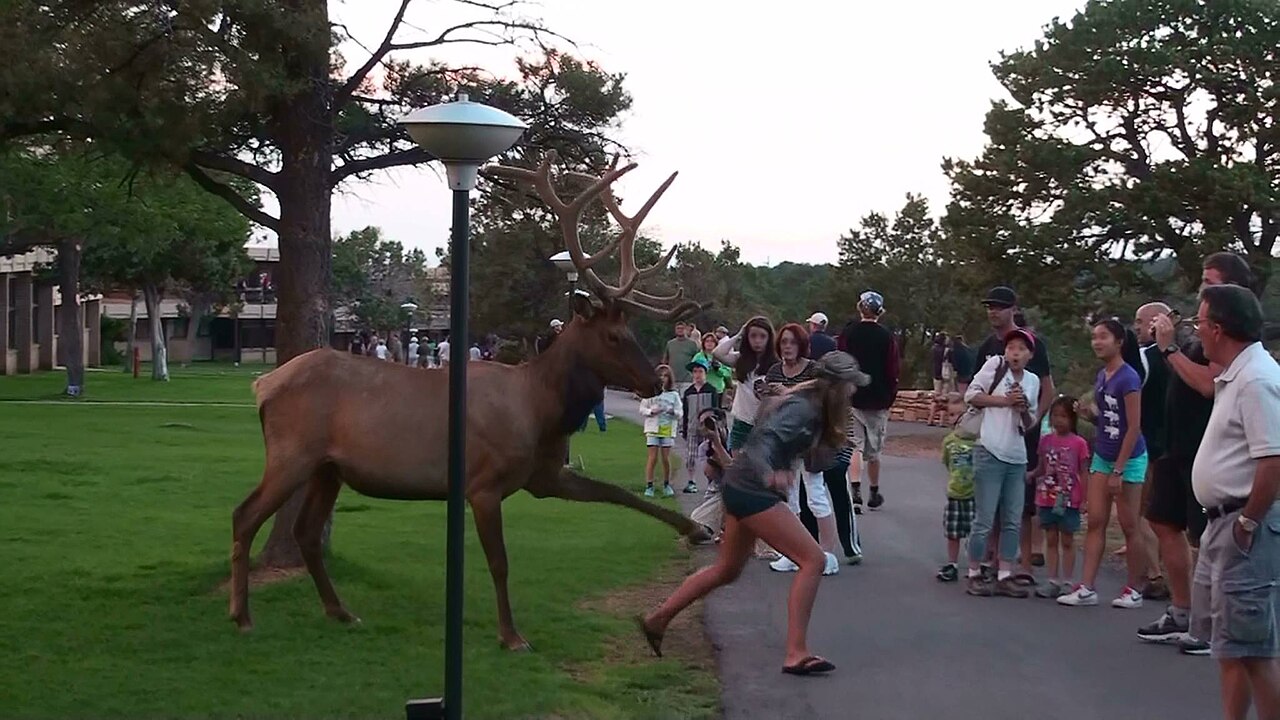
Human wildlife conflict (HWC) refers to the interactions between humans and wildlife that result in negative impacts on both humans and animals. According to the World Wildlife Fund (WWF), HWC is one of the major drivers of biodiversity loss, with an estimated 75% of all species experiencing some level of conflict with humans. The conflict often arises from competition for resources such as land, water, and food, with humans encroaching on wildlife habitats and wildlife encroaching on human settlements. For instance, in 2020, the Indian government reported over 1,400 human deaths due to tiger attacks, highlighting the severity of the issue. The economic impact of HWC is also significant, with estimated losses ranging from $1 billion to $3 billion annually. As human populations continue to grow and expand, the need for effective HWC mitigation strategies becomes increasingly urgent, with some experts advocating for a more holistic approach that incorporates both human and wildlife needs.
🌳 Introduction to Human Wildlife Conflict
Human wildlife conflict (HWC) is a growing concern worldwide, with significant implications for both human and animal well-being. As the global human population continues to expand, the competition for natural resources between humans and wildlife intensifies, leading to increased conflicts. According to the Human Wildlife Conflict report, the number of HWC incidents has risen dramatically over the past few decades, resulting in substantial economic losses and threats to Biodiversity and ecosystem health. The Food Security of local communities is also compromised, as crop damage and livestock depredation become more frequent. Furthermore, HWC can have severe consequences for human health, as Zoonotic Diseases can be transmitted from animals to humans.
🐯 Causes of Human Wildlife Conflict
The primary cause of HWC is the competition for natural resources, such as water, land, and food, between humans and wildlife. As human populations grow, they encroach upon Wildlife Habitats, leading to habitat fragmentation and loss. This, in turn, forces wildlife to venture into human-dominated landscapes in search of resources, resulting in conflicts. The Land Use Changes associated with agricultural expansion, urbanization, and infrastructure development exacerbate the problem. Additionally, climate change can alter the distribution and abundance of wildlife, leading to increased interactions with humans and, consequently, more conflicts. The Human Population Growth rate and the resulting Land Use Changes are critical factors in understanding the dynamics of HWC.
🌴 Impact on Biodiversity and Ecosystems
The impact of HWC on Biodiversity and ecosystems is multifaceted and far-reaching. The loss of Wildlife Habitats and the resulting fragmentation can lead to population decline and even extinction of certain species. The Ecosystem Services provided by these habitats, such as pollination, pest control, and nutrient cycling, are also compromised. Moreover, HWC can disrupt the delicate balance of ecosystems, leading to changes in population dynamics and potentially even extirpation of species. The Conservation Biology community recognizes the urgent need to address HWC and develop effective strategies for mitigating its impacts on Biodiversity. The Species Extinction crisis is a pressing concern, and HWC is a significant contributor to this problem.
🏠 Human Settlements and Land Use Changes
Human settlements and land use changes are primary drivers of HWC. As human populations expand, they require more land for agriculture, urbanization, and infrastructure development, leading to the destruction and degradation of Wildlife Habitats. The resulting habitat fragmentation and loss force wildlife to adapt to human-dominated landscapes, increasing the likelihood of conflicts. The Agricultural Expansion into wildlife habitats is a significant factor in HWC, as it leads to the destruction of natural habitats and the displacement of wildlife. The Urbanization process also contributes to HWC, as urban areas expand into surrounding natural habitats. The Infrastructure Development associated with human settlements, such as roads and dams, can also fragment habitats and disrupt wildlife migration patterns.
🐻 Wildlife Habitat Fragmentation and Loss
The fragmentation and loss of Wildlife Habitats are critical factors in HWC. When habitats are fragmented, wildlife populations become isolated, and their ability to migrate, forage, and breed is compromised. This can lead to population decline and even extinction. The Habitat Fragmentation resulting from human activities, such as deforestation and urbanization, is a significant threat to Biodiversity. The Wildlife Corridors that connect fragmented habitats are essential for maintaining population viability and allowing species to adapt to changing environmental conditions. The Ecological Restoration of degraded habitats is also crucial for maintaining ecosystem health and reducing the likelihood of HWC.
🌾 Competition for Resources and Food Security
The competition for resources, such as food and water, is a primary driver of HWC. As human populations grow, they require more resources, leading to increased competition with wildlife. The Food Security of local communities is compromised when wildlife damages crops or livestock, leading to economic losses and human-wildlife conflicts. The Water Resources required by both humans and wildlife are often limited, leading to competition for this vital resource. The Resource Management strategies that balance human and wildlife needs are essential for reducing HWC. The Sustainable Agriculture practices that minimize crop damage and livestock depredation can help mitigate HWC.
🚨 Conflict Mitigation and Management Strategies
Conflict mitigation and management strategies are essential for reducing the impacts of HWC. The Conflict Mitigation strategies, such as the use of deterrents and repellents, can help prevent conflicts. The Human Wildlife Conflict Mitigation strategies that address the root causes of conflicts, such as habitat loss and fragmentation, are critical for long-term success. The Community-Based Conservation initiatives that engage local communities in conservation efforts can help reduce HWC. The Wildlife-Friendly Agriculture practices that minimize crop damage and livestock depredation can also contribute to HWC mitigation.
🌈 Community-Based Conservation Initiatives
Community-based conservation initiatives are critical for reducing HWC. The Community-Based Conservation approaches that engage local communities in conservation efforts can help build support for wildlife conservation and reduce HWC. The Wildlife Conservation efforts that prioritize community involvement and participation can lead to more effective and sustainable conservation outcomes. The Human Wildlife Coexistence strategies that promote peaceful coexistence between humans and wildlife are essential for reducing HWC. The Ecotourism initiatives that support conservation efforts and provide economic benefits to local communities can also contribute to HWC mitigation.
📊 Economic Impacts of Human Wildlife Conflict
The economic impacts of HWC are substantial and far-reaching. The Economic Impacts of HWC can include crop damage, livestock depredation, and property damage, resulting in significant economic losses for local communities. The Human Wildlife Conflict Economics of HWC can also have broader implications for national economies and global food security. The Sustainable Development goals that prioritize human well-being and environmental sustainability can help reduce HWC and promote more equitable and sustainable development pathways. The Poverty Reduction strategies that address the root causes of poverty and promote sustainable livelihoods can also contribute to HWC mitigation.
👥 International Cooperation and Policy Frameworks
International cooperation and policy frameworks are essential for addressing HWC. The International Cooperation efforts that bring together governments, NGOs, and local communities can help develop and implement effective HWC mitigation strategies. The Policy Frameworks that prioritize wildlife conservation and human well-being can provide a foundation for addressing HWC. The Global Governance structures that facilitate international cooperation and coordination can help address the global dimensions of HWC. The United Nations and other international organizations can play a critical role in promoting global cooperation and coordination on HWC mitigation.
🔍 Research and Monitoring of Human Wildlife Conflict
Research and monitoring of HWC are critical for developing effective mitigation strategies. The Research and Monitoring efforts that investigate the causes and consequences of HWC can help identify priority areas for conservation and mitigation. The Human Wildlife Conflict Research that explores the complex relationships between humans and wildlife can inform the development of more effective HWC mitigation strategies. The Monitoring and Evaluation of HWC mitigation efforts can help assess their effectiveness and identify areas for improvement. The Science-Policy Interface that facilitates the exchange of knowledge and information between scientists, policymakers, and practitioners can help ensure that HWC mitigation efforts are informed by the best available science.
Key Facts
- Year
- 2020
- Origin
- Africa and Asia, where human population growth and wildlife habitat overlap are most pronounced
- Category
- Environmental Conservation
- Type
- Environmental Issue
Frequently Asked Questions
What is human wildlife conflict?
Human wildlife conflict (HWC) refers to the negative interactions between humans and wild animals, with undesirable consequences both for people and their resources on the one hand, and wildlife and their habitats on the other. HWC is caused by competition for natural resources between human and wildlife, and it influences human food security and the well-being of both humans and other animals. The Human Wildlife Conflict report highlights the growing concern of HWC worldwide, with significant implications for both human and animal well-being.
What are the causes of human wildlife conflict?
The primary cause of HWC is the competition for natural resources, such as water, land, and food, between humans and wildlife. As human populations grow, they encroach upon Wildlife Habitats, leading to habitat fragmentation and loss. This, in turn, forces wildlife to venture into human-dominated landscapes in search of resources, resulting in conflicts. The Land Use Changes associated with agricultural expansion, urbanization, and infrastructure development exacerbate the problem.
What are the impacts of human wildlife conflict on biodiversity and ecosystems?
The impact of HWC on Biodiversity and ecosystems is multifaceted and far-reaching. The loss of Wildlife Habitats and the resulting fragmentation can lead to population decline and even extinction of certain species. The Ecosystem Services provided by these habitats, such as pollination, pest control, and nutrient cycling, are also compromised. Moreover, HWC can disrupt the delicate balance of ecosystems, leading to changes in population dynamics and potentially even extirpation of species.
What are the economic impacts of human wildlife conflict?
The economic impacts of HWC are substantial and far-reaching. The Economic Impacts of HWC can include crop damage, livestock depredation, and property damage, resulting in significant economic losses for local communities. The Human Wildlife Conflict Economics of HWC can also have broader implications for national economies and global food security.
What are the strategies for mitigating human wildlife conflict?
The strategies for mitigating HWC include conflict mitigation and management, community-based conservation initiatives, and sustainable agriculture practices. The Conflict Mitigation strategies, such as the use of deterrents and repellents, can help prevent conflicts. The Community-Based Conservation initiatives that engage local communities in conservation efforts can help build support for wildlife conservation and reduce HWC.
What is the role of international cooperation in addressing human wildlife conflict?
International cooperation and policy frameworks are essential for addressing HWC. The International Cooperation efforts that bring together governments, NGOs, and local communities can help develop and implement effective HWC mitigation strategies. The Policy Frameworks that prioritize wildlife conservation and human well-being can provide a foundation for addressing HWC.
What is the importance of research and monitoring in addressing human wildlife conflict?
Research and monitoring of HWC are critical for developing effective mitigation strategies. The Research and Monitoring efforts that investigate the causes and consequences of HWC can help identify priority areas for conservation and mitigation. The Human Wildlife Conflict Research that explores the complex relationships between humans and wildlife can inform the development of more effective HWC mitigation strategies.