
Contents
- 📊 Introduction to Labor Market Indicators
- 💼 Unemployment Rate: A Key Indicator
- 📈 Employment Rate: The Flip Side of Unemployment
- 📊 Labor Force Participation Rate: A Measure of Engagement
- 📈 Average Hourly Earnings: The Wage Perspective
- 📊 Job Openings and Labor Turnover Survey (JOLTS): Insights into Labor Dynamics
- 📈 Productivity and Efficiency: The Engine of Economic Growth
- 📊 Inflation and Labor Market Indicators: The Interplay
- 🌎 Global Labor Market Trends: A Comparative Perspective
- 📊 Challenges in Interpreting Labor Market Indicators
- 🔮 Future of Labor Market Indicators: Emerging Trends and Technologies
- 📊 Conclusion: The Vital Role of Labor Market Indicators
- Frequently Asked Questions
- Related Topics
Overview
Labor market indicators are the lifeblood of economic analysis, providing critical insights into the health and trajectory of a nation's workforce. From unemployment rates to job vacancy rates, these metrics help policymakers, businesses, and individuals navigate the complex landscape of work. The Bureau of Labor Statistics (BLS) is a key source of labor market data, releasing monthly reports on employment, wages, and inflation. However, critics argue that traditional indicators like the unemployment rate can be misleading, failing to account for underemployment, gig work, and other non-traditional forms of employment. As the nature of work continues to evolve, new indicators like the Vibe score (a cultural energy measurement) are emerging to capture the shifting dynamics of the labor market. With the global workforce projected to reach 3.5 billion by 2030, according to a report by the International Labor Organization (ILO), the importance of accurate and comprehensive labor market indicators will only continue to grow, influencing decisions on education, training, and economic development.
📊 Introduction to Labor Market Indicators
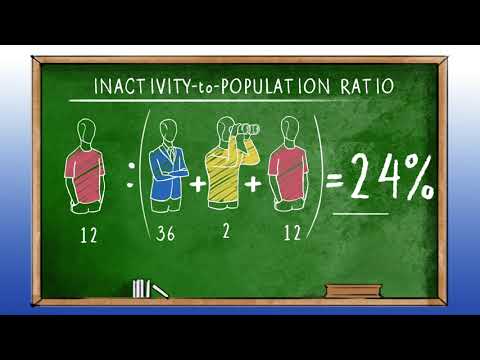
The labor market is a critical component of any economy, and understanding its dynamics is essential for policymakers, businesses, and individuals alike. Labor market indicators provide valuable insights into the health and direction of the economy. One of the most widely followed indicators is the unemployment rate, which measures the percentage of the labor force that is currently unemployed. Another important indicator is the employment rate, which shows the percentage of the population that is employed. The labor force participation rate is also crucial, as it indicates the proportion of the population that is actively engaged in the labor market. For more information on labor market indicators, visit the Bureau of Labor Statistics website.
💼 Unemployment Rate: A Key Indicator
The unemployment rate is a key labor market indicator that receives significant attention from economists, policymakers, and the media. It is calculated by dividing the number of unemployed individuals by the total labor force, and then multiplying by 100. The unemployment rate is an important indicator of the overall health of the economy, as high unemployment rates can indicate a recession or economic downturn. On the other hand, low unemployment rates can signal a strong economy with plenty of job opportunities. The employment rate is also closely watched, as it provides insights into the number of people who are actually working. For example, the Bureau of Labor Statistics releases monthly employment reports that include data on the unemployment rate and the employment rate.
📈 Employment Rate: The Flip Side of Unemployment
The employment rate is the flip side of the unemployment rate, and it measures the percentage of the population that is employed. The employment rate is an important indicator of the labor market's ability to create jobs and provide income for individuals and families. A high employment rate can indicate a strong economy with plenty of job opportunities, while a low employment rate can signal a weak economy with limited job prospects. The labor force participation rate is also closely related to the employment rate, as it indicates the proportion of the population that is actively engaged in the labor market. For more information on employment rates, visit the World Bank website, which provides data on employment rates and labor force participation rates around the world.
📊 Labor Force Participation Rate: A Measure of Engagement
The labor force participation rate is a measure of the proportion of the population that is actively engaged in the labor market. The labor force participation rate is calculated by dividing the labor force by the total population, and then multiplying by 100. A high labor force participation rate can indicate a strong labor market with plenty of job opportunities, while a low labor force participation rate can signal a weak labor market with limited job prospects. The unemployment rate and the employment rate are also closely related to the labor force participation rate, as they provide insights into the number of people who are unemployed or employed. For example, the Organization for Economic Cooperation and Development (OECD) releases data on labor force participation rates and unemployment rates for its member countries.
📈 Average Hourly Earnings: The Wage Perspective
Average hourly earnings are an important labor market indicator that provides insights into the wage perspective. The average hourly earnings measure the average amount of money that workers earn per hour, and it is an important indicator of the labor market's ability to provide decent wages and income for individuals and families. A high average hourly earnings can indicate a strong labor market with plenty of job opportunities and good wages, while a low average hourly earnings can signal a weak labor market with limited job prospects and low wages. The Job Openings and Labor Turnover Survey (JOLTS) is also closely related to average hourly earnings, as it provides insights into labor dynamics and job turnover. For more information on average hourly earnings, visit the Bureau of Labor Statistics website.
📊 Job Openings and Labor Turnover Survey (JOLTS): Insights into Labor Dynamics
The Job Openings and Labor Turnover Survey (JOLTS) is a valuable labor market indicator that provides insights into labor dynamics and job turnover. The JOLTS measures the number of job openings, hires, and separations in the labor market, and it is an important indicator of the labor market's ability to create jobs and provide income for individuals and families. A high JOLTS can indicate a strong labor market with plenty of job opportunities, while a low JOLTS can signal a weak labor market with limited job prospects. The unemployment rate and the employment rate are also closely related to the JOLTS, as they provide insights into the number of people who are unemployed or employed. For example, the Federal Reserve uses the JOLTS to inform its monetary policy decisions.
📈 Productivity and Efficiency: The Engine of Economic Growth
Productivity and efficiency are essential components of economic growth, and labor market indicators provide valuable insights into the engine of economic growth. The productivity measure the output per hour of work, and it is an important indicator of the labor market's ability to create value and provide income for individuals and families. A high productivity can indicate a strong labor market with plenty of job opportunities and good wages, while a low productivity can signal a weak labor market with limited job prospects and low wages. The average hourly earnings and the JOLTS are also closely related to productivity, as they provide insights into labor dynamics and job turnover. For more information on productivity, visit the World Bank website, which provides data on productivity and economic growth around the world.
📊 Inflation and Labor Market Indicators: The Interplay
Inflation and labor market indicators are closely related, as changes in the labor market can have a significant impact on inflation. The inflation rate measures the rate of change in prices of goods and services, and it is an important indicator of the overall health of the economy. A high inflation rate can indicate a strong economy with plenty of job opportunities and good wages, while a low inflation rate can signal a weak economy with limited job prospects and low wages. The unemployment rate and the employment rate are also closely related to the inflation rate, as they provide insights into the number of people who are unemployed or employed. For example, the Federal Reserve uses the inflation rate and the unemployment rate to inform its monetary policy decisions.
🌎 Global Labor Market Trends: A Comparative Perspective
Global labor market trends provide valuable insights into the comparative perspective of labor markets around the world. The global labor market is characterized by significant differences in labor market indicators, such as the unemployment rate and the employment rate. A high unemployment rate can indicate a weak labor market with limited job prospects, while a low unemployment rate can signal a strong labor market with plenty of job opportunities. The World Bank and the International Labor Organization (ILO) provide data on global labor market trends and indicators, which can be used to inform policy decisions and promote economic growth. For more information on global labor market trends, visit the World Bank website.
📊 Challenges in Interpreting Labor Market Indicators
Interpreting labor market indicators can be challenging, as they are subject to various biases and limitations. The labor market indicators are often based on surveys and administrative data, which can be affected by sampling errors and non-response biases. Additionally, the labor market indicators can be influenced by external factors, such as changes in government policies and economic conditions. Therefore, it is essential to consider these limitations when interpreting labor market indicators and to use multiple indicators to get a comprehensive picture of the labor market. For example, the Bureau of Labor Statistics provides guidance on how to interpret labor market indicators and avoid common pitfalls.
🔮 Future of Labor Market Indicators: Emerging Trends and Technologies
The future of labor market indicators is likely to be shaped by emerging trends and technologies, such as big data and artificial intelligence. The big data and artificial intelligence can provide new insights into labor market dynamics and job turnover, and can help to improve the accuracy and timeliness of labor market indicators. Additionally, the future of work is likely to be characterized by significant changes in the nature of work and the labor market, such as the rise of the gig economy and the increasing use of automation and robotics. Therefore, it is essential to develop new labor market indicators that can capture these changes and provide valuable insights into the future of work. For more information on the future of labor market indicators, visit the World Economic Forum website.
📊 Conclusion: The Vital Role of Labor Market Indicators
In conclusion, labor market indicators are essential tools for understanding the health and direction of the economy. The labor market indicators provide valuable insights into the labor market's ability to create jobs and provide income for individuals and families, and can be used to inform policy decisions and promote economic growth. However, interpreting labor market indicators can be challenging, and it is essential to consider the limitations and biases of these indicators. Additionally, the future of labor market indicators is likely to be shaped by emerging trends and technologies, such as big data and artificial intelligence. For more information on labor market indicators, visit the Bureau of Labor Statistics website.
Key Facts
- Year
- 2022
- Origin
- Vibepedia.wiki
- Category
- Economics
- Type
- Concept
Frequently Asked Questions
What is the difference between the unemployment rate and the employment rate?
The unemployment rate measures the percentage of the labor force that is currently unemployed, while the employment rate measures the percentage of the population that is employed. The two rates are closely related, but they provide different insights into the labor market. For example, a high unemployment rate can indicate a weak labor market with limited job prospects, while a low employment rate can signal a strong labor market with plenty of job opportunities. The Bureau of Labor Statistics releases monthly employment reports that include data on the unemployment rate and the employment rate.
How is the labor force participation rate calculated?
The labor force participation rate is calculated by dividing the labor force by the total population, and then multiplying by 100. The labor force includes all individuals who are employed or unemployed, while the total population includes all individuals, regardless of their employment status. The labor force participation rate is an important indicator of the labor market's ability to create jobs and provide income for individuals and families. For more information on labor force participation rates, visit the World Bank website.
What is the Job Openings and Labor Turnover Survey (JOLTS)?
The Job Openings and Labor Turnover Survey (JOLTS) is a valuable labor market indicator that provides insights into labor dynamics and job turnover. The JOLTS measures the number of job openings, hires, and separations in the labor market, and it is an important indicator of the labor market's ability to create jobs and provide income for individuals and families. The Federal Reserve uses the JOLTS to inform its monetary policy decisions.
How do labor market indicators affect inflation?
Labor market indicators, such as the unemployment rate and the employment rate, can have a significant impact on inflation. A high unemployment rate can indicate a weak labor market with limited job prospects, which can lead to lower inflation. On the other hand, a low unemployment rate can signal a strong labor market with plenty of job opportunities, which can lead to higher inflation. The Federal Reserve uses the inflation rate and the unemployment rate to inform its monetary policy decisions.
What are some challenges in interpreting labor market indicators?
Interpreting labor market indicators can be challenging, as they are subject to various biases and limitations. The labor market indicators are often based on surveys and administrative data, which can be affected by sampling errors and non-response biases. Additionally, the labor market indicators can be influenced by external factors, such as changes in government policies and economic conditions. Therefore, it is essential to consider these limitations when interpreting labor market indicators and to use multiple indicators to get a comprehensive picture of the labor market.