
Contents
- 🏗️ Introduction to LafargeHolcim
- 📈 History of LafargeHolcim
- 🌎 Global Presence
- 💼 Business Segments
- 📊 Financial Performance
- 🌟 Sustainability Efforts
- 🚨 Controversies and Criticisms
- 🤝 Partnerships and Collaborations
- 📚 Research and Development
- 👥 Leadership and Governance
- 🔮 Future Outlook
- Frequently Asked Questions
- Related Topics
Overview
LafargeHolcim, formed in 2015 through the merger of Lafarge and Holcim, is the world's largest cement producer, operating in over 80 countries with a workforce of around 75,000 employees. The company has a long history dating back to 1833 when Lafarge was founded in France. LafargeHolcim's product portfolio includes cement, aggregates, and ready-mix concrete, with notable projects such as the Burj Khalifa and the Gotthard Base Tunnel. However, the company has faced criticism and controversy over environmental and social issues, including pollution and labor practices. With a strong presence in emerging markets, LafargeHolcim is poised for growth, but must navigate the challenges of sustainability and corporate responsibility. As the construction industry continues to evolve, LafargeHolcim's ability to adapt and innovate will be crucial to its success, with a projected annual revenue of over $30 billion.
🏗️ Introduction to LafargeHolcim
LafargeHolcim is a leading global building materials company, formed in 2015 through the merger of Lafarge and Holcim. The company is headquartered in Switzerland and is listed on the SIX Swiss Exchange. With a rich history dating back to 1833, LafargeHolcim has evolved into a multinational corporation with operations in over 80 countries. The company's product portfolio includes cement, aggregates, and ready-mix concrete. LafargeHolcim is committed to providing innovative and sustainable solutions to the construction industry, as evident from its involvement in high-profile projects such as the Burj Khalifa and the London Olympics.
📈 History of LafargeHolcim
The history of LafargeHolcim is a long and complex one, with both Lafarge and Holcim having their own unique stories. Lafarge was founded in 1833 by Joseph-Auguste Pavin de Lafarge, while Holcim was founded in 1912 by Adolf Holcim. Over the years, both companies expanded their operations through strategic acquisitions and partnerships, including the acquisition of Orascom Construction by Lafarge in 2007. The merger between Lafarge and Holcim in 2015 created a global giant in the building materials industry, with a combined revenue of over $30 billion. The company's history is also marked by significant milestones, such as the development of sustainable cement and the introduction of innovative products like Ductal.
🌎 Global Presence
LafargeHolcim has a significant global presence, with operations in over 80 countries across the world. The company has a strong presence in Europe, North America, and Asia, with a growing presence in Africa and Latin America. LafargeHolcim's global footprint is supported by a network of over 2,500 production sites, including cement plants, aggregate quarries, and ready-mix concrete facilities. The company's global presence is also reflected in its diverse workforce, with employees from over 100 nationalities working together to deliver innovative solutions to the construction industry. LafargeHolcim's global reach has enabled it to participate in iconic projects such as the Grand Mosque of Mecca and the Panama Canal.
💼 Business Segments
LafargeHolcim's business is organized into four main segments: cement, aggregates, ready-mix concrete, and solutions & products. The cement segment is the largest contributor to the company's revenue, accounting for over 50% of total sales. The aggregates segment is also a significant contributor, with a global network of quarries and distribution facilities. The ready-mix concrete segment provides a range of specialized concrete products, including high-performance concrete and decorative concrete. The solutions & products segment offers a range of innovative products and services, including building envelope solutions and infrastructure solutions. LafargeHolcim's business segments are supported by a strong research and development program, which focuses on developing sustainable and innovative solutions for the construction industry.
📊 Financial Performance
LafargeHolcim's financial performance has been strong in recent years, with the company reporting revenue of over $30 billion in 2020. The company's net income has also been increasing, with a net income of over $2 billion in 2020. LafargeHolcim's financial performance is supported by its diversified business model, which includes a range of revenue streams from cement, aggregates, ready-mix concrete, and solutions & products. The company's financial performance is also influenced by its global presence, with operations in over 80 countries providing a range of growth opportunities. LafargeHolcim's financial performance has been recognized by investors, with the company's stock price increasing by over 50% in the past five years. The company's financial success has enabled it to invest in sustainability initiatives and digitalization programs, such as the development of green cement and the implementation of Industry 4.0 technologies.
🌟 Sustainability Efforts
LafargeHolcim is committed to sustainability, with a range of initiatives aimed at reducing the company's environmental footprint. The company has set a target to reduce its CO2 emissions by 50% by 2030, and has implemented a range of measures to achieve this goal, including the use of alternative fuels and the development of low-carbon cement. LafargeHolcim has also launched a range of sustainable products, including ECOPlanet, a range of low-carbon cement products. The company's sustainability efforts have been recognized by external organizations, including the Dow Jones Sustainability Index. LafargeHolcim's commitment to sustainability is reflected in its participation in initiatives such as the Cement Sustainability Initiative and the World Business Council for Sustainable Development.
🚨 Controversies and Criticisms
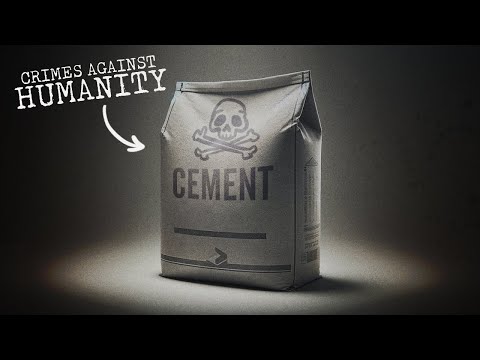
Despite its commitment to sustainability, LafargeHolcim has faced controversy and criticism in the past. The company has been accused of human rights abuses in certain countries, including Syria and Myanmar. LafargeHolcim has also faced criticism for its environmental impact, including the destruction of habitats and the pollution of water sources. The company has responded to these criticisms by implementing new policies and procedures, including a human rights policy and an environmental policy. LafargeHolcim has also engaged with external stakeholders, including NGOs and local communities, to address concerns and develop solutions. The company's response to controversies has been recognized by organizations such as the United Nations and the International Labor Organization.
🤝 Partnerships and Collaborations
LafargeHolcim has formed partnerships and collaborations with a range of organizations, including NGOs, governments, and private companies. The company has partnered with organizations such as the World Wildlife Fund and the International Union for Conservation of Nature to promote sustainability and conservation. LafargeHolcim has also collaborated with private companies, including Microsoft and IBM, to develop innovative solutions for the construction industry. The company's partnerships and collaborations have enabled it to access new technologies and expertise, and to develop new products and services. LafargeHolcim's partnerships have also enabled it to participate in initiatives such as the COP21 and the SDGs.
📚 Research and Development
LafargeHolcim has a strong research and development program, with a focus on developing sustainable and innovative solutions for the construction industry. The company has invested heavily in research and development, with a range of research centers and laboratories around the world. LafargeHolcim's research and development program has led to the development of new products and services, including green cement and self-healing concrete. The company's research and development program is also focused on developing new technologies, including 3D printing and artificial intelligence. LafargeHolcim's research and development efforts have been recognized by external organizations, including the European Commission and the National Science Foundation.
👥 Leadership and Governance
LafargeHolcim's leadership and governance structure is designed to support the company's strategic objectives. The company's board of directors is responsible for overseeing the company's strategy and operations, and is composed of experienced executives and non-executive directors. LafargeHolcim's CEO, Jan Jenisch, has been instrumental in driving the company's sustainability and innovation agenda. The company's leadership team is also committed to promoting diversity and inclusion, with a range of initiatives aimed at increasing diversity and promoting equal opportunities. LafargeHolcim's leadership and governance structure has been recognized by external organizations, including the Dow Jones Sustainability Index and the FTSE4Good.
🔮 Future Outlook
LafargeHolcim's future outlook is positive, with the company well-positioned to capitalize on trends such as urbanization and sustainability. The company's commitment to innovation and sustainability is expected to drive growth and profitability in the coming years. LafargeHolcim's global presence and diversified business model also provide a range of opportunities for growth and expansion. However, the company also faces challenges, including increasing competition and regulatory pressures. LafargeHolcim's ability to navigate these challenges and capitalize on opportunities will depend on its ability to innovate and adapt to changing market conditions. The company's future outlook is also influenced by its participation in initiatives such as the Paris Agreement and the SDGs.
Key Facts
- Year
- 2015
- Origin
- France and Switzerland
- Category
- Business
- Type
- Company
Frequently Asked Questions
What is LafargeHolcim's mission?
LafargeHolcim's mission is to provide innovative and sustainable solutions to the construction industry, while promoting economic growth and social development. The company is committed to reducing its environmental footprint and promoting sustainability throughout its operations. LafargeHolcim's mission is reflected in its participation in initiatives such as the COP21 and the SDGs.
What are LafargeHolcim's main products?
LafargeHolcim's main products include cement, aggregates, and ready-mix concrete. The company also offers a range of specialized products and services, including building envelope solutions and infrastructure solutions. LafargeHolcim's products are used in a range of applications, including building construction, infrastructure, and industrial construction.
Where is LafargeHolcim headquartered?
LafargeHolcim is headquartered in Switzerland, with its global headquarters located in Zug. The company has operations in over 80 countries around the world, with a range of regional and local offices. LafargeHolcim's global presence is supported by a network of over 2,500 production sites, including cement plants, aggregate quarries, and ready-mix concrete facilities.
What is LafargeHolcim's commitment to sustainability?
LafargeHolcim is committed to reducing its environmental footprint and promoting sustainability throughout its operations. The company has set a range of sustainability targets, including reducing its CO2 emissions by 50% by 2030. LafargeHolcim has also launched a range of sustainable products and services, including ECOPlanet, a range of low-carbon cement products. The company's commitment to sustainability is reflected in its participation in initiatives such as the Cement Sustainability Initiative and the World Business Council for Sustainable Development.
Who is LafargeHolcim's CEO?
LafargeHolcim's CEO is Jan Jenisch, who has been instrumental in driving the company's sustainability and innovation agenda. Jan Jenisch has a strong background in the construction industry, with over 20 years of experience in senior executive roles. He is committed to promoting diversity and inclusion, and has launched a range of initiatives aimed at increasing diversity and promoting equal opportunities. Jan Jenisch's leadership has been recognized by external organizations, including the Dow Jones Sustainability Index and the FTSE4Good.
What is LafargeHolcim's research and development program?
LafargeHolcim has a strong research and development program, with a focus on developing sustainable and innovative solutions for the construction industry. The company has invested heavily in research and development, with a range of research centers and laboratories around the world. LafargeHolcim's research and development program has led to the development of new products and services, including green cement and self-healing concrete. The company's research and development efforts have been recognized by external organizations, including the European Commission and the National Science Foundation.
What are LafargeHolcim's future plans?
LafargeHolcim's future plans include continuing to drive innovation and sustainability, while promoting economic growth and social development. The company is committed to reducing its environmental footprint and promoting sustainability throughout its operations. LafargeHolcim is also focused on expanding its global presence, with a range of initiatives aimed at increasing its presence in emerging markets. The company's future plans are reflected in its participation in initiatives such as the Paris Agreement and the SDGs.