
Contents
- 🌳 Introduction to Landscape Design
- 🏞️ History of Landscape Design
- 🌴 Landscape Design Principles
- 🏗️ Landscape Architecture and Garden Design
- 🌻 Sustainable Landscape Design
- 🌺 Urban Landscape Design
- 🏞️ Rural Landscape Design
- 🌟 Innovative Materials in Landscape Design
- 🌈 Cultural Significance of Landscape Design
- 🤝 Collaboration in Landscape Design
- 📊 Future of Landscape Design
- Frequently Asked Questions
- Related Topics
Overview
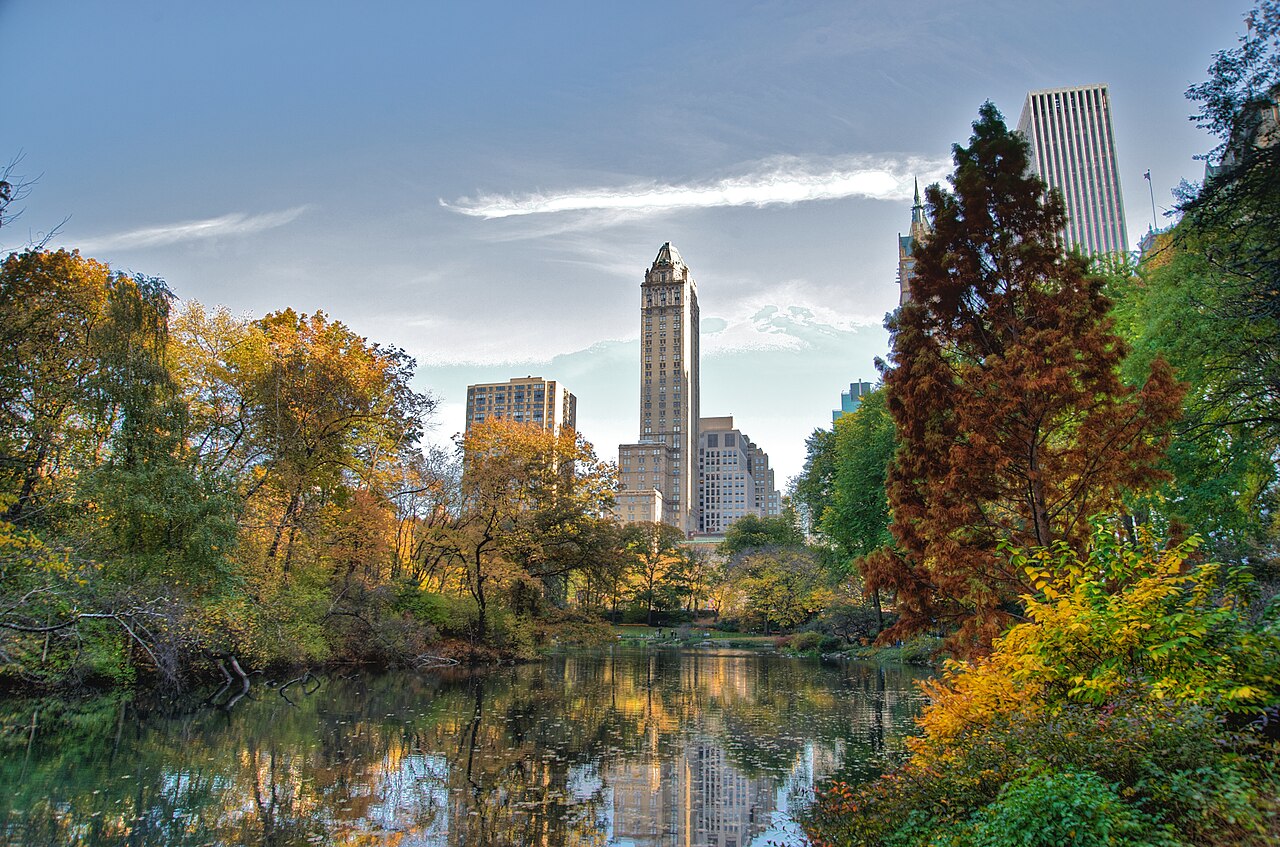
Landscape design has evolved significantly over the centuries, from the intricate gardens of ancient civilizations to the modern, eco-friendly outdoor spaces of today. The field has been influenced by notable figures such as Frederick Law Olmsted, who designed Central Park in New York City, and Ian McHarg, a pioneer in ecological planning. With a growing focus on sustainability, landscape designers are now incorporating green technologies and environmentally conscious practices into their work, such as rainwater harvesting and green roofs. The controversy surrounding the use of non-native plant species and the impact of landscape design on local ecosystems has sparked debates among designers, conservationists, and policymakers. As the world grapples with climate change, landscape design will play a crucial role in creating resilient and adaptable outdoor spaces. By 2025, the global landscape design market is expected to reach $14.4 billion, with a significant portion dedicated to sustainable and eco-friendly projects, according to a report by Grand View Research, with key players such as SWA Group and Hargreaves Associates leading the charge.
🌳 Introduction to Landscape Design
Landscape design is an independent profession and a design and art tradition, practiced by landscape designers, combining nature and culture. It involves creating outdoor spaces that are not only aesthetically pleasing but also functional and sustainable. Landscape designers work on a wide range of projects, from small gardens to large public parks, and their work has a significant impact on the environment and human well-being. For more information on the role of landscape designers, visit the Landscape Designer page. The history of landscape design is also closely tied to the development of Landscape Architecture and Garden Design.
🏞️ History of Landscape Design
The history of landscape design dates back to ancient civilizations, where people created beautiful and functional outdoor spaces for recreation, relaxation, and spiritual purposes. The ancient Egyptians, Greeks, and Romans all made significant contributions to the development of landscape design, and their ideas and techniques are still studied and applied today. The modern landscape design movement, however, is often attributed to the work of Andre Le Notre, a French landscape designer who created the iconic gardens of the Palace of Versailles. To learn more about the history of landscape design, visit the History of Landscape Design page. The evolution of landscape design is also closely tied to the development of Architecture and Urban Planning.
🌴 Landscape Design Principles
Landscape design principles are based on a combination of artistic and scientific factors, including the use of color, texture, and form to create visually appealing and functional outdoor spaces. Landscape designers also consider the environmental and social impacts of their work, and strive to create sustainable and inclusive spaces that benefit both people and the environment. Some key principles of landscape design include the use of native plants, the creation of wildlife habitats, and the incorporation of sustainable materials and practices. For more information on landscape design principles, visit the Landscape Design Principles page. The application of these principles can be seen in various types of landscape design, including Residential Landscape Design and Commercial Landscape Design.
🏗️ Landscape Architecture and Garden Design
Landscape architecture and garden design are two closely related fields that are often combined in contemporary practice. Landscape architecture focuses on the design of large-scale outdoor spaces, such as public parks and urban plazas, while garden design focuses on the creation of smaller, more intimate spaces, such as residential gardens and courtyards. Both fields require a deep understanding of horticulture, ecology, and design principles, as well as the ability to work with a wide range of materials and technologies. To learn more about the relationship between landscape architecture and garden design, visit the Landscape Architecture and Garden Design page. The work of landscape architects and garden designers can be seen in various types of projects, including Public Parks and Private Gardens.
🌻 Sustainable Landscape Design
Sustainable landscape design is a critical aspect of contemporary practice, as it involves creating outdoor spaces that are not only beautiful and functional but also environmentally friendly and socially responsible. Sustainable landscape design principles include the use of native plants, the creation of wildlife habitats, and the incorporation of sustainable materials and practices, such as rainwater harvesting and greywater reuse. For more information on sustainable landscape design, visit the Sustainable Landscape Design page. The application of sustainable design principles can be seen in various types of landscape design, including Green Roofs and Rain Gardens.
🌺 Urban Landscape Design
Urban landscape design is a rapidly growing field, as cities around the world are recognizing the importance of creating high-quality outdoor spaces for recreation, relaxation, and community building. Urban landscape designers work on a wide range of projects, from small parks and plazas to large-scale urban renewal projects, and their work has a significant impact on the quality of life for urban residents. To learn more about urban landscape design, visit the Urban Landscape Design page. The work of urban landscape designers can be seen in various types of projects, including Public Plazas and Urban Parks.
🏞️ Rural Landscape Design
Rural landscape design is also an important aspect of contemporary practice, as it involves creating outdoor spaces that are not only beautiful and functional but also sensitive to the natural environment and local culture. Rural landscape designers work on a wide range of projects, from small farms and ranches to large-scale conservation projects, and their work has a significant impact on the health and productivity of rural ecosystems. For more information on rural landscape design, visit the Rural Landscape Design page. The application of rural landscape design principles can be seen in various types of projects, including Agroforestry and Permaculture.
🌟 Innovative Materials in Landscape Design
Innovative materials are playing an increasingly important role in landscape design, as designers seek to create outdoor spaces that are not only beautiful and functional but also sustainable and environmentally friendly. Some examples of innovative materials used in landscape design include permeable pavers, green roofs, and living walls. For more information on innovative materials in landscape design, visit the Innovative Materials in Landscape Design page. The use of innovative materials can be seen in various types of landscape design, including Modern Landscape Design and Contemporary Landscape Design.
🌈 Cultural Significance of Landscape Design
Landscape design has a significant cultural significance, as it reflects the values and traditions of a society and provides a sense of community and identity. Landscape designers work to create outdoor spaces that are not only beautiful and functional but also meaningful and symbolic, and their work has a profound impact on the way people experience and interact with their environment. To learn more about the cultural significance of landscape design, visit the Cultural Significance of Landscape Design page. The cultural significance of landscape design can be seen in various types of projects, including Memorials and Public Art.
🤝 Collaboration in Landscape Design
Collaboration is a critical aspect of landscape design, as it involves working with a wide range of stakeholders, including clients, architects, engineers, and contractors. Landscape designers must be able to communicate effectively and work collaboratively to create outdoor spaces that meet the needs and expectations of all stakeholders. For more information on collaboration in landscape design, visit the Collaboration in Landscape Design page. The importance of collaboration can be seen in various types of landscape design, including Landscape Architecture Firms and Garden Design Companies.
📊 Future of Landscape Design
The future of landscape design is likely to be shaped by a range of factors, including technological advancements, environmental concerns, and social and cultural trends. Landscape designers will need to be adaptable and innovative, and to stay up-to-date with the latest developments and best practices in the field. To learn more about the future of landscape design, visit the Future of Landscape Design page. The future of landscape design will be influenced by various factors, including Climate Change and Urbanization.
Key Facts
- Year
- 2023
- Origin
- Ancient Civilizations, Modernized in the 20th Century
- Category
- Architecture and Design
- Type
- Discipline
Frequently Asked Questions
What is landscape design?
Landscape design is an independent profession and a design and art tradition, practiced by landscape designers, combining nature and culture. It involves creating outdoor spaces that are not only aesthetically pleasing but also functional and sustainable. For more information, visit the Landscape Design page. Landscape design is closely tied to Landscape Architecture and Garden Design.
What are the principles of landscape design?
Landscape design principles are based on a combination of artistic and scientific factors, including the use of color, texture, and form to create visually appealing and functional outdoor spaces. Some key principles of landscape design include the use of native plants, the creation of wildlife habitats, and the incorporation of sustainable materials and practices. For more information, visit the Landscape Design Principles page. The application of these principles can be seen in various types of landscape design, including Residential Landscape Design and Commercial Landscape Design.
What is sustainable landscape design?
Sustainable landscape design is a critical aspect of contemporary practice, as it involves creating outdoor spaces that are not only beautiful and functional but also environmentally friendly and socially responsible. Sustainable landscape design principles include the use of native plants, the creation of wildlife habitats, and the incorporation of sustainable materials and practices, such as rainwater harvesting and greywater reuse. For more information, visit the Sustainable Landscape Design page. The application of sustainable design principles can be seen in various types of landscape design, including Green Roofs and Rain Gardens.
What is urban landscape design?
Urban landscape design is a rapidly growing field, as cities around the world are recognizing the importance of creating high-quality outdoor spaces for recreation, relaxation, and community building. Urban landscape designers work on a wide range of projects, from small parks and plazas to large-scale urban renewal projects, and their work has a significant impact on the quality of life for urban residents. To learn more about urban landscape design, visit the Urban Landscape Design page. The work of urban landscape designers can be seen in various types of projects, including Public Plazas and Urban Parks.
What is rural landscape design?
Rural landscape design is also an important aspect of contemporary practice, as it involves creating outdoor spaces that are not only beautiful and functional but also sensitive to the natural environment and local culture. Rural landscape designers work on a wide range of projects, from small farms and ranches to large-scale conservation projects, and their work has a significant impact on the health and productivity of rural ecosystems. For more information, visit the Rural Landscape Design page. The application of rural landscape design principles can be seen in various types of projects, including Agroforestry and Permaculture.
What is the future of landscape design?
The future of landscape design is likely to be shaped by a range of factors, including technological advancements, environmental concerns, and social and cultural trends. Landscape designers will need to be adaptable and innovative, and to stay up-to-date with the latest developments and best practices in the field. To learn more about the future of landscape design, visit the Future of Landscape Design page. The future of landscape design will be influenced by various factors, including Climate Change and Urbanization.
How do I become a landscape designer?
To become a landscape designer, you typically need to earn a degree in landscape architecture or a related field, and gain experience through internships or entry-level positions. Many landscape designers also choose to become certified through professional organizations, such as the American Society of Landscape Architects. For more information, visit the Landscape Designer page. The work of landscape designers can be seen in various types of projects, including Public Parks and Private Gardens.