
Contents
- 🏯 Introduction to Maya Civilization
- 📝 The Maya Script: A Sophisticated Writing System
- 🕰️ Understanding the Maya Calendar and Astronomical System
- 🎨 The Art and Architecture of the Maya Civilization
- 📚 The Mathematics of the Maya Civilization
- 🗺️ Geography and Trade in the Maya Civilization
- 👑 Maya Politics and Social Hierarchy
- 💀 The Decline and Legacy of the Maya Civilization
- 🔍 Archaeological Discoveries and Excavations
- 📊 The Economic System of the Maya Civilization
- 🌎 The Environmental Impact of the Maya Civilization
- 👥 The Cultural Significance of the Maya Civilization
- Frequently Asked Questions
- Related Topics
Overview
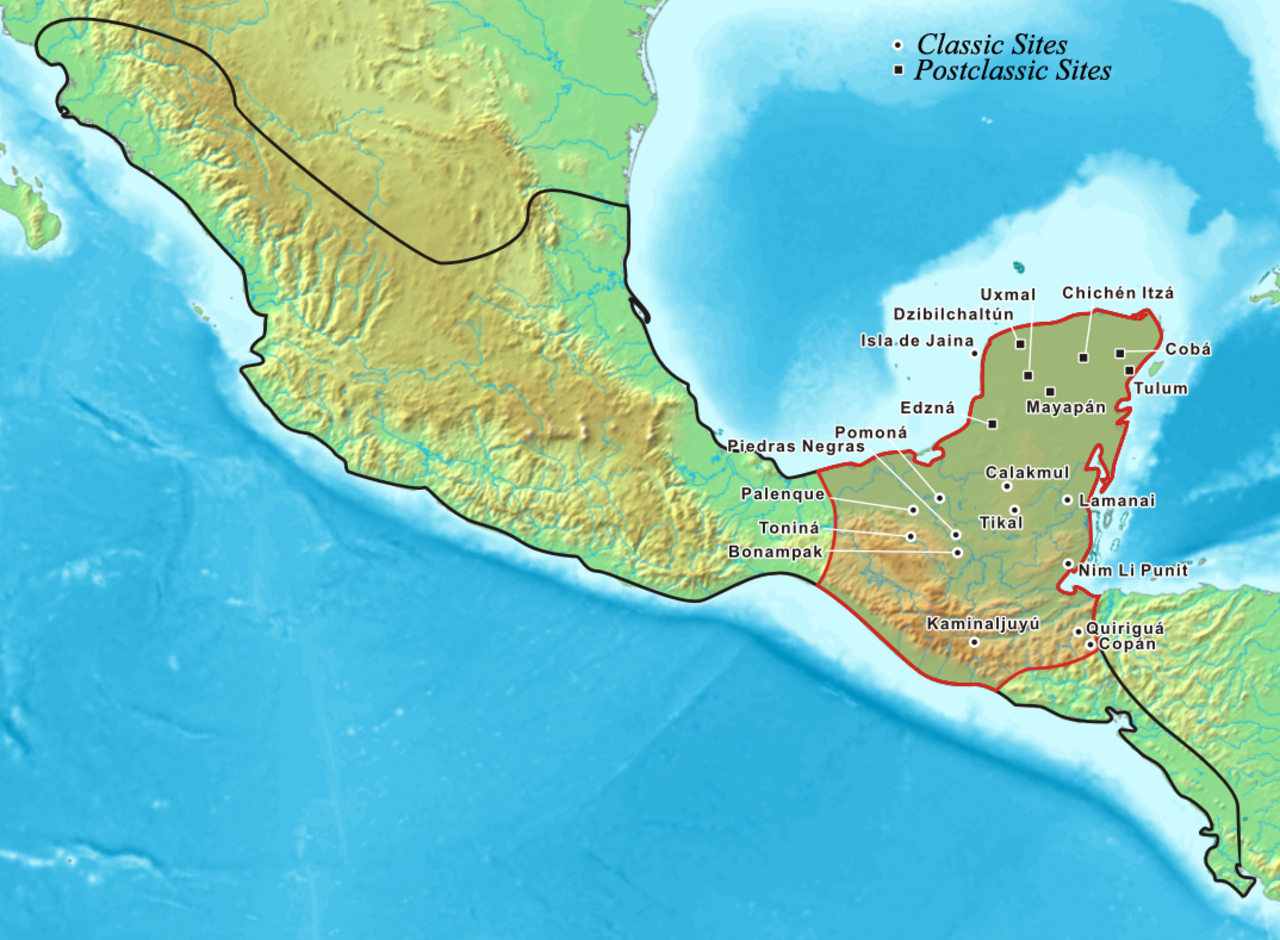
The Maya civilization was a complex and sophisticated civilization that existed in Mesoamerica from antiquity to the early modern period. It is known for its Maya script, which is the most sophisticated and highly developed writing system in the pre-Columbian Americas. The Maya civilization is also noted for its art, architecture, mathematics, calendar, and astronomical system. The civilization was located in what is now modern-day Mexico, Guatemala, Belize, and Honduras. The Maya civilization was a major Mesoamerican civilization that rivaled the Aztec civilization and the Olmec civilization.
📝 The Maya Script: A Sophisticated Writing System
The Maya script is a writing system that consists of over 700 glyphs, including logograms, phonetic symbols, and determinatives. The script was used to record historical events, mythological stories, and mathematical calculations. The Maya script is considered one of the most sophisticated writing systems in the ancient world, rivaling the Egyptian hieroglyphs and the Sumerian cuneiform. The script was deciphered in the 20th century by tattooed scribes and epigraphers. The Maya script is still studied today by scholars of Mesoamerica and linguists.
🕰️ Understanding the Maya Calendar and Astronomical System
The Maya calendar is a calendar system that consists of three interlocking cycles: the Tzolkin, the Haab, and the Long Count. The Tzolkin is a 260-day cycle that is used to measure time, while the Haab is a 365-day cycle that is used to measure the solar year. The Long Count is a system of measuring time that is based on the number of days that have passed since a fixed starting point. The Maya calendar is considered one of the most accurate calendar systems in the ancient world, rivaling the Julian calendar and the Gregorian calendar. The Maya calendar is still used today by some Mayan communities and scholars of Mesoamerica.
🎨 The Art and Architecture of the Maya Civilization
The art and architecture of the Maya civilization are known for their beauty and sophistication. Maya art includes pottery, sculpture, and painting, while Maya architecture includes temples, palaces, and ball courts. The Maya civilization is also known for its textiles, which include intricate weavings and embroidery. The art and architecture of the Maya civilization are considered some of the most impressive in the ancient world, rivaling the Greek art and the Roman architecture. The art and architecture of the Maya civilization are still studied today by art historians and archaeologists.
📚 The Mathematics of the Maya Civilization
The mathematics of the Maya civilization are known for their sophistication and accuracy. Maya mathematics includes a system of numbers that is based on the number 20, as well as a system of fractions and decimals. The Maya civilization is also known for its use of geometry and algebra in its mathematical calculations. The mathematics of the Maya civilization are considered some of the most advanced in the ancient world, rivaling the Babylonian mathematics and the Egyptian mathematics. The mathematics of the Maya civilization are still studied today by mathematicians and scholars of Mesoamerica.
🗺️ Geography and Trade in the Maya Civilization
The geography and trade of the Maya civilization played a significant role in its development and growth. The Maya civilization was located in a region that is now modern-day Mexico, Guatemala, Belize, and Honduras, and it traded with other civilizations in the region, including the Aztec civilization and the Olmec civilization. The Maya civilization also traded with civilizations in other regions, including the Inca civilization and the Mississippian culture. The geography and trade of the Maya civilization are considered some of the most important factors in its development and growth, and they are still studied today by geographers and historians.
💀 The Decline and Legacy of the Maya Civilization
The decline and legacy of the Maya civilization are still debated among scholars today. The Maya civilization declined in the 9th century AD, due to a combination of factors, including warfare, drought, and disease. The legacy of the Maya civilization can be seen in the many Mayan ruins that are found throughout Mesoamerica, as well as in the modern-day Mayan communities that still exist in the region. The legacy of the Maya civilization is also seen in the many scholars of Mesoamerica who continue to study and learn from the civilization's history and culture.
🔍 Archaeological Discoveries and Excavations
Archaeological discoveries and excavations have played a significant role in our understanding of the Maya civilization. Many Mayan ruins have been excavated and studied, including the famous Tikal and Palenque sites. These excavations have provided a wealth of information about the Maya civilization, including its history, art, and architecture. Archaeological discoveries and excavations continue to be made today, and they are providing new insights into the Maya civilization and its culture.
📊 The Economic System of the Maya Civilization
The economic system of the Maya civilization was based on agriculture and trade. The Maya civilization grew crops such as maize, beans, and squash, and it traded with other civilizations in the region for goods such as cacao, obsidian, and feathers. The economic system of the Maya civilization was also based on a system of bartering and gift giving. The economic system of the Maya civilization is considered one of the most interesting and complex in the ancient world, and it is still studied today by economists and historians.
🌎 The Environmental Impact of the Maya Civilization
The environmental impact of the Maya civilization is still debated among scholars today. The Maya civilization had a significant impact on the environment, including deforestation, soil erosion, and water pollution. However, the Maya civilization also had a number of sustainable practices, including agroforestry and permaculture. The environmental impact of the Maya civilization is considered one of the most important factors in its decline, and it is still studied today by environmental scientists and historians.
👥 The Cultural Significance of the Maya Civilization
The cultural significance of the Maya civilization is still felt today. The Maya civilization has had a significant impact on the culture and identity of the region, and it continues to be an important part of the region's heritage. The Maya civilization is also an important part of the cultural heritage of the world, and it continues to be studied and appreciated by people all over the world. The cultural significance of the Maya civilization is considered one of the most important factors in its legacy, and it is still celebrated and honored today by Mayan communities and scholars of Mesoamerica.
Key Facts
- Category
- topic
- Type
- topic
Frequently Asked Questions
What is the Maya civilization?
The Maya civilization was a complex and sophisticated civilization that existed in Mesoamerica from antiquity to the early modern period. It is known for its Maya script, art, architecture, mathematics, calendar, and astronomical system. The Maya civilization was a major Mesoamerican civilization that rivaled the Aztec civilization and the Olmec civilization.
What is the Maya script?
The Maya script is a writing system that consists of over 700 glyphs, including logograms, phonetic symbols, and determinatives. The script was used to record historical events, mythological stories, and mathematical calculations. The Maya script is considered one of the most sophisticated writing systems in the ancient world, rivaling the Egyptian hieroglyphs and the Sumerian cuneiform.
What is the Maya calendar?
The Maya calendar is a calendar system that consists of three interlocking cycles: the Tzolkin, the Haab, and the Long Count. The Tzolkin is a 260-day cycle that is used to measure time, while the Haab is a 365-day cycle that is used to measure the solar year. The Long Count is a system of measuring time that is based on the number of days that have passed since a fixed starting point. The Maya calendar is considered one of the most accurate calendar systems in the ancient world, rivaling the Julian calendar and the Gregorian calendar.
What is the significance of the Maya civilization?
The Maya civilization is significant because of its complex and sophisticated culture, which included a writing system, calendar system, mathematics, and astronomy. The Maya civilization is also significant because of its impact on the culture and identity of the region, and its continued influence on modern-day Mayan communities and scholars of Mesoamerica.
How did the Maya civilization decline?
What is the legacy of the Maya civilization?
The legacy of the Maya civilization can be seen in the many Mayan ruins that are found throughout Mesoamerica, as well as in the modern-day Mayan communities that still exist in the region. The legacy of the Maya civilization is also seen in the many scholars of Mesoamerica who continue to study and learn from the civilization's history and culture.
How has the Maya civilization influenced modern society?
The Maya civilization has had a significant influence on modern society, particularly in the fields of mathematics, astronomy, and calendar systems. The Maya civilization's writing system and calendar system are still studied and used today, and its mathematics and astronomy have had a lasting impact on our understanding of the world.