
Contents
- 🔧 Introduction to Mechanical Machines
- 💡 History of Mechanical Machines
- 🔩 Types of Mechanical Machines
- 📈 Mechanisms and Components
- 💻 Computer-Aided Design and Manufacturing
- 🔍 Mechanical Machine Safety and Maintenance
- 🌎 Industrial Applications of Mechanical Machines
- 🤖 Robotics and Automation in Mechanical Machines
- 📊 Mechanical Machine Efficiency and Performance
- 🚀 Future Developments in Mechanical Machines
- 📚 Conclusion and References
- Frequently Asked Questions
- Related Topics
Overview
Mechanical machines are the backbone of modern industry, providing the power and precision needed to manufacture goods, generate energy, and transport people and products. The history of mechanical machines dates back to the Industrial Revolution, when inventors like James Watt and Richard Trevithick developed the first steam-powered engines. Today, mechanical machines are used in a wide range of applications, from automotive engineering to aerospace engineering. As technology continues to advance, mechanical machines are becoming increasingly sophisticated, with the integration of computer-aided design and computer-aided manufacturing (CAD/CAM) systems. For example, companies like Siemens and GE are using CAD/CAM to design and manufacture complex mechanical systems, such as gas turbines and wind turbines.
💡 History of Mechanical Machines
The history of mechanical machines is a long and fascinating one, with roots dating back to ancient civilizations. The Ancient Greeks developed simple mechanical devices like the water wheel and the windmill, while the Industrial Revolution saw the development of more complex machines like the steam engine. The 20th century saw the rise of mass production and the development of new materials and technologies, such as plastics and composites. Today, mechanical machines are used in a wide range of applications, from consumer products to industrial equipment. For instance, companies like Caterpillar and John Deere are using mechanical machines to manufacture heavy equipment, such as bulldozers and tractors. As the field of mechanical engineering continues to evolve, it's likely that we'll see even more innovative applications of mechanical machines in the future, such as the development of advanced materials and nanotechnology.
🔩 Types of Mechanical Machines
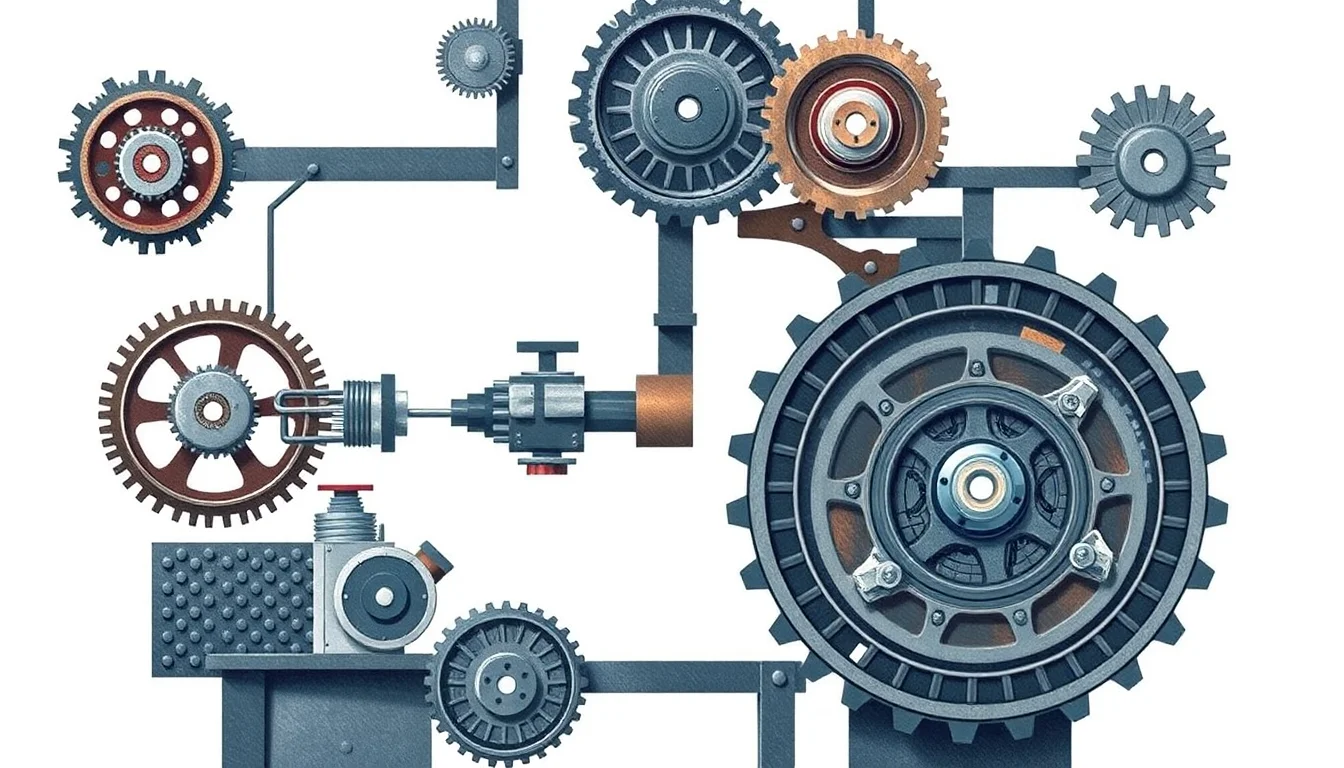
There are many different types of mechanical machines, each with its own unique characteristics and applications. Some common types of mechanical machines include pumps, turbines, and engines. These machines use a variety of mechanisms and components, such as gears, bearings, and motors, to transmit power and motion. For example, pump manufacturers like Grundfos and ITW use mechanical machines to design and manufacture pumps for various industries, including water treatment and oil and gas. Other types of mechanical machines include robots and machine tools, which are used in a wide range of applications, from manufacturing to healthcare. As technology continues to advance, we can expect to see even more innovative types of mechanical machines, such as soft robots and swarm robotics.
📈 Mechanisms and Components
Mechanical machines rely on a variety of mechanisms and components to function. These include linkages, cams, and gears, which are used to transmit power and motion. Other important components include bearings, seals, and fasteners, which are used to support and connect moving parts. For instance, companies like SKF and Timken specialize in designing and manufacturing bearings and other components for mechanical machines, such as gearboxes and transmissions. The design and manufacture of these components require a deep understanding of materials science and mechanics, as well as the use of advanced technologies like 3D printing and computer simulation. As the field of mechanical engineering continues to evolve, it's likely that we'll see even more innovative applications of mechanisms and components, such as the development of advanced composites and smart materials.
💻 Computer-Aided Design and Manufacturing
Computer-aided design (CAD) and computer-aided manufacturing (CAM) are essential tools for the design and manufacture of mechanical machines. These systems allow engineers to create detailed digital models of mechanical systems and simulate their behavior, reducing the need for physical prototypes and improving overall efficiency. For example, companies like Dassault Systèmes and PTC offer CAD/CAM software that enables engineers to design and manufacture complex mechanical systems, such as aircraft engines and medical devices. CAD/CAM systems also enable the use of advanced manufacturing technologies like 3D printing and CNC machining, which can produce complex shapes and geometries with high precision. As the field of mechanical engineering continues to evolve, it's likely that we'll see even more innovative applications of CAD/CAM, such as the development of artificial intelligence and machine learning algorithms for design and manufacturing.
🔍 Mechanical Machine Safety and Maintenance
Mechanical machine safety and maintenance are critical considerations in any industrial setting. Mechanical machines can be hazardous if not properly designed, installed, and maintained, and can cause serious injury or damage if they fail. For instance, companies like Rockwell Automation and Siemens offer safety solutions, such as safety controllers and sensors, to help prevent accidents and ensure compliance with regulations. Regular maintenance is also essential to ensure that mechanical machines continue to function properly and efficiently. This includes tasks like lubrication, alignment, and vibration analysis, which can help identify potential problems before they become major issues. As the field of mechanical engineering continues to evolve, it's likely that we'll see even more innovative applications of safety and maintenance technologies, such as the development of predictive maintenance and condition monitoring.
🌎 Industrial Applications of Mechanical Machines
Mechanical machines have a wide range of industrial applications, from manufacturing and processing to energy generation and transportation. They are used in a variety of industries, including automotive, aerospace, and chemical processing. For example, companies like Toyota and Boeing use mechanical machines to manufacture vehicles and aircraft, while companies like ExxonMobil and Shell use mechanical machines to extract and process oil and gas. Mechanical machines are also used in renewable energy applications, such as wind turbines and solar panels. As the field of mechanical engineering continues to evolve, it's likely that we'll see even more innovative applications of mechanical machines in industry, such as the development of advanced nuclear power and carbon capture.
🤖 Robotics and Automation in Mechanical Machines
Robots and automation are increasingly being used in mechanical machines to improve efficiency and productivity. Industrial robots can perform a variety of tasks, from welding and assembly to inspection and testing. For instance, companies like KUKA and ABB offer industrial robots that can be used in a wide range of applications, from manufacturing to logistics. Automation technologies like programmable logic controllers (PLCs) and SCADA systems are also used to control and monitor mechanical machines, allowing for real-time monitoring and optimization of performance. As the field of mechanical engineering continues to evolve, it's likely that we'll see even more innovative applications of robotics and automation, such as the development of collaborative robots and autonomous systems.
📊 Mechanical Machine Efficiency and Performance
Mechanical machine efficiency and performance are critical considerations in any industrial setting. Mechanical machines can be optimized for efficiency and performance using a variety of techniques, including design optimization and simulation. For example, companies like ANSYS and MSI offer simulation software that enables engineers to optimize the design and performance of mechanical machines, such as turbines and pumps. Regular maintenance is also essential to ensure that mechanical machines continue to function properly and efficiently. This includes tasks like condition monitoring and predictive maintenance, which can help identify potential problems before they become major issues. As the field of mechanical engineering continues to evolve, it's likely that we'll see even more innovative applications of efficiency and performance technologies, such as the development of advanced materials and smart sensors.
🚀 Future Developments in Mechanical Machines
The future of mechanical machines is likely to be shaped by a variety of technological and societal trends. One of the most significant trends is the increasing use of artificial intelligence and machine learning in mechanical machines. For instance, companies like Google and Microsoft are developing AI and machine learning algorithms that can be used to optimize the design and performance of mechanical machines, such as robots and drones. Another trend is the growing importance of sustainability and energy efficiency in mechanical machines. As concern about climate change and environmental sustainability continues to grow, mechanical machines are likely to play an increasingly important role in reducing energy consumption and greenhouse gas emissions. As the field of mechanical engineering continues to evolve, it's likely that we'll see even more innovative applications of mechanical machines, such as the development of advanced renewable energy and carbon-neutral technologies.
📚 Conclusion and References
In conclusion, mechanical machines are a vital part of modern industry, providing the power and precision needed to manufacture goods, generate energy, and transport people and products. As technology continues to advance, mechanical machines are becoming increasingly sophisticated, with the integration of CAD/CAM systems, robotics, and automation. The future of mechanical machines is likely to be shaped by a variety of technological and societal trends, including the increasing use of AI and machine learning, and the growing importance of sustainability and energy efficiency. For more information on mechanical machines, see Mechanical Engineering and Industrial Automation.
Key Facts
- Year
- 3000
- Origin
- Ancient Mesopotamia
- Category
- Mechanical Engineering
- Type
- Technology
Frequently Asked Questions
What is the history of mechanical machines?
The history of mechanical machines dates back to ancient civilizations, with the development of simple mechanical devices like the water wheel and windmill. The Industrial Revolution saw the development of more complex machines like the steam engine, and the 20th century saw the rise of mass production and the development of new materials and technologies. Today, mechanical machines are used in a wide range of applications, from consumer products to industrial equipment. For more information, see Industrial Revolution and Mechanical Engineering.
What are the different types of mechanical machines?
There are many different types of mechanical machines, each with its own unique characteristics and applications. Some common types of mechanical machines include pumps, turbines, and engines, as well as robots and machine tools. These machines use a variety of mechanisms and components, such as gears, bearings, and motors, to transmit power and motion. For more information, see Mechanical Engineering and Industrial Automation.
What is the importance of mechanical machine safety and maintenance?
Mechanical machine safety and maintenance are critical considerations in any industrial setting. Mechanical machines can be hazardous if not properly designed, installed, and maintained, and can cause serious injury or damage if they fail. Regular maintenance is essential to ensure that mechanical machines continue to function properly and efficiently, and includes tasks like lubrication, alignment, and vibration analysis. For more information, see Mechanical Engineering and Industrial Safety.
What is the future of mechanical machines?
The future of mechanical machines is likely to be shaped by a variety of technological and societal trends, including the increasing use of artificial intelligence and machine learning, and the growing importance of sustainability and energy efficiency. As concern about climate change and environmental sustainability continues to grow, mechanical machines are likely to play an increasingly important role in reducing energy consumption and greenhouse gas emissions. For more information, see Mechanical Engineering and Sustainability.
What are some examples of mechanical machines in industry?
Mechanical machines are used in a wide range of industrial applications, from manufacturing and processing to energy generation and transportation. Examples include pumps, turbines, and engines, as well as robots and machine tools. These machines are used in a variety of industries, including automotive, aerospace, and chemical processing. For more information, see Industrial Automation and Mechanical Engineering.
What is the role of CAD/CAM in mechanical machine design and manufacture?
Computer-aided design (CAD) and computer-aided manufacturing (CAM) are essential tools for the design and manufacture of mechanical machines. These systems allow engineers to create detailed digital models of mechanical systems and simulate their behavior, reducing the need for physical prototypes and improving overall efficiency. CAD/CAM systems also enable the use of advanced manufacturing technologies like 3D printing and CNC machining. For more information, see CAD/CAM and Mechanical Engineering.
What are some examples of mechanical machine efficiency and performance optimization?
Mechanical machine efficiency and performance can be optimized using a variety of techniques, including design optimization and simulation. Regular maintenance is also essential to ensure that mechanical machines continue to function properly and efficiently, and includes tasks like condition monitoring and predictive maintenance. For more information, see Mechanical Engineering and Industrial Automation.