
Contents
- 🏥 Introduction to Medical Diagnosis
- 💡 The Diagnostic Process
- 📝 Medical History and Physical Examination
- 🧬 Diagnostic Procedures and Tests
- 👨⚕️ The Role of Medical Professionals
- 🤝 Collaboration and Communication
- 📊 Diagnostic Errors and Challenges
- 🔍 Posthumous Diagnosis and Its Implications
- 📈 Advances in Medical Diagnosis
- 🌎 Global Health and Diagnosis
- 📊 The Economics of Medical Diagnosis
- Frequently Asked Questions
- Related Topics
Overview
Medical diagnosis is the cornerstone of healthcare, involving the intricate process of identifying and determining the nature of a disease or condition. With a history dating back to ancient civilizations, such as the contributions of Hippocrates (460-370 BCE) and Galen (129-216 CE), medical diagnosis has evolved significantly, incorporating advances in technology, genetics, and artificial intelligence. Today, diagnostic tools range from basic physical examinations and patient histories to sophisticated imaging technologies like MRI and CT scans, and genetic testing. The integration of AI and machine learning is poised to revolutionize diagnosis, offering potential for earlier detection and more personalized treatment plans. However, these advancements also raise questions about data privacy, the role of human intuition in diagnosis, and the potential for AI to exacerbate existing healthcare disparities. As medical diagnosis continues to evolve, it is crucial to address these challenges while harnessing the power of technology to improve patient outcomes. With a vibe score of 8, reflecting its significant cultural and medical impact, medical diagnosis remains at the forefront of healthcare innovation, influencing the future of medicine and patient care.
🏥 Introduction to Medical Diagnosis
Medical diagnosis is a complex and high-stakes process that requires careful consideration of a patient's symptoms, medical history, and test results. According to the Medical History of a patient, a diagnosis can be made by a combination of physical examination, Laboratory Tests, and Imaging Studies. The diagnostic process involves gathering information from various sources, including the patient's Symptoms and Medical History. A diagnosis is not just a label, but a crucial step in developing an effective treatment plan, as seen in Cancer Treatment and Infectious Disease Management. The accuracy of a diagnosis depends on the quality of the information collected and the expertise of the medical professional. As noted by Dr. Anthony Fauci, a renowned expert in Infectious Diseases, a correct diagnosis is essential for providing proper care.
💡 The Diagnostic Process
The diagnostic process typically begins with a thorough Medical History and Physical Examination. This information is used to identify potential causes of the patient's symptoms and to develop a differential diagnosis, as discussed in Differential Diagnosis. The doctor may also order Diagnostic Tests, such as Blood Work or Imaging Studies, to help confirm or rule out certain conditions. The results of these tests are then used to refine the diagnosis and develop a treatment plan, as seen in Chronic Disease Management. The diagnostic process is not always straightforward, and it may require multiple visits and tests to reach a definitive diagnosis, as noted in Complex Case Management. According to World Health Organization, a correct diagnosis is essential for providing proper care and improving patient outcomes.
📝 Medical History and Physical Examination
A thorough Medical History and Physical Examination are essential components of the diagnostic process. The medical history provides valuable information about the patient's symptoms, medical conditions, and lifestyle habits, as discussed in Lifestyle Medicine. The physical examination allows the doctor to assess the patient's overall health and identify any signs or symptoms that may be relevant to the diagnosis, as seen in Physical Medicine and Rehabilitation. The doctor may also use various diagnostic tools, such as a stethoscope or blood pressure monitor, to gather more information, as noted in Medical Device Regulation. By combining the information from the medical history and physical examination, the doctor can develop a comprehensive understanding of the patient's condition and make an accurate diagnosis, as discussed in Precision Medicine. According to American Medical Association, a thorough medical history and physical examination are essential for providing high-quality care.
🧬 Diagnostic Procedures and Tests
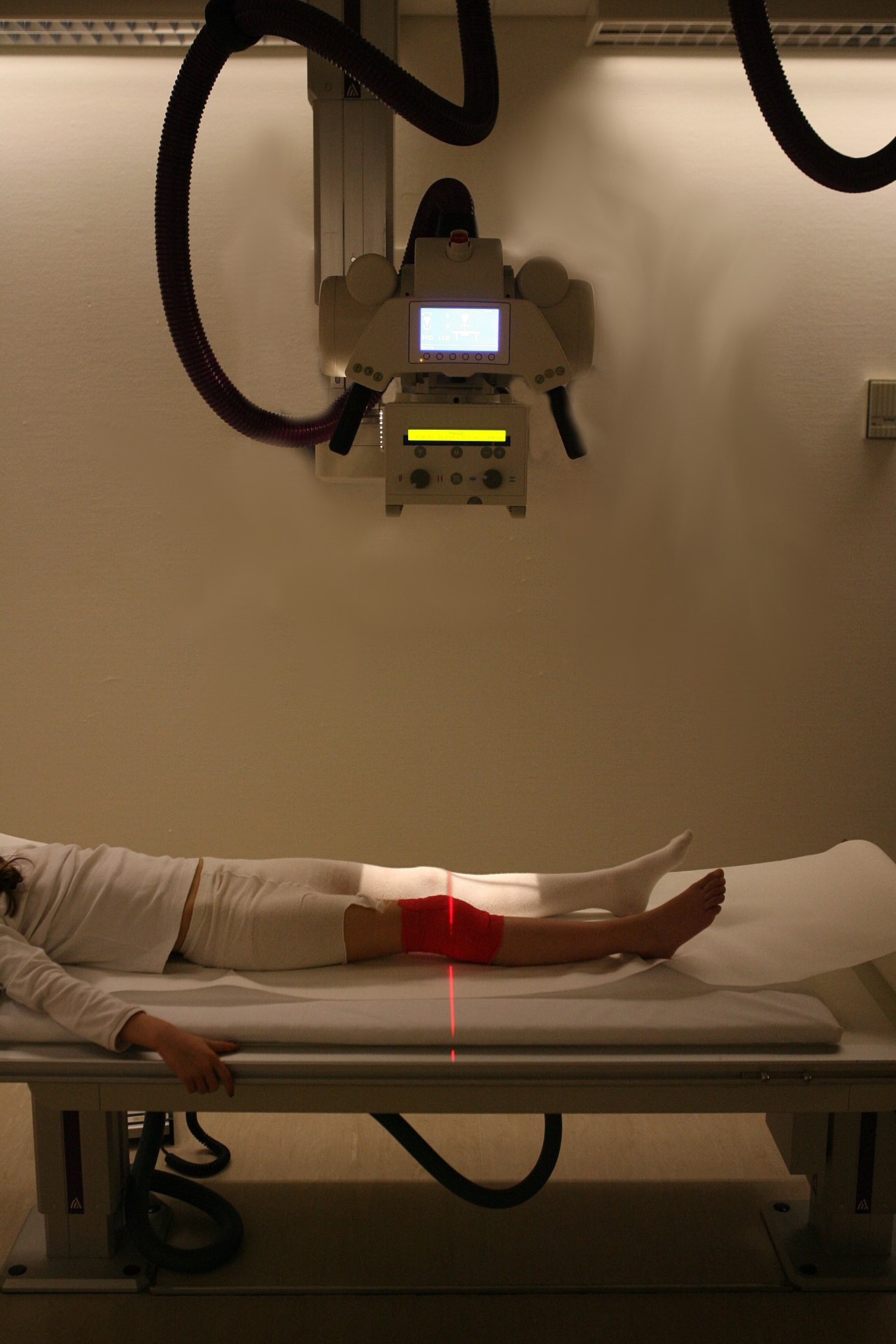
Diagnostic procedures and tests play a crucial role in the diagnostic process. These tests can help confirm or rule out certain conditions, and they can provide valuable information about the patient's overall health, as seen in Genetic Testing. Common diagnostic tests include Laboratory Tests, such as blood work or urinalysis, and Imaging Studies, such as X-rays or MRIs, as discussed in Radiology. The doctor may also order other tests, such as a Biopsy or a Lumbar Puncture, to gather more information, as noted in Pathology. The results of these tests are then used to refine the diagnosis and develop a treatment plan, as seen in Personalized Medicine. According to National Institutes of Health, diagnostic tests are essential for providing accurate diagnoses and improving patient outcomes.
👨⚕️ The Role of Medical Professionals
Medical professionals play a critical role in the diagnostic process. Doctors, nurses, and other healthcare professionals must work together to gather information, develop a diagnosis, and provide treatment, as discussed in Interprofessional Collaboration. The doctor is responsible for interpreting the results of diagnostic tests and developing a treatment plan, as seen in Clinical Decision Support. Nurses and other healthcare professionals may assist with the diagnostic process by collecting information, performing tests, and providing patient care, as noted in Nursing Practice. Effective communication and collaboration among healthcare professionals are essential for providing high-quality care, as discussed in Patient-Centered Care. According to Institute of Medicine, teamwork and communication are critical components of the diagnostic process.
🤝 Collaboration and Communication
Collaboration and communication are essential components of the diagnostic process. Healthcare professionals must work together to gather information, develop a diagnosis, and provide treatment, as seen in Team-Based Care. Effective communication is critical for ensuring that patients receive accurate and timely diagnoses, as discussed in Patient Communication. Doctors, nurses, and other healthcare professionals must communicate clearly and effectively with each other and with patients to ensure that everyone is informed and involved in the diagnostic process, as noted in Health Literacy. This includes sharing information about test results, diagnoses, and treatment plans, as discussed in Shared Decision Making. According to Joint Commission, effective communication is essential for providing high-quality care and improving patient outcomes.
📊 Diagnostic Errors and Challenges
Despite the importance of accurate diagnosis, diagnostic errors and challenges are common. According to the National Academy of Medicine, diagnostic errors affect an estimated 12 million adults in the United States each year, as discussed in Diagnostic Error. These errors can result from a variety of factors, including inadequate training, insufficient information, and cognitive biases, as seen in Cognitive Bias. Healthcare professionals must be aware of these challenges and take steps to mitigate them, such as using Checklists and Decision Support Tools. By working together and using evidence-based practices, healthcare professionals can reduce the risk of diagnostic errors and improve patient outcomes, as discussed in Patient Safety. According to Agency for Healthcare Research and Quality, diagnostic errors are a significant concern and require immediate attention.
🔍 Posthumous Diagnosis and Its Implications
Posthumous diagnosis is a type of medical diagnosis that is made after a person has died. This type of diagnosis can be important for several reasons, including providing closure for the family and helping to identify potential health risks for surviving relatives, as discussed in Genetic Counseling. Posthumous diagnosis can also help to advance medical knowledge and improve patient care, as seen in Autopsy. In some cases, a posthumous diagnosis may be made through an Autopsy or by reviewing the person's Medical History and test results, as noted in Death Certificate. According to World Health Organization, posthumous diagnosis is an important aspect of medical care and can provide valuable insights into the causes of death.
📈 Advances in Medical Diagnosis
Advances in medical diagnosis are continually improving the accuracy and effectiveness of the diagnostic process. New technologies, such as Artificial Intelligence and Machine Learning, are being developed to help healthcare professionals diagnose and treat diseases more effectively, as discussed in Digital Health. These technologies can help to analyze large amounts of data, identify patterns, and make predictions about patient outcomes, as seen in Predictive Analytics. Additionally, advances in Genomics and Precision Medicine are allowing healthcare professionals to tailor treatment plans to individual patients, as noted in Personalized Medicine. According to National Institutes of Health, advances in medical diagnosis are critical for improving patient outcomes and advancing medical knowledge.
🌎 Global Health and Diagnosis
Global health and diagnosis are closely linked. The World Health Organization plays a critical role in promoting global health and improving diagnostic capabilities around the world, as discussed in Global Health Initiatives. The organization works to develop and implement diagnostic guidelines, provide training and support for healthcare professionals, and promote the use of evidence-based practices, as seen in Evidence-Based Practice. Additionally, global health initiatives, such as the Global Fund, are working to improve access to diagnostic tests and treatments for diseases such as HIV and Tuberculosis. According to World Health Organization, global health and diagnosis are essential for improving patient outcomes and promoting health equity.
📊 The Economics of Medical Diagnosis
The economics of medical diagnosis are complex and multifaceted. The cost of diagnostic tests and procedures can be high, and healthcare systems must balance the need for accurate diagnoses with the need to control costs, as discussed in Health Economics. Additionally, the development and implementation of new diagnostic technologies can be expensive, and healthcare systems must carefully consider the potential benefits and costs of these technologies, as seen in Cost-Effectiveness Analysis. According to Agency for Healthcare Research and Quality, the economics of medical diagnosis are critical for ensuring that healthcare systems are sustainable and effective.
Key Facts
- Year
- 2023
- Origin
- Ancient Greece, with modern advancements in the 20th and 21st centuries
- Category
- Health and Medicine
- Type
- Medical Concept
Frequently Asked Questions
What is medical diagnosis?
Medical diagnosis is the process of determining which disease or condition explains a person's symptoms and signs. It involves gathering information from various sources, including the patient's medical history, physical examination, and diagnostic tests. The diagnostic process is not always straightforward, and it may require multiple visits and tests to reach a definitive diagnosis. According to World Health Organization, a correct diagnosis is essential for providing proper care and improving patient outcomes. As noted by Dr. Anthony Fauci, a renowned expert in Infectious Diseases, a correct diagnosis is essential for providing proper care.
What is the role of medical professionals in the diagnostic process?
Medical professionals play a critical role in the diagnostic process. Doctors, nurses, and other healthcare professionals must work together to gather information, develop a diagnosis, and provide treatment. The doctor is responsible for interpreting the results of diagnostic tests and developing a treatment plan. Nurses and other healthcare professionals may assist with the diagnostic process by collecting information, performing tests, and providing patient care. Effective communication and collaboration among healthcare professionals are essential for providing high-quality care, as discussed in Interprofessional Collaboration. According to Institute of Medicine, teamwork and communication are critical components of the diagnostic process.
What are some common diagnostic tests?
Common diagnostic tests include Laboratory Tests, such as blood work or urinalysis, and Imaging Studies, such as X-rays or MRIs. The doctor may also order other tests, such as a Biopsy or a Lumbar Puncture, to gather more information. The results of these tests are then used to refine the diagnosis and develop a treatment plan. According to National Institutes of Health, diagnostic tests are essential for providing accurate diagnoses and improving patient outcomes. As seen in Genetic Testing, diagnostic tests can provide valuable information about a patient's condition and help guide treatment decisions.
What is posthumous diagnosis?
Posthumous diagnosis is a type of medical diagnosis that is made after a person has died. This type of diagnosis can be important for several reasons, including providing closure for the family and helping to identify potential health risks for surviving relatives. Posthumous diagnosis can also help to advance medical knowledge and improve patient care. In some cases, a posthumous diagnosis may be made through an Autopsy or by reviewing the person's Medical History and test results. According to World Health Organization, posthumous diagnosis is an important aspect of medical care and can provide valuable insights into the causes of death.
How are advances in medical diagnosis improving patient care?
Advances in medical diagnosis are continually improving the accuracy and effectiveness of the diagnostic process. New technologies, such as Artificial Intelligence and Machine Learning, are being developed to help healthcare professionals diagnose and treat diseases more effectively. These technologies can help to analyze large amounts of data, identify patterns, and make predictions about patient outcomes. Additionally, advances in Genomics and Precision Medicine are allowing healthcare professionals to tailor treatment plans to individual patients. According to National Institutes of Health, advances in medical diagnosis are critical for improving patient outcomes and advancing medical knowledge.