
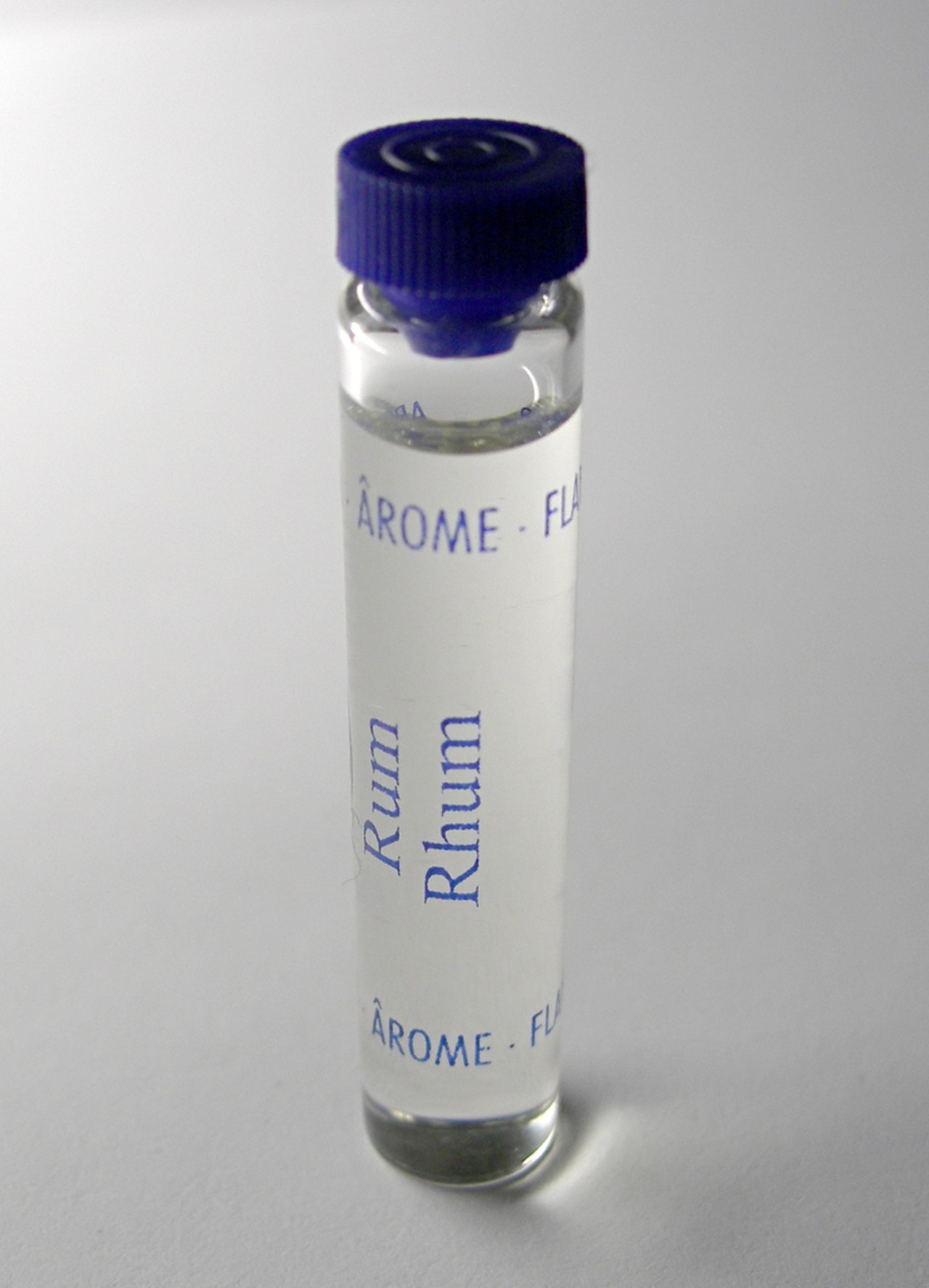
Contents
- 🌿 Introduction to Natural Flavorings
- 🍴 History of Flavorings
- 🧬 Chemistry of Flavor
- 🌸 Plant-Based Flavorings
- 🐝 Animal-Derived Flavorings
- 🧂 Microbial Fermentation
- 🎯 Modern Applications
- 🚀 Future of Natural Flavorings
- 👥 Industry Players
- 📊 Market Trends
- 🚫 Challenges and Controversies
- 📚 Conclusion
- Frequently Asked Questions
- Related Topics
Overview
Natural flavorings have been a cornerstone of human cuisine for millennia, with ancient civilizations such as the Egyptians and Chinese utilizing herbs and spices to enhance the taste of their dishes. Today, the market for natural flavorings is a multibillion-dollar industry, with companies like Givaudan and International Flavors & Fragrances leading the charge. However, the term 'natural' is often contested, with some arguing that it is nothing more than a marketing buzzword. According to a report by the National Institutes of Health, the global natural flavorings market is projected to reach $12.4 billion by 2025, with a growth rate of 6.5% per annum. Despite this growth, concerns over the environmental impact of large-scale herb and spice farming, as well as the potential health risks associated with certain natural flavorings, have sparked intense debate. As the demand for clean label products continues to rise, the natural flavorings industry must navigate these challenges while also innovating to meet the evolving tastes of consumers, with 75% of millennials willing to pay more for products with natural ingredients, according to a survey by the market research firm, Nielsen.
🌿 Introduction to Natural Flavorings
The world of natural flavorings is a complex and fascinating one, with a rich history that spans thousands of years. From ancient civilizations to modern times, humans have been using various substances to enhance the taste and smell of food. Food Science has played a crucial role in understanding the chemistry behind flavorings, and Flavor Profiles have become an essential tool for food manufacturers. Natural flavorings, in particular, have gained popularity in recent years due to growing consumer demand for healthier and more sustainable options. Natural Foods have become a staple in many households, and Organic Farming has become a preferred method of production.
🍴 History of Flavorings
The history of flavorings dates back to ancient times, when people used herbs, spices, and other plant-based ingredients to add flavor to their food. Spice Trade was a significant contributor to the development of global cuisine, and Herbalism played a crucial role in the discovery of new flavorings. As civilizations evolved, so did the use of flavorings, with the ancient Greeks and Romans using Garum, a fish-based sauce, to add flavor to their dishes. Food Preservation techniques, such as Fermentation, also played a significant role in the development of flavorings.
🧬 Chemistry of Flavor
The chemistry of flavor is a complex and multifaceted field, involving the study of Chemoceptors and the Gustatory System. Olfactory System also plays a crucial role in the perception of flavor, and Aroma Compounds are responsible for the smell of food. Flavor Chemistry is a vital aspect of food science, and Flavor Encapsulation has become a popular technique for preserving flavorings. Food Additives, such as Sweeteners and Preservatives, also impact the taste and smell of food.
🌸 Plant-Based Flavorings
Plant-based flavorings have been used for centuries, with Herbs and Spices being some of the most common ingredients. Essential Oils are also used to create natural flavorings, and Botanicals have become a popular choice for food manufacturers. Fruit Flavorings and Vegetable Flavorings are also widely used, and Plant-Based Meat alternatives have become increasingly popular. Veganism and Vegetarianism have driven the demand for plant-based flavorings, and Sustainability has become a key consideration for food manufacturers.
🐝 Animal-Derived Flavorings
Animal-derived flavorings have been used for centuries, with Gelatin and Honey being some of the most common ingredients. Dairy Flavorings and Egg Flavorings are also widely used, and Meat Flavorings have become a staple in many cuisines. However, the use of animal-derived flavorings has raised concerns about Animal Welfare and Environmental Impact. Cruelty-Free and Eco-Friendly alternatives have become increasingly popular, and Regulatory Frameworks have been established to ensure the humane treatment of animals.
🧂 Microbial Fermentation
Microbial fermentation is a process that involves the use of microorganisms to create flavorings. Fermentation Technology has advanced significantly in recent years, and Microbial Fermentation has become a popular method for producing natural flavorings. Yeast Flavorings and Bacterial Flavorings are widely used, and Enzyme Flavorings have become a popular choice for food manufacturers. Biotechnology has played a crucial role in the development of microbial fermentation, and Genetic Engineering has enabled the creation of new flavorings.
🎯 Modern Applications
Modern applications of natural flavorings are diverse and widespread. Food Manufacturing is a significant industry, and Beverage Industry has also seen a surge in demand for natural flavorings. Pharmaceutical Industry has also used natural flavorings to create Flavored Medications. Cosmetics Industry has also used natural flavorings to create Flavored Cosmetics. Sensory Evaluation has become a crucial aspect of product development, and Consumer Preference has driven the demand for natural flavorings.
🚀 Future of Natural Flavorings
The future of natural flavorings is exciting and uncertain. Sustainability will play a crucial role in the development of natural flavorings, and Regulatory Frameworks will continue to evolve. Biotechnology will also play a significant role in the creation of new flavorings, and Genetic Engineering will enable the development of new ingredients. Food Security will be a major concern, and Natural Flavorings will play a crucial role in ensuring the availability of healthy and sustainable food options.
👥 Industry Players
The natural flavorings industry is dominated by several key players, including Givaudan and Firmenich. Symrise and International Flavors & Fragrances are also significant players in the industry. Small and Medium-Sized Enterprises have also emerged as key players, and Startups have disrupted the industry with innovative products and technologies. Partnerships and Collaborations have become essential for driving growth and innovation in the industry.
📊 Market Trends
Market trends in the natural flavorings industry are driven by consumer demand for healthier and more sustainable options. Clean Label and Natural Ingredients have become essential for food manufacturers, and Sustainability has become a key consideration. E-Commerce has also disrupted the industry, and Digital Marketing has become essential for reaching consumers. Social Media has also played a significant role in shaping consumer preferences and driving demand for natural flavorings.
🚫 Challenges and Controversies
Despite the growing demand for natural flavorings, the industry faces several challenges and controversies. Regulatory Frameworks are often unclear or inconsistent, and Labeling Requirements can be confusing for consumers. Sustainability is also a major concern, and Environmental Impact of natural flavorings can be significant. Animal Welfare is also a concern, and Cruelty-Free alternatives have become increasingly popular.
📚 Conclusion
In conclusion, the evolution of natural flavorings has been a long and complex process, driven by advances in Food Science and Biotechnology. As the industry continues to evolve, it is essential to consider the Sustainability and Environmental Impact of natural flavorings. Consumer Preference will continue to drive demand for natural flavorings, and Innovation will be essential for meeting the changing needs of consumers. Natural Flavorings will play a crucial role in shaping the future of the food industry, and Sustainability will be a key consideration for food manufacturers.
Key Facts
- Year
- 2022
- Origin
- Ancient Egypt and China, with modern industry roots in 19th-century Europe
- Category
- Food Science
- Type
- Industry
Frequently Asked Questions
What are natural flavorings?
Natural flavorings are substances used to enhance the taste or smell of food, derived from natural sources such as plants, animals, or microorganisms. Natural Flavorings can be used to create a wide range of flavors, from Fruit Flavorings to Meat Flavorings. Food Science has played a crucial role in understanding the chemistry behind natural flavorings, and Flavor Profiles have become an essential tool for food manufacturers.
How are natural flavorings created?
Natural flavorings can be created through various methods, including Fermentation, Distillation, and Extraction. Microbial Fermentation is a popular method for producing natural flavorings, and Enzyme Flavorings have become a popular choice for food manufacturers. Biotechnology has also played a significant role in the creation of new flavorings, and Genetic Engineering has enabled the development of new ingredients.
What are the benefits of natural flavorings?
Natural flavorings have several benefits, including Sustainability, Environmental Benefits, and Health Benefits. Natural Flavorings can also enhance the taste and smell of food, and Consumer Preference has driven the demand for natural flavorings. Food Security will be a major concern, and Natural Flavorings will play a crucial role in ensuring the availability of healthy and sustainable food options.
What are the challenges facing the natural flavorings industry?
The natural flavorings industry faces several challenges, including Regulatory Frameworks, Sustainability, and Environmental Impact. Labeling Requirements can be confusing for consumers, and Animal Welfare is also a concern. Cruelty-Free alternatives have become increasingly popular, and Innovation will be essential for meeting the changing needs of consumers.
What is the future of natural flavorings?
The future of natural flavorings is exciting and uncertain, with Sustainability and Biotechnology playing a crucial role in the development of new flavorings. Genetic Engineering will enable the creation of new ingredients, and Consumer Preference will continue to drive demand for natural flavorings. Food Security will be a major concern, and Natural Flavorings will play a crucial role in ensuring the availability of healthy and sustainable food options.
How can I learn more about natural flavorings?
You can learn more about natural flavorings by visiting the Vibepedia website, which provides a wealth of information on Food Science, Flavor Chemistry, and Natural Flavorings. You can also explore Related Topics such as Sustainability, Organic Farming, and Biotechnology.
What are some common applications of natural flavorings?
Natural flavorings have a wide range of applications, including Food Manufacturing, Beverage Industry, and Pharmaceutical Industry. Cosmetics Industry has also used natural flavorings to create Flavored Cosmetics. Sensory Evaluation has become a crucial aspect of product development, and Consumer Preference has driven the demand for natural flavorings.