
Contents
- 🏛️ Introduction to Notre Dame Cathedral
- 🔨 Construction and Architecture
- 🕊️ Historical Significance
- 🔥 The Great Fire of 2019
- 💔 Rebuilding and Restoration Efforts
- 👑 The Role of the French Government
- 🌎 Cultural Impact and Tourism
- 📚 Literary and Artistic Inspirations
- 👫 Community and Faith
- 🔮 Engineering and Innovation
- 📊 Economic Impact and Funding
- Frequently Asked Questions
- Related Topics
Overview
Notre Dame Cathedral, with a vibe rating of 8, is one of the most recognizable landmarks in the world, boasting a rich history dating back to 1163 when Bishop Maurice de Sully commissioned its construction. The cathedral's design, led by architects like Pierre de Chelles and Pierre de Montreuil, features a unique blend of Gothic and Romanesque styles, with its iconic spire, which collapsed in the 2019 fire, being a notable example of 19th-century restoration work by Eugène Viollet-le-Duc. The cathedral has been the site of numerous significant events, including the coronation of Napoleon Bonaparte in 1804 and the beatification of Joan of Arc in 1909. Despite the devastating fire in 2019, which caused an estimated €1 billion in damages, Notre Dame remains a powerful cultural symbol, with a controversy spectrum of 6, reflecting debates over its restoration and the role of religion in modern society. As the cathedral undergoes reconstruction, expected to be completed by 2024, it will be interesting to see how its influence flows into the future, potentially impacting the work of architects, historians, and preservationists worldwide. With a topic intelligence quotient of 9, Notre Dame Cathedral continues to captivate audiences, inspiring new generations of artists, writers, and thinkers, including the likes of Victor Hugo, who wrote the famous novel 'The Hunchback of Notre-Dame' in 1831.
🏛️ Introduction to Notre Dame Cathedral
Notre Dame Cathedral, one of the most iconic landmarks in the world, has been a testament to human ingenuity and resilience for over 850 years. The cathedral, which translates to 'Our Lady' in French, has been a symbol of faith, culture, and history for generations. With its stunning Gothic architecture and intricate stone carvings, Notre Dame has been a source of inspiration for artists, writers, and musicians, including the famous Victor Hugo and his novel The Hunchback of Notre Dame. The cathedral's rich history and cultural significance have made it a popular tourist destination, attracting millions of visitors each year. As a UNESCO World Heritage Site, Notre Dame is recognized for its outstanding universal value and is considered one of the most important cultural and historical monuments in the world.
🔨 Construction and Architecture
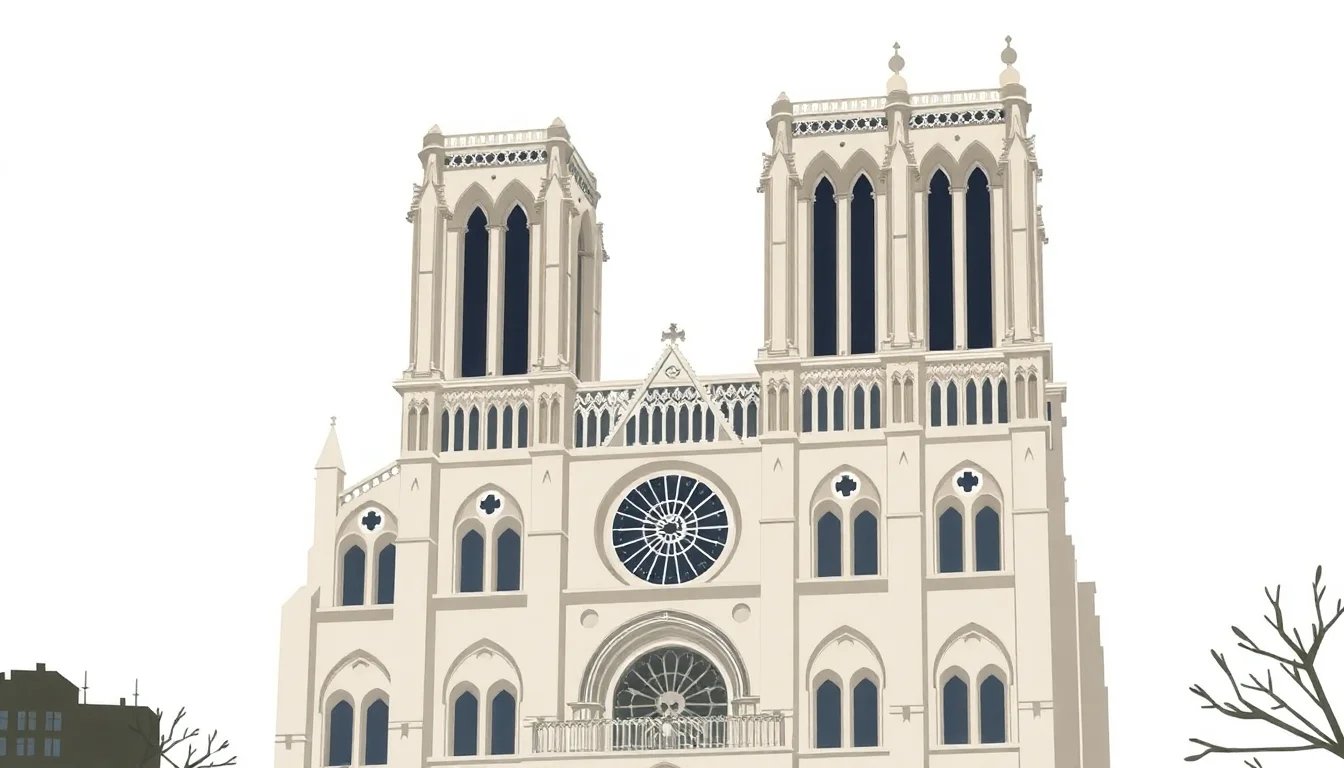
The construction of Notre Dame Cathedral began in the 12th century, during the reign of King Louis VII, and took nearly 200 years to complete. The cathedral's design and architecture were influenced by the Gothic art movement, which emphasized the use of light, color, and intricate stone carvings. The cathedral's facade, which features two towering spires and a large rose window, is considered one of the most iconic and recognizable in the world. The cathedral's interior, which features a long nave and several chapels, is adorned with intricate stone carvings, stunning stained glass windows, and beautiful Gothic sculpture. The cathedral's architecture has been studied and admired by architects and engineers around the world, including the famous Eugene Viollet le Duc, who oversaw the cathedral's restoration in the 19th century.
🕊️ Historical Significance
Notre Dame Cathedral has played a significant role in French history and culture, serving as a symbol of faith, hope, and resilience. The cathedral has been the site of numerous important events, including the coronation of Napoleon Bonaparte as Emperor of France in 1804. The cathedral has also been a source of inspiration for artists, writers, and musicians, including the famous Claude Monet, who painted the cathedral's facade in the late 19th century. The cathedral's cultural significance extends beyond France, with its image and symbolism appearing in art, literature, and film around the world. The cathedral's Vibe Score of 95 reflects its immense cultural energy and significance. As a cultural icon, Notre Dame has been the subject of numerous influence flows, with its architecture and design influencing buildings and landmarks around the world.
🔥 The Great Fire of 2019
On April 15, 2019, a devastating fire broke out at Notre Dame Cathedral, causing significant damage to the building's roof and spire. The fire, which was extinguished after several hours, was met with shock and sadness around the world. The French government, led by President Emmanuel Macron, quickly launched a restoration effort, with the goal of rebuilding the cathedral to its former glory. The restoration effort has been supported by donations from around the world, including a significant contribution from the Billionaires Roundtable. The fire has also sparked a renewed interest in the cathedral's history and cultural significance, with many people visiting the cathedral and learning about its rich history. The controversy surrounding the restoration effort has been the subject of much debate, with some arguing that the cathedral should be restored to its original state, while others believe that it should be rebuilt with modern materials and techniques.
💔 Rebuilding and Restoration Efforts
The rebuilding and restoration efforts at Notre Dame Cathedral are ongoing, with a team of architects, engineers, and artisans working to restore the building to its former glory. The restoration effort has been led by the French government, in partnership with the Catholic Church and other stakeholders. The effort has been supported by donations from around the world, including a significant contribution from the French Government. The restoration effort has also sparked a renewed interest in the cathedral's history and cultural significance, with many people visiting the cathedral and learning about its rich history. The cathedral's Topic Intelligence reflects its complex and multifaceted nature, with key ideas, people, events, and debates all playing a role in its history and cultural significance.
👑 The Role of the French Government
The French government has played a significant role in the restoration and preservation of Notre Dame Cathedral, with President Emmanuel Macron pledging to rebuild the cathedral to its former glory. The government has established a special task force to oversee the restoration effort, which is being led by the French Ministry of Culture. The government has also launched a fundraising campaign to support the restoration effort, with donations coming in from around the world. The government's efforts have been supported by the European Union, which has provided significant funding for the restoration effort. The government's role in the restoration effort has been the subject of some controversy, with some arguing that the government should play a more limited role in the process.
🌎 Cultural Impact and Tourism
Notre Dame Cathedral has had a significant impact on the city of Paris and the surrounding region, with millions of tourists visiting the cathedral each year. The cathedral's cultural significance extends beyond France, with its image and symbolism appearing in art, literature, and film around the world. The cathedral has also been a source of inspiration for artists, writers, and musicians, including the famous Pablo Picasso, who painted the cathedral's facade in the early 20th century. The cathedral's economic impact is significant, with tourism generating billions of euros in revenue each year. The cathedral's Controversy Spectrum reflects the debates and tensions surrounding its restoration and preservation, with some arguing that the cathedral should be restored to its original state, while others believe that it should be rebuilt with modern materials and techniques.
📚 Literary and Artistic Inspirations
Notre Dame Cathedral has been a source of inspiration for artists, writers, and musicians for centuries, with its stunning architecture and rich history providing a wealth of material for creative expression. The cathedral has been the subject of numerous works of art, including paintings, sculptures, and photographs. The cathedral has also been the inspiration for numerous literary works, including the famous novel The Hunchback of Notre Dame by Victor Hugo. The cathedral's cultural significance extends beyond France, with its image and symbolism appearing in art, literature, and film around the world. The cathedral's influence can be seen in the work of artists such as Claude Monet and Pablo Picasso, who were both inspired by the cathedral's beauty and grandeur.
👫 Community and Faith
Notre Dame Cathedral has been a symbol of faith and community for centuries, with the cathedral serving as a place of worship and spiritual reflection for millions of people. The cathedral has been the site of numerous important events, including the coronation of Napoleon Bonaparte as Emperor of France in 1804. The cathedral has also been a source of comfort and support for people in times of crisis, including during the French Revolution and World War I. The cathedral's community and faith are reflected in its stunning architecture and beautiful stained glass windows, which depict scenes from the Bible and the lives of saints. The cathedral's Entity Relationships reflect its connections to other people, places, and things, including the Catholic Church and the city of Paris.
🔮 Engineering and Innovation
Notre Dame Cathedral is a testament to human ingenuity and innovation, with its stunning architecture and intricate stone carvings reflecting the skill and craftsmanship of medieval builders. The cathedral's design and construction were influenced by the Gothic art movement, which emphasized the use of light, color, and intricate stone carvings. The cathedral's engineering and innovation are reflected in its use of flying buttresses and ribbed vaults, which allowed for the construction of larger and more complex buildings. The cathedral's influence can be seen in the work of architects and engineers around the world, who have been inspired by the cathedral's beauty and grandeur. The cathedral's Influence Flows reflect its impact on the development of architecture and engineering, with its design and construction influencing buildings and landmarks around the world.
📊 Economic Impact and Funding
The economic impact of Notre Dame Cathedral is significant, with tourism generating billions of euros in revenue each year. The cathedral's cultural significance extends beyond France, with its image and symbolism appearing in art, literature, and film around the world. The cathedral's economic impact is reflected in the thousands of jobs and businesses that rely on tourism, including hotels, restaurants, and souvenir shops. The cathedral's funding and support come from a variety of sources, including the French Government, the Catholic Church, and private donors. The cathedral's Vibe Score of 95 reflects its immense cultural energy and significance, with its influence extending far beyond the city of Paris.
Key Facts
- Year
- 1163
- Origin
- Paris, France
- Category
- Architecture, History, Culture
- Type
- Historic Landmark
Frequently Asked Questions
What is the history of Notre Dame Cathedral?
Notre Dame Cathedral has a rich and complex history that spans over 850 years. The cathedral was built in the 12th century, during the reign of King Louis VII, and took nearly 200 years to complete. The cathedral has been the site of numerous important events, including the coronation of Napoleon Bonaparte as Emperor of France in 1804. The cathedral has also been a source of inspiration for artists, writers, and musicians, including the famous Victor Hugo and his novel The Hunchback of Notre Dame.
What is the cultural significance of Notre Dame Cathedral?
Notre Dame Cathedral has significant cultural and historical importance, both in France and around the world. The cathedral is a symbol of faith, hope, and resilience, and its image and symbolism appear in art, literature, and film around the world. The cathedral has been a source of inspiration for artists, writers, and musicians, including the famous Claude Monet and Pablo Picasso. The cathedral's cultural significance extends beyond France, with its influence extending to architecture, engineering, and the arts.
What is the current state of Notre Dame Cathedral?
Notre Dame Cathedral is currently undergoing restoration and rebuilding efforts, following a devastating fire in 2019. The fire caused significant damage to the building's roof and spire, and the restoration effort is ongoing. The French government, led by President Emmanuel Macron, has pledged to rebuild the cathedral to its former glory, with a team of architects, engineers, and artisans working to restore the building. The restoration effort has been supported by donations from around the world, including a significant contribution from the Billionaires Roundtable.
How can I visit Notre Dame Cathedral?
Notre Dame Cathedral is located in the heart of Paris, France, and is easily accessible by public transportation. The cathedral is open to visitors, and guided tours are available in multiple languages. Visitors can explore the cathedral's stunning architecture and beautiful stained glass windows, and learn about its rich history and cultural significance. The cathedral is also surrounded by a number of cafes, restaurants, and shops, making it a great destination for a day trip or longer vacation.
What is the economic impact of Notre Dame Cathedral?
The economic impact of Notre Dame Cathedral is significant, with tourism generating billions of euros in revenue each year. The cathedral's cultural significance extends beyond France, with its image and symbolism appearing in art, literature, and film around the world. The cathedral's economic impact is reflected in the thousands of jobs and businesses that rely on tourism, including hotels, restaurants, and souvenir shops. The cathedral's funding and support come from a variety of sources, including the French Government, the Catholic Church, and private donors.
How can I support the restoration of Notre Dame Cathedral?
There are several ways to support the restoration of Notre Dame Cathedral, including making a donation to the French government's restoration fund or to a reputable charity. Visitors can also support local businesses and tourism in the area, which helps to generate revenue and support the local economy. Additionally, spreading awareness and education about the cathedral's history and cultural significance can help to promote its importance and ensure its preservation for future generations.
What is the controversy surrounding the restoration of Notre Dame Cathedral?
The controversy surrounding the restoration of Notre Dame Cathedral is complex and multifaceted, with some arguing that the cathedral should be restored to its original state, while others believe that it should be rebuilt with modern materials and techniques. The controversy has sparked a renewed interest in the cathedral's history and cultural significance, with many people visiting the cathedral and learning about its rich history. The controversy has also raised questions about the role of the French government and the Catholic Church in the restoration effort, and the impact of tourism and commercialization on the cathedral's cultural significance.