
Contents
- 🌱 Introduction to Okra
- 🌿 Origins and History
- 🍴 Culinary Uses and Preparations
- 🌎 Global Cultivation and Trade
- 👥 Cultural Significance and Symbolism
- 🤝 Okra in Traditional Medicine
- 🌟 Nutrition and Health Benefits
- 🌪️ Controversies and Criticisms
- 🌈 Okra in Modern Cuisine
- 📊 Economic Impact and Market Trends
- 🌐 Okra in International Relations
- Frequently Asked Questions
- Related Topics
Overview
Okra, a plant with origins dating back to ancient Ethiopia around 2000 BCE, has become a staple in many global cuisines, particularly in African, Asian, and Southern American cooking. With a vibe score of 8, okra is a highly debated topic, sparking both admiration and disdain due to its unique texture and flavor. The okra plant, also known as lady's fingers, is not only a food source but also a symbol of cultural heritage, with its influence flowing from traditional African dishes like gumbo and jambalaya to modern fusion cuisine. According to food historian, Jessica B. Harris, okra was introduced to the Americas through the transatlantic slave trade, highlighting the complex and often fraught history of the vegetable. As the world becomes increasingly interconnected, okra's cultural significance and culinary versatility will continue to evolve, with chefs like Marcus Samuelsson and Levi Roots popularizing okra-based dishes. With over 1.5 million metric tons of okra produced globally in 2020, the future of this humble vegetable looks bright, but will it become a staple in every kitchen, or will its divisive nature continue to spark debate?
🌱 Introduction to Okra
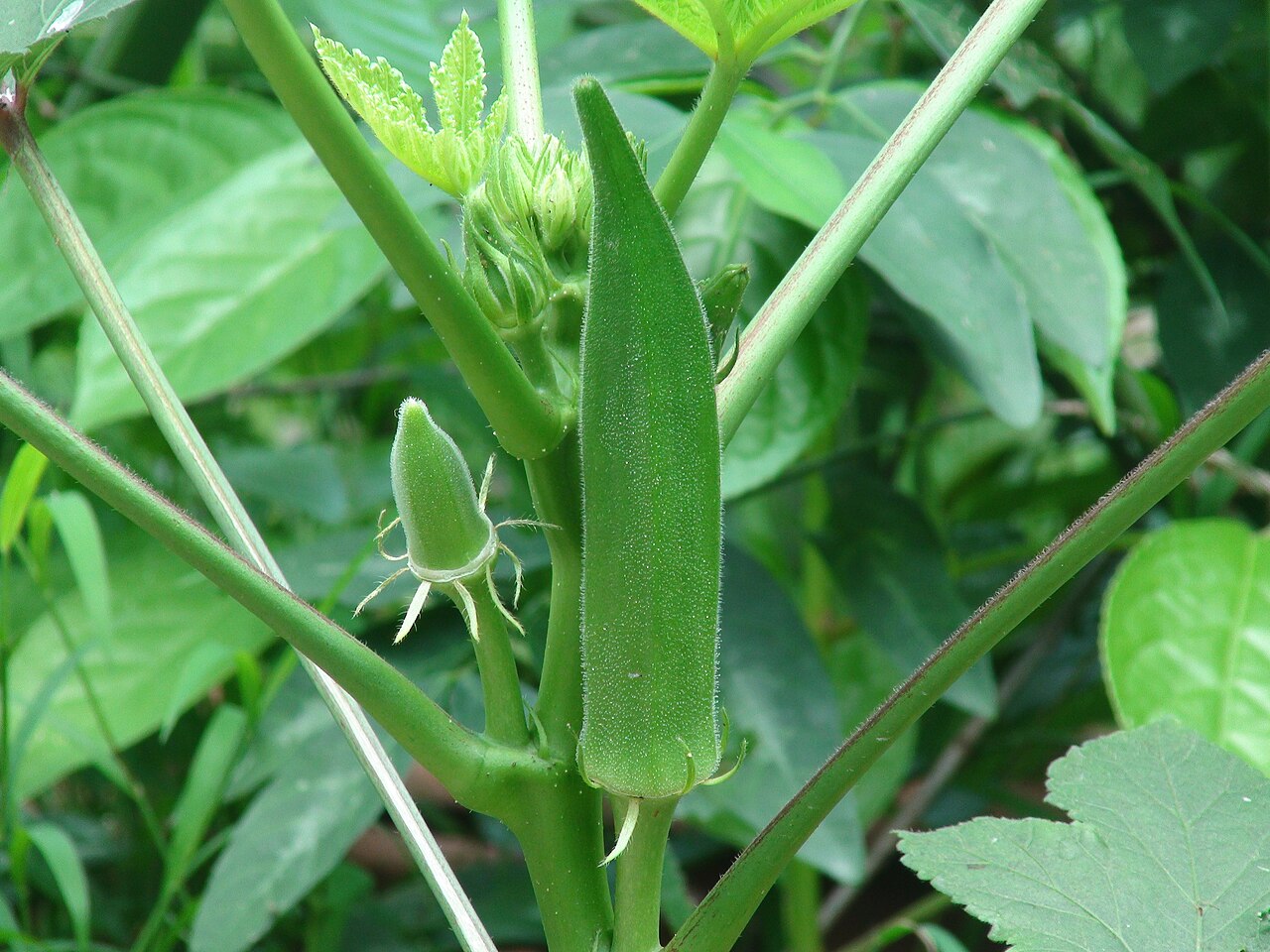
Okra, also known as lady's fingers, is a versatile and nutritious vegetable that has been a staple in many cuisines around the world. Native to East Africa, okra is a flowering plant that belongs to the mallow family. With its edible green seed pods, okra is used in a variety of dishes, from Southern American gumbo to Indian curries. The unique texture and flavor of okra have made it a popular ingredient in many international cuisines.
🌿 Origins and History
The history of okra dates back to ancient times, with evidence of its cultivation found in Ancient Egypt and Ancient China. Okra was introduced to the Americas by African slaves, who brought their culinary traditions with them. Today, okra is grown in many parts of the world, with major producers including China, India, and Nigeria. The global cultivation of okra has led to the development of various okra varieties, each with its unique characteristics and uses.
🍴 Culinary Uses and Preparations
Okra is a versatile ingredient that can be used in a variety of dishes, from stews and braises to salads and soups. In Southern American cuisine, okra is often used in gumbo, a hearty stew made with a combination of ingredients, including okra, rice, and Andouille sausage. In Indian cuisine, okra is often used in curries and stir-fries, where it is cooked with a variety of spices and herbs, including turmeric, cumin, and coriander.
🌎 Global Cultivation and Trade
The global trade of okra has become a significant industry, with many countries relying on imports to meet their domestic demand. The major exporters of okra include China, India, and Thailand, while the major importers include the United States, European Union, and Japan. The global trade of okra has led to the development of new okra products, including frozen okra and canned okra.
👥 Cultural Significance and Symbolism
Okra has significant cultural and symbolic meanings in many societies. In African culture, okra is often associated with fertility and abundance, and is used in traditional ceremonies and rituals. In Indian culture, okra is considered a lucky food and is often served during special occasions, such as Diwali and Holi. The cultural significance of okra has led to the development of various okra festivals and events, where okra is celebrated as a symbol of community and tradition.
🤝 Okra in Traditional Medicine
Okra has been used in traditional medicine for centuries, particularly in African traditional medicine and Ayurvedic medicine. The plant is believed to have various health benefits, including anti-inflammatory and antioxidant properties. Okra is also used to treat various health conditions, including diabetes and high blood pressure. The use of okra in traditional medicine has led to the development of new okra-based medicines and treatments.
🌟 Nutrition and Health Benefits
Okra is a nutrient-rich food that is high in fiber, vitamins, and minerals. It is also low in calories and fat, making it a popular ingredient in healthy cooking. The health benefits of okra have made it a popular ingredient in many health food products, including smoothies and salad dressings.
🌪️ Controversies and Criticisms
Despite its many benefits, okra has also been the subject of controversy and criticism. Some people find the texture of okra to be slimy and unappealing, while others have raised concerns about the environmental impact of okra cultivation. The use of pesticides and fertilizers in okra farming has led to concerns about the sustainability of the industry. The controversy surrounding okra has led to the development of new sustainable okra farming practices and initiatives.
🌈 Okra in Modern Cuisine
In recent years, okra has become a popular ingredient in modern cuisine, particularly in fine dining restaurants. Chefs have experimented with new ways of preparing okra, including pickling and grilling. The use of okra in modern cuisine has led to the development of new okra-based dishes, including okra tacos and okra burgers.
📊 Economic Impact and Market Trends
The economic impact of the okra industry is significant, with the global market valued at over $10 billion. The industry provides employment opportunities for millions of people, particularly in rural areas where okra is cultivated. The economic benefits of the okra industry have led to the development of new okra-based products, including okra oil and okra flour.
🌐 Okra in International Relations
The international trade of okra has also had a significant impact on global relations. The industry has led to the development of new trade agreements and economic partnerships between countries. The global trade of okra has also raised concerns about food security and sustainability, particularly in developing countries.
Key Facts
- Year
- 2000
- Origin
- Ethiopia
- Category
- Food and Culture
- Type
- Food Ingredient
Frequently Asked Questions
What is okra and where is it from?
Okra, also known as lady's fingers, is a flowering plant that belongs to the mallow family. It is native to East Africa and is cultivated in many parts of the world for its edible green seed pods. Okra is a versatile ingredient that is used in a variety of dishes, from Southern American gumbo to Indian curries.
What are the health benefits of okra?
Okra is a nutrient-rich food that is high in fiber, vitamins, and minerals. It is also low in calories and fat, making it a popular ingredient in healthy cooking. Okra has been shown to have various health benefits, including anti-inflammatory and antioxidant properties.
How is okra used in traditional medicine?
Okra has been used in traditional medicine for centuries, particularly in African traditional medicine and Ayurvedic medicine. The plant is believed to have various health benefits, including anti-inflammatory and antioxidant properties. Okra is also used to treat various health conditions, including diabetes and high blood pressure.
What are the economic benefits of the okra industry?
The economic impact of the okra industry is significant, with the global market valued at over $10 billion. The industry provides employment opportunities for millions of people, particularly in rural areas where okra is cultivated. The economic benefits of the okra industry have led to the development of new okra-based products, including okra oil and okra flour.
What are the controversies surrounding okra?
Despite its many benefits, okra has also been the subject of controversy and criticism. Some people find the texture of okra to be slimy and unappealing, while others have raised concerns about the environmental impact of okra cultivation. The use of pesticides and fertilizers in okra farming has led to concerns about the sustainability of the industry.
How is okra used in modern cuisine?
In recent years, okra has become a popular ingredient in modern cuisine, particularly in fine dining restaurants. Chefs have experimented with new ways of preparing okra, including pickling and grilling. The use of okra in modern cuisine has led to the development of new okra-based dishes, including okra tacos and okra burgers.
What is the global trade of okra like?
The global trade of okra is significant, with major exporters including China, India, and Thailand. The major importers of okra include the United States, European Union, and Japan. The global trade of okra has led to the development of new okra-based products, including frozen okra and canned okra.