
Contents
- 🏯 Introduction to the Olmec Civilization
- 🔍 Uncovering the Origins of the Olmec
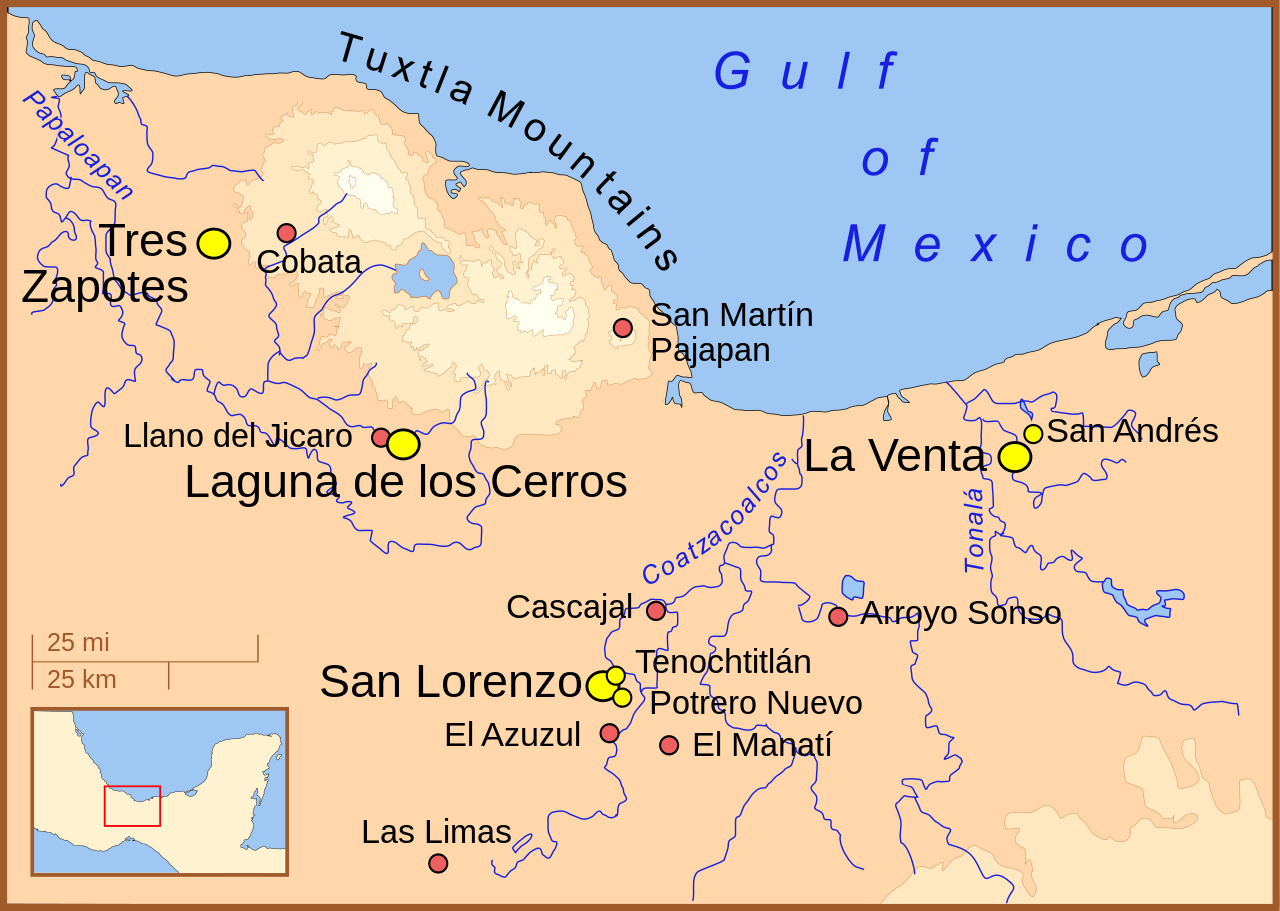
- 🗺️ The Rise of San Lorenzo Tenochtitlán
- 🌆 The Shift to La Venta
- 🏞️ The Decline of the Olmec Civilization
- 👥 The Legacy of the Olmec
- 🤔 The Enigma of the Olmec Collapse
- 📚 Unraveling the Mysteries of the Olmec
- 🕊️ The Cultural Significance of the Olmec
- 🌐 The Influence of the Olmec on Mesoamerica
- 👑 The Role of the Olmec in Mesoamerican History
- 🔮 The Enduring Fascination with the Olmec
- Frequently Asked Questions
- Related Topics
Overview
The Olmec civilization, which flourished from 1500 BCE to 400 BCE in the tropical lowlands of south-central Mexico, is widely regarded as one of the most influential and enigmatic cultures of the ancient world. With a Vibe score of 8, they are credited with developing the first writing system, calendar, and monumental architecture in Mesoamerica. The Olmec's iconic colossal stone heads, weighing up to 40 tons and standing over 17 feet tall, have sparked intense debate among historians and archaeologists, with some speculating that they were created by an advanced, lost civilization. The discovery of the Olmec's advanced knowledge of astronomy and mathematics has also raised questions about their origins and the extent of their influence on subsequent Mesoamerican cultures. As we continue to uncover the secrets of the Olmec, we are forced to confront the limitations of our current understanding and the possibility that their legacy may be more complex and far-reaching than we ever imagined. With over 3,000 years of history, the Olmec civilization remains a fascinating and contentious topic, with many questions still unanswered, such as the meaning behind their intricate sculptures and the circumstances surrounding their decline.
🏯 Introduction to the Olmec Civilization
The Olmec civilization, which flourished in the modern-day Mexican states of Veracruz and Tabasco from roughly 1200 to 400 BC, is one of the most fascinating and enigmatic civilizations in Mesoamerican history. During this period, the Olmecs developed a unique cultural style that would influence successor societies, including the Maya and the Aztecs. The Olmec civilization was initially centered at the site of San Lorenzo Tenochtitlán, but later moved to La Venta in the 10th century BC. The Olmecs are known for their impressive stone sculptures, including the famous Colossal Heads, which are a testament to their advanced engineering skills and artistic expression. As we delve into the history of the Olmec civilization, we find that their legacy extends far beyond their impressive architecture and art, with a profound impact on the development of Mesoamerican culture and society. The Olmecs also had a significant influence on the development of writing in Mesoamerica, with the Olmec Writing System being one of the earliest forms of writing in the region.
🔍 Uncovering the Origins of the Olmec
The origins of the Olmec civilization are still shrouded in mystery, with many questions remaining unanswered. However, it is believed that the Olmecs emerged from the earlier Mesoamerican Cultures that flourished in the region. The Olmecs are thought to have developed a complex society, with a system of governance, trade, and social hierarchy. The Olmec civilization was also characterized by its advanced knowledge of astronomy and mathematics, with evidence of sophisticated calendrical systems and astronomical observations. The Olmecs also had a significant impact on the development of Mesoamerican mythology, with the Olmec Mythology influencing the mythological traditions of later civilizations. As we explore the history of the Olmec civilization, we find that their cultural achievements had a lasting impact on the development of Mesoamerican culture and society. The Olmecs also had a significant influence on the development of the Mesoamerican Ballgame, which was a popular sport in ancient Mesoamerica.
🗺️ The Rise of San Lorenzo Tenochtitlán
The site of San Lorenzo Tenochtitlán is one of the most important archaeological sites in Mesoamerica, with a rich history dating back to the early Olmec period. The site was initially settled around 1200 BC, and it quickly became a major center of Olmec culture and trade. The Olmecs developed a sophisticated system of governance, with a powerful ruler and a complex system of social hierarchy. The site of San Lorenzo Tenochtitlán is also notable for its impressive architecture, including the famous Great Pyramid of San Lorenzo. The Olmecs also developed a system of writing, with the Olmec Writing System being one of the earliest forms of writing in Mesoamerica. As we explore the history of San Lorenzo Tenochtitlán, we find that the site played a significant role in the development of Olmec culture and society. The Olmecs also had a significant influence on the development of the Mesoamerican Calendar, which was used by many civilizations in ancient Mesoamerica.
🌆 The Shift to La Venta
The shift to La Venta in the 10th century BC marked a significant turning point in the history of the Olmec civilization. La Venta became the new center of Olmec culture and trade, and it quickly developed into a major urban center. The site of La Venta is notable for its impressive architecture, including the famous La Venta Pyramid. The Olmecs also developed a sophisticated system of trade, with evidence of extensive trade networks stretching across Mesoamerica. The Olmecs traded goods such as Cacao, Obsidian, and Jade, which were highly valued in ancient Mesoamerica. As we explore the history of La Venta, we find that the site played a significant role in the development of Olmec culture and society. The Olmecs also had a significant influence on the development of the Mesoamerican Pantheon, which included a wide range of gods and goddesses. The Olmecs also developed a system of Astronomy, which was used to track the movements of the stars and planets.
🏞️ The Decline of the Olmec Civilization
The decline of the Olmec civilization is still not fully understood, with many questions remaining unanswered. However, it is believed that a combination of factors, including environmental degradation, warfare, and disease, contributed to the decline of the Olmec civilization. The site of La Venta was abandoned around 400 BC, and the population of the eastern half of the Olmec heartland dropped precipitously. The settlement density in that area remained much lower than during the height of Olmec dominance, and only intermittent occupation is evident until much later. The decline of the Olmec civilization had a significant impact on the development of Mesoamerican culture and society, with many successor societies emerging in the region. The Maya Civilization and the Aztecs are two examples of civilizations that were influenced by the Olmec civilization. The Olmecs also had a significant influence on the development of the Mesoamerican Writing System, which was used by many civilizations in ancient Mesoamerica.
👥 The Legacy of the Olmec
The legacy of the Olmec civilization is still evident today, with many aspects of their culture and society continuing to influence modern Mesoamerican culture. The Olmecs developed a unique cultural style that would influence successor societies, including the Maya and the Aztecs. The Olmecs are known for their impressive stone sculptures, including the famous Colossal Heads, which are a testament to their advanced engineering skills and artistic expression. The Olmecs also had a significant impact on the development of Mesoamerican mythology, with the Olmec Mythology influencing the mythological traditions of later civilizations. As we explore the legacy of the Olmec civilization, we find that their cultural achievements had a lasting impact on the development of Mesoamerican culture and society. The Olmecs also had a significant influence on the development of the Mesoamerican Ballgame, which was a popular sport in ancient Mesoamerica. The Olmecs also developed a system of Agriculture, which was used to cultivate crops such as Maize and Beans.
🤔 The Enigma of the Olmec Collapse
The enigma of the Olmec collapse is still one of the greatest mysteries in Mesoamerican archaeology. Many questions remain unanswered, including what caused the decline of the Olmec civilization and what happened to the Olmec people after the collapse of their civilization. However, it is believed that a combination of factors, including environmental degradation, warfare, and disease, contributed to the decline of the Olmec civilization. The site of La Venta was abandoned around 400 BC, and the population of the eastern half of the Olmec heartland dropped precipitously. The settlement density in that area remained much lower than during the height of Olmec dominance, and only intermittent occupation is evident until much later. As we explore the enigma of the Olmec collapse, we find that the decline of the Olmec civilization had a significant impact on the development of Mesoamerican culture and society. The Olmecs also had a significant influence on the development of the Mesoamerican Calendar, which was used by many civilizations in ancient Mesoamerica.
📚 Unraveling the Mysteries of the Olmec
Unraveling the mysteries of the Olmec civilization is a complex and ongoing process, with many new discoveries being made every year. The Olmecs developed a unique cultural style that would influence successor societies, including the Maya and the Aztecs. The Olmecs are known for their impressive stone sculptures, including the famous Colossal Heads, which are a testament to their advanced engineering skills and artistic expression. The Olmecs also had a significant impact on the development of Mesoamerican mythology, with the Olmec Mythology influencing the mythological traditions of later civilizations. As we explore the history of the Olmec civilization, we find that their cultural achievements had a lasting impact on the development of Mesoamerican culture and society. The Olmecs also had a significant influence on the development of the Mesoamerican Writing System, which was used by many civilizations in ancient Mesoamerica. The Olmecs also developed a system of Trade, which was used to exchange goods such as Cacao and Obsidian.
🕊️ The Cultural Significance of the Olmec
The cultural significance of the Olmec civilization is still evident today, with many aspects of their culture and society continuing to influence modern Mesoamerican culture. The Olmecs developed a unique cultural style that would influence successor societies, including the Maya and the Aztecs. The Olmecs are known for their impressive stone sculptures, including the famous Colossal Heads, which are a testament to their advanced engineering skills and artistic expression. The Olmecs also had a significant impact on the development of Mesoamerican mythology, with the Olmec Mythology influencing the mythological traditions of later civilizations. As we explore the cultural significance of the Olmec civilization, we find that their cultural achievements had a lasting impact on the development of Mesoamerican culture and society. The Olmecs also had a significant influence on the development of the Mesoamerican Ballgame, which was a popular sport in ancient Mesoamerica. The Olmecs also developed a system of Agriculture, which was used to cultivate crops such as Maize and Beans.
🌐 The Influence of the Olmec on Mesoamerica
The influence of the Olmec civilization on Mesoamerica is still evident today, with many aspects of their culture and society continuing to influence modern Mesoamerican culture. The Olmecs developed a unique cultural style that would influence successor societies, including the Maya and the Aztecs. The Olmecs are known for their impressive stone sculptures, including the famous Colossal Heads, which are a testament to their advanced engineering skills and artistic expression. The Olmecs also had a significant impact on the development of Mesoamerican mythology, with the Olmec Mythology influencing the mythological traditions of later civilizations. As we explore the influence of the Olmec civilization on Mesoamerica, we find that their cultural achievements had a lasting impact on the development of Mesoamerican culture and society. The Olmecs also had a significant influence on the development of the Mesoamerican Calendar, which was used by many civilizations in ancient Mesoamerica. The Olmecs also developed a system of Trade, which was used to exchange goods such as Cacao and Obsidian.
👑 The Role of the Olmec in Mesoamerican History
The role of the Olmec civilization in Mesoamerican history is still a topic of debate among scholars, with many questions remaining unanswered. However, it is believed that the Olmec civilization played a significant role in the development of Mesoamerican culture and society. The Olmecs developed a unique cultural style that would influence successor societies, including the Maya and the Aztecs. The Olmecs are known for their impressive stone sculptures, including the famous Colossal Heads, which are a testament to their advanced engineering skills and artistic expression. The Olmecs also had a significant impact on the development of Mesoamerican mythology, with the Olmec Mythology influencing the mythological traditions of later civilizations. As we explore the role of the Olmec civilization in Mesoamerican history, we find that their cultural achievements had a lasting impact on the development of Mesoamerican culture and society. The Olmecs also had a significant influence on the development of the Mesoamerican Writing System, which was used by many civilizations in ancient Mesoamerica.
🔮 The Enduring Fascination with the Olmec
The enduring fascination with the Olmec civilization is still evident today, with many people around the world fascinated by their culture and society. The Olmecs developed a unique cultural style that would influence successor societies, including the Maya and the Aztecs. The Olmecs are known for their impressive stone sculptures, including the famous Colossal Heads, which are a testament to their advanced engineering skills and artistic expression. The Olmecs also had a significant impact on the development of Mesoamerican mythology, with the Olmec Mythology influencing the mythological traditions of later civilizations. As we explore the enduring fascination with the Olmec civilization, we find that their cultural achievements had a lasting impact on the development of Mesoamerican culture and society. The Olmecs also had a significant influence on the development of the Mesoamerican Ballgame, which was a popular sport in ancient Mesoamerica. The Olmecs also developed a system of Agriculture, which was used to cultivate crops such as Maize and Beans.
Key Facts
- Year
- 1500
- Origin
- Mexico
- Category
- History
- Type
- Ancient Civilization
Frequently Asked Questions
What was the time period of the Olmec civilization?
The Olmec civilization flourished in the modern-day Mexican states of Veracruz and Tabasco from roughly 1200 to 400 BC. The Olmecs developed a unique cultural style that would influence successor societies, including the Maya and the Aztecs. The Olmecs are known for their impressive stone sculptures, including the famous Colossal Heads, which are a testament to their advanced engineering skills and artistic expression. The Olmecs also had a significant impact on the development of Mesoamerican mythology, with the Olmec Mythology influencing the mythological traditions of later civilizations.
What was the significance of the Olmec civilization?
The Olmec civilization was significant because it developed a unique cultural style that would influence successor societies, including the Maya and the Aztecs. The Olmecs are known for their impressive stone sculptures, including the famous Colossal Heads, which are a testament to their advanced engineering skills and artistic expression. The Olmecs also had a significant impact on the development of Mesoamerican mythology, with the Olmec Mythology influencing the mythological traditions of later civilizations. The Olmecs also developed a system of Trade, which was used to exchange goods such as Cacao and Obsidian.
What was the cause of the decline of the Olmec civilization?
The decline of the Olmec civilization is still not fully understood, with many questions remaining unanswered. However, it is believed that a combination of factors, including environmental degradation, warfare, and disease, contributed to the decline of the Olmec civilization. The site of La Venta was abandoned around 400 BC, and the population of the eastern half of the Olmec heartland dropped precipitously. The settlement density in that area remained much lower than during the height of Olmec dominance, and only intermittent occupation is evident until much later. The Olmecs also had a significant influence on the development of the Mesoamerican Calendar, which was used by many civilizations in ancient Mesoamerica.
What was the legacy of the Olmec civilization?
The legacy of the Olmec civilization is still evident today, with many aspects of their culture and society continuing to influence modern Mesoamerican culture. The Olmecs developed a unique cultural style that would influence successor societies, including the Maya and the Aztecs. The Olmecs are known for their impressive stone sculptures, including the famous Colossal Heads, which are a testament to their advanced engineering skills and artistic expression. The Olmecs also had a significant impact on the development of Mesoamerican mythology, with the Olmec Mythology influencing the mythological traditions of later civilizations. The Olmecs also developed a system of Agriculture, which was used to cultivate crops such as Maize and Beans.
What was the significance of the Olmec writing system?
The Olmec writing system was significant because it was one of the earliest forms of writing in Mesoamerica. The Olmecs developed a unique writing system that would influence successor societies, including the Maya and the Aztecs. The Olmec writing system was used to record important events, such as the reign of rulers and the construction of monuments. The Olmecs also used their writing system to record mythological and astronomical information, which was used to track the movements of the stars and planets. The Olmec writing system was also used to record trade and economic information, which was used to facilitate the exchange of goods such as Cacao and Obsidian.
What was the significance of the Olmec calendar?
The Olmec calendar was significant because it was one of the earliest calendars in Mesoamerica. The Olmecs developed a unique calendar system that would influence successor societies, including the Maya and the Aztecs. The Olmec calendar was used to track the movements of the stars and planets, and to record important events such as the reign of rulers and the construction of monuments. The Olmec calendar was also used to record mythological and astronomical information, which was used to track the movements of the stars and planets. The Olmec calendar was also used to record trade and economic information, which was used to facilitate the exchange of goods such as Cacao and Obsidian.
What was the significance of the Olmec ballgame?
The Olmec ballgame was significant because it was a popular sport in ancient Mesoamerica. The Olmecs developed a unique version of the ballgame that would influence successor societies, including the Maya and the Aztecs. The Olmec ballgame was played on a court with sloping walls, and the objective was to hit a rubber ball through a hoop or over a wall. The Olmec ballgame was also used as a form of ritual and sacrifice, with the losers often being sacrificed to the gods. The Olmec ballgame was also used to settle disputes and to determine the outcome of battles. The Olmecs also developed a system of Trade, which was used to exchange goods such as Cacao and Obsidian.