
Contents
- 🌊 Introduction to Pearl Farming
- 🐚 The Biology of Pearl Formation
- 💎 Types of Pearls and Their Characteristics
- 🌴 History of Pearl Farming
- 🌈 The Cultivation Process
- 📊 Economic Impact of Pearl Farming
- 🌟 The Role of Technology in Pearl Farming
- 🌎 Environmental Considerations
- 👥 The People Behind Pearl Farming
- 💬 Controversies and Debates
- 🔮 The Future of Pearl Farming
- 📚 Conclusion
- Frequently Asked Questions
- Related Topics
Overview
Pearl farming, with a global market valued at over $1 billion, has become a significant sector in aquaculture. The practice, which involves cultivating pearls through the insertion of an irritant into a mollusk, has its roots in ancient China, with the first recorded pearl farm established in 1916 by Kokichi Mikimoto in Japan. Today, countries like China, Japan, and Indonesia are among the top pearl-producing nations, with the industry supporting thousands of jobs and local economies. However, concerns over environmental impact, animal welfare, and the authenticity of farmed pearls have sparked debates and controversies. As technology advances and consumer awareness grows, the pearl farming industry is poised to evolve, with some predicting a shift towards more sustainable and transparent practices. With a vibe score of 7, indicating moderate cultural energy, pearl farming is an industry that continues to captivate audiences with its unique blend of tradition, science, and luxury.
🌊 Introduction to Pearl Farming
Pearl farming, also known as pearl cultivation, is the practice of cultivating Pearls in a controlled environment, typically on a Pearl Farm. This process involves inserting an irritant, usually a piece of shell or a bead, into the tissue of a Mollusk, which then secretes layers of Nacre around the irritant, eventually forming a Pearl. The resulting pearls can be of varying quality, with the most valuable being those that are perfectly round and smooth. Pearl Farming has become a significant industry, with many countries around the world involved in the cultivation of these precious gems. For more information on the history of pearl farming, visit the History of Pearl Farming page.
🐚 The Biology of Pearl Formation
The formation of a pearl is a complex process that involves the interaction of multiple biological and environmental factors. Mollusks produce pearls as a natural defense mechanism against an irritant, such as a piece of shell or a parasite. The mollusk secretes layers of Nacre, a substance composed of Calcium Carbonate and Conchiolin, around the irritant, eventually forming a pearl. The quality of the pearl is determined by factors such as the type of mollusk, the size and shape of the irritant, and the conditions under which the pearl is cultivated. Pearl Formation is a fascinating process that has been studied extensively in the field of Marine Biology.
💎 Types of Pearls and Their Characteristics
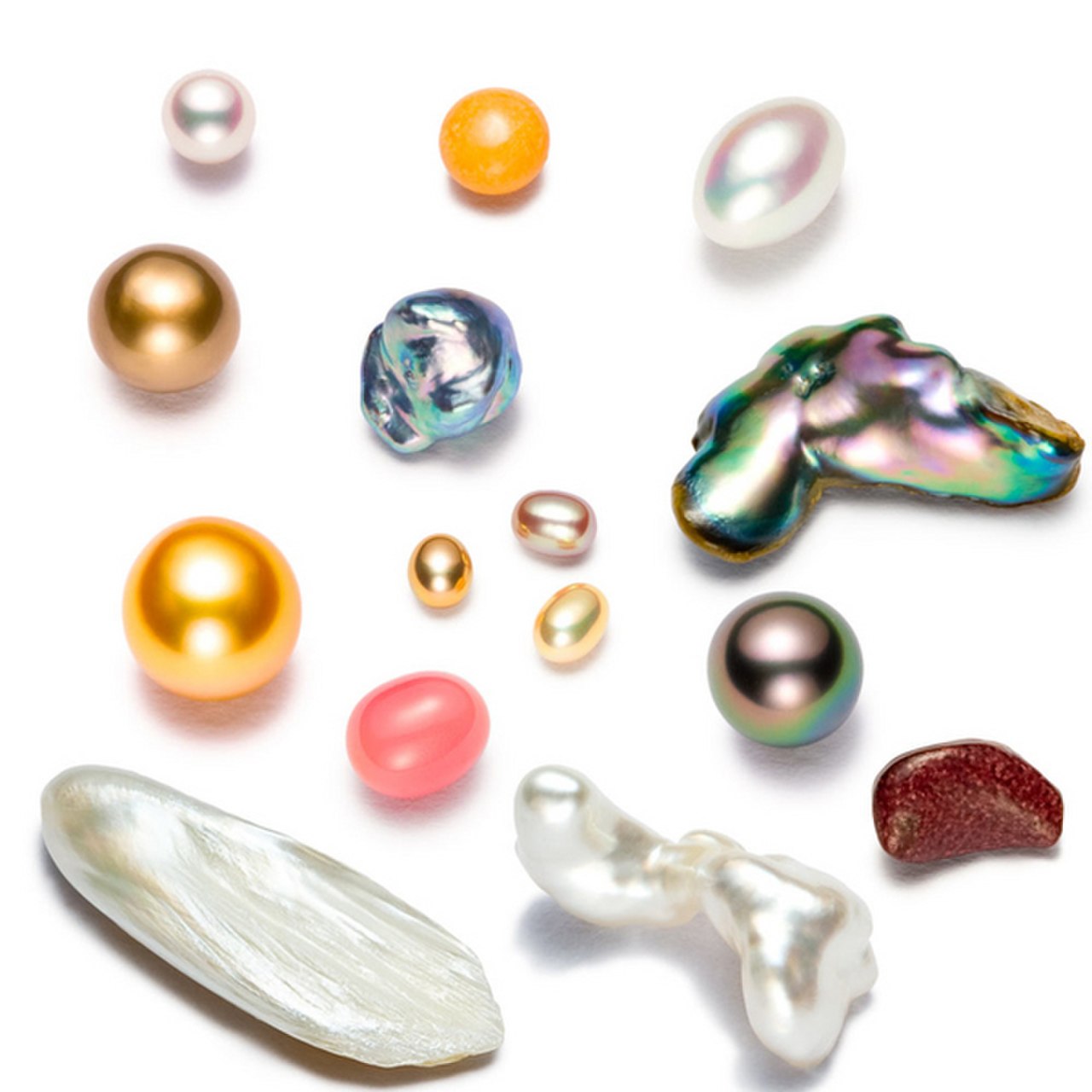
There are several types of pearls, each with its own unique characteristics and value. Akoya Pearls, for example, are known for their small size and round shape, while Tahitian Pearls are larger and more irregular in shape. South Sea Pearls are considered to be among the most valuable, due to their large size and high quality. Baroque Pearls, on the other hand, are irregularly shaped and often less valuable than other types of pearls. The value of a pearl is determined by factors such as its size, shape, color, and luster, as well as the type of mollusk from which it was produced. For more information on the different types of pearls, visit the Types of Pearls page.
🌴 History of Pearl Farming
The history of pearl farming dates back thousands of years, with evidence of pearl cultivation found in ancient China, Japan, and India. In the early 20th century, the development of modern pearl farming techniques led to the establishment of large-scale pearl farms in countries such as Australia and Indonesia. Today, pearl farming is a significant industry, with many countries around the world involved in the cultivation of pearls. The history of pearl farming is closely tied to the history of Pearl Diving, which was once the primary method of obtaining pearls. For more information on the history of pearl farming, visit the History of Pearl Farming page.
🌈 The Cultivation Process
The cultivation of pearls involves a number of steps, including the selection of mollusks, the insertion of irritants, and the care and maintenance of the mollusks during the cultivation period. Pearl Farmers must carefully monitor the conditions under which the mollusks are kept, including the water temperature, salinity, and quality, in order to optimize the production of high-quality pearls. The cultivation process can take several years, depending on the type of mollusk and the conditions under which it is kept. For more information on the cultivation process, visit the Pearl Cultivation page.
📊 Economic Impact of Pearl Farming
The economic impact of pearl farming is significant, with the industry generating millions of dollars in revenue each year. Pearl Farming Industry is a major employer in many countries, particularly in rural areas where other job opportunities may be limited. The industry also has a significant impact on local economies, with many pearl farms supporting local businesses and communities. However, the industry is not without its challenges, including the impact of Climate Change on pearl production and the need to ensure the long-term sustainability of the industry. For more information on the economic impact of pearl farming, visit the Economic Impact of Pearl Farming page.
🌟 The Role of Technology in Pearl Farming
Technology plays a crucial role in modern pearl farming, with advances in areas such as Water Quality Monitoring and Mollusk Health Management helping to improve the efficiency and sustainability of the industry. Pearl Farming Technology is constantly evolving, with new innovations and techniques being developed all the time. For example, the use of Artificial Intelligence and Machine Learning is becoming increasingly common in the industry, helping to optimize the cultivation process and improve the quality of the pearls produced. For more information on the role of technology in pearl farming, visit the Technology in Pearl Farming page.
🌎 Environmental Considerations
The environmental impact of pearl farming is a topic of increasing concern, with many pearl farms facing challenges such as Water Pollution and Habitat Destruction. Sustainable Pearl Farming practices are becoming increasingly important, with many pearl farms adopting environmentally friendly practices such as Recycling and Renewable Energy. For more information on the environmental impact of pearl farming, visit the Environmental Impact of Pearl Farming page.
👥 The People Behind Pearl Farming
The people behind pearl farming are a diverse and dedicated group, with many individuals and organizations working together to promote the industry and ensure its long-term sustainability. Pearl Farmers are the backbone of the industry, working tirelessly to cultivate high-quality pearls and support local communities. Researchers and Scientists also play a crucial role, working to develop new technologies and techniques that can help to improve the efficiency and sustainability of the industry. For more information on the people behind pearl farming, visit the People Behind Pearl Farming page.
💬 Controversies and Debates
There are several controversies and debates surrounding the pearl farming industry, including concerns over the welfare of the mollusks and the environmental impact of the industry. Animal Welfare is a major concern, with many organizations calling for improved treatment and care of the mollusks. Environmental Sustainability is also a major issue, with many pearl farms facing challenges such as water pollution and habitat destruction. For more information on the controversies and debates surrounding the pearl farming industry, visit the Controversies and Debates page.
🔮 The Future of Pearl Farming
The future of pearl farming is uncertain, with many challenges and opportunities on the horizon. Climate Change is a major concern, with rising water temperatures and changing ocean chemistry potentially impacting the health and productivity of the mollusks. Sustainable Pearl Farming practices will be crucial in ensuring the long-term sustainability of the industry, with many pearl farms adopting environmentally friendly practices such as recycling and renewable energy. For more information on the future of pearl farming, visit the Future of Pearl Farming page.
📚 Conclusion
In conclusion, pearl farming is a complex and fascinating industry that involves the cultivation of pearls in a controlled environment. The industry has a significant economic and environmental impact, and there are many challenges and opportunities on the horizon. By adopting sustainable practices and promoting the welfare of the mollusks, the industry can ensure its long-term sustainability and continue to produce high-quality pearls for generations to come. For more information on pearl farming, visit the Pearl Farming page.
Key Facts
- Year
- 1916
- Origin
- Japan
- Category
- Aquaculture
- Type
- Industry
Frequently Asked Questions
What is pearl farming?
Pearl farming, also known as pearl cultivation, is the practice of cultivating pearls in a controlled environment, typically on a pearl farm. This process involves inserting an irritant, usually a piece of shell or a bead, into the tissue of a mollusk, which then secretes layers of nacre around the irritant, eventually forming a pearl. For more information on pearl farming, visit the Pearl Farming page.
What are the different types of pearls?
There are several types of pearls, each with its own unique characteristics and value. Akoya pearls, for example, are known for their small size and round shape, while Tahitian pearls are larger and more irregular in shape. South Sea pearls are considered to be among the most valuable, due to their large size and high quality. Baroque pearls, on the other hand, are irregularly shaped and often less valuable than other types of pearls. For more information on the different types of pearls, visit the Types of Pearls page.
What is the economic impact of pearl farming?
The economic impact of pearl farming is significant, with the industry generating millions of dollars in revenue each year. Pearl farming is a major employer in many countries, particularly in rural areas where other job opportunities may be limited. The industry also has a significant impact on local economies, with many pearl farms supporting local businesses and communities. However, the industry is not without its challenges, including the impact of climate change on pearl production and the need to ensure the long-term sustainability of the industry. For more information on the economic impact of pearl farming, visit the Economic Impact of Pearl Farming page.
What are the environmental concerns surrounding pearl farming?
The environmental impact of pearl farming is a topic of increasing concern, with many pearl farms facing challenges such as water pollution and habitat destruction. Sustainable pearl farming practices are becoming increasingly important, with many pearl farms adopting environmentally friendly practices such as recycling and renewable energy. For more information on the environmental impact of pearl farming, visit the Environmental Impact of Pearl Farming page.
What is the future of pearl farming?
The future of pearl farming is uncertain, with many challenges and opportunities on the horizon. Climate change is a major concern, with rising water temperatures and changing ocean chemistry potentially impacting the health and productivity of the mollusks. Sustainable pearl farming practices will be crucial in ensuring the long-term sustainability of the industry, with many pearl farms adopting environmentally friendly practices such as recycling and renewable energy. For more information on the future of pearl farming, visit the Future of Pearl Farming page.
How are pearls formed?
The formation of a pearl is a complex process that involves the interaction of multiple biological and environmental factors. Mollusks produce pearls as a natural defense mechanism against an irritant, such as a piece of shell or a parasite. The mollusk secretes layers of nacre, a substance composed of calcium carbonate and conchiolin, around the irritant, eventually forming a pearl. The quality of the pearl is determined by factors such as the type of mollusk, the size and shape of the irritant, and the conditions under which the pearl is cultivated. For more information on pearl formation, visit the Pearl Formation page.
What is the role of technology in pearl farming?
Technology plays a crucial role in modern pearl farming, with advances in areas such as water quality monitoring and mollusk health management helping to improve the efficiency and sustainability of the industry. Pearl farming technology is constantly evolving, with new innovations and techniques being developed all the time. For example, the use of artificial intelligence and machine learning is becoming increasingly common in the industry, helping to optimize the cultivation process and improve the quality of the pearls produced. For more information on the role of technology in pearl farming, visit the Technology in Pearl Farming page.