
Contents
- 🌼 Introduction to Pollination Services
- 🐝 The Role of Bees in Pollination
- 🌺 Plant-Pollinator Interactions
- 🌻 The Impact of Pollination on Food Security
- 📊 Economic Benefits of Pollination Services
- 🚨 Threats to Pollination Services
- 🌟 Conservation Efforts for Pollinators
- 🌱 Sustainable Agriculture and Pollination
- 🤝 Community Engagement and Education
- 🌈 Policy and Legislation for Pollination Protection
- 📈 Future Directions for Pollination Research
- Frequently Asked Questions
- Related Topics
Overview
Pollination services, provided by bees, butterflies, and other pollinators, are crucial for food security, with approximately 1/3 of all crops and 80% of wildflowers relying on these services. The economic value of pollination services is estimated to be around $200 billion annually, with the global pollination market projected to reach $1.4 billion by 2025. However, pollinator populations are facing significant threats, including habitat loss, pesticide use, and climate change, which can have devastating impacts on ecosystem health and human well-being. For instance, the decline of monarch butterfly populations in North America has been linked to the widespread adoption of herbicide-resistant crops, highlighting the complex relationships between pollinators, ecosystems, and human societies. As the world grapples with the challenges of sustainable food production, the importance of pollination services cannot be overstated. With the global population projected to reach 9.7 billion by 2050, the need to protect and promote pollination services has never been more pressing, with potential solutions including the creation of pollinator-friendly habitats, the development of sustainable agricultural practices, and the implementation of policies to reduce pesticide use and mitigate the impacts of climate change.
🌼 Introduction to Pollination Services
Pollination services are the backbone of food security, providing a vital link between plants and the animals that facilitate their reproduction. Pollination is a complex process that involves the transfer of pollen from one plant to another, allowing for the production of fruits, seeds, and vegetables. Without Bees and other pollinators, many of our favorite foods would disappear. In fact, it's estimated that one-third of all crops are directly or indirectly dependent on Pollination Services. The importance of pollination services cannot be overstated, and it's essential that we take steps to protect and conserve these vital ecosystem services. Ecosystem Services like pollination are crucial for maintaining the health of our planet.
🐝 The Role of Bees in Pollination
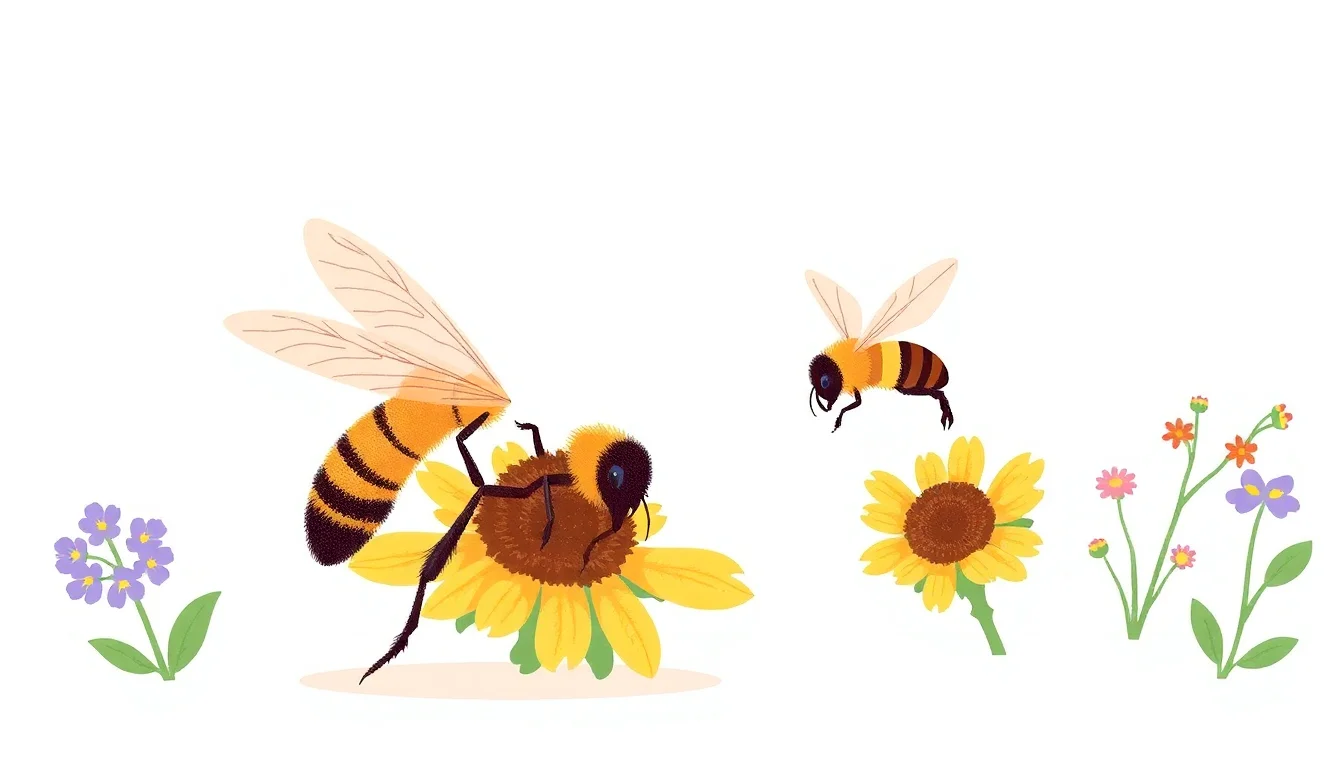
Bees are some of the most well-known pollinators, and for good reason. These tiny creatures are responsible for pollinating countless plant species, including many of our favorite foods. Honey Bees are particularly important, as they are able to communicate with each other through complex dance patterns and are capable of pollinating a wide range of crops. However, bees are not the only pollinators; Butterflies, Hummingbirds, and even Bats play important roles in pollination as well. Understanding the different types of pollinators and their roles in pollination is crucial for developing effective conservation strategies. Conservation Biology is a vital field of study that informs our efforts to protect pollinators and the ecosystems they inhabit.
🌺 Plant-Pollinator Interactions
Plant-pollinator interactions are complex and multifaceted, involving a range of different species and ecosystems. Plant-Pollinator Interactions are shaped by a variety of factors, including the type of plant, the type of pollinator, and the environment in which they interact. For example, some plants have evolved to produce specific types of flowers that are attractive to particular types of pollinators. Coevolution is a key concept in understanding these interactions, as it describes the process by which plants and pollinators adapt to each other over time. By studying these interactions, we can gain a deeper understanding of the intricate web of relationships that underlies pollination. Ecological Networks are a powerful tool for analyzing these relationships and identifying key nodes and hubs.
🌻 The Impact of Pollination on Food Security
The impact of pollination on food security cannot be overstated. Without pollination, many of our favorite foods would disappear, and global food production would plummet. Food Security is a critical issue, and pollination services play a vital role in maintaining it. In fact, it's estimated that pollination services are worth hundreds of billions of dollars each year, making them one of the most valuable ecosystem services on the planet. Ecosystem Services Valuation is a complex and multifaceted field of study that seeks to quantify the value of ecosystem services like pollination. By understanding the economic benefits of pollination, we can make a stronger case for conserving and protecting these vital services. Sustainable Agriculture is a key strategy for maintaining pollination services while also promoting food security.
📊 Economic Benefits of Pollination Services
The economic benefits of pollination services are substantial, and they have a significant impact on global food production. Pollination Economics is a growing field of study that seeks to quantify the value of pollination services and understand their role in the global economy. In addition to the direct benefits of pollination, there are also a range of indirect benefits, including the creation of jobs and the stimulation of local economies. Agricultural Economics is a related field of study that informs our understanding of the economic benefits of pollination. By understanding the economic benefits of pollination, we can make a stronger case for conserving and protecting these vital services. Environmental Economics is a key discipline for analyzing the economic benefits of ecosystem services like pollination.
🚨 Threats to Pollination Services
Despite their importance, pollination services are facing a range of threats, from Habitat Destruction to Climate Change. Pollinator Decline is a major concern, as many pollinator species are experiencing significant declines in population. Pesticide Use is another major threat, as many pesticides can harm or kill pollinators. Understanding these threats is crucial for developing effective conservation strategies. Conservation Strategies like Habitat Restoration and Pollinator-Friendly Plants can help to mitigate these threats and protect pollination services. Ecological Restoration is a key discipline for restoring degraded ecosystems and promoting biodiversity.
🌟 Conservation Efforts for Pollinators
Conservation efforts for pollinators are underway, and they involve a range of different strategies and approaches. Pollinator Conservation is a critical issue, and it requires a coordinated effort from governments, NGOs, and individuals. Bee-Friendly Plants are a key part of these efforts, as they provide a source of food and shelter for pollinators. Community Engagement is also essential, as it helps to raise awareness and promote action on behalf of pollinators. Citizen Science projects are a great way to get involved and contribute to pollinator conservation. Conservation Biology informs our understanding of the complex relationships between pollinators and their ecosystems.
🌱 Sustainable Agriculture and Pollination
Sustainable agriculture is a key strategy for maintaining pollination services while also promoting food security. Sustainable Agriculture Practices like Organic Farming and Permaculture can help to reduce the impact of agriculture on the environment while also promoting biodiversity. Agroecology is a related field of study that informs our understanding of the complex relationships between agriculture and the environment. By adopting sustainable agriculture practices, we can help to protect pollination services and promote food security. Food Systems are complex and multifaceted, and they require a holistic approach to sustainability. Ecological Sustainability is a key concept for understanding the long-term viability of food systems.
🤝 Community Engagement and Education
Community engagement and education are essential for promoting pollinator conservation and sustainable agriculture. Community-Based Conservation is a key approach, as it involves working with local communities to develop and implement conservation strategies. Environmental Education is also critical, as it helps to raise awareness and promote action on behalf of pollinators. Outreach and Engagement are key components of community-based conservation, as they help to build support and promote participation. Citizen Science projects are a great way to get involved and contribute to pollinator conservation. Conservation Psychology informs our understanding of the complex relationships between humans and the environment.
🌈 Policy and Legislation for Pollination Protection
Policy and legislation play a critical role in protecting pollination services and promoting sustainable agriculture. Pollinator Policy is a key area of focus, as it involves developing and implementing policies that support pollinator conservation. Agricultural Policy is also important, as it can help to promote sustainable agriculture practices and reduce the impact of agriculture on the environment. Environmental Policy is a broader field of study that informs our understanding of the complex relationships between human activity and the environment. By developing and implementing effective policies, we can help to protect pollination services and promote food security. Policy Analysis is a key discipline for understanding the impact of policy on the environment and human societies.
📈 Future Directions for Pollination Research
Future directions for pollination research are exciting and multifaceted, and they involve a range of different approaches and strategies. Pollination Research is a critical area of focus, as it involves developing a deeper understanding of the complex relationships between plants and pollinators. Ecological Genomics is a related field of study that informs our understanding of the genetic basis of pollination. Conservation Genetics is another key area of focus, as it involves developing and implementing strategies for conserving and protecting pollinator populations. By advancing our understanding of pollination and developing effective conservation strategies, we can help to protect these vital ecosystem services and promote food security. Futures Studies is a key discipline for understanding the long-term implications of our actions and developing strategies for a sustainable future.
Key Facts
- Year
- 2022
- Origin
- Vibepedia.wiki
- Category
- Environmental Science
- Type
- Ecosystem Service
Frequently Asked Questions
What is pollination and why is it important?
Pollination is the process by which plants reproduce, and it's essential for food security. Without pollination, many of our favorite foods would disappear, and global food production would plummet. Pollination is a complex process that involves the transfer of pollen from one plant to another, allowing for the production of fruits, seeds, and vegetables. Ecosystem Services like pollination are crucial for maintaining the health of our planet.
What are some of the threats to pollination services?
Pollination services are facing a range of threats, from Habitat Destruction to Climate Change. Pollinator Decline is a major concern, as many pollinator species are experiencing significant declines in population. Pesticide Use is another major threat, as many pesticides can harm or kill pollinators. Understanding these threats is crucial for developing effective conservation strategies. Conservation Strategies like Habitat Restoration and Pollinator-Friendly Plants can help to mitigate these threats and protect pollination services.
What can I do to help protect pollination services?
There are many things you can do to help protect pollination services, from planting Bee-Friendly Plants in your garden to supporting Sustainable Agriculture practices. Community Engagement is also essential, as it helps to raise awareness and promote action on behalf of pollinators. Citizen Science projects are a great way to get involved and contribute to pollinator conservation. By taking action and making a difference, you can help to protect these vital ecosystem services and promote food security.
What is the economic value of pollination services?
The economic value of pollination services is substantial, and they have a significant impact on global food production. Pollination Economics is a growing field of study that seeks to quantify the value of pollination services and understand their role in the global economy. In addition to the direct benefits of pollination, there are also a range of indirect benefits, including the creation of jobs and the stimulation of local economies. Agricultural Economics is a related field of study that informs our understanding of the economic benefits of pollination.
How can I learn more about pollination and pollinator conservation?
There are many resources available for learning more about pollination and pollinator conservation, from Environmental Education programs to Citizen Science projects. Conservation Biology is a key discipline for understanding the complex relationships between pollinators and their ecosystems. By getting involved and staying informed, you can help to make a difference and promote the conservation of these vital ecosystem services. Pollination Research is a critical area of focus, and it involves developing a deeper understanding of the complex relationships between plants and pollinators.
What is the role of policy and legislation in protecting pollination services?
Policy and legislation play a critical role in protecting pollination services and promoting sustainable agriculture. Pollinator Policy is a key area of focus, as it involves developing and implementing policies that support pollinator conservation. Agricultural Policy is also important, as it can help to promote sustainable agriculture practices and reduce the impact of agriculture on the environment. By developing and implementing effective policies, we can help to protect pollination services and promote food security. Policy Analysis is a key discipline for understanding the impact of policy on the environment and human societies.
What are some of the future directions for pollination research?
Future directions for pollination research are exciting and multifaceted, and they involve a range of different approaches and strategies. Pollination Research is a critical area of focus, as it involves developing a deeper understanding of the complex relationships between plants and pollinators. Ecological Genomics is a related field of study that informs our understanding of the genetic basis of pollination. By advancing our understanding of pollination and developing effective conservation strategies, we can help to protect these vital ecosystem services and promote food security.