
Contents
- 📊 Introduction to Quasi-Experimental Designs
- 🔍 History and Development of Quasi-Experiments
- 📝 Key Characteristics of Quasi-Experimental Designs
- 👥 Non-Random Sampling and Its Implications
- 📊 Threats to Internal Validity in Quasi-Experiments
- 📈 Analyzing Data from Quasi-Experimental Designs
- 📊 Examples of Quasi-Experimental Designs in Research
- 🤝 Comparison with True Experimental Designs
- 📊 Limitations and Criticisms of Quasi-Experimental Designs
- 📈 Future Directions and Applications
- 📊 Best Practices for Implementing Quasi-Experimental Designs
- Frequently Asked Questions
- Related Topics
Overview
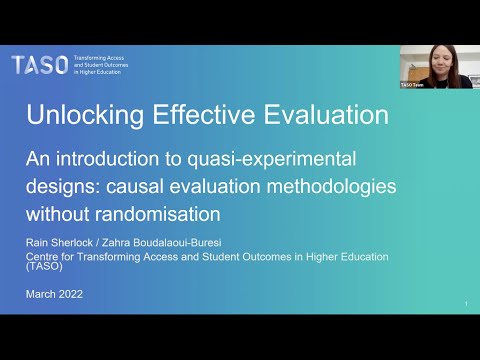
Quasi-experimental designs occupy a crucial space between the rigor of experimental designs and the realism of observational studies. Developed by researchers like Donald Campbell and Thomas Cook in the 1960s and 1970s, these designs aim to establish cause-and-effect relationships in situations where random assignment is not feasible. With a vibe score of 6, quasi-experimental designs are widely used in fields like education, psychology, and public health, where they help researchers evaluate the impact of interventions and policies. However, critics argue that these designs are prone to biases and may not fully establish causality. Despite these limitations, quasi-experimental designs remain a vital tool for researchers seeking to inform evidence-based decision-making. As the field continues to evolve, researchers like Shadish, Cook, and Campbell are working to improve the validity and reliability of quasi-experimental designs, paving the way for more effective interventions and policies. With the influence of big data and machine learning, quasi-experimental designs are likely to play an increasingly important role in shaping our understanding of complex social phenomena.
📊 Introduction to Quasi-Experimental Designs
Quasi-experimental designs are research methodologies that attempt to establish cause-and-effect relationships between variables, but without the random assignment of participants to treatment or control groups, a key feature of True Experimental Designs. This approach is often used when Randomization is not feasible or ethical. Quasi-experiments are particularly useful in Field Research settings where researchers have limited control over the environment. For instance, Program Evaluation often relies on quasi-experimental designs to assess the effectiveness of interventions.
🔍 History and Development of Quasi-Experiments
The history of quasi-experimental designs dates back to the early 20th century, with notable contributions from researchers like Donald Campbell and Thomas Cook. They introduced the concept of Quasi-Experimentation as a middle ground between True Experiments and Non-Experiments. This development was crucial for advancing Research Methodology, especially in Social Science Research where true experimentation is often challenging. The work of Campbell and Cook has been influential in shaping the field of Evaluation Research.
📝 Key Characteristics of Quasi-Experimental Designs
Quasi-experimental designs have several key characteristics, including the absence of Random Assignment and the reliance on Non-Equivalent Groups for comparison. These designs often utilize Pre-Post Designs or Nonequivalent Control Group Designs. Understanding these characteristics is essential for Research Design and for interpreting the results of quasi-experimental studies. Researchers must carefully consider Sampling Methods and Data Analysis Techniques when working with quasi-experimental data. For more information on research design, see Research Methodology.
👥 Non-Random Sampling and Its Implications
Non-random sampling is a critical aspect of quasi-experimental designs, as it can introduce Selection Bias and affect the External Validity of the findings. Researchers must be aware of the potential implications of non-random sampling and take steps to minimize its impact. This might involve using Statistical Controls or Matching Techniques to create more comparable groups. The use of Propensity Scores is another approach to balance the groups in terms of observed covariates. For a detailed discussion on selection bias, refer to Selection Bias.
📊 Threats to Internal Validity in Quasi-Experiments
Threats to internal validity are a significant concern in quasi-experimental designs. These threats include History Effects, Maturation Effects, and Regression to the Mean. Researchers must consider these potential threats when designing their studies and interpreting their results. Using Control Groups and Pre-Post Measures can help mitigate some of these threats. For example, Time Series Analysis can be used to account for history effects. For more on internal validity, see Internal Validity.
📈 Analyzing Data from Quasi-Experimental Designs
Analyzing data from quasi-experimental designs requires careful consideration of the research question, the design of the study, and the characteristics of the data. Regression Analysis and Interrupted Time Series Analysis are common methods used for analyzing quasi-experimental data. The choice of analysis technique depends on the specific design and the nature of the data. For instance, Difference-in-Differences is a popular method for estimating treatment effects in quasi-experiments. For a comprehensive overview of data analysis techniques, visit Data Analysis.
📊 Examples of Quasi-Experimental Designs in Research
Quasi-experimental designs have been applied in various fields, including Education Research, Healthcare Research, and Policy Evaluation. For example, a quasi-experiment might be used to evaluate the impact of a new educational program on student outcomes. Another example could be assessing the effect of a policy change on healthcare outcomes. These studies often involve Natural Experiments where a naturally occurring event or situation is leveraged to establish a comparison between groups. For more examples, see Quasi-Experimental Designs.
🤝 Comparison with True Experimental Designs
Comparing quasi-experimental designs with true experimental designs highlights the trade-offs between internal validity and external validity. While true experiments offer high internal validity due to random assignment, quasi-experiments may offer higher external validity because they are often conducted in more naturalistic settings. However, quasi-experiments are more susceptible to Confounding Variables and other threats to internal validity. The choice between these designs depends on the research question, the availability of resources, and ethical considerations. For a detailed comparison, refer to Experimental Designs.
📊 Limitations and Criticisms of Quasi-Experimental Designs
Despite their usefulness, quasi-experimental designs have limitations and criticisms. One of the main criticisms is the potential for Bias due to the lack of random assignment. Additionally, quasi-experiments may not fully establish causality, which can limit the conclusions that can be drawn. However, when properly designed and analyzed, quasi-experiments can provide valuable insights into causal relationships. For a discussion on the limitations of quasi-experiments, see Quasi-Experimental Designs.
📈 Future Directions and Applications
The future of quasi-experimental designs looks promising, with advancements in Statistical Methods and Data Science offering new tools for analyzing complex data and addressing the limitations of quasi-experiments. The increasing availability of Administrative Data and Big Data also provides opportunities for quasi-experimental research. As research methodologies continue to evolve, quasi-experimental designs are likely to play a significant role in Evidence-Based Policy and Program Evaluation. For more on the future of quasi-experiments, visit Research Methodology.
📊 Best Practices for Implementing Quasi-Experimental Designs
Best practices for implementing quasi-experimental designs include carefully considering the research question, selecting an appropriate design, ensuring the quality of the data, and using robust analytical methods. Researchers should also be transparent about the limitations of their study and the potential threats to validity. By following these best practices, quasi-experimental designs can provide valuable insights into causal relationships and contribute to the advancement of knowledge in various fields. For guidance on implementing quasi-experiments, see Research Design.
Key Facts
- Year
- 1960
- Origin
- Social Sciences
- Category
- Research Methodology
- Type
- Research Concept
Frequently Asked Questions
What is the main difference between quasi-experimental and true experimental designs?
The main difference is the use of random assignment in true experimental designs, which is not a feature of quasi-experimental designs. This difference affects the internal validity of the studies, with true experiments generally offering higher internal validity due to the control over assignment to treatment or control groups.
When are quasi-experimental designs most appropriate?
Quasi-experimental designs are most appropriate when random assignment is not feasible or ethical, but there is still a need to establish a cause-and-effect relationship between variables. This is common in field research settings or when evaluating the impact of programs or policies.
How can researchers address the limitations of quasi-experimental designs?
Researchers can address the limitations by using statistical controls, matching techniques, or propensity scores to create more comparable groups. They should also be transparent about the potential biases and limitations of their study and consider using multiple designs or analyses to triangulate their findings.
What role do quasi-experimental designs play in evidence-based policy?
Quasi-experimental designs play a significant role in evidence-based policy by providing insights into the causal effects of interventions or policies. These designs can help policymakers evaluate the effectiveness of programs and make informed decisions about resource allocation and policy implementation.
How do quasi-experimental designs contribute to the advancement of research methodology?
Quasi-experimental designs contribute to the advancement of research methodology by offering a middle ground between true experiments and non-experiments. They provide researchers with a flexible and often more feasible approach to studying causal relationships, especially in contexts where true experimentation is not possible.
What are some common applications of quasi-experimental designs?
Quasi-experimental designs are commonly applied in education research, healthcare research, policy evaluation, and program evaluation. They are used to assess the impact of interventions, policies, or programs on outcomes of interest.
How can researchers ensure the quality of quasi-experimental studies?
Researchers can ensure the quality of quasi-experimental studies by carefully designing the study, selecting appropriate analytical methods, and being transparent about the limitations and potential biases of the study. They should also consider using peer review and replication studies to validate their findings.