
Contents
- 🌡️ Introduction to Rising Temperatures
- 🌎 Understanding Global Warming
- 📊 The Science Behind Temperature Increase
- 🚨 Consequences of Rising Temperatures
- 🌟 Impact on Biodiversity and Ecosystems
- 🏙️ Urban Heat Islands and City Planning
- 💡 Renewable Energy and Mitigation Strategies
- 🌍 International Cooperation and Climate Policy
- 📈 Economic Impacts and Climate Change
- 👥 Human Migration and Climate Refugees
- 🔍 Research and Development for a Sustainable Future
- Frequently Asked Questions
- Related Topics
Overview
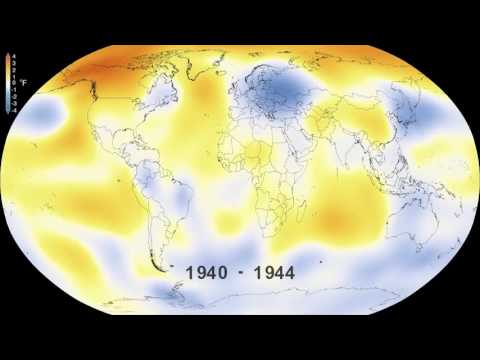
Rising temperatures, a consequence of global warming, have been a pressing concern since the 1980s, with a recorded increase of 1.1 degrees Celsius since the late 19th century, according to NASA. The main culprit behind this trend is the increasing levels of greenhouse gases in the Earth's atmosphere, primarily carbon dioxide, which has risen from 280 parts per million in the pre-industrial era to over 415 parts per million today. This warming has far-reaching implications, including more frequent and intense heatwaves, droughts, and storms, with the past four years being the hottest on record, as reported by the National Oceanic and Atmospheric Administration (NOAA). The consequences are not just environmental; they also have significant economic and social impacts, with the World Health Organization (WHO) estimating that between 2030 and 2050, climate change will cause approximately 250,000 additional deaths per year. Despite the consensus among scientists, there are ongoing debates about the pace and severity of climate change, with some arguing that the effects are being overstated, while others warn that the window for action is rapidly closing. As the world grapples with how to mitigate and adapt to rising temperatures, technologies like carbon capture, renewable energy, and climate-resilient infrastructure are gaining prominence, with companies like Tesla and Vestas leading the charge towards a more sustainable future.
🌡️ Introduction to Rising Temperatures
The phenomenon of rising temperatures, also known as global warming, has become a pressing concern in recent decades. As the average global temperature continues to rise, the consequences of this trend are far-reaching and devastating. To understand the issue, it's essential to explore the science behind global warming and its connection to climate change. The Intergovernmental Panel on Climate Change (IPCC) has been instrumental in providing research and guidance on this topic. The United Nations Framework Convention on Climate Change (UNFCCC) also plays a crucial role in addressing the global response to climate change.
🌎 Understanding Global Warming
Global warming refers to the long-term increase in Earth's average surface temperature, primarily due to human activities such as burning fossil fuels and deforestation. This increase in temperature has severe consequences, including more frequent and intense heat waves, droughts, and storms. The United States Environmental Protection Agency (EPA) and the National Oceanic and Atmospheric Administration (NOAA) are among the organizations that monitor and study the effects of global warming. Understanding the greenhouse effect and its role in global warming is vital for developing effective mitigation strategies.
📊 The Science Behind Temperature Increase
The science behind temperature increase is complex and involves various factors, including the greenhouse effect, ocean currents, and atmospheric circulation. The National Aeronautics and Space Administration (NASA) and the National Science Foundation (NSF) support research in these areas. To combat rising temperatures, it's essential to reduce greenhouse gas emissions and transition to renewable energy sources. The International Energy Agency (IEA) provides guidance on energy policy and sustainable development. The World Meteorological Organization (WMO) also plays a key role in monitoring and predicting weather patterns and climate trends.
🚨 Consequences of Rising Temperatures
The consequences of rising temperatures are widespread and have significant impacts on the environment, human health, and the economy. More frequent and intense natural disasters are a direct result of global warming, causing loss of life, property damage, and displacement of people. The World Health Organization (WHO) and the International Red Cross and Red Crescent Movement are among the organizations that respond to these disasters. The United Nations High Commissioner for Refugees (UNHCR) also addresses the issue of climate refugees. It's crucial to understand the climate migration patterns and develop strategies to support affected communities.
🌟 Impact on Biodiversity and Ecosystems
Rising temperatures have a devastating impact on biodiversity and ecosystems. Many species are struggling to adapt to the changing climate, leading to extinction and disruption of delicate ecosystems. The International Union for Conservation of Nature (IUCN) and the World Wildlife Fund (WWF) work to protect and preserve ecosystems. The Convention on Biological Diversity (CBD) also aims to conserve and sustainably use biological resources. It's essential to develop and implement effective conservation strategies to mitigate the effects of global warming on biodiversity.
🏙️ Urban Heat Islands and City Planning
Urban areas are particularly vulnerable to the effects of rising temperatures, with urban heat islands becoming increasingly common. This phenomenon occurs when built-up areas absorb and retain heat, leading to higher temperatures than in surrounding rural areas. The urban planning strategies can help mitigate the effects of urban heat islands. The ICLEI - Local Governments for Sustainability and the C40 Cities Climate Leadership Group support cities in their efforts to address climate change. It's crucial to develop and implement sustainable urban planning strategies to reduce the impact of global warming on urban areas.
💡 Renewable Energy and Mitigation Strategies
Transitioning to renewable energy sources is critical to reducing greenhouse gas emissions and mitigating the effects of global warming. Solar energy and wind energy are becoming increasingly cost-competitive with fossil fuels, making them viable alternatives for powering homes, businesses, and industries. The International Renewable Energy Agency (IRENA) and the Global Wind Energy Council (GWEC) support the development and deployment of renewable energy technologies. It's essential to develop and implement effective energy storage solutions to support the widespread adoption of renewable energy.
🌍 International Cooperation and Climate Policy
International cooperation is vital for addressing the global challenge of rising temperatures. The Paris Agreement and the United Nations Framework Convention on Climate Change (UNFCCC) provide a framework for countries to work together to reduce greenhouse gas emissions and adapt to the impacts of climate change. The European Union and the G20 also play important roles in addressing global climate policy. It's crucial to develop and implement effective climate governance strategies to support international cooperation and coordination.
📈 Economic Impacts and Climate Change
The economic impacts of rising temperatures are significant, with climate change affecting industries such as agriculture, tourism, and insurance. The International Monetary Fund (IMF) and the World Bank provide guidance on climate-related economic risks and opportunities. The Organisation for Economic Co-operation and Development (OECD) also supports countries in their efforts to address climate change. It's essential to develop and implement effective climate resilience strategies to reduce the economic impacts of global warming.
👥 Human Migration and Climate Refugees
Human migration and displacement are becoming increasingly common due to the effects of rising temperatures. Climate refugees are forced to leave their homes due to sea level rise, more frequent natural disasters, and water scarcity. The United Nations High Commissioner for Refugees (UNHCR) and the International Organization for Migration (IOM) are among the organizations that address the issue of climate refugees. It's crucial to develop and implement effective migration policies to support affected communities.
🔍 Research and Development for a Sustainable Future
Research and development are critical for addressing the challenge of rising temperatures. Scientists and engineers are working to develop new technologies and strategies to reduce greenhouse gas emissions and adapt to the impacts of climate change. The National Science Foundation (NSF) and the National Aeronautics and Space Administration (NASA) support research in these areas. It's essential to develop and implement effective innovation policies to support the development and deployment of climate-related technologies.
Key Facts
- Year
- 2023
- Origin
- Industrial Revolution
- Category
- Environmental Science
- Type
- Environmental Phenomenon
Frequently Asked Questions
What is the main cause of rising temperatures?
The main cause of rising temperatures is the increasing levels of greenhouse gases in the atmosphere, primarily due to human activities such as burning fossil fuels and deforestation. The Intergovernmental Panel on Climate Change (IPCC) and the United States Environmental Protection Agency (EPA) provide guidance on the science behind global warming. The United Nations Framework Convention on Climate Change (UNFCCC) also addresses the global response to climate change.
What are the consequences of rising temperatures?
The consequences of rising temperatures are widespread and have significant impacts on the environment, human health, and the economy. More frequent and intense natural disasters, loss of biodiversity, and disruption of ecosystems are just a few of the many consequences of global warming. The World Health Organization (WHO) and the International Red Cross and Red Crescent Movement respond to these disasters. The United Nations High Commissioner for Refugees (UNHCR) also addresses the issue of climate refugees.
How can we mitigate the effects of rising temperatures?
To mitigate the effects of rising temperatures, it's essential to reduce greenhouse gas emissions and transition to renewable energy sources. Developing and implementing effective conservation strategies, sustainable urban planning, and climate governance are also crucial. The International Renewable Energy Agency (IRENA) and the Global Wind Energy Council (GWEC) support the development and deployment of renewable energy technologies. The ICLEI - Local Governments for Sustainability and the C40 Cities Climate Leadership Group support cities in their efforts to address climate change.
What is the role of international cooperation in addressing rising temperatures?
International cooperation is vital for addressing the global challenge of rising temperatures. The Paris Agreement and the United Nations Framework Convention on Climate Change (UNFCCC) provide a framework for countries to work together to reduce greenhouse gas emissions and adapt to the impacts of climate change. The European Union and the G20 also play important roles in addressing global climate policy. The International Monetary Fund (IMF) and the World Bank provide guidance on climate-related economic risks and opportunities.
What are the economic impacts of rising temperatures?
The economic impacts of rising temperatures are significant, with climate change affecting industries such as agriculture, tourism, and insurance. The International Monetary Fund (IMF) and the World Bank provide guidance on climate-related economic risks and opportunities. The Organisation for Economic Co-operation and Development (OECD) also supports countries in their efforts to address climate change. It's essential to develop and implement effective climate resilience strategies to reduce the economic impacts of global warming.
How can we support climate refugees?
To support climate refugees, it's essential to develop and implement effective migration policies and provide humanitarian assistance to affected communities. The United Nations High Commissioner for Refugees (UNHCR) and the International Organization for Migration (IOM) are among the organizations that address the issue of climate refugees. The International Red Cross and Red Crescent Movement also provides humanitarian assistance to affected communities.
What is the role of research and development in addressing rising temperatures?
Research and development are critical for addressing the challenge of rising temperatures. Scientists and engineers are working to develop new technologies and strategies to reduce greenhouse gas emissions and adapt to the impacts of climate change. The National Science Foundation (NSF) and the National Aeronautics and Space Administration (NASA) support research in these areas. It's essential to develop and implement effective innovation policies to support the development and deployment of climate-related technologies.