
Contents
- 🌎 Introduction to The World Set Free
- 📚 Literary Context and Influences
- 🔍 Scientific and Technological Concepts
- 🌟 The Role of Atomic Energy
- 🌐 Global Politics and International Relations
- 🚀 Space Exploration and Colonization
- 💻 Technological Advancements and Innovations
- 🤖 Artificial Intelligence and Robotics
- 🌈 Societal and Cultural Implications
- 📊 Economic and Environmental Consequences
- 🚫 Challenges and Criticisms
- 🔮 Conclusion and Future Prospects
- Frequently Asked Questions
- Related Topics
Overview
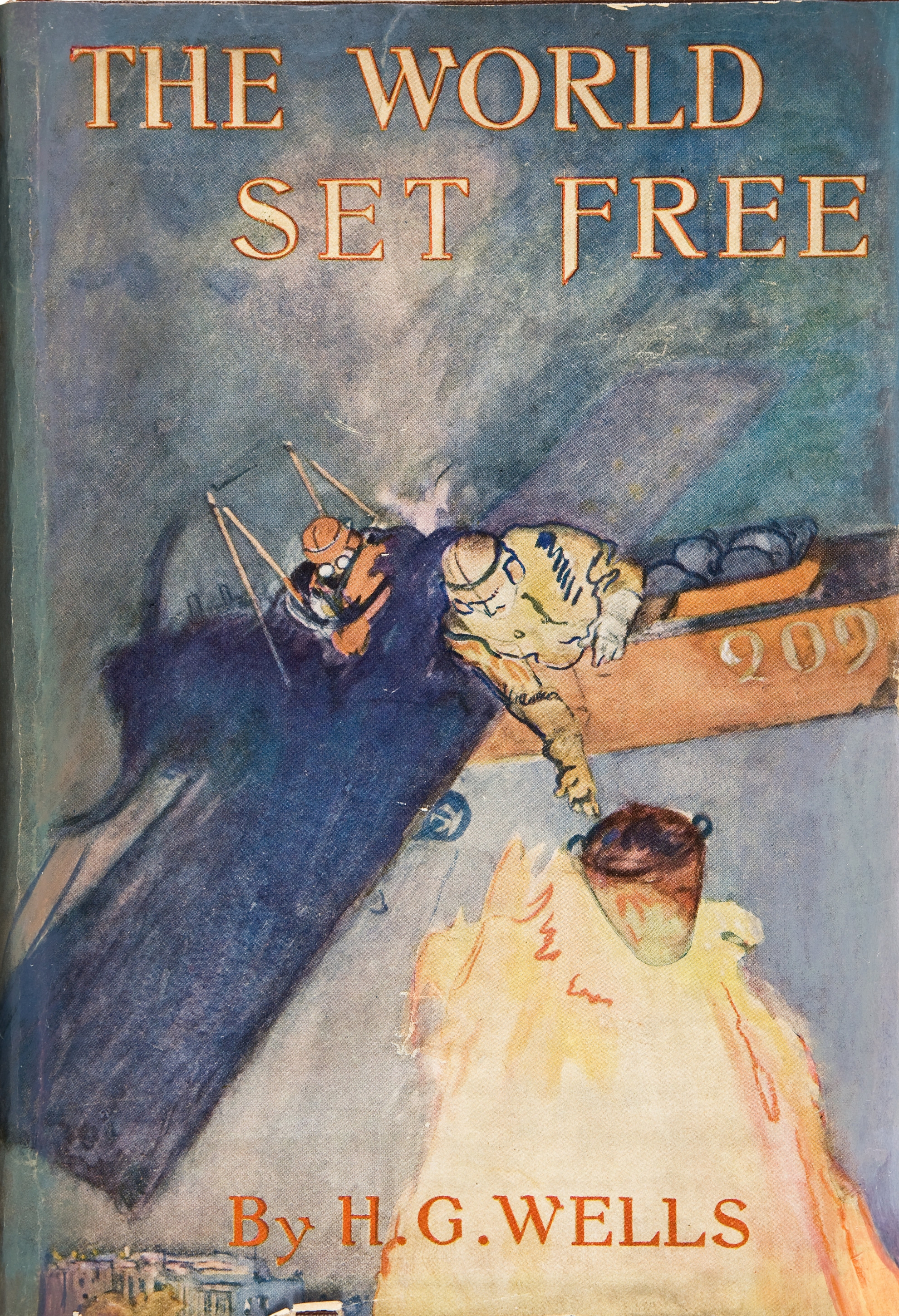
The World Set Free, written by H.G. Wells in 1914, is a seminal work of Science Fiction that explores the concept of a world where atomic energy has been harnessed to create a utopian society. This novel is considered a pioneering work in the genre of Futurism, as it predicts the development of nuclear power and its potential to transform human civilization. The book's themes and ideas have been influential in shaping the Science Fiction genre, with authors like Isaac Asimov and Arthur C. Clarke drawing inspiration from Wells' vision of a future world. The World Set Free has also been recognized for its prophetic vision of a world where global politics and international relations are transformed by the advent of new technologies. As a work of Speculative Fiction, The World Set Free encourages readers to think critically about the potential consequences of emerging technologies and their impact on human society.
📚 Literary Context and Influences
The World Set Free was written during a time of great social and technological change, and its literary context reflects the influences of the early 20th century. Wells was influenced by the works of Jules Verne and Mark Twain, and his novel reflects a similar sense of wonder and curiosity about the potential of science and technology to transform human society. The book's themes of utopianism and socialism were also influenced by the intellectual and political currents of the time, including the works of Karl Marx and Friedrich Engels. As a work of Science Fiction, The World Set Free has been recognized for its prophetic vision of a future world where atomic energy has become a reality. The novel's exploration of the potential consequences of this technology has made it a classic of the genre, with authors like Ray Bradbury and Ursula K. Le Guin drawing inspiration from Wells' vision of a future world. The World Set Free has also been recognized for its influence on the development of Futurism as a literary and artistic movement, with its emphasis on the potential of science and technology to transform human society.
🔍 Scientific and Technological Concepts
The World Set Free explores a range of scientific and technological concepts, including the development of atomic energy and its potential applications. The novel predicts the discovery of nuclear reactions and the development of nuclear power plants, and explores the potential consequences of this technology for human society. The book also touches on the theme of space exploration, with the protagonist imagining a future where humanity has colonized other planets. As a work of Speculative Fiction, The World Set Free encourages readers to think critically about the potential consequences of emerging technologies and their impact on human society. The novel's exploration of the potential benefits and risks of atomic energy has made it a classic of the genre, with authors like Arthur C. Clarke and Isaac Asimov drawing inspiration from Wells' vision of a future world. The World Set Free has also been recognized for its influence on the development of Science Fiction as a literary genre, with its emphasis on the potential of science and technology to transform human society. The novel's themes of utopianism and socialism have also been influential in shaping the genre, with authors like Ray Bradbury and Ursula K. Le Guin drawing inspiration from Wells' vision of a future world.
🌟 The Role of Atomic Energy
The role of atomic energy in The World Set Free is central to the novel's themes and ideas. Wells predicts the discovery of nuclear reactions and the development of nuclear power plants, and explores the potential consequences of this technology for human society. The book imagines a future where atomic energy has become a reality, and where it has transformed human civilization. The novel's exploration of the potential benefits and risks of atomic energy has made it a classic of the genre, with authors like Arthur C. Clarke and Isaac Asimov drawing inspiration from Wells' vision of a future world. The World Set Free has also been recognized for its influence on the development of Futurism as a literary and artistic movement, with its emphasis on the potential of science and technology to transform human society. As a work of Science Fiction, The World Set Free encourages readers to think critically about the potential consequences of emerging technologies and their impact on human society. The novel's themes of utopianism and socialism have also been influential in shaping the genre, with authors like Ray Bradbury and Ursula K. Le Guin drawing inspiration from Wells' vision of a future world.
🌐 Global Politics and International Relations
The World Set Free explores the theme of global politics and international relations in a future world where atomic energy has become a reality. The novel predicts a future where nations have come together to form a global government, and where international relations are characterized by cooperation and diplomacy. The book also touches on the theme of space exploration, with the protagonist imagining a future where humanity has colonized other planets. As a work of Speculative Fiction, The World Set Free encourages readers to think critically about the potential consequences of emerging technologies and their impact on human society. The novel's exploration of the potential benefits and risks of atomic energy has made it a classic of the genre, with authors like Arthur C. Clarke and Isaac Asimov drawing inspiration from Wells' vision of a future world. The World Set Free has also been recognized for its influence on the development of Science Fiction as a literary genre, with its emphasis on the potential of science and technology to transform human society. The novel's themes of utopianism and socialism have also been influential in shaping the genre, with authors like Ray Bradbury and Ursula K. Le Guin drawing inspiration from Wells' vision of a future world.
🚀 Space Exploration and Colonization
The World Set Free predicts a future where space exploration and colonization have become a reality. The novel imagines a future where humanity has established colonies on other planets, and where space exploration has become a major driver of scientific and technological progress. The book also touches on the theme of technological advancements, with the protagonist imagining a future where artificial intelligence and robotics have become integral to human society. As a work of Speculative Fiction, The World Set Free encourages readers to think critically about the potential consequences of emerging technologies and their impact on human society. The novel's exploration of the potential benefits and risks of atomic energy has made it a classic of the genre, with authors like Arthur C. Clarke and Isaac Asimov drawing inspiration from Wells' vision of a future world. The World Set Free has also been recognized for its influence on the development of Futurism as a literary and artistic movement, with its emphasis on the potential of science and technology to transform human society.
💻 Technological Advancements and Innovations
The World Set Free explores the theme of technological advancements and their potential impact on human society. The novel predicts a future where artificial intelligence and robotics have become integral to human society, and where technological advancements have transformed the way people live and work. The book also touches on the theme of economic consequences, with the protagonist imagining a future where atomic energy has created new economic opportunities and challenges. As a work of Speculative Fiction, The World Set Free encourages readers to think critically about the potential consequences of emerging technologies and their impact on human society. The novel's exploration of the potential benefits and risks of atomic energy has made it a classic of the genre, with authors like Arthur C. Clarke and Isaac Asimov drawing inspiration from Wells' vision of a future world. The World Set Free has also been recognized for its influence on the development of Science Fiction as a literary genre, with its emphasis on the potential of science and technology to transform human society.
🤖 Artificial Intelligence and Robotics
The World Set Free explores the theme of artificial intelligence and robotics in a future world where atomic energy has become a reality. The novel predicts a future where artificial intelligence and robotics have become integral to human society, and where technological advancements have transformed the way people live and work. The book also touches on the theme of societal implications, with the protagonist imagining a future where atomic energy has created new social and cultural challenges. As a work of Speculative Fiction, The World Set Free encourages readers to think critically about the potential consequences of emerging technologies and their impact on human society. The novel's exploration of the potential benefits and risks of atomic energy has made it a classic of the genre, with authors like Arthur C. Clarke and Isaac Asimov drawing inspiration from Wells' vision of a future world. The World Set Free has also been recognized for its influence on the development of Futurism as a literary and artistic movement, with its emphasis on the potential of science and technology to transform human society.
🌈 Societal and Cultural Implications
The World Set Free explores the theme of societal implications in a future world where atomic energy has become a reality. The novel predicts a future where atomic energy has created new social and cultural challenges, and where societal implications have become a major driver of scientific and technological progress. The book also touches on the theme of economic consequences, with the protagonist imagining a future where atomic energy has created new economic opportunities and challenges. As a work of Speculative Fiction, The World Set Free encourages readers to think critically about the potential consequences of emerging technologies and their impact on human society. The novel's exploration of the potential benefits and risks of atomic energy has made it a classic of the genre, with authors like Arthur C. Clarke and Isaac Asimov drawing inspiration from Wells' vision of a future world. The World Set Free has also been recognized for its influence on the development of Science Fiction as a literary genre, with its emphasis on the potential of science and technology to transform human society.
📊 Economic and Environmental Consequences
The World Set Free explores the theme of economic consequences in a future world where atomic energy has become a reality. The novel predicts a future where atomic energy has created new economic opportunities and challenges, and where economic consequences have become a major driver of scientific and technological progress. The book also touches on the theme of environmental consequences, with the protagonist imagining a future where atomic energy has created new environmental challenges. As a work of Speculative Fiction, The World Set Free encourages readers to think critically about the potential consequences of emerging technologies and their impact on human society. The novel's exploration of the potential benefits and risks of atomic energy has made it a classic of the genre, with authors like Arthur C. Clarke and Isaac Asimov drawing inspiration from Wells' vision of a future world. The World Set Free has also been recognized for its influence on the development of Futurism as a literary and artistic movement, with its emphasis on the potential of science and technology to transform human society.
🚫 Challenges and Criticisms
The World Set Free has faced several challenges and criticisms, including concerns about the potential risks and consequences of atomic energy. The novel's predictions about the development of nuclear power and its potential applications have been criticized for being overly optimistic, and the book's themes of utopianism and socialism have been seen as naive and unrealistic. However, the novel's exploration of the potential benefits and risks of atomic energy has made it a classic of the genre, with authors like Arthur C. Clarke and Isaac Asimov drawing inspiration from Wells' vision of a future world. The World Set Free has also been recognized for its influence on the development of Science Fiction as a literary genre, with its emphasis on the potential of science and technology to transform human society. As a work of Speculative Fiction, The World Set Free encourages readers to think critically about the potential consequences of emerging technologies and their impact on human society.
🔮 Conclusion and Future Prospects
In conclusion, The World Set Free is a seminal work of Science Fiction that explores the concept of a world where atomic energy has been harnessed to create a utopian society. The novel's predictions about the development of nuclear power and its potential applications have been influential in shaping the genre, and its themes of utopianism and socialism have been recognized for their prophetic vision of a future world. As a work of Speculative Fiction, The World Set Free encourages readers to think critically about the potential consequences of emerging technologies and their impact on human society. The novel's exploration of the potential benefits and risks of atomic energy has made it a classic of the genre, with authors like Arthur C. Clarke and Isaac Asimov drawing inspiration from Wells' vision of a future world. The World Set Free has also been recognized for its influence on the development of Futurism as a literary and artistic movement, with its emphasis on the potential of science and technology to transform human society.
Key Facts
- Year
- 1914
- Origin
- United Kingdom
- Category
- Science Fiction, Futurism
- Type
- Literary Work
Frequently Asked Questions
What is the main theme of The World Set Free?
The main theme of The World Set Free is the concept of a world where atomic energy has been harnessed to create a utopian society. The novel explores the potential benefits and risks of atomic energy and its potential applications, and predicts a future where nuclear power has become a reality. The book's themes of utopianism and socialism have been recognized for their prophetic vision of a future world, and its influence on the development of Science Fiction as a literary genre has been significant. As a work of Speculative Fiction, The World Set Free encourages readers to think critically about the potential consequences of emerging technologies and their impact on human society.
Who wrote The World Set Free?
The World Set Free was written by H.G. Wells in 1914. Wells was a British author and journalist who is best known for his works of Science Fiction, including The Time Machine and The War of the Worlds. The World Set Free is considered one of Wells' most important works, and its influence on the development of Science Fiction as a literary genre has been significant. As a work of Speculative Fiction, The World Set Free encourages readers to think critically about the potential consequences of emerging technologies and their impact on human society. The novel's exploration of the potential benefits and risks of atomic energy has made it a classic of the genre, with authors like Arthur C. Clarke and Isaac Asimov drawing inspiration from Wells' vision of a future world.
What is the significance of The World Set Free in the context of [[science-fiction|Science Fiction]]?
The World Set Free is significant in the context of Science Fiction because it predicts the development of nuclear power and its potential applications, and explores the potential benefits and risks of atomic energy. The novel's themes of utopianism and socialism have been recognized for their prophetic vision of a future world, and its influence on the development of Science Fiction as a literary genre has been significant. As a work of Speculative Fiction, The World Set Free encourages readers to think critically about the potential consequences of emerging technologies and their impact on human society. The novel's exploration of the potential benefits and risks of atomic energy has made it a classic of the genre, with authors like Arthur C. Clarke and Isaac Asimov drawing inspiration from Wells' vision of a future world. The World Set Free has also been recognized for its influence on the development of Futurism as a literary and artistic movement, with its emphasis on the potential of science and technology to transform human society.
What are the potential benefits and risks of [[atomic-energy|atomic energy]]?
The potential benefits of atomic energy include its ability to provide a clean and efficient source of energy, and its potential to transform human society. However, the potential risks of atomic energy include the risk of nuclear accidents and the potential for nuclear weapons to be developed. The World Set Free explores these potential benefits and risks, and predicts a future where nuclear power has become a reality. As a work of Speculative Fiction, The World Set Free encourages readers to think critically about the potential consequences of emerging technologies and their impact on human society. The novel's exploration of the potential benefits and risks of atomic energy has made it a classic of the genre, with authors like Arthur C. Clarke and Isaac Asimov drawing inspiration from Wells' vision of a future world.
How does The World Set Free relate to other works of [[science-fiction|Science Fiction]]?
The World Set Free relates to other works of Science Fiction in its exploration of the potential benefits and risks of atomic energy and its potential applications. The novel's themes of utopianism and socialism have been recognized for their prophetic vision of a future world, and its influence on the development of Science Fiction as a literary genre has been significant. As a work of Speculative Fiction, The World Set Free encourages readers to think critically about the potential consequences of emerging technologies and their impact on human society. The novel's exploration of the potential benefits and risks of atomic energy has made it a classic of the genre, with authors like Arthur C. Clarke and Isaac Asimov drawing inspiration from Wells' vision of a future world. The World Set Free has also been recognized for its influence on the development of Futurism as a literary and artistic movement, with its emphasis on the potential of science and technology to transform human society.
What is the significance of The World Set Free in the context of [[futurism|Futurism]]?
The World Set Free is significant in the context of Futurism because it predicts the development of nuclear power and its potential applications, and explores the potential benefits and risks of atomic energy. The novel's themes of utopianism and socialism have been recognized for their prophetic vision of a future world, and its influence on the development of Futurism as a literary and artistic movement has been significant. As a work of Speculative Fiction, The World Set Free encourages readers to think critically about the potential consequences of emerging technologies and their impact on human society. The novel's exploration of the potential benefits and risks of atomic energy has made it a classic of the genre, with authors like Arthur C. Clarke and Isaac Asimov drawing inspiration from Wells' vision of a future world.