
Contents
- 🌐 Introduction to Web 2.0
- 📊 The Rise of Social Media
- 📈 The Impact of User-Generated Content
- 🤝 Collaboration and Community Building
- 📊 The Role of APIs and Mashups
- 📈 The Emergence of Cloud Computing
- 🔒 Security and Privacy Concerns
- 📊 The Future of Web 2.0
- 📈 The Intersection of Web 2.0 and Artificial Intelligence
- 📊 The Evolution of Web 2.0 Business Models
- Frequently Asked Questions
- Related Topics
Overview
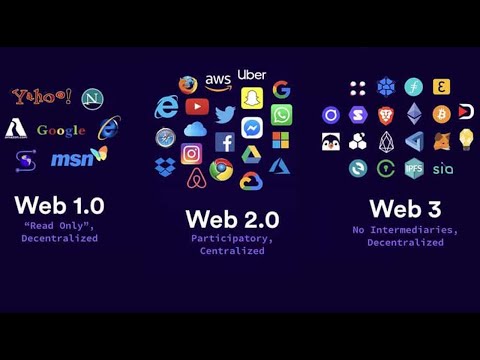
Web 2.0, a term coined by Dale Dougherty in 2004, refers to the second generation of the World Wide Web, characterized by interactive, user-generated content, and social media platforms. This era saw the rise of companies like Facebook, founded by Mark Zuckerberg in 2004, and Twitter, founded by Jack Dorsey in 2006. Web 2.0 enabled users to create and share content, participate in online communities, and collaborate with others, as seen in the success of Wikipedia, launched in 2001. However, this increased interactivity also raised concerns about data privacy, online security, and the spread of misinformation. With a vibe score of 8, Web 2.0 has had a significant impact on modern society, transforming the way we communicate, access information, and conduct business. As we move forward, it's essential to consider the implications of Web 2.0 on our digital lives and the future of the internet, with some arguing that we are now entering a new era, often referred to as Web 3.0, which focuses on decentralization and blockchain technology.
🌐 Introduction to Web 2.0
The term Web 2.0 was first coined by Dale Dougherty in 2004, and it refers to the second generation of the Internet, characterized by the shift from static to dynamic content, and the emergence of social media platforms. This evolution has transformed the way people interact with each other and with technology, enabling new forms of collaboration and community building. The Web 2.0 era has also seen the rise of user-generated content, which has democratized the creation and dissemination of information. As a result, the Internet has become a more participatory and interactive medium, with users playing a key role in shaping its content and direction. For example, platforms like YouTube and Wikipedia have become essential destinations for users seeking entertainment, education, and information.
📈 The Impact of User-Generated Content
The impact of user-generated content on the Internet has been profound. By enabling users to create and share their own content, user-generated content has democratized the media landscape, giving a voice to individuals and communities that were previously marginalized or excluded. User-generated content has also enabled new forms of collaboration and community building, as users work together to create and share content. However, the rise of user-generated content has also raised concerns about copyright and intellectual property, as well as the spread of misinformation and disinformation. Despite these challenges, user-generated content remains a key driver of innovation and creativity on the Internet. For example, platforms like GitHub and Stack Overflow have created large communities of developers who share code and expertise.
🤝 Collaboration and Community Building
The emergence of APIs and mashups has been another significant development of the Web 2.0 era. By enabling developers to access and combine data from different sources, APIs and mashups have enabled the creation of new and innovative applications and services. APIs and mashups have also enabled new forms of collaboration and community building, as developers work together to create and share new applications and services. However, the rise of APIs and mashups has also raised concerns about security and privacy, as well as the spread of malware and vulnerabilities. Despite these challenges, APIs and mashups remain a key driver of innovation and creativity on the Internet. For instance, platforms like AWS and Google Cloud have created large ecosystems of developers who build and deploy applications using APIs and mashups.
📊 The Role of APIs and Mashups
The emergence of cloud computing has been another significant development of the Web 2.0 era. By enabling users to access and store data remotely, cloud computing has enabled new forms of collaboration and community building. Cloud computing has also enabled the creation of new and innovative applications and services, such as SaaS and PaaS. However, the rise of cloud computing has also raised concerns about security and privacy, as well as the spread of malware and vulnerabilities. Despite these challenges, cloud computing remains a key driver of innovation and creativity on the Internet. For example, platforms like Dropbox and Google Drive have become essential tools for users seeking to store and share files remotely.
📈 The Emergence of Cloud Computing
The future of Web 2.0 is likely to be shaped by the emergence of new technologies and trends, such as artificial intelligence and Internet of Things. As these technologies continue to evolve and mature, they are likely to have a profound impact on the Internet and the way people interact with each other and with technology. However, the future of Web 2.0 is also likely to be shaped by the challenges and concerns that have emerged during its development, such as security and privacy. Despite these challenges, the future of Web 2.0 remains bright, with new and innovative applications and services emerging all the time. For instance, platforms like TensorFlow and PyTorch have created large communities of developers who build and deploy artificial intelligence models.
🔒 Security and Privacy Concerns
The intersection of Web 2.0 and artificial intelligence is likely to be a key area of development in the future. By enabling machines to learn and adapt, artificial intelligence has the potential to revolutionize the way people interact with each other and with technology. However, the intersection of Web 2.0 and artificial intelligence also raises concerns about bias and discrimination, as well as the spread of misinformation and disinformation. Despite these challenges, the intersection of Web 2.0 and artificial intelligence remains a key area of research and development, with new and innovative applications and services emerging all the time. For example, platforms like Chatbot and Virtual Assistant have created large communities of users who interact with artificial intelligence models.
📊 The Future of Web 2.0
The evolution of Web 2.0 business models has been another significant development of the Web 2.0 era. By enabling new forms of monetization and revenue generation, Web 2.0 business models have enabled the creation of new and innovative applications and services. However, the evolution of Web 2.0 business models has also raised concerns about privacy and security, as well as the spread of malware and vulnerabilities. Despite these challenges, the evolution of Web 2.0 business models remains a key driver of innovation and creativity on the Internet. For instance, platforms like Amazon and Google have created large ecosystems of developers who build and deploy applications using Web 2.0 business models.
📈 The Intersection of Web 2.0 and Artificial Intelligence
The impact of Web 2.0 on society has been profound. By enabling new forms of communication and community building, Web 2.0 has transformed the way people interact with each other and with technology. However, the impact of Web 2.0 on society has also raised concerns about inequality and access, as well as the spread of misinformation and disinformation. Despite these challenges, the impact of Web 2.0 on society remains a key area of research and development, with new and innovative applications and services emerging all the time. For example, platforms like Coursera and edX have created large communities of users who access education and training remotely.
📊 The Evolution of Web 2.0 Business Models
The relationship between Web 2.0 and e-commerce has been another significant development of the Web 2.0 era. By enabling new forms of online shopping and payment processing, Web 2.0 has transformed the way people buy and sell goods and services. However, the relationship between Web 2.0 and e-commerce has also raised concerns about security and privacy, as well as the spread of malware and vulnerabilities. Despite these challenges, the relationship between Web 2.0 and e-commerce remains a key driver of innovation and creativity on the Internet. For instance, platforms like Shopify and PayPal have created large ecosystems of merchants who sell and process payments online.
Key Facts
- Year
- 2004
- Origin
- O'Reilly Media
- Category
- Technology
- Type
- Concept
Frequently Asked Questions
What is Web 2.0?
Web 2.0 refers to the second generation of the Internet, characterized by the shift from static to dynamic content, and the emergence of social media platforms. It has transformed the way people interact with each other and with technology, enabling new forms of collaboration and community building. Web 2.0 has also enabled the creation of new and innovative applications and services, such as user-generated content, APIs, and mashups. However, it has also raised concerns about security, privacy, and the spread of misinformation and disinformation.
What are the key features of Web 2.0?
The key features of Web 2.0 include the shift from static to dynamic content, the emergence of social media platforms, and the enablement of user-generated content. It has also enabled new forms of collaboration and community building, as well as the creation of new and innovative applications and services. Additionally, Web 2.0 has raised concerns about security, privacy, and the spread of misinformation and disinformation. For example, platforms like Facebook and Twitter have become essential tools for users seeking to connect with each other and share information.
How has Web 2.0 impacted society?
Web 2.0 has had a profound impact on society, transforming the way people interact with each other and with technology. It has enabled new forms of communication and community building, and has created new opportunities for education, entertainment, and commerce. However, it has also raised concerns about inequality and access, as well as the spread of misinformation and disinformation. Despite these challenges, Web 2.0 remains a key driver of innovation and creativity on the Internet. For instance, platforms like Coursera and edX have created large communities of users who access education and training remotely.
What are the challenges facing Web 2.0?
The challenges facing Web 2.0 include concerns about security, privacy, and the spread of misinformation and disinformation. Additionally, Web 2.0 has raised concerns about inequality and access, as well as the impact of technology on employment and the economy. Despite these challenges, Web 2.0 remains a key driver of innovation and creativity on the Internet. For example, platforms like Amazon and Google have created large ecosystems of developers who build and deploy applications using Web 2.0 business models.
What is the future of Web 2.0?
The future of Web 2.0 is likely to be shaped by the emergence of new technologies and trends, such as artificial intelligence and Internet of Things. As these technologies continue to evolve and mature, they are likely to have a profound impact on the Internet and the way people interact with each other and with technology. However, the future of Web 2.0 is also likely to be shaped by the challenges and concerns that have emerged during its development, such as security and privacy. Despite these challenges, the future of Web 2.0 remains bright, with new and innovative applications and services emerging all the time.
How has Web 2.0 impacted the economy?
Web 2.0 has had a significant impact on the economy, enabling new forms of commerce and innovation. It has created new opportunities for entrepreneurship and job creation, and has transformed the way people buy and sell goods and services. However, it has also raised concerns about the impact of technology on employment and the economy. Despite these challenges, Web 2.0 remains a key driver of innovation and creativity on the Internet. For instance, platforms like Shopify and PayPal have created large ecosystems of merchants who sell and process payments online.
What are the benefits of Web 2.0?
The benefits of Web 2.0 include the enablement of new forms of collaboration and community building, the creation of new and innovative applications and services, and the transformation of the way people interact with each other and with technology. Additionally, Web 2.0 has created new opportunities for education, entertainment, and commerce. However, it has also raised concerns about security, privacy, and the spread of misinformation and disinformation. Despite these challenges, Web 2.0 remains a key driver of innovation and creativity on the Internet.