
Contents
- 🏛️ Introduction to African Architecture
- 🌍 Regional Styles and Influences
- 🏠 Traditional African Architecture
- 🔍 Fractal Scaling in African Design
- 🌄 Sudano-Sahelian Architecture
- 🏞️ African Architecture in Modern Times
- 👥 Influential African Architects
- 🏛️ Preservation and Restoration Efforts
- 📚 African Architecture in History Books
- 📸 Documenting African Architecture
- 👀 Future of African Architecture
- Frequently Asked Questions
- Related Topics
Overview
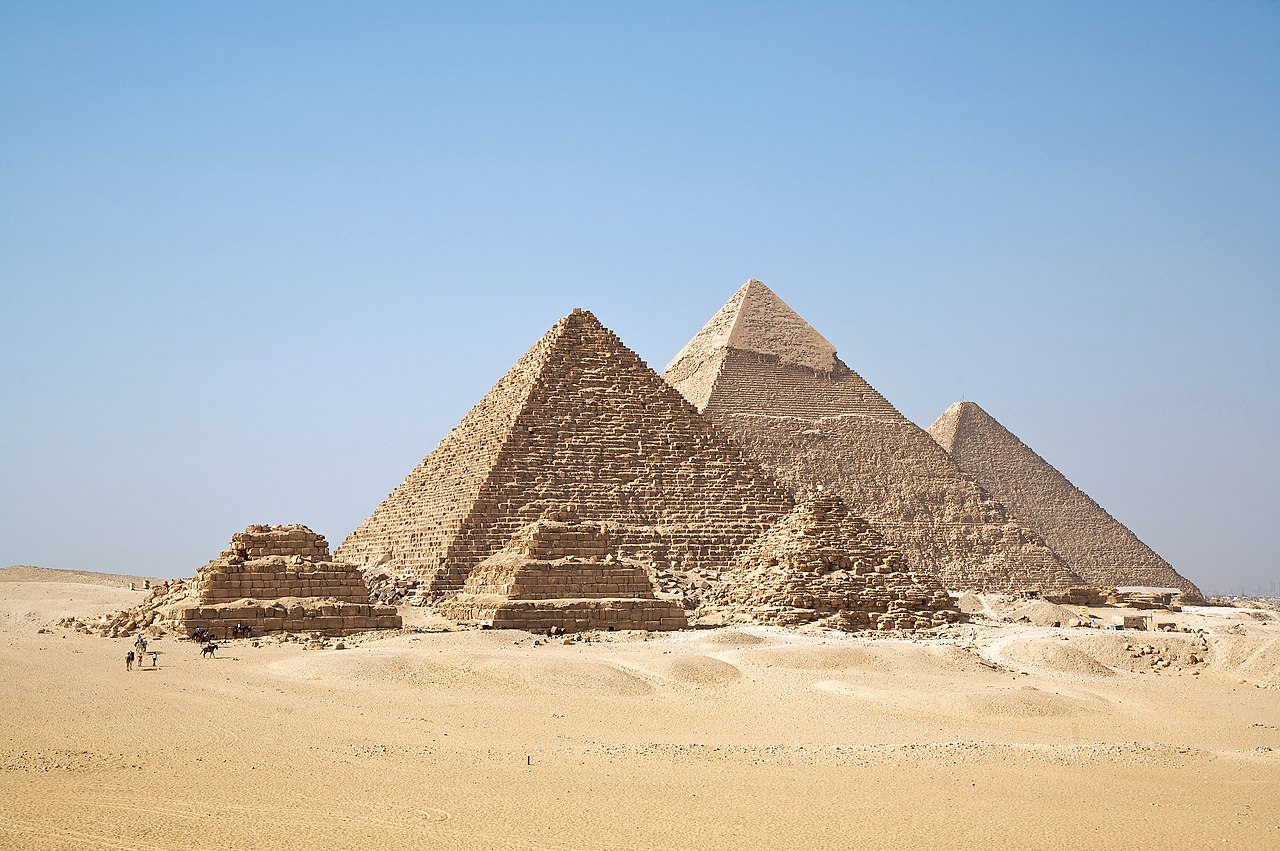
African architecture is a testament to the continent's incredible cultural diversity, with a history spanning thousands of years and encompassing a wide range of styles, from the ancient pyramids of Egypt to the modernist masterpieces of West Africa. With a vibe score of 8, African architecture is a highly energetic and expressive field, reflecting the continent's complex history, cultural traditions, and environmental contexts. The influence of African architecture can be seen in the work of architects such as Zaha Hadid, who has cited the mud mosques of Mali as an inspiration for her designs. However, African architecture is not without its challenges, including the threat of cultural homogenization and the need for sustainable and environmentally conscious design. As the continent continues to urbanize and develop, African architecture is likely to play an increasingly important role in shaping the built environment and promoting cultural exchange. With its unique blend of traditional and modern elements, African architecture is poised to become a major force in the global architectural landscape, with a controversy spectrum of 6, reflecting the ongoing debates about cultural appropriation, sustainability, and the role of architecture in promoting social justice.
🏛️ Introduction to African Architecture
African architecture is a rich and diverse field that reflects the continent's vibrant cultural heritage. With a history spanning thousands of years, African architecture has been shaped by various traditions, influences, and styles. From the ancient Egyptian Architecture to the modern South African Architecture, the continent has a unique architectural identity. The use of local materials, such as mud and thatch, has been a common feature of traditional African architecture. For example, the Dogon Architecture of Mali is known for its intricate designs and use of local materials. As we explore the world of African architecture, we will delve into the various regional styles, influences, and traditions that have shaped this fascinating field.
🌍 Regional Styles and Influences
Regional styles and influences have played a significant role in shaping African architecture. The Sudano-Sahelian Architecture of West Africa, for instance, is characterized by the use of mud and thatch, with structures often featuring intricate designs and ornate decorations. In contrast, the Ethiopian Architecture of East Africa is known for its use of stone and wood, with a focus on grandiose structures such as churches and palaces. The influence of Islamic Architecture can also be seen in many African countries, particularly in the north and west. As we explore these regional styles, we will examine the ways in which they have been shaped by local traditions, cultural exchange, and historical events. For example, the Hausa Architecture of Nigeria has been influenced by both Islamic and local traditions.
🏠 Traditional African Architecture
Traditional African architecture is characterized by the use of local materials, such as mud, thatch, and wood. The use of fractal scaling, where small parts of the structure resemble larger parts, is also a common feature of traditional African design. This can be seen in the circular villages of the Dogon People of Mali, where the houses are arranged in a circular pattern, reflecting the community's social and cultural values. The Maasai Architecture of East Africa is another example of traditional African design, with its use of mud and thatch to create simple yet functional structures. As we explore traditional African architecture, we will examine the ways in which these structures reflect the social, cultural, and environmental contexts in which they were built. For instance, the Zulu Architecture of South Africa has been shaped by the community's history, culture, and geography.
🔍 Fractal Scaling in African Design
Fractal scaling is a key feature of traditional African architecture, where small parts of the structure tend to resemble larger parts. This can be seen in the design of African Villages, where the arrangement of houses and public spaces reflects the community's social and cultural values. The use of fractal scaling also allows for the creation of complex and intricate designs, such as the African Patterns found in textiles and other forms of art. As we explore the use of fractal scaling in African design, we will examine the ways in which this technique reflects the continent's rich cultural heritage. For example, the Yoruba Architecture of Nigeria features intricate designs and patterns that reflect the community's history and mythology.
🌄 Sudano-Sahelian Architecture
The Sudano-Sahelian architecture of West Africa is a unique and fascinating style that reflects the region's cultural and historical context. Characterized by the use of mud and thatch, Sudano-Sahelian architecture features intricate designs and ornate decorations. The Great Mosque of Djenne in Mali is a prime example of this style, with its grandiose structure and intricate designs. As we explore Sudano-Sahelian architecture, we will examine the ways in which this style has been shaped by local traditions, cultural exchange, and historical events. For instance, the Hausa Architecture of Nigeria has been influenced by both Islamic and local traditions, reflecting the region's complex cultural heritage.
🏞️ African Architecture in Modern Times
African architecture in modern times is a diverse and dynamic field, with a wide range of styles and influences. From the Modern African Architecture of cities like Lagos and Johannesburg, to the traditional architecture of rural areas, the continent has a unique architectural identity. The use of local materials, such as mud and thatch, is still a common feature of African architecture, although modern materials and techniques are also being used. As we explore African architecture in modern times, we will examine the ways in which the continent's rich cultural heritage is being reflected in its built environment. For example, the African City of the future will require innovative and sustainable design solutions, such as the use of Green Architecture and Sustainable Design.
👥 Influential African Architects
Influential African architects have played a significant role in shaping the continent's architectural identity. From the Diébédo Francis Kéré of Burkina Faso, to the Kunlé Adeyemi of Nigeria, African architects are making a name for themselves on the global stage. As we explore the work of these influential architects, we will examine the ways in which they are reflecting the continent's rich cultural heritage in their designs. For instance, the David Adjaye of Ghana is known for his innovative and sustainable designs, which reflect the continent's unique cultural and environmental context. The Makoko Floating School in Nigeria is another example of innovative African architecture, designed by Kunlé Adeyemi.
🏛️ Preservation and Restoration Efforts
Preservation and restoration efforts are essential for protecting Africa's rich cultural heritage. Many of the continent's historic buildings and structures are in need of preservation and restoration, due to factors such as neglect, poverty, and conflict. As we explore preservation and restoration efforts, we will examine the ways in which these efforts are being undertaken, and the challenges that are being faced. For example, the Preservation of African Heritage is a complex issue, requiring the involvement of local communities, governments, and international organizations. The UNESCO World Heritage program is one example of an international effort to preserve and protect Africa's cultural heritage.
📚 African Architecture in History Books
African architecture has a rich and fascinating history, with a wide range of styles and influences. From the ancient Egyptian Architecture to the modern South African Architecture, the continent has a unique architectural identity. As we explore the history of African architecture, we will examine the ways in which the continent's cultural heritage has been reflected in its built environment. For instance, the African Empires of the past, such as the Empire of Ghana and the Empire of Mali, have left a lasting legacy in the continent's architecture. The African Colonial Architecture of the colonial period is another example of the continent's complex architectural history.
📸 Documenting African Architecture
Documenting African architecture is an essential task, as it allows us to preserve and protect the continent's rich cultural heritage. From the Photography of African Architecture to the Filming of African Architecture, there are many ways in which African architecture is being documented. As we explore the documentation of African architecture, we will examine the ways in which this is being undertaken, and the challenges that are being faced. For example, the African Architectural Photography of photographers such as Sanlé Sory is an important part of documenting the continent's architectural heritage. The African Architecture Film is another example of how African architecture is being documented and showcased.
👀 Future of African Architecture
The future of African architecture is a dynamic and exciting field, with a wide range of possibilities and challenges. As the continent continues to urbanize and develop, there will be a need for innovative and sustainable design solutions, such as the use of Green Architecture and Sustainable Design. As we explore the future of African architecture, we will examine the ways in which the continent's rich cultural heritage will be reflected in its built environment. For instance, the African City of the Future will require innovative and sustainable design solutions, such as the use of Renewable Energy and Green Spaces. The African Architecture Awards is another example of how African architecture is being recognized and celebrated.
Key Facts
- Year
- 2023
- Origin
- Africa
- Category
- Architecture
- Type
- Architectural Style
Frequently Asked Questions
What is African architecture?
African architecture refers to the built environment of the African continent, including buildings, structures, and other physical features. It is a diverse and dynamic field, with a wide range of styles and influences. From the ancient Egyptian Architecture to the modern South African Architecture, the continent has a unique architectural identity. African architecture reflects the continent's rich cultural heritage, with a focus on local materials, such as mud and thatch, and traditional design techniques.
What are the characteristics of traditional African architecture?
Traditional African architecture is characterized by the use of local materials, such as mud and thatch, and traditional design techniques. The use of fractal scaling, where small parts of the structure resemble larger parts, is also a common feature of traditional African design. Additionally, traditional African architecture often reflects the social and cultural values of the community, with a focus on communal living and shared public spaces. For example, the Dogon Architecture of Mali features intricate designs and patterns that reflect the community's history and mythology.
What is Sudano-Sahelian architecture?
Sudano-Sahelian architecture is a style of architecture found in West Africa, characterized by the use of mud and thatch. It is a unique and fascinating style, with intricate designs and ornate decorations. The Great Mosque of Djenne in Mali is a prime example of Sudano-Sahelian architecture, with its grandiose structure and intricate designs. Sudano-Sahelian architecture reflects the cultural and historical context of the region, with a focus on Islamic and local traditions.
Who are some influential African architects?
There are many influential African architects, including Diébédo Francis Kéré of Burkina Faso, Kunlé Adeyemi of Nigeria, and David Adjaye of Ghana. These architects are making a name for themselves on the global stage, with innovative and sustainable designs that reflect the continent's unique cultural and environmental context. For example, the Makoko Floating School in Nigeria, designed by Kunlé Adeyemi, is a prime example of innovative African architecture.
What is the future of African architecture?
The future of African architecture is a dynamic and exciting field, with a wide range of possibilities and challenges. As the continent continues to urbanize and develop, there will be a need for innovative and sustainable design solutions, such as the use of Green Architecture and Sustainable Design. The African City of the Future will require innovative and sustainable design solutions, such as the use of Renewable Energy and Green Spaces.
How is African architecture being documented?
African architecture is being documented through a variety of means, including Photography of African Architecture and Filming of African Architecture. The African Architectural Photography of photographers such as Sanlé Sory is an important part of documenting the continent's architectural heritage. Additionally, the African Architecture Film is another example of how African architecture is being documented and showcased.
What is the importance of preserving African architecture?
Preserving African architecture is essential for protecting the continent's rich cultural heritage. Many of the continent's historic buildings and structures are in need of preservation and restoration, due to factors such as neglect, poverty, and conflict. The Preservation of African Heritage is a complex issue, requiring the involvement of local communities, governments, and international organizations. The UNESCO World Heritage program is one example of an international effort to preserve and protect Africa's cultural heritage.