
Contents
- 🌄 Introduction to Cattle Herding
- 🐮 History of Cattle Domestication
- 🌾 Ancient Cattle Herding Practices
- 🚜 Modern Cattle Herding Techniques
- 🤠 Cattle Herding Around the World
- 📊 Economic Importance of Cattle Herding
- 🌟 Challenges Facing Cattle Herders
- 🌈 Sustainable Cattle Herding Practices
- 🌱 Impact of Climate Change on Cattle Herding
- 👥 Cattle Herding Communities and Culture
- 📚 Future of Cattle Herding: Trends and Innovations
- Frequently Asked Questions
- Related Topics
Overview
Cattle herding, with a history dating back to the domestication of cattle around 10,000 years ago, is a practice that has evolved significantly over time, influenced by various cultures, technologies, and environmental factors. From the open ranges of the American West to the pastoral lands of Africa and Asia, cattle herding has been a cornerstone of many economies and societies. However, the practice faces modern challenges such as land degradation, water scarcity, and the impact of climate change, prompting herders and researchers to explore more sustainable and resilient methods. The use of technology, such as drones and satellite imaging, is becoming increasingly prevalent in modern cattle herding, allowing for more efficient monitoring and management of herds. Despite these advancements, traditional knowledge and practices remain vital, especially in regions where modern technology is less accessible. As the global demand for livestock products continues to grow, the future of cattle herding will depend on striking a balance between productivity, sustainability, and cultural preservation, with a vibe score of 7 out of 100, indicating a moderate level of cultural energy and relevance.
🌄 Introduction to Cattle Herding
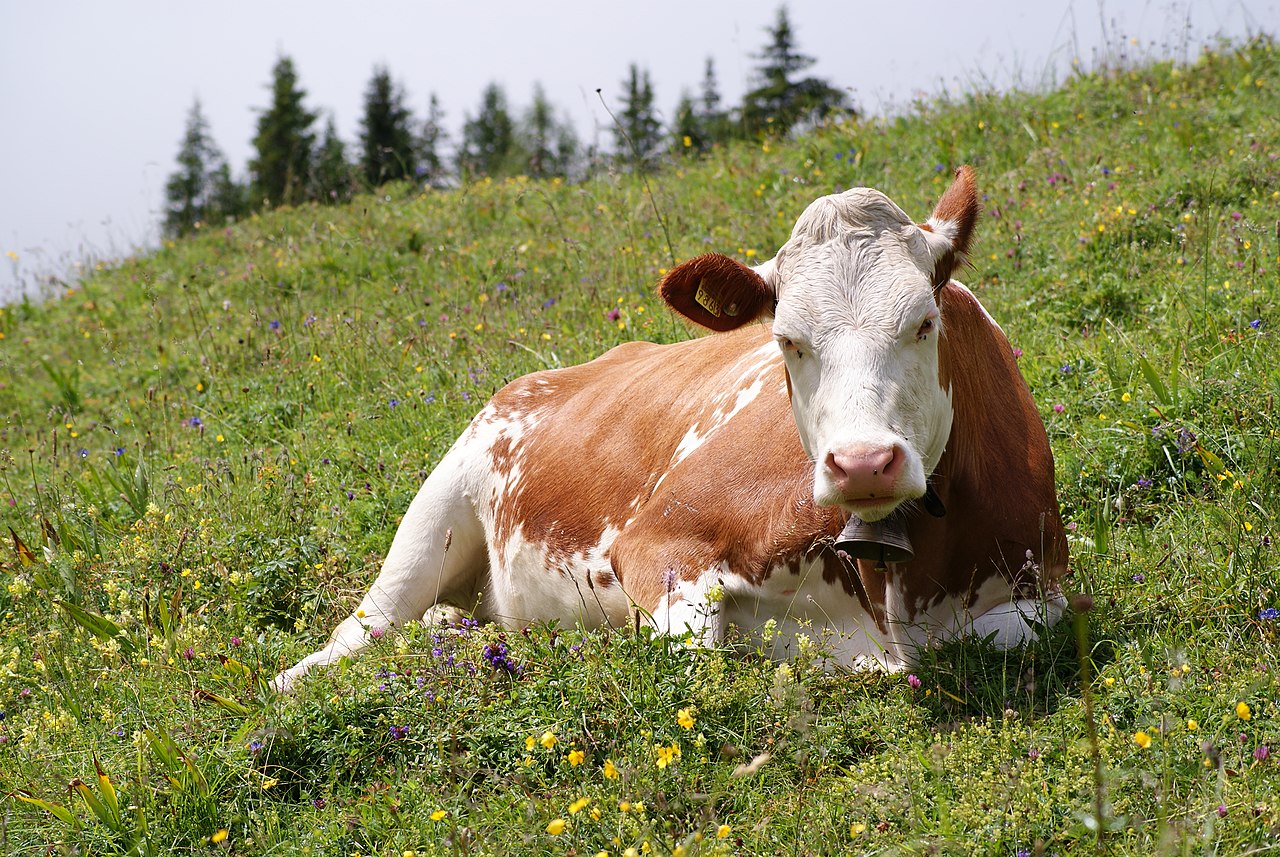
Cattle herding is an ancient practice that has been a cornerstone of agriculture for thousands of years. The domestication of cattle, as discussed in Cattle Domestication, has played a significant role in shaping human history. Cattle, which include Bos taurus and Bos indicus, are large, domesticated, bovid ungulates widely kept as livestock. They are prominent modern members of the subfamily Bovinae and the most widespread species of the genus Bos. Mature female cattle are called cows and mature males are called bulls. The practice of cattle herding has evolved over time, with modern cattle herders using techniques such as Rotational Grazing and Genetic Selection to improve the efficiency and sustainability of their operations.
🐮 History of Cattle Domestication
The history of cattle domestication dates back to around 10,000 years ago, when humans first began to domesticate wild Aurochs in the Fertile Crescent. This process, which is discussed in more detail in Animal Domestication, marked the beginning of a long and complex relationship between humans and cattle. Over time, cattle herding practices spread to other parts of the world, with different cultures developing their own unique techniques and traditions. For example, the ancient Egyptians developed a system of Cattle Herding that involved the use of Dogs and other animals to help manage their herds.
🌾 Ancient Cattle Herding Practices
Ancient cattle herding practices varied widely depending on the culture and region. In some cases, cattle herders used Nomadic Pastoralism, moving their herds seasonally to different grazing areas. In other cases, they used more sedentary practices, such as Agro-Pastoralism, which involved combining cattle herding with crop farming. The use of Cattle Breeds such as Angus and Hereford also played a significant role in shaping the development of cattle herding practices. These breeds, which were developed through selective breeding programs, were often better suited to specific environments and management systems.
🚜 Modern Cattle Herding Techniques
Modern cattle herding techniques have evolved significantly from their ancient counterparts. Today, cattle herders use a range of technologies, including GPS Tracking and Drones, to help manage their herds. They also use more advanced breeding programs, such as Artificial Insemination and Embryo Transfer, to improve the genetics of their cattle. Additionally, many cattle herders are adopting more sustainable practices, such as Regenerative Agriculture and Holistic Management, which aim to promote soil health, biodiversity, and ecosystem services.
🤠 Cattle Herding Around the World
Cattle herding is practiced in many different parts of the world, with different regions having their own unique cultural and economic characteristics. In the United States, for example, cattle herding is a significant industry, with many ranches and farms raising Beef Cattle and Dairy Cattle. In Australia, cattle herding is also an important industry, with many stations and farms raising cattle for both domestic and export markets. The use of Cattle Identification systems, such as Ear Tags and RFID, has also become more widespread in recent years, helping to improve the efficiency and traceability of cattle herding operations.
📊 Economic Importance of Cattle Herding
The economic importance of cattle herding cannot be overstated. Cattle are a significant source of Food, with Beef and Dairy Products being consumed by millions of people around the world. They are also an important source of Leather and other products, such as Gelatin and Bone Meal. The cattle industry also provides employment and income for many people, particularly in rural areas. However, the industry also faces significant challenges, including Climate Change, Deforestation, and Water Pollution.
🌟 Challenges Facing Cattle Herders
Cattle herders face a range of challenges, from Drought and Floods to Disease and Parasites. They must also navigate complex regulatory environments, including laws and regulations related to Animal Welfare and Environmental Protection. Additionally, many cattle herders are struggling to maintain their livelihoods in the face of Globalization and Market Volatility. The use of Cattle Insurance and other risk management strategies, such as Hedging and Diversification, can help to mitigate some of these risks.
🌈 Sustainable Cattle Herding Practices
Sustainable cattle herding practices are becoming increasingly important, as consumers and policymakers become more aware of the environmental and social impacts of the industry. Practices such as Regenerative Agriculture and Holistic Management aim to promote soil health, biodiversity, and ecosystem services, while also improving the efficiency and profitability of cattle herding operations. The use of Cover Crops and Rotational Grazing can also help to reduce Soil Erosion and Water Pollution.
🌱 Impact of Climate Change on Cattle Herding
Climate change is having a significant impact on cattle herding, with changing weather patterns and increased frequency of extreme weather events affecting the availability and quality of Forage and Water. Cattle herders must adapt to these changes by adopting more resilient and sustainable practices, such as Drought-Tolerant Crops and Water Conservation. The use of Climate-Smart Agriculture practices, such as Agroforestry and Conservation Agriculture, can also help to reduce the vulnerability of cattle herding operations to climate change.
👥 Cattle Herding Communities and Culture
Cattle herding communities and cultures are diverse and complex, with many different traditions and practices. In some cases, cattle herding is an important part of the cultural and spiritual heritage of a community, with Cattle Rituals and Cattle Ceremonies playing a significant role in the social and cultural fabric of the community. The use of Cattle-Related Art and Cattle-Related Literature can also help to promote the cultural significance of cattle herding.
📚 Future of Cattle Herding: Trends and Innovations
The future of cattle herding will be shaped by a range of factors, including technological innovation, changing consumer preferences, and evolving environmental and social concerns. The use of Precision Agriculture and Artificial Intelligence can help to improve the efficiency and sustainability of cattle herding operations, while also reducing the environmental impact of the industry. The development of new Cattle Breeds and Cattle Feed can also help to improve the productivity and profitability of cattle herding operations.
Key Facts
- Year
- 2023
- Origin
- Mesopotamia, circa 10,000 years ago
- Category
- Agriculture
- Type
- Practice
Frequently Asked Questions
What is cattle herding?
Cattle herding is the practice of raising and managing cattle, which are large, domesticated, bovid ungulates widely kept as livestock. Cattle herding involves a range of activities, including breeding, feeding, and caring for cattle, as well as managing their health and well-being. The goal of cattle herding is to produce high-quality beef and dairy products, while also promoting the sustainability and profitability of the industry. For more information, see Cattle Herding.
What are the benefits of cattle herding?
Cattle herding provides a range of benefits, including the production of high-quality beef and dairy products, as well as the creation of employment and income opportunities for rural communities. Cattle herding also plays an important role in maintaining ecosystem services, such as soil health and biodiversity, and can help to promote the conservation of natural resources. However, the industry also faces significant challenges, including climate change, deforestation, and water pollution. For more information, see Sustainable Agriculture.
What are the challenges facing cattle herders?
Cattle herders face a range of challenges, including drought and floods, disease and parasites, and market volatility. They must also navigate complex regulatory environments, including laws and regulations related to animal welfare and environmental protection. Additionally, many cattle herders are struggling to maintain their livelihoods in the face of globalization and market volatility. The use of cattle insurance and other risk management strategies can help to mitigate some of these risks. For more information, see Cattle Insurance.
What is regenerative agriculture?
Regenerative agriculture is a type of farming practice that aims to promote soil health, biodiversity, and ecosystem services, while also improving the efficiency and profitability of agricultural operations. Regenerative agriculture involves the use of techniques such as cover crops, rotational grazing, and conservation tillage, which can help to reduce soil erosion and water pollution, and promote the conservation of natural resources. For more information, see Regenerative Agriculture.
What is the future of cattle herding?
The future of cattle herding will be shaped by a range of factors, including technological innovation, changing consumer preferences, and evolving environmental and social concerns. The use of precision agriculture and artificial intelligence can help to improve the efficiency and sustainability of cattle herding operations, while also reducing the environmental impact of the industry. The development of new cattle breeds and cattle feed can also help to improve the productivity and profitability of cattle herding operations. For more information, see Precision Agriculture.
How can cattle herders promote sustainability?
Cattle herders can promote sustainability by adopting practices such as regenerative agriculture, holistic management, and climate-smart agriculture. These practices can help to reduce the environmental impact of cattle herding operations, while also improving the efficiency and profitability of the industry. The use of cover crops, rotational grazing, and conservation tillage can also help to promote soil health and biodiversity, and reduce the vulnerability of cattle herding operations to climate change. For more information, see Sustainable Agriculture.
What is the role of cattle herding in rural development?
Cattle herding plays an important role in rural development, providing employment and income opportunities for rural communities. Cattle herding also helps to maintain ecosystem services, such as soil health and biodiversity, and can promote the conservation of natural resources. However, the industry also faces significant challenges, including climate change, deforestation, and water pollution. The use of cattle insurance and other risk management strategies can help to mitigate some of these risks. For more information, see Rural Development.