
Contents
- 🌳 Introduction to Cloud Forests
- 🌴 Characteristics of Cloud Forests
- 🏔️ Geographic Distribution of Cloud Forests
- 🌿 Vegetation and Mosses in Cloud Forests
- 🐝 Biodiversity and Endemic Species
- 🚨 Threats to Cloud Forests
- 🌟 Conservation Efforts and Protected Areas
- 📊 Climate Change and Cloud Forests
- 👥 Indigenous Communities and Cloud Forests
- 🔬 Research and Scientific Studies
- 📸 Tourism and Ecotourism in Cloud Forests
- Frequently Asked Questions
- Related Topics
Overview
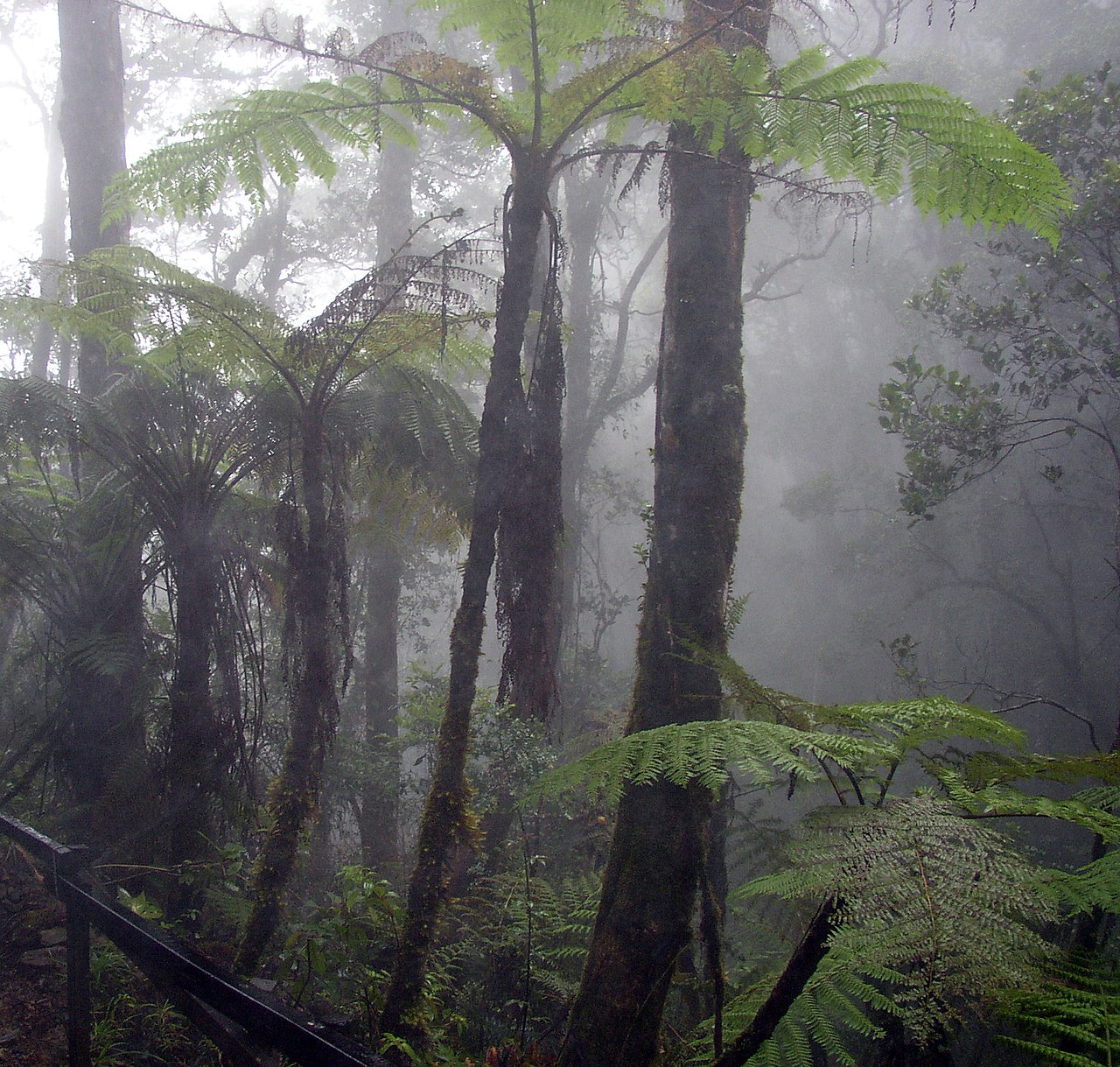
Cloud forests, found in tropical and subtropical regions, are ecosystems characterized by persistent fog and mist, supporting a vast array of plant and animal species. These forests, such as the Monteverde Cloud Forest in Costa Rica, are not only breathtakingly beautiful but also play a crucial role in regulating the global climate. However, they are under threat from deforestation, climate change, and habitat fragmentation, with an estimated 10% of cloud forests lost in the past two decades. The loss of these ecosystems could have devastating consequences, including the extinction of endemic species and disruption of global water cycles. Researchers like Dr. Nalini Nadkarni, a pioneer in cloud forest ecology, are working tirelessly to study and protect these unique environments. With a vibe score of 8, cloud forests evoke a sense of wonder and awe, but also raise important questions about human responsibility and environmental stewardship, such as the impact of tourism on these fragile ecosystems, which can have both positive and negative effects, as noted by the World Wildlife Fund (WWF) and the International Union for Conservation of Nature (IUCN).
🌳 Introduction to Cloud Forests
Cloud forests, also known as water forests or tropical montane cloud forests, are unique and fascinating ecosystems that are characterized by a persistent, frequent, or seasonal low-level cloud cover, usually at the canopy level. According to the International Cloud Atlas (2017), cloud forests are formally described as silvagenitus. These forests are often found in tropical or subtropical regions and are known for their evergreen, montane, and moist characteristics. Cloud forests are not only important for their role in regulating the water cycle, but they are also home to a wide range of plant and animal species, including many endemic species that can be found nowhere else on Earth. For example, the Andes mountain range is home to many cloud forests, including the Manu National Park in Peru. Cloud forests are also closely linked to biodiversity hotspots, which are areas that are particularly rich in species and are often found in cloud forests.
🌴 Characteristics of Cloud Forests
One of the key characteristics of cloud forests is the abundance of mosses that cover the ground and vegetation. These mossy forests, as they are sometimes called, are usually found on the saddles of mountains, where moisture introduced by settling clouds is more effectively retained. The mosses that grow in these forests are able to thrive in the cool, humid conditions and play an important role in regulating the water cycle. Cloud forests are also known for their unique microclimate, which is characterized by a persistent, frequent, or seasonal low-level cloud cover. This microclimate is created by the interaction between the forest and the surrounding landscape, and it is an important factor in determining the types of plant and animal species that are able to live in the forest. For example, the cloud forest in Costa Rica is home to a wide range of plant species, including orchids and bromeliads. Cloud forests are also closely linked to ecosystem services, which are the benefits that humans derive from functioning ecosystems.
🏔️ Geographic Distribution of Cloud Forests
Cloud forests are found in many parts of the world, including Central and South America, Africa, Asia, and the Pacific Islands. They are often found in mountainous regions, where the climate is cool and humid. Some of the countries with the largest areas of cloud forest include México, Colombia, Ecuador, and Indonesia. Cloud forests are also found in Australia and New Zealand, although they are less common in these countries. The geographic distribution of cloud forests is closely linked to the global climate, and changes in the climate are having a significant impact on these ecosystems. For example, the deforestation of cloud forests in Brazil is having a major impact on the water cycle and is contributing to climate change. Cloud forests are also closely linked to conservation biology, which is the study of the preservation and protection of threatened and endangered species.
🌿 Vegetation and Mosses in Cloud Forests
The vegetation in cloud forests is characterized by a high level of endemism, with many plant species found nowhere else on Earth. The forests are often dominated by tree species such as oak and beech, and the understory is often dense with shrubs and herbaceous plants. The mosses that cover the ground and vegetation are an important component of the forest ecosystem, and they play a key role in regulating the water cycle. Cloud forests are also home to a wide range of animal species, including birds, mammals, and insects. For example, the resplendent quetzal is a bird species that is found in the cloud forests of Central America. Cloud forests are also closely linked to ecological restoration, which is the process of restoring damaged or degraded ecosystems. The restoration ecology of cloud forests is a complex and challenging process, but it is essential for maintaining the health and biodiversity of these ecosystems.
🐝 Biodiversity and Endemic Species
Cloud forests are home to a wide range of biodiversity, including many endemic species that can be found nowhere else on Earth. The forests are often characterized by a high level of species richness, with many different species of plants and animals found in a small area. Cloud forests are also important for their role in regulating the water cycle, and they are often referred to as the ''lungs'' of the Earth. The ecosystem services provided by cloud forests are essential for maintaining the health and well-being of both humans and the environment. For example, the cloud forest in Venezuela is home to a wide range of plant and animal species, including the Andean bear. Cloud forests are also closely linked to sustainable development, which is the process of meeting the needs of the present without compromising the ability of future generations to meet their own needs.
🚨 Threats to Cloud Forests
Cloud forests are facing a number of threats, including deforestation, climate change, and habitat fragmentation. The deforestation of cloud forests is often driven by the demand for agricultural land and timber, and it is having a major impact on the biodiversity of these ecosystems. Cloud forests are also vulnerable to climate change, which is altering the microclimate of the forests and making it more difficult for plants and animals to survive. For example, the cloud forest in Madagascar is under threat from deforestation and habitat fragmentation. Cloud forests are also closely linked to environmental policy, which is the process of developing and implementing laws and regulations to protect the environment.
🌟 Conservation Efforts and Protected Areas
There are a number of conservation efforts underway to protect cloud forests, including the establishment of protected areas such as national parks and wildlife reserves. These protected areas provide a safe habitat for plants and animals, and they help to regulate the water cycle and maintain the biodiversity of the forests. Cloud forests are also being protected through sustainable forest management practices, which aim to balance the needs of humans and the environment. For example, the cloud forest in Rwanda is being protected through a combination of protected areas and sustainable forest management practices. Cloud forests are also closely linked to ecotourism, which is the practice of visiting and appreciating natural areas while minimizing the impact on the environment.
📊 Climate Change and Cloud Forests
Cloud forests are particularly vulnerable to climate change, which is altering the microclimate of the forests and making it more difficult for plants and animals to survive. The global climate is changing at a rapid rate, and this is having a major impact on the biodiversity of cloud forests. Cloud forests are also being affected by drought, which is reducing the amount of water available to plants and animals. For example, the cloud forest in South Africa is being affected by drought and climate change. Cloud forests are also closely linked to climate change mitigation, which is the process of reducing the amount of greenhouse gases in the atmosphere and slowing the rate of climate change.
👥 Indigenous Communities and Cloud Forests
Cloud forests have been home to indigenous communities for thousands of years, and these communities have a deep understanding of the forests and their ecosystems. The indigenous knowledge of cloud forests is an important component of the conservation efforts that are underway to protect these ecosystems. Cloud forests are also being protected through community-based conservation initiatives, which aim to involve local communities in the conservation process. For example, the cloud forest in Papua New Guinea is being protected through a combination of protected areas and community-based conservation initiatives. Cloud forests are also closely linked to cultural heritage, which is the practice of preserving and protecting the cultural traditions and practices of indigenous communities.
🔬 Research and Scientific Studies
There is a significant amount of research being conducted on cloud forests, including studies on the ecology and biodiversity of these ecosystems. The scientific studies that are being conducted on cloud forests are providing important insights into the conservation efforts that are underway to protect these ecosystems. Cloud forests are also being studied through remote sensing technologies, which are providing important information on the land use and land cover of these ecosystems. For example, the cloud forest in China is being studied through a combination of field research and remote sensing technologies. Cloud forests are also closely linked to geographic information systems, which are the tools and technologies used to analyze and interpret geographic data.
📸 Tourism and Ecotourism in Cloud Forests
Cloud forests are becoming increasingly popular as a destination for ecotourism, which is the practice of visiting and appreciating natural areas while minimizing the impact on the environment. The tourism industry is providing an important source of income for local communities, and it is also helping to raise awareness about the importance of conservation efforts to protect cloud forests. Cloud forests are also being protected through sustainable tourism practices, which aim to balance the needs of humans and the environment. For example, the cloud forest in Peru is being protected through a combination of protected areas and sustainable tourism practices. Cloud forests are also closely linked to environmental education, which is the process of teaching people about the importance of protecting the environment.
Key Facts
- Year
- 2022
- Origin
- Tropical and Subtropical Regions
- Category
- Environmental Science
- Type
- Ecosystem
Frequently Asked Questions
What is a cloud forest?
A cloud forest is a type of forest that is characterized by a persistent, frequent, or seasonal low-level cloud cover, usually at the canopy level. Cloud forests are often found in tropical or subtropical regions and are known for their evergreen, montane, and moist characteristics. They are home to a wide range of plant and animal species, including many endemic species that can be found nowhere else on Earth. For example, the cloud forest in Costa Rica is home to a wide range of plant species, including orchids and bromeliads. Cloud forests are also closely linked to ecosystem services, which are the benefits that humans derive from functioning ecosystems.
Where are cloud forests found?
Cloud forests are found in many parts of the world, including Central and South America, Africa, Asia, and the Pacific Islands. They are often found in mountainous regions, where the climate is cool and humid. Some of the countries with the largest areas of cloud forest include México, Colombia, Ecuador, and Indonesia. Cloud forests are also found in Australia and New Zealand, although they are less common in these countries. The geographic distribution of cloud forests is closely linked to the global climate, and changes in the climate are having a significant impact on these ecosystems.
What are the main threats to cloud forests?
Cloud forests are facing a number of threats, including deforestation, climate change, and habitat fragmentation. The deforestation of cloud forests is often driven by the demand for agricultural land and timber, and it is having a major impact on the biodiversity of these ecosystems. Cloud forests are also vulnerable to climate change, which is altering the microclimate of the forests and making it more difficult for plants and animals to survive. For example, the cloud forest in Madagascar is under threat from deforestation and habitat fragmentation.
What are the benefits of cloud forests?
Cloud forests provide a number of benefits, including ecosystem services such as water regulation, soil conservation, and carbon sequestration. They are also home to a wide range of plant and animal species, including many endemic species that can be found nowhere else on Earth. Cloud forests are also important for their role in regulating the water cycle, and they are often referred to as the ''lungs'' of the Earth. The ecosystem services provided by cloud forests are essential for maintaining the health and well-being of both humans and the environment. For example, the cloud forest in Venezuela is home to a wide range of plant and animal species, including the Andean bear.
How can we protect cloud forests?
There are a number of ways to protect cloud forests, including the establishment of protected areas such as national parks and wildlife reserves. Cloud forests are also being protected through sustainable forest management practices, which aim to balance the needs of humans and the environment. The conservation efforts that are underway to protect cloud forests are providing important insights into the ecology and biodiversity of these ecosystems. For example, the cloud forest in Rwanda is being protected through a combination of protected areas and sustainable forest management practices. Cloud forests are also closely linked to ecotourism, which is the practice of visiting and appreciating natural areas while minimizing the impact on the environment.
What is the current status of cloud forest conservation?
The current status of cloud forest conservation is a complex and challenging issue. Cloud forests are facing a number of threats, including deforestation, climate change, and habitat fragmentation. However, there are also a number of conservation efforts underway to protect these ecosystems. The protected areas that have been established to protect cloud forests are providing an important safe haven for plants and animals, and the sustainable forest management practices that are being implemented are helping to balance the needs of humans and the environment. For example, the cloud forest in Peru is being protected through a combination of protected areas and sustainable forest management practices.
What can individuals do to help protect cloud forests?
There are a number of ways that individuals can help protect cloud forests, including supporting conservation efforts and making sustainable choices in their daily lives. Individuals can also help to raise awareness about the importance of protecting cloud forests by sharing information with their friends and family. The ecotourism industry is also providing an important source of income for local communities, and it is helping to raise awareness about the importance of conservation efforts to protect cloud forests. For example, the cloud forest in Costa Rica is being protected through a combination of protected areas and sustainable tourism practices.