
Contents
- 🌎 Introduction to Peacekeeping in Peril
- 🚨 The History of Peacekeeping: Successes and Failures
- 🕊️ The Role of the United Nations in Peacekeeping
- 🌍 Regional Conflicts and Peacekeeping Challenges
- 💣 The Dangers of Peacekeeping: Risks and Casualties
- 🤝 International Cooperation and Peacekeeping
- 📊 The Cost of Peacekeeping: Financial Burdens
- 🔮 The Future of Peacekeeping: Emerging Trends and Technologies
- 👥 The Humanitarian Aspect of Peacekeeping
- 🚫 Challenges to Peacekeeping: Corruption and Inefficiency
- 🌈 Conclusion: The Perilous State of Peacekeeping
- Frequently Asked Questions
- Related Topics
Overview
The concept of peacekeeping has been a cornerstone of international relations for decades, with the United Nations playing a pivotal role in maintaining global peace and security. However, the effectiveness of peacekeeping missions has been called into question in recent years, with many arguing that they are ineffective and underfunded. The United Nations has been at the forefront of peacekeeping efforts, with a mandate to maintain international peace and security. Despite the challenges, peacekeeping remains a vital component of international relations, with many peacekeeping operations currently underway around the world. The history of peacekeeping is complex and multifaceted, with both successes and failures. As the global security landscape continues to evolve, it is essential to examine the future of peacekeeping and the challenges that lie ahead.
🚨 The History of Peacekeeping: Successes and Failures
The history of peacekeeping is a long and complex one, with the first peacekeeping mission established in 1948 by the United Nations. Since then, there have been numerous peacekeeping missions launched around the world, with varying degrees of success. The UN peacekeeping mission in Congo, for example, was widely regarded as a success, while the mission in Somalia was marred by controversy and failure. The Cold War era saw a significant increase in peacekeeping operations, with the United Nations playing a key role in maintaining global peace and security. The post-Cold War era has seen a shift in the nature of peacekeeping, with a greater emphasis on humanitarian intervention and peace enforcement.
🕊️ The Role of the United Nations in Peacekeeping
The United Nations plays a crucial role in peacekeeping, with the UN Security Council responsible for authorizing peacekeeping missions. The UN peacekeeping department is responsible for the day-to-day operations of peacekeeping missions, with a budget of over 6 billion dollars per year. The UN peacekeeping mandate is based on the principles of sovereign immunity and non-interference in the internal affairs of states. However, the UN peacekeeping department has faced criticism for its handling of sexual abuse allegations and corruption within peacekeeping missions. The UN reform process has aimed to address these issues and improve the overall effectiveness of peacekeeping operations. The UN peacekeeping training program is also an essential component of peacekeeping, with a focus on human rights and international humanitarian law.
🌍 Regional Conflicts and Peacekeeping Challenges
Regional conflicts and peacekeeping challenges are closely intertwined, with many peacekeeping missions launched in response to regional conflicts. The Middle East, for example, has been a hotspot for peacekeeping operations, with missions in Israel, Palestine, and Lebanon. The African Union has also played a significant role in peacekeeping, with missions in Darfur and Somalia. The EU peacekeeping mission in Kosovo has been a notable example of regional peacekeeping efforts. However, regional conflicts often pose significant challenges to peacekeeping, including terrorism, insurgency, and human trafficking. The regional peacekeeping approach has been advocated as a way to address these challenges, with a focus on regional cooperation and capacity building.
💣 The Dangers of Peacekeeping: Risks and Casualties
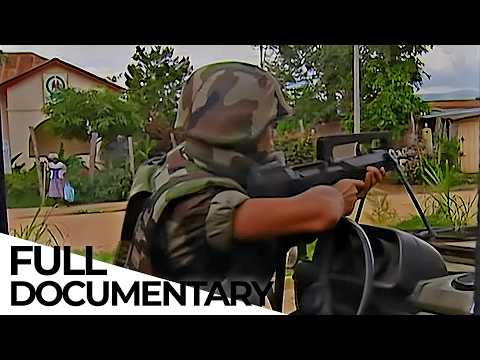
The dangers of peacekeeping are very real, with peacekeepers facing significant risks and casualties. The peacekeeping casualties in Congo, for example, have been particularly high, with over 300 peacekeepers killed since the mission began. The peacekeeping risks are not limited to combat, with peacekeepers also facing health risks and logistical challenges. The UN peacekeeping department has implemented various measures to mitigate these risks, including peacekeeping training and equipment provision. However, the peacekeeping budget has been a subject of controversy, with some arguing that it is underfunded. The peacekeeping reform process has aimed to address these issues and improve the overall safety and security of peacekeeping operations.
🤝 International Cooperation and Peacekeeping
International cooperation and peacekeeping are essential components of maintaining global peace and security. The United Nations has been at the forefront of international cooperation, with a mandate to maintain international peace and security. The UN peacekeeping department has worked closely with regional organizations and non-governmental organizations to promote international cooperation and peacekeeping. The EU peacekeeping mission in Kosovo, for example, has been a notable example of international cooperation. However, international cooperation and peacekeeping are not without their challenges, including sovereignty and non-interference concerns. The international cooperation approach has been advocated as a way to address these challenges, with a focus on capacity building and regional cooperation.
📊 The Cost of Peacekeeping: Financial Burdens
The cost of peacekeeping is a significant burden on the international community, with the UN peacekeeping budget exceeding 6 billion dollars per year. The peacekeeping cost is not limited to financial expenses, with peacekeeping operations also having a significant human cost. The UN peacekeeping department has implemented various measures to reduce the cost of peacekeeping, including peacekeeping reform and cost-saving measures. However, the peacekeeping funding has been a subject of controversy, with some arguing that it is inadequate. The peacekeeping budgeting process has been criticized for being inefficient and opaque.
🔮 The Future of Peacekeeping: Emerging Trends and Technologies
The future of peacekeeping is likely to be shaped by emerging trends and technologies, including drone technology and artificial intelligence. The UN peacekeeping department has already begun to explore the use of drones in peacekeeping operations, with a focus on surveillance and intelligence gathering. The peacekeeping technology is also likely to play a significant role in improving the safety and security of peacekeeping operations. However, the use of emerging technologies in peacekeeping also raises significant ethical concerns, including privacy and human rights concerns. The future of peacekeeping is likely to be shaped by a combination of technological, political, and social factors.
👥 The Humanitarian Aspect of Peacekeeping
The humanitarian aspect of peacekeeping is a critical component of peacekeeping operations, with a focus on humanitarian assistance and human rights. The UN peacekeeping department has implemented various measures to promote humanitarian assistance and human rights, including humanitarian training and human rights monitoring. The peacekeeping humanitarian approach has been advocated as a way to address the humanitarian needs of affected populations. However, the humanitarian peacekeeping approach has also been criticized for being ineffective and inadequate. The humanitarian response to peacekeeping operations is often slow and inadequate, with significant funding gaps and capacity shortfalls.
🚫 Challenges to Peacekeeping: Corruption and Inefficiency
The challenges to peacekeeping are numerous, including corruption and inefficiency. The UN peacekeeping department has faced criticism for its handling of corruption and inefficiency within peacekeeping missions. The peacekeeping reform process has aimed to address these issues and improve the overall effectiveness of peacekeeping operations. However, the peacekeeping challenges are not limited to corruption and inefficiency, with peacekeeping operations also facing significant security challenges and logistical challenges. The peacekeeping capacity of the United Nations has been stretched to the limit, with significant funding gaps and capacity shortfalls.
🌈 Conclusion: The Perilous State of Peacekeeping
In conclusion, the state of peacekeeping is perilous, with significant challenges and controversies surrounding peacekeeping operations. The United Nations has a critical role to play in maintaining global peace and security, but the UN peacekeeping department faces significant challenges in terms of funding, capacity, and effectiveness. The peacekeeping future is likely to be shaped by emerging trends and technologies, including drone technology and artificial intelligence. However, the use of emerging technologies in peacekeeping also raises significant ethical concerns, including privacy and human rights concerns. As the global security landscape continues to evolve, it is essential to examine the future of peacekeeping and the challenges that lie ahead.
Key Facts
- Year
- 2022
- Origin
- United Nations
- Category
- International Relations
- Type
- International Organization
Frequently Asked Questions
What is the role of the United Nations in peacekeeping?
The United Nations plays a crucial role in peacekeeping, with the UN Security Council responsible for authorizing peacekeeping missions. The UN peacekeeping department is responsible for the day-to-day operations of peacekeeping missions, with a budget of over 6 billion dollars per year. The UN peacekeeping mandate is based on the principles of sovereign immunity and non-interference in the internal affairs of states.
What are the challenges facing peacekeeping operations?
The challenges facing peacekeeping operations are numerous, including corruption, inefficiency, security challenges, and logistical challenges. The UN peacekeeping department has faced criticism for its handling of corruption and inefficiency within peacekeeping missions. The peacekeeping reform process has aimed to address these issues and improve the overall effectiveness of peacekeeping operations.
What is the future of peacekeeping?
The future of peacekeeping is likely to be shaped by emerging trends and technologies, including drone technology and artificial intelligence. The UN peacekeeping department has already begun to explore the use of drones in peacekeeping operations, with a focus on surveillance and intelligence gathering. However, the use of emerging technologies in peacekeeping also raises significant ethical concerns, including privacy and human rights concerns.
What is the role of regional organizations in peacekeeping?
Regional organizations, such as the African Union and the EU, play a significant role in peacekeeping, with a focus on regional cooperation and capacity building. The EU peacekeeping mission in Kosovo, for example, has been a notable example of regional peacekeeping efforts. However, regional conflicts often pose significant challenges to peacekeeping, including terrorism, insurgency, and human trafficking.
What is the humanitarian aspect of peacekeeping?
The humanitarian aspect of peacekeeping is a critical component of peacekeeping operations, with a focus on humanitarian assistance and human rights. The UN peacekeeping department has implemented various measures to promote humanitarian assistance and human rights, including humanitarian training and human rights monitoring. The peacekeeping humanitarian approach has been advocated as a way to address the humanitarian needs of affected populations.