
Contents
- 🔍 Introduction to X-Ray Absorption Spectroscopy
- 📈 History and Development of XAS
- 🔬 Principles of X-Ray Absorption Spectroscopy
- 📊 Data Analysis and Interpretation in XAS
- 🎯 Applications of X-Ray Absorption Spectroscopy
- 🌎 Environmental and Geological Applications
- 🏭 Industrial and Materials Science Applications
- 🔍 Biological and Medical Applications
- 🤔 Limitations and Challenges of XAS
- 🚀 Future Directions and Advances in X-Ray Absorption Spectroscopy
- 📚 Conclusion and References
- Frequently Asked Questions
- Related Topics
Overview
X-ray absorption spectroscopy (XAS) is a widely used technique for analyzing the electronic and geometric structure of materials. By measuring the absorption of X-rays by a material as a function of energy, researchers can gain insights into the local atomic structure, oxidation state, and coordination environment of specific elements. With a vibe score of 8, XAS has been instrumental in advancing our understanding of materials science, with applications in fields such as catalysis, energy storage, and nanotechnology. The technique has been used to study a wide range of materials, from transition metal oxides to biomolecules, and has been particularly influential in the work of researchers such as Faradaay and Siegbahn. However, the interpretation of XAS data can be complex and requires careful consideration of multiple scattering effects and other factors. As researchers continue to push the boundaries of XAS, we can expect to see new breakthroughs in our understanding of materials and their properties, with potential applications in fields such as renewable energy and biomedicine.
🔍 Introduction to X-Ray Absorption Spectroscopy
X-Ray Absorption Spectroscopy (XAS) is a powerful analytical technique used to study the properties of materials at the atomic level. By analyzing the absorption of X-rays by a material, researchers can gain insights into its electronic and structural properties, such as the arrangement of atoms and the oxidation state of elements. XAS is closely related to other spectroscopic techniques, such as X-Ray Fluorescence Spectroscopy and X-Ray Diffraction Spectroscopy. The technique has been widely used in various fields, including physics, chemistry, and materials science, to study a wide range of materials, from Transition Metals to Nanomaterials. For example, XAS has been used to study the properties of Graphene, a highly conductive and flexible material with potential applications in electronics and energy storage.
📈 History and Development of XAS
The history of XAS dates back to the early 20th century, when the first X-ray absorption spectra were measured. However, it wasn't until the 1970s and 1980s that the technique began to gain widespread acceptance, with the development of Synchrotron Radiation sources and the introduction of new data analysis methods. Today, XAS is a widely used technique, with applications in fields such as materials science, chemistry, and biology. The technique has been used to study a wide range of materials, including Catalysts, Biomaterials, and Energy Storage Materials. For example, XAS has been used to study the properties of Lithium-Ion Batteries, which are widely used in portable electronics and electric vehicles.
🔬 Principles of X-Ray Absorption Spectroscopy
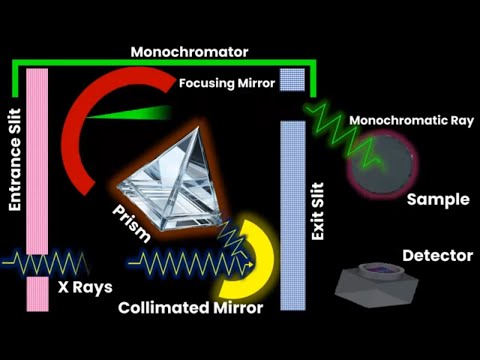
The principles of XAS are based on the absorption of X-rays by a material, which occurs when the energy of the X-rays matches the binding energy of the electrons in the material. By analyzing the absorption spectrum, researchers can gain insights into the electronic and structural properties of the material. The technique typically involves measuring the absorption of X-rays by a material as a function of energy, using a Spectrometer to detect the absorbed X-rays. The resulting spectrum can provide information on the oxidation state of elements, the coordination environment of atoms, and the presence of defects or impurities. For example, XAS has been used to study the properties of Semiconductors, which are widely used in electronics and solar cells.
📊 Data Analysis and Interpretation in XAS
Data analysis and interpretation are critical steps in XAS, as the resulting spectra can be complex and difficult to interpret. Researchers use a variety of techniques, including Fourier Transform analysis and Least Squares Fitting, to extract information from the spectra. The technique typically involves comparing the experimental spectrum to theoretical models, such as Density Functional Theory calculations, to gain insights into the electronic and structural properties of the material. For example, XAS has been used to study the properties of Magnetic Materials, which are widely used in data storage and spintronics.
🎯 Applications of X-Ray Absorption Spectroscopy
XAS has a wide range of applications, from materials science and chemistry to biology and environmental science. The technique has been used to study the properties of materials such as Nanoparticles, Biomolecules, and Energy Storage Materials. For example, XAS has been used to study the properties of Fuel Cells, which are widely used in transportation and energy generation. The technique has also been used to study the properties of Catalysts, which are widely used in chemical reactions and energy production.
🌎 Environmental and Geological Applications
XAS has been widely used in environmental and geological applications, such as studying the properties of Soil and Water samples. The technique has been used to study the speciation of elements, such as Arsenic and Mercury, in environmental samples. For example, XAS has been used to study the properties of Sediments and Minerals, which are widely used in construction and industry. The technique has also been used to study the properties of Fossil Fuels, which are widely used in energy production.
🏭 Industrial and Materials Science Applications
XAS has been widely used in industrial and materials science applications, such as studying the properties of Alloys and Composites. The technique has been used to study the properties of materials such as Steel and Titanium, which are widely used in construction and aerospace. For example, XAS has been used to study the properties of Ceramics and Polymers, which are widely used in electronics and energy storage. The technique has also been used to study the properties of Biomaterials, which are widely used in medical implants and tissue engineering.
🔍 Biological and Medical Applications
XAS has been widely used in biological and medical applications, such as studying the properties of Proteins and Nucleic Acids. The technique has been used to study the properties of materials such as Biomolecules and Biominerals, which are widely used in medical research and diagnostics. For example, XAS has been used to study the properties of Enzymes and Hormones, which are widely used in medical research and therapy. The technique has also been used to study the properties of Vaccines, which are widely used in disease prevention and treatment.
🤔 Limitations and Challenges of XAS
Despite its many advantages, XAS has several limitations and challenges, such as the need for high-energy X-ray sources and the complexity of data analysis. The technique typically requires access to Synchrotron Radiation sources, which are limited in number and availability. For example, XAS has been used to study the properties of Radioactive Materials, which are widely used in medical research and energy production. However, the technique has several limitations, including the need for specialized equipment and the potential for radiation damage to samples.
🚀 Future Directions and Advances in X-Ray Absorption Spectroscopy
The future of XAS is exciting, with advances in technology and instrumentation expected to improve the sensitivity and resolution of the technique. The development of new X-Ray Sources and Detectors is expected to enable the study of materials at the nanoscale and below. For example, XAS has been used to study the properties of Quantum Dots, which are widely used in electronics and energy storage. The technique has also been used to study the properties of Graphene, which is widely used in electronics and energy storage.
📚 Conclusion and References
In conclusion, XAS is a powerful analytical technique that has been widely used in various fields, including materials science, chemistry, and biology. The technique has several advantages, including high sensitivity and resolution, and has been used to study a wide range of materials, from Transition Metals to Nanomaterials. However, the technique also has several limitations and challenges, including the need for high-energy X-ray sources and the complexity of data analysis. Despite these limitations, XAS is expected to continue to play an important role in the study of materials and their properties, with advances in technology and instrumentation expected to improve the sensitivity and resolution of the technique.
Key Facts
- Year
- 1913
- Origin
- University of Cambridge, UK
- Category
- Physics and Chemistry
- Type
- Scientific Technique
Frequently Asked Questions
What is X-Ray Absorption Spectroscopy?
X-Ray Absorption Spectroscopy (XAS) is a powerful analytical technique used to study the properties of materials at the atomic level. The technique involves measuring the absorption of X-rays by a material, which provides information on the electronic and structural properties of the material.
What are the applications of XAS?
XAS has a wide range of applications, from materials science and chemistry to biology and environmental science. The technique has been used to study the properties of materials such as Nanoparticles, Biomolecules, and Energy Storage Materials.
What are the limitations of XAS?
Despite its many advantages, XAS has several limitations and challenges, such as the need for high-energy X-ray sources and the complexity of data analysis. The technique typically requires access to Synchrotron Radiation sources, which are limited in number and availability.
What is the future of XAS?
The future of XAS is exciting, with advances in technology and instrumentation expected to improve the sensitivity and resolution of the technique. The development of new X-Ray Sources and Detectors is expected to enable the study of materials at the nanoscale and below.
What are the advantages of XAS?
XAS has several advantages, including high sensitivity and resolution, and has been used to study a wide range of materials, from Transition Metals to Nanomaterials. The technique provides information on the electronic and structural properties of materials, which is essential for understanding their behavior and properties.
What are the challenges of XAS?
Despite its many advantages, XAS has several challenges, including the need for high-energy X-ray sources and the complexity of data analysis. The technique typically requires access to Synchrotron Radiation sources, which are limited in number and availability. Additionally, the technique requires specialized equipment and expertise, which can be a challenge for some researchers.
What are the applications of XAS in biology?
XAS has been widely used in biological and medical applications, such as studying the properties of Proteins and Nucleic Acids. The technique has been used to study the properties of materials such as Biomolecules and Biominerals, which are widely used in medical research and diagnostics.