
Contents
- 🌎 Introduction to German Sustainability
- 📈 History of Environmental Policy in Germany
- 🌟 Renewable Energy: A Cornerstone of German Sustainability
- 🚗 Sustainable Transportation in Germany
- 🏙️ Green Architecture and Urban Planning
- 🌿 Sustainable Agriculture and Forestry
- 💡 Energy Efficiency and Green Technology
- 📊 Economic Benefits of Sustainability in Germany
- 🌈 Public Awareness and Education
- 🤝 International Cooperation and Global Impact
- 🚨 Challenges and Controversies in German Sustainability
- 🔮 Future Prospects and Innovations
- Frequently Asked Questions
- Related Topics
Overview
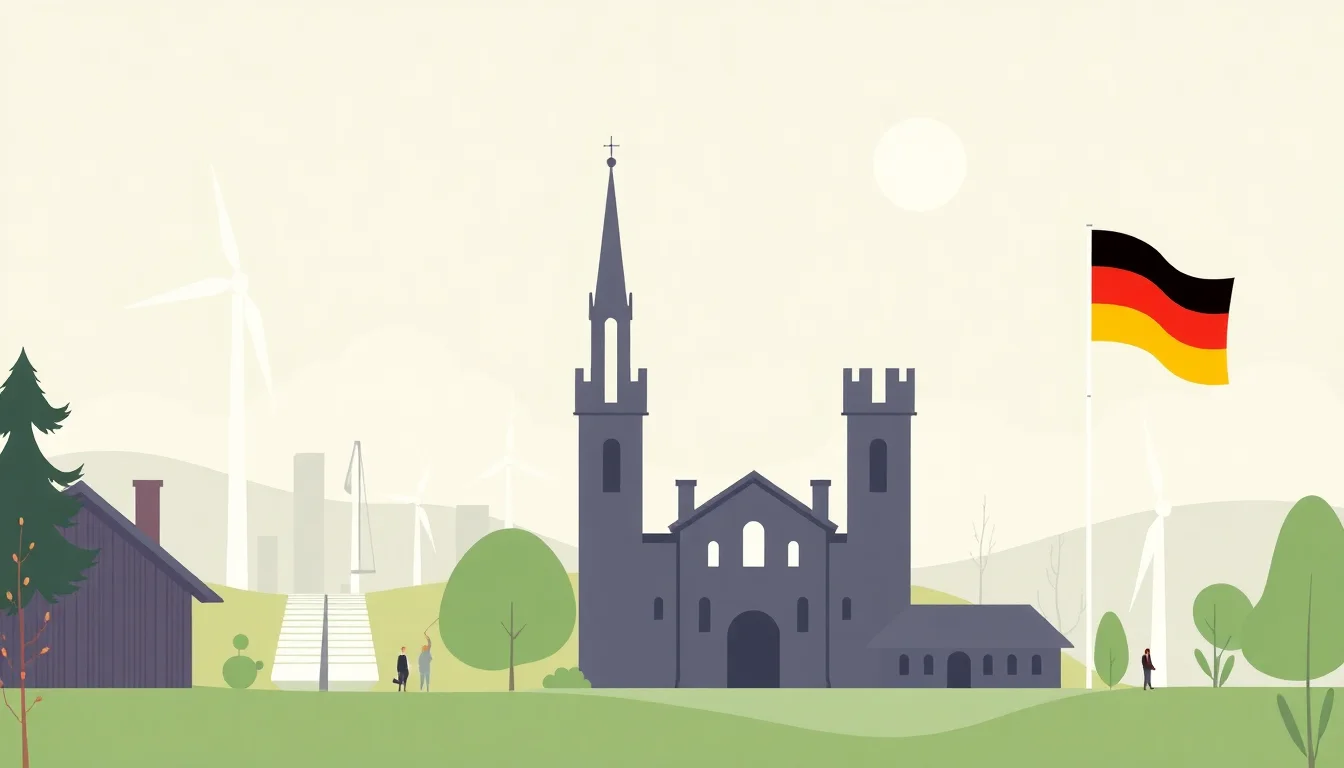
Germany has been at the forefront of sustainability efforts, with a strong focus on reducing carbon emissions and promoting renewable energy sources. The country's Energiewende (Energy Transition) program, launched in 2010, aims to reduce greenhouse gas emissions by 80% by 2050. With a Vibe score of 8, Germany's sustainability initiatives have inspired a global movement, from the European Union's climate policies to the United Nations' Sustainable Development Goals. However, critics argue that the country's reliance on coal and lignite still poses a significant challenge to its sustainability goals. As of 2022, Germany has made significant strides in increasing its renewable energy capacity, with wind and solar power accounting for over 40% of the country's electricity generation. With its strong engineering sector and innovative spirit, Germany is well-positioned to continue leading the charge in sustainable development, but it must address its remaining environmental challenges to truly become a model for global sustainability.
🌎 Introduction to German Sustainability
Germany has been a leader in environmental innovation for decades, with a strong focus on renewable energy and sustainable transportation. The country's commitment to environmental sustainability is evident in its ambitious climate goals, which aim to reduce greenhouse gas emissions by 80% by 2050. To achieve this, Germany has implemented a range of policies, including the EU Emissions Trading System and the Renewable Energy Act. As a result, Germany has become a model for other countries to follow, with its green economy and circular economy approaches being studied and emulated around the world.
📈 History of Environmental Policy in Germany
Germany's history of environmental policy dates back to the 1970s, when the country first began to address the issue of air pollution. The Federal Ministry for the Environment was established in 1986, and since then, the country has implemented a range of policies to protect the environment, including the Waste Management Act and the Water Act. Today, Germany is a leader in EU environmental policy, and its Environmental Protection Agency is responsible for implementing and enforcing environmental laws and regulations. Germany's commitment to sustainable development is also reflected in its participation in international agreements, such as the Paris Agreement.
🌟 Renewable Energy: A Cornerstone of German Sustainability
Renewable energy is a cornerstone of German sustainability, with the country aiming to generate at least 65% of its electricity from renewable energy sources by 2030. To achieve this, Germany has implemented a range of policies, including the Renewable Energy Act, which provides incentives for the development of solar energy and wind energy. The country is also home to a number of leading renewable energy companies, including E.ON and RWE. As a result, Germany has become a leader in the production of renewable energy technologies, with its green tech industry being a major driver of economic growth and job creation.
🚗 Sustainable Transportation in Germany
Sustainable transportation is another key area of focus for Germany, with the country aiming to reduce its transportation emissions by 40% by 2030. To achieve this, Germany has implemented a range of policies, including the Transportation Climate Action Plan, which promotes the use of electric vehicles and public transportation. The country is also home to a number of leading automotive companies, including Volkswagen and BMW, which are investing heavily in the development of sustainable transportation technologies. As a result, Germany has become a leader in the production of electric vehicles, with its electric vehicle market being one of the largest in the world.
🏙️ Green Architecture and Urban Planning
Green architecture and urban planning are also key areas of focus for Germany, with the country aiming to reduce its building emissions by 80% by 2050. To achieve this, Germany has implemented a range of policies, including the Building Energy Act, which promotes the use of energy-efficient buildings and green roofs. The country is also home to a number of leading architecture companies, including gmp architekten and henn architekten, which are designing and building some of the most sustainable buildings in the world. As a result, Germany has become a leader in the field of green architecture, with its sustainable cities being models for other cities to follow.
🌿 Sustainable Agriculture and Forestry
Sustainable agriculture and forestry are also key areas of focus for Germany, with the country aiming to reduce its agricultural emissions by 50% by 2030. To achieve this, Germany has implemented a range of policies, including the Agricultural Climate Action Plan, which promotes the use of sustainable agricultural practices and organic farming. The country is also home to a number of leading agricultural companies, including BayWa and Deutsche Landwirtschafts-Gesellschaft, which are investing heavily in the development of sustainable agricultural technologies. As a result, Germany has become a leader in the production of organic food, with its organic market being one of the largest in the world.
💡 Energy Efficiency and Green Technology
Energy efficiency and green technology are also key areas of focus for Germany, with the country aiming to reduce its energy consumption by 50% by 2050. To achieve this, Germany has implemented a range of policies, including the Energy Efficiency Act, which promotes the use of energy-efficient technologies and green technologies. The country is also home to a number of leading energy companies, including E.ON and RWE, which are investing heavily in the development of energy-efficient technologies. As a result, Germany has become a leader in the production of energy-efficient products, with its green tech industry being a major driver of economic growth and job creation.
📊 Economic Benefits of Sustainability in Germany
The economic benefits of sustainability in Germany are significant, with the country's green economy being a major driver of economic growth and job creation. The country's renewable energy industry alone has created over 300,000 jobs, and the green tech industry has created over 100,000 jobs. Additionally, the country's sustainable transportation industry has created over 50,000 jobs, and the sustainable agriculture industry has created over 20,000 jobs. As a result, Germany has become a model for other countries to follow, with its circular economy approach being studied and emulated around the world. Germany's participation in international agreements, such as the EU Circular Economy Package, has also helped to promote the country's economic interests and create new opportunities for trade and investment.
🌈 Public Awareness and Education
Public awareness and education are also key areas of focus for Germany, with the country aiming to increase public awareness of the importance of environmental sustainability. To achieve this, Germany has implemented a range of policies, including the Environmental Education Act, which promotes the teaching of environmental education in schools. The country is also home to a number of leading environmental organizations, including the German Environmental Foundation and the World Wildlife Fund Germany, which are working to raise public awareness of the importance of environmental protection. As a result, Germany has become a leader in the field of environmental education, with its sustainable lifestyle approach being promoted around the world.
🤝 International Cooperation and Global Impact
International cooperation and global impact are also key areas of focus for Germany, with the country aiming to promote global sustainability and reduce global emissions. To achieve this, Germany has implemented a range of policies, including the International Climate Initiative, which promotes the development of sustainable energy and climate resilience in developing countries. The country is also a member of a number of international organizations, including the United Nations and the European Union, which are working to promote global sustainability and reduce global emissions. As a result, Germany has become a leader in the field of global sustainability, with its international cooperation approach being studied and emulated around the world.
🚨 Challenges and Controversies in German Sustainability
Despite its many successes, Germany still faces a number of challenges and controversies in the field of sustainability, including the coal phase-out and the transportation emissions debate. The country's renewable energy targets have also been the subject of controversy, with some arguing that they are too ambitious and others arguing that they are not ambitious enough. Additionally, the country's sustainable agriculture policies have been criticized for being too focused on organic farming and not enough on conventional farming. As a result, Germany must continue to work to address these challenges and controversies, and to promote sustainable development and environmental protection in all areas of society.
🔮 Future Prospects and Innovations
Finally, Germany's future prospects and innovations in the field of sustainability are significant, with the country aiming to become a leader in the development of green technologies and sustainable energy. The country's renewable energy industry is expected to continue to grow, with the country aiming to generate at least 65% of its electricity from renewable energy sources by 2030. Additionally, the country's sustainable transportation industry is expected to continue to grow, with the country aiming to reduce its transportation emissions by 40% by 2030. As a result, Germany is likely to remain a leader in the field of sustainability for many years to come, and its green economy approach is likely to be studied and emulated around the world.
Key Facts
- Year
- 2022
- Origin
- Europe
- Category
- Environmental Sustainability
- Type
- Country
Frequently Asked Questions
What is Germany's goal for reducing greenhouse gas emissions?
Germany aims to reduce its greenhouse gas emissions by 80% by 2050. This goal is part of the country's Climate Action Plan, which outlines a range of policies and measures to reduce emissions and promote sustainable development. The plan includes targets for reducing emissions from energy production, transportation, and industry, as well as measures to promote energy efficiency and renewable energy.
What is the role of the German Federal Ministry for the Environment?
The German Federal Ministry for the Environment is responsible for implementing and enforcing environmental laws and regulations in Germany. The ministry is also responsible for promoting sustainable development and environmental protection in all areas of society. This includes working with other government agencies, as well as with environmental organizations and industry stakeholders, to develop and implement policies and programs that promote sustainability and reduce environmental impact.
What is the significance of the German Renewable Energy Act?
The German Renewable Energy Act is a landmark piece of legislation that has played a key role in promoting the development of renewable energy in Germany. The act provides incentives for the development of solar energy and wind energy, and has helped to make Germany a leader in the production of renewable energy technologies. The act has also helped to reduce greenhouse gas emissions and promote energy security in Germany.
How does Germany's green economy contribute to its economic growth?
Germany's green economy is a significant contributor to the country's economic growth, with the renewable energy industry alone creating over 300,000 jobs. The green tech industry has also created over 100,000 jobs, and the sustainable transportation industry has created over 50,000 jobs. Additionally, the sustainable agriculture industry has created over 20,000 jobs, and the energy efficiency industry has created over 10,000 jobs. As a result, Germany's green economy is a major driver of economic growth and job creation in the country.
What are some of the challenges facing Germany's sustainability efforts?
Despite its many successes, Germany still faces a number of challenges in the field of sustainability, including the coal phase-out and the transportation emissions debate. The country's renewable energy targets have also been the subject of controversy, with some arguing that they are too ambitious and others arguing that they are not ambitious enough. Additionally, the country's sustainable agriculture policies have been criticized for being too focused on organic farming and not enough on conventional farming.
How does Germany's international cooperation promote global sustainability?
Germany's international cooperation plays a significant role in promoting global sustainability. The country is a member of a number of international organizations, including the United Nations and the European Union, which are working to promote global sustainability and reduce global emissions. Germany's International Climate Initiative also promotes the development of sustainable energy and climate resilience in developing countries. Additionally, Germany's participation in international agreements, such as the Paris Agreement, helps to promote the country's economic interests and create new opportunities for trade and investment.