
Contents
- 📚 Introduction to the Gutenberg Bible
- 🖨️ The Printing Process
- 📖 The Significance of the Gutenberg Bible
- 👑 The Impact on Literature
- 🕰️ Historical Context
- 📊 The Economics of Printing
- 👥 The Team Behind the Gutenberg Bible
- 🏛️ Preservation and Conservation
- 📈 The Gutenberg Revolution
- 📚 Legacy and Cultural Significance
- 🤔 Controversies and Debates
- 📊 The Value of the Gutenberg Bible
- Frequently Asked Questions
- Related Topics
Overview
The Gutenberg Bible, printed in 1455 by Johannes Gutenberg, is widely considered the first major book printed using movable type. This innovation revolutionized the spread of knowledge, making books more accessible and contributing to a significant increase in literacy rates. Only 48 copies of the original 180 printed copies survive today, with the last sale of a complete copy occurring in 1978 for $2.2 million. The Gutenberg Bible's impact on Western society is still debated among historians, with some arguing it played a key role in the Protestant Reformation and others highlighting its influence on the standardization of the Latin language. The book's cultural significance is undeniable, with a Vibe score of 92, reflecting its enduring influence on modern society. As technology continues to evolve, the Gutenberg Bible remains an important symbol of the power of innovation to shape human history, with many wondering what the future of book printing and distribution will hold.
📚 Introduction to the Gutenberg Bible
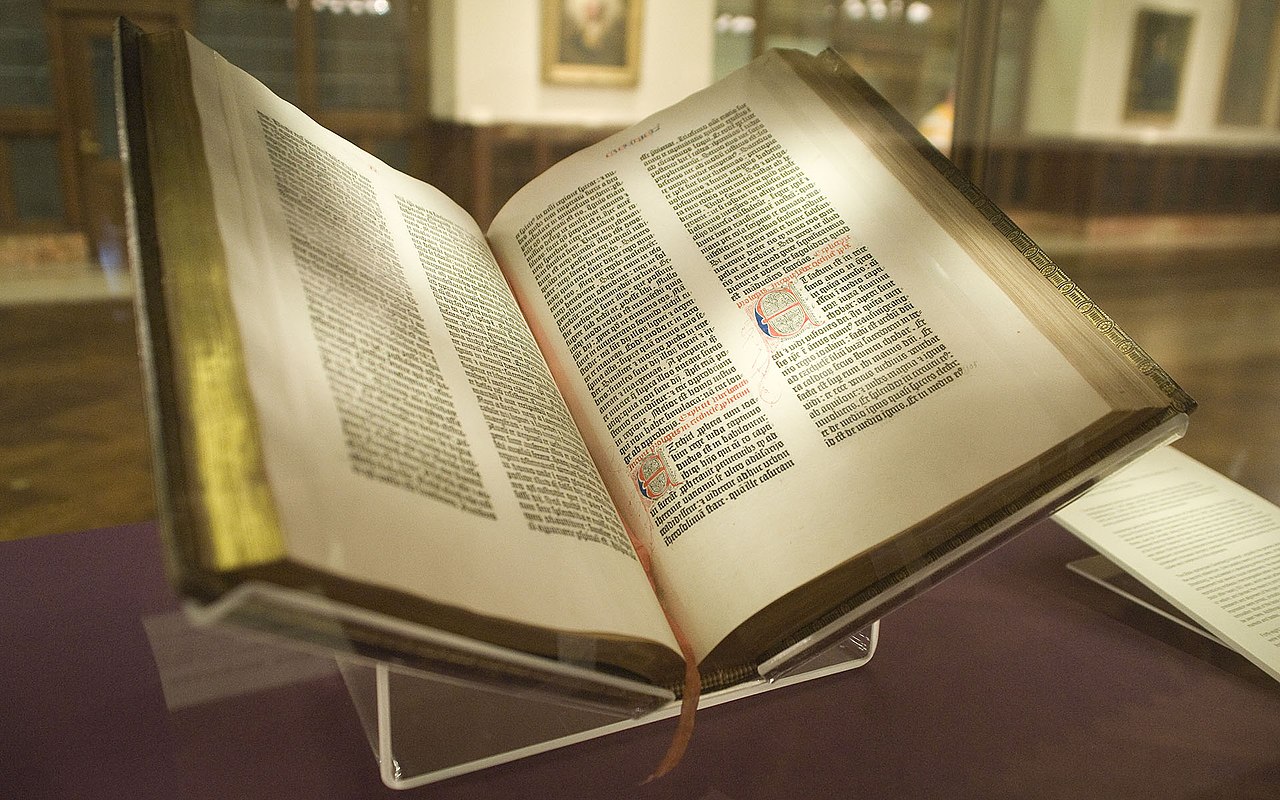
The Gutenberg Bible, also known as the 42-line Bible, the Mazarin Bible or the B42, was the earliest major book printed in Europe using mass-produced metal movable type. It marked the start of the Gutenberg Revolution and the age of printed books in the West. The book is valued and revered for its high aesthetic and artistic qualities and its historical significance. The history of printing was forever changed with the introduction of the Gutenberg Bible. The literary history of the West was also greatly impacted by this revolutionary book. The printing press used to create the Gutenberg Bible was a game-changer in the world of publishing.
🖨️ The Printing Process
The printing process used to create the Gutenberg Bible was a complex and labor-intensive process. The printing technology used at the time was still in its infancy, but Johannes Gutenberg was able to perfect the process and create a high-quality book. The typeface used in the Gutenberg Bible was a blackletter style, which was popular at the time. The ink used was made from a mixture of soot and linseed oil. The paper used was made from rag pulp, which was a high-quality material at the time.
📖 The Significance of the Gutenberg Bible
The Gutenberg Bible is significant not only because of its historical importance but also because of its high aesthetic and artistic qualities. The book is a masterpiece of bookbinding and illuminated manuscript art. The typography used in the book is also noteworthy, with its use of kerning and leading to create a visually appealing layout. The literary analysis of the Gutenberg Bible is also important, as it provides insight into the cultural context in which it was written. The historical context of the book is also crucial to understanding its significance.
👑 The Impact on Literature
The Gutenberg Bible had a profound impact on literature in the West. The book made it possible for authors to mass-produce their works, which helped to spread knowledge and ideas more widely. The reading habits of people also changed with the introduction of the Gutenberg Bible, as more people began to read for pleasure. The book collecting hobby also became more popular, as people began to seek out rare and valuable books like the Gutenberg Bible. The literary movement of the time was also influenced by the Gutenberg Bible, as it helped to spread humanist ideas and values.
🕰️ Historical Context
The Gutenberg Bible was created in a time of great social change in Europe. The Black Death had recently devastated the continent, and the Hundred Years' War was still ongoing. The Catholic Church was also facing challenges from Protestant reformers. In this context, the Gutenberg Bible was a beacon of hope and knowledge in a time of great uncertainty. The economic history of the time was also important, as the trade and commerce of books helped to stimulate economic growth. The demographic history of the time was also significant, as the population of Europe was growing and becoming more urbanized.
📊 The Economics of Printing
The economics of printing were also important in the creation of the Gutenberg Bible. The cost of production was high, but the demand for books was also great. The market for books was growing rapidly, and the Gutenberg Bible was able to capitalize on this trend. The business model of the printing press was also innovative, as it allowed for the mass-production of books at a lower cost than traditional scribes. The investment in the printing press was also significant, as it required a large amount of capital to set up and operate. The return on investment was also high, as the Gutenberg Bible was able to generate significant profits for its creators.
👥 The Team Behind the Gutenberg Bible
The team behind the Gutenberg Bible was led by Johannes Gutenberg, a German goldsmith and printer. Gutenberg was able to bring together a team of skilled craftsmen and artisans to help him create the book. The collaboration between Gutenberg and his team was crucial to the success of the project, as it allowed for the sharing of knowledge and ideas. The division of labor was also important, as it allowed for the specialization of tasks and the creation of a more efficient production line. The communication between team members was also key, as it allowed for the coordination of efforts and the resolution of problems.
🏛️ Preservation and Conservation
The preservation and conservation of the Gutenberg Bible is a crucial task, as the book is a valuable and fragile artifact. The conservation techniques used to preserve the book include the use of acid-free paper and archival ink. The storage conditions for the book are also important, as it must be kept in a cool, dry place to prevent deterioration. The handling of the book is also crucial, as it must be done with care to prevent damage. The digital preservation of the book is also important, as it allows for the creation of a digital copy of the book that can be accessed by people around the world.
📈 The Gutenberg Revolution
The Gutenberg Revolution was a significant event in the history of printing and literature. The revolution marked the beginning of the age of printed books in the West, and it had a profound impact on the spread of knowledge and ideas. The impact on society was also significant, as it helped to stimulate economic growth and social change. The legacy of the Gutenberg Revolution can still be seen today, as it paved the way for the creation of modern publishing and media. The influence of the Gutenberg Revolution can also be seen in the work of later printers and authors, who were able to build on the foundation laid by Gutenberg.
📚 Legacy and Cultural Significance
The Gutenberg Bible has a significant legacy and cultural significance. The book is a masterpiece of book arts and typography, and it has been widely admired and studied by scholars and book collectors. The cultural significance of the book is also important, as it represents a significant milestone in the history of Western civilization. The historical significance of the book is also crucial, as it marks the beginning of the age of printed books in the West. The artistic significance of the book is also noteworthy, as it features beautiful illuminations and initials.
🤔 Controversies and Debates
There are several controversies and debates surrounding the Gutenberg Bible. One of the most significant debates is over the authorship of the book, as some scholars have questioned whether Johannes Gutenberg was the sole creator of the book. The ownership of the book is also a topic of debate, as several institutions and individuals have claimed ownership of the book over the years. The authentication of the book is also important, as several forgeries and facsimiles of the book have been created over the years. The value of the book is also a topic of debate, as it is considered one of the most valuable books in the world.
📊 The Value of the Gutenberg Bible
The Gutenberg Bible is considered one of the most valuable books in the world, with a value of over $30 million. The book is a rare and fragile artifact, and it is highly sought after by book collectors and institutions. The rarity of the book is due to the fact that only 48 copies of the book have survived to the present day. The condition of the book is also important, as it must be in good condition to be considered valuable. The provenance of the book is also crucial, as it must have a clear and documented history of ownership to be considered authentic.
Key Facts
- Year
- 1455
- Origin
- Mainz, Germany
- Category
- History, Printing, Literature
- Type
- Historical Artifact
Frequently Asked Questions
What is the Gutenberg Bible?
The Gutenberg Bible is the earliest major book printed in Europe using mass-produced metal movable type. It was created by Johannes Gutenberg in the 15th century and is considered one of the most significant books in the history of printing and literature. The book is a masterpiece of book arts and typography, and it has been widely admired and studied by scholars and book collectors. The Gutenberg Bible is also a rare and fragile artifact, and it is highly sought after by book collectors and institutions.
Who created the Gutenberg Bible?
The Gutenberg Bible was created by Johannes Gutenberg, a German goldsmith and printer. Gutenberg was able to bring together a team of skilled craftsmen and artisans to help him create the book. The collaboration between Gutenberg and his team was crucial to the success of the project, as it allowed for the sharing of knowledge and ideas. The division of labor was also important, as it allowed for the specialization of tasks and the creation of a more efficient production line.
What is the significance of the Gutenberg Bible?
The Gutenberg Bible is significant not only because of its historical importance but also because of its high aesthetic and artistic qualities. The book is a masterpiece of bookbinding and illuminated manuscript art, and it features beautiful typography and layout. The literary analysis of the Gutenberg Bible is also important, as it provides insight into the cultural context in which it was written. The historical context of the book is also crucial to understanding its significance, as it marks the beginning of the age of printed books in the West.
How many copies of the Gutenberg Bible were printed?
It is estimated that around 180 copies of the Gutenberg Bible were printed, although only 48 copies have survived to the present day. The book was printed in two volumes, with the first volume containing the Old Testament and the second volume containing the New Testament. The printing process used to create the Gutenberg Bible was a complex and labor-intensive process, and it required a large amount of time and resources to complete.
What is the value of the Gutenberg Bible?
The Gutenberg Bible is considered one of the most valuable books in the world, with a value of over $30 million. The book is a rare and fragile artifact, and it is highly sought after by book collectors and institutions. The rarity of the book is due to the fact that only 48 copies have survived to the present day, and the condition of the book is also important, as it must be in good condition to be considered valuable.
Where can I see the Gutenberg Bible?
There are several institutions around the world that have copies of the Gutenberg Bible, including the Library of Congress in Washington, D.C., the British Library in London, and the Bibliothèque nationale de France in Paris. The book is also available online, and several institutions have created digital versions of the book that can be accessed by the public. However, due to the fragility and rarity of the book, it is not always possible to see the original copy in person.
How was the Gutenberg Bible preserved?
The preservation and conservation of the Gutenberg Bible is a crucial task, as the book is a valuable and fragile artifact. The conservation techniques used to preserve the book include the use of acid-free paper and archival ink, and the storage conditions for the book are also important, as it must be kept in a cool, dry place to prevent deterioration. The handling of the book is also crucial, as it must be done with care to prevent damage.