
Contents
- 🌎 Introduction to Nutrient Management
- 🌱 Soil Science and Nutrient Cycling
- 💧 Water Quality and Nutrient Transport
- 🌾 Crop Management and Nutrient Uptake
- 📊 Economic and Environmental Considerations
- 🌈 Best Management Practices for Nutrient Application
- 🚨 Environmental Impacts of Poor Nutrient Management
- 🌟 Future Directions in Nutrient Management
- 📈 Case Studies in Successful Nutrient Management
- 🤝 Collaboration and Policy in Nutrient Management
- 📊 Emerging Technologies in Nutrient Management
- Frequently Asked Questions
- Related Topics
Overview
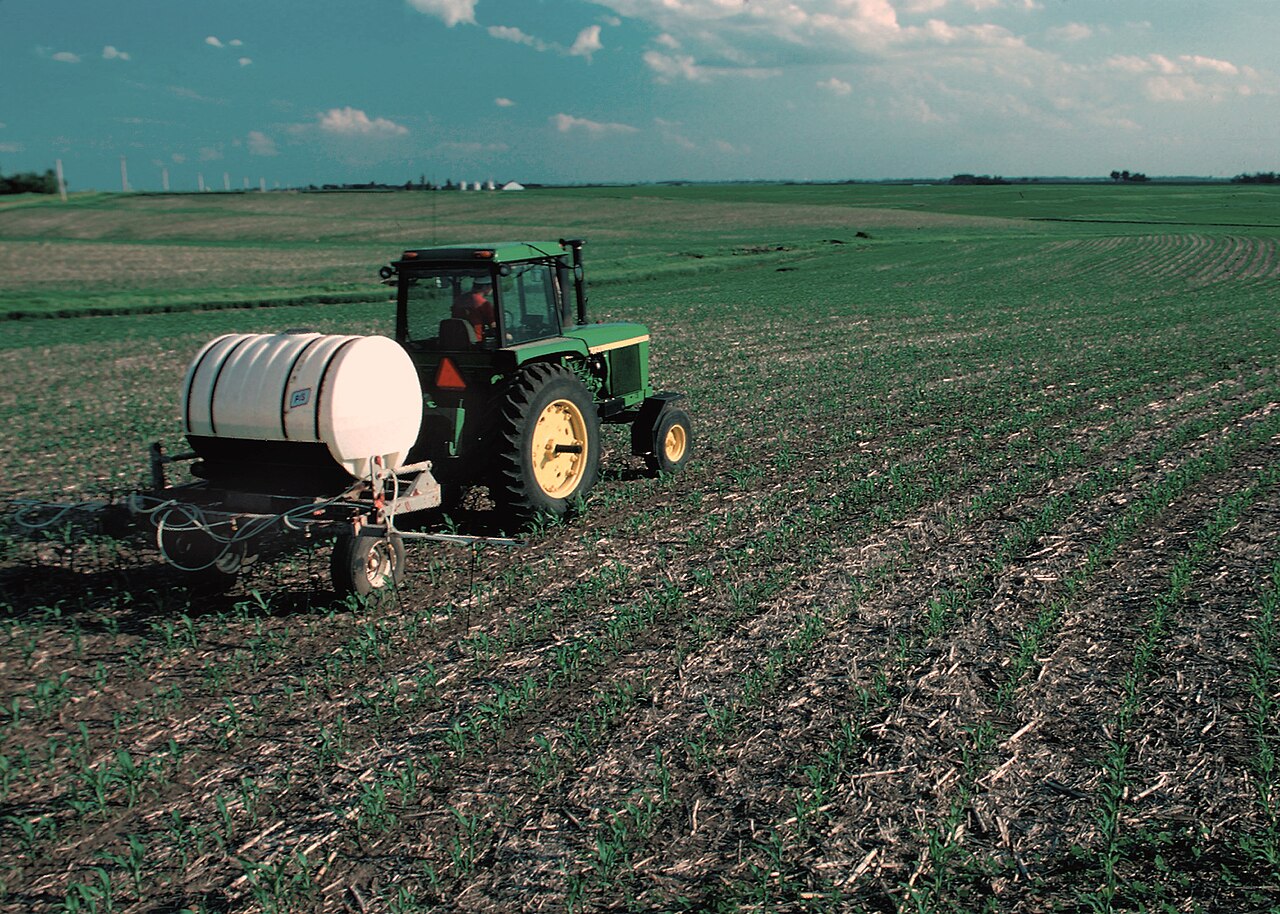
Nutrient management is a critical aspect of sustainable agriculture, as it directly impacts crop yields, water quality, and ecosystem health. The widespread use of synthetic fertilizers has led to significant environmental concerns, including water pollution and soil degradation. According to the United Nations Food and Agriculture Organization (FAO), the global use of nitrogen fertilizers has increased by 800% since 1960, with approximately 50% of applied nitrogen being lost to the environment. Researchers like Dr. David P. Abbott and Dr. Cynthia Rosenzweig have highlighted the need for integrated nutrient management strategies that balance crop demands with environmental protection. The development of precision agriculture techniques, such as variable rate application and sensor-based monitoring, has improved nutrient use efficiency by up to 20%. However, the high upfront costs and limited accessibility of these technologies have hindered their widespread adoption, with only 10% of global farmers currently using precision agriculture methods. As the global population is projected to reach 9.7 billion by 2050, the need for effective nutrient management practices will become increasingly urgent, with the FAO estimating that a 70% increase in food production will be required to meet future demands.
🌎 Introduction to Nutrient Management
Nutrient management is a critical aspect of environmental science, as it seeks to balance the needs of soil, water, and life. According to the Environmental Science community, nutrient management involves understanding the complex relationships between soil science, crop management, and water quality. By optimizing nutrient use efficiency, farmers can achieve higher crop yields and better crop quality, while minimizing the environmental impacts of fertilizer use. The USDA provides guidelines for nutrient management, emphasizing the importance of matching specific field conditions to nutrient application rates, sources, timing, and placement.
🌱 Soil Science and Nutrient Cycling
Soil science plays a crucial role in nutrient management, as it helps us understand the nutrient cycling processes that occur within the soil. The Soil Conservation Service provides resources for soil testing and analysis, which can inform fertilizer recommendations. By understanding the soil chemistry and soil biology of a given field, farmers can make more informed decisions about nutrient application. Additionally, cover cropping and crop rotation can help improve soil health and reduce the need for synthetic fertilizers.
💧 Water Quality and Nutrient Transport
Water quality is another critical aspect of nutrient management, as excess nutrients can contribute to water pollution. The EPA regulates water quality standards, and farmers can play a key role in preventing nutrient pollution by using best management practices for nutrient application. Buffer strips and wetlands can help filter out excess nutrients, while irrigation management can reduce the amount of nutrients that enter waterways. The Water Quality Association provides resources for water testing and analysis, which can help identify areas for improvement.
🌾 Crop Management and Nutrient Uptake
Crop management is also essential for effective nutrient management, as different crops have varying nutrient requirements. The Crop Science community provides guidance on crop selection and crop rotation, which can help optimize nutrient use efficiency. Precision agriculture techniques, such as GPS guidance and variable rate application, can also help reduce waste and improve crop yields. Additionally, organic farming methods can provide an alternative to synthetic fertilizers, promoting soil health and biodiversity.
📊 Economic and Environmental Considerations
Economic and environmental considerations are closely tied in nutrient management, as the goal is to achieve optimal nutrient use efficiency while minimizing environmental impacts. The Economic Research Service provides data on the economic benefits of nutrient management, while the Environmental Protection Agency regulates environmental standards. By using best management practices and precision agriculture techniques, farmers can reduce waste and improve crop yields, while also protecting the environment. The Sustainable Agriculture community provides resources for farmers looking to adopt more sustainable practices.
🌈 Best Management Practices for Nutrient Application
Best management practices for nutrient application involve matching specific field conditions to nutrient application rates, sources, timing, and placement. The USDA provides guidelines for nutrient management, emphasizing the importance of soil testing and tissue testing. Precision agriculture techniques, such as GPS guidance and variable rate application, can help optimize nutrient use efficiency. Additionally, cover cropping and crop rotation can help improve soil health and reduce the need for synthetic fertilizers.
🚨 Environmental Impacts of Poor Nutrient Management
Poor nutrient management can have significant environmental impacts, including water pollution and soil degradation. The EPA regulates environmental standards, and farmers can play a key role in preventing nutrient pollution by using best management practices for nutrient application. Buffer strips and wetlands can help filter out excess nutrients, while irrigation management can reduce the amount of nutrients that enter waterways. The Water Quality Association provides resources for water testing and analysis, which can help identify areas for improvement.
🌟 Future Directions in Nutrient Management
Future directions in nutrient management involve the development of new technologies and practices that can help optimize nutrient use efficiency. The Precision Agriculture community is exploring the use of drones, satellite imagery, and artificial intelligence to improve crop yields and reduce waste. Additionally, organic farming methods and regenerative agriculture practices are gaining popularity, as they promote soil health and biodiversity. The Sustainable Agriculture community provides resources for farmers looking to adopt more sustainable practices.
📈 Case Studies in Successful Nutrient Management
Case studies in successful nutrient management demonstrate the effectiveness of best management practices and precision agriculture techniques. The USDA provides examples of successful nutrient management projects, which highlight the importance of soil testing and tissue testing. Cover cropping and crop rotation can help improve soil health and reduce the need for synthetic fertilizers. Additionally, irrigation management can reduce the amount of nutrients that enter waterways, protecting water quality.
🤝 Collaboration and Policy in Nutrient Management
Collaboration and policy play a critical role in nutrient management, as farmers, researchers, and policymakers must work together to develop and implement effective nutrient management strategies. The USDA provides resources for farmers and policymakers, while the EPA regulates environmental standards. The Sustainable Agriculture community provides a platform for collaboration and knowledge-sharing, promoting the adoption of best management practices and precision agriculture techniques.
📊 Emerging Technologies in Nutrient Management
Emerging technologies in nutrient management involve the development of new tools and practices that can help optimize nutrient use efficiency. The Precision Agriculture community is exploring the use of drones, satellite imagery, and artificial intelligence to improve crop yields and reduce waste. Additionally, organic farming methods and regenerative agriculture practices are gaining popularity, as they promote soil health and biodiversity. The Sustainable Agriculture community provides resources for farmers looking to adopt more sustainable practices.
Key Facts
- Year
- 2020
- Origin
- Vibepedia
- Category
- Environmental Science
- Type
- Concept
Frequently Asked Questions
What is nutrient management?
Nutrient management is the science and practice directed to link soil, crop, weather, and hydrologic factors with cultural, irrigation, and soil and water conservation practices to achieve optimal nutrient use efficiency, crop yields, crop quality, and economic returns, while reducing off-site transport of nutrients that may impact the environment. According to the Environmental Science community, nutrient management involves understanding the complex relationships between soil science, crop management, and water quality.
Why is nutrient management important?
Nutrient management is important because it helps to optimize nutrient use efficiency, reduce waste, and protect the environment. By using best management practices and precision agriculture techniques, farmers can improve crop yields and reduce the environmental impacts of fertilizer use. The USDA provides guidelines for nutrient management, emphasizing the importance of matching specific field conditions to nutrient application rates, sources, timing, and placement.
What are the benefits of nutrient management?
The benefits of nutrient management include improved crop yields, better crop quality, and reduced environmental impacts. By optimizing nutrient use efficiency, farmers can reduce waste and improve soil health, while also protecting water quality. The Sustainable Agriculture community provides resources for farmers looking to adopt more sustainable practices, promoting the adoption of best management practices and precision agriculture techniques.
What are the challenges of nutrient management?
The challenges of nutrient management include the complexity of soil science and water quality, as well as the need for precision agriculture techniques. Farmers must also balance the need for optimal nutrient use efficiency with the need to protect the environment. The EPA regulates environmental standards, and farmers can play a key role in preventing nutrient pollution by using best management practices for nutrient application.
What are the future directions in nutrient management?
The future directions in nutrient management involve the development of new technologies and practices that can help optimize nutrient use efficiency. The Precision Agriculture community is exploring the use of drones, satellite imagery, and artificial intelligence to improve crop yields and reduce waste. Additionally, organic farming methods and regenerative agriculture practices are gaining popularity, as they promote soil health and biodiversity.
How can farmers adopt more sustainable nutrient management practices?
Farmers can adopt more sustainable nutrient management practices by using best management practices and precision agriculture techniques. The Sustainable Agriculture community provides resources for farmers looking to adopt more sustainable practices, promoting the adoption of cover cropping and crop rotation. Additionally, irrigation management can reduce the amount of nutrients that enter waterways, protecting water quality.
What role do policymakers play in nutrient management?
Policymakers play a critical role in nutrient management, as they must develop and implement policies that support the adoption of best management practices and precision agriculture techniques. The USDA provides resources for policymakers, while the EPA regulates environmental standards. The Sustainable Agriculture community provides a platform for collaboration and knowledge-sharing, promoting the adoption of more sustainable practices.