
Contents
- 🔌 Introduction to Power Generation
- 💡 History of Electricity Generation
- 🌎 Renewable Energy Sources
- 🔋 Energy Storage and Grid Management
- 🏭 Fossil Fuels and Traditional Power Plants
- 🌟 Nuclear Power and Its Controversies
- 📈 Efficiency and Sustainability in Power Generation
- 🔩 Emerging Trends and Technologies
- 💻 Smart Grids and Energy Management Systems
- 🌐 Global Energy Outlook and Future Prospects
- 👥 Key Players and Stakeholders in the Energy Industry
- Frequently Asked Questions
- Related Topics
Overview
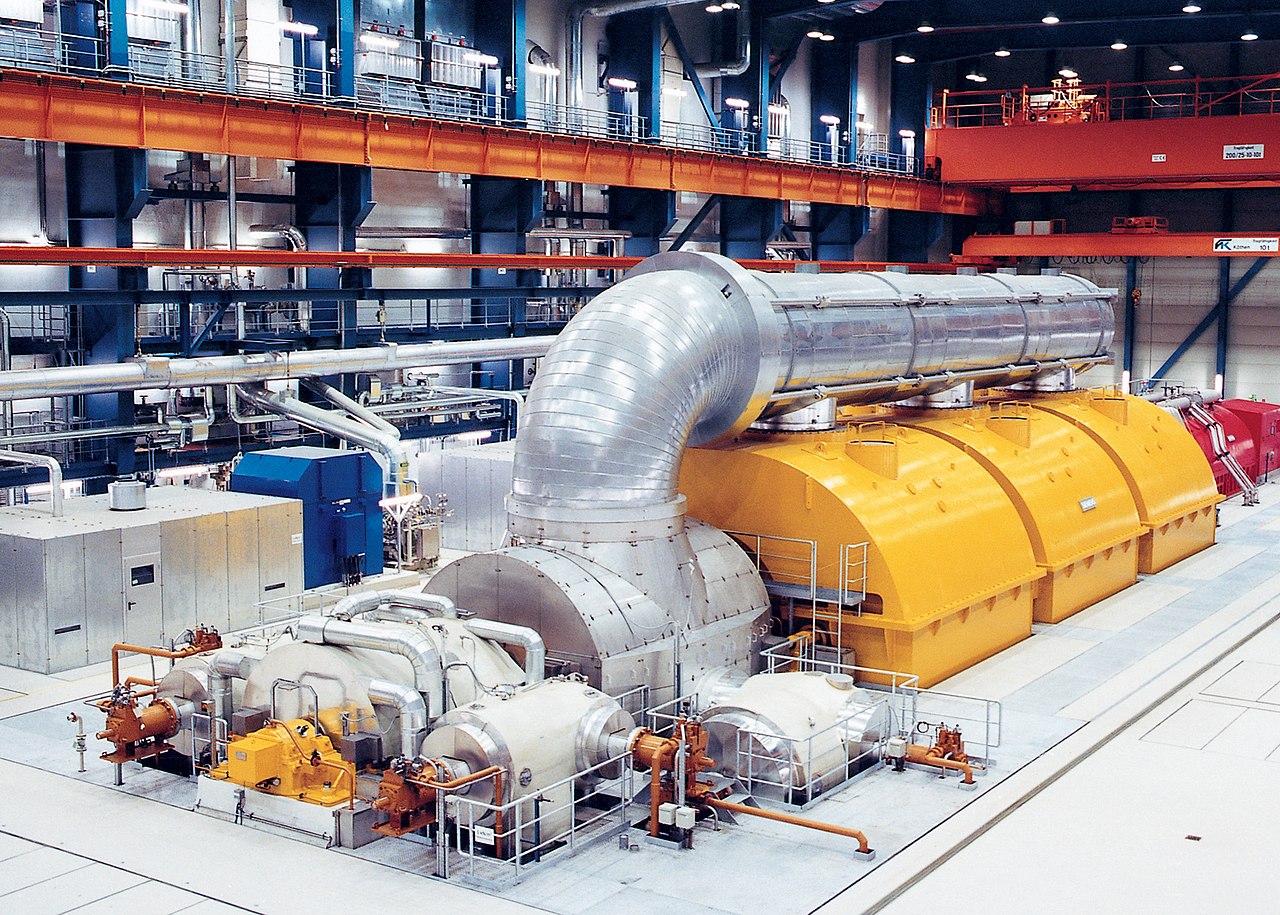
Power generation is the process of converting various forms of energy into electrical energy, with a history dating back to the 19th century when the first power plants were built. Today, power generation is a complex and multifaceted field, with different methods including thermal, hydro, nuclear, and renewable energy sources like solar and wind. According to the International Energy Agency (IEA), in 2020, renewable energy accounted for 26% of global electricity generation, with solar energy growing by 22% and wind energy by 14%. The shift towards renewable energy is driven by concerns over climate change, with the goal of reducing greenhouse gas emissions by 45% by 2030, as outlined in the Paris Agreement. However, the transition to renewable energy is not without its challenges, including intermittency and energy storage. As the world continues to urbanize and energy demand increases, the development of new power generation technologies and infrastructure will be crucial to meeting global energy needs, with companies like Tesla and Vestas leading the charge in innovation. By 2050, the IEA predicts that 60% of global electricity generation will come from renewable sources, marking a significant shift in the way we generate power.
🔌 Introduction to Power Generation
Power generation is the backbone of modern society, providing the energy needed to power homes, businesses, and industries. The process of generating electric power from primary energy sources is a complex one, involving various technologies and infrastructure. For utilities in the electric power industry, power generation is the stage prior to its delivery to end users or its storage, using methods such as pumped-storage hydroelectricity. As the world continues to urbanize and industrialize, the demand for electricity is increasing, driving the need for more efficient and sustainable power generation methods. The electric power industry is evolving to meet this demand, with a focus on renewable energy sources and energy storage technologies.
💡 History of Electricity Generation
The history of electricity generation dates back to the late 19th century, when the first power plants were built to generate electricity for industrial and residential use. The early power plants used fossil fuels such as coal and oil to generate electricity, but over time, other energy sources such as nuclear power and hydroelectric power were developed. Today, the energy mix is more diverse than ever, with a growing share of renewable energy sources such as solar energy and wind energy. The history of electricity is a fascinating story of innovation and technological progress, with key figures such as Nikola Tesla and Thomas Edison playing important roles. As the world continues to evolve, the future of energy will be shaped by advances in technology and changes in energy policy.
🌎 Renewable Energy Sources
Renewable energy sources are becoming increasingly important in the energy mix, as concerns about climate change and energy security grow. Solar energy and wind energy are two of the most promising renewable energy sources, with solar panels and wind turbines being used to generate electricity. Other renewable energy sources such as hydroelectric power and geothermal energy are also being used to generate electricity. The renewable energy industry is growing rapidly, with new technologies and innovations emerging all the time. As the world transitions to a more sustainable energy system, energy storage will play a critical role in ensuring a stable and reliable energy supply. Battery technologies such as lithium-ion batteries are being developed to store excess energy generated from renewable sources.
🔋 Energy Storage and Grid Management
Energy storage and grid management are critical components of the energy system, as they enable the efficient and reliable delivery of electricity to end users. The grid management system is responsible for balancing supply and demand in real-time, ensuring that the energy supply meets the energy demand. Energy storage systems such as pumped-storage hydroelectricity and battery technologies are being used to store excess energy generated from renewable sources, reducing the strain on the grid during peak hours. The smart grid is a modern grid management system that uses advanced technologies such as Internet of Things (IoT) and artificial intelligence (AI) to optimize energy distribution and consumption. As the energy system becomes more decentralized and distributed, microgrids will play an increasingly important role in ensuring energy security and reliability.
🏭 Fossil Fuels and Traditional Power Plants
Fossil fuels such as coal, oil, and natural gas have been the primary sources of energy for many decades, but their use is being phased out due to concerns about climate change and air pollution. Traditional power plants that use fossil fuels to generate electricity are being replaced by more efficient and sustainable power generation methods such as combined cycle gas turbines and carbon capture and storage (CCS). The fossil fuel industry is undergoing a significant transformation, with many companies investing in renewable energy and energy efficiency technologies. As the world transitions to a more sustainable energy system, energy policy will play a critical role in shaping the future of the energy industry. The Paris Agreement is a global agreement that aims to reduce greenhouse gas emissions and mitigate the impacts of climate change.
🌟 Nuclear Power and Its Controversies
Nuclear power is a controversial energy source that has been used to generate electricity for many decades. The nuclear power industry is a significant contributor to the global energy mix, with many countries relying on nuclear power to meet their energy needs. However, nuclear power is also associated with significant risks such as nuclear accidents and nuclear waste. The nuclear debate is a highly polarized and contentious issue, with some arguing that nuclear power is a necessary evil, while others argue that it is a dangerous and unnecessary technology. As the world continues to evolve, the future of nuclear power will be shaped by advances in technology and changes in energy policy. The small modular reactors (SMRs) are a new generation of nuclear reactors that are designed to be smaller, safer, and more efficient than traditional nuclear reactors.
📈 Efficiency and Sustainability in Power Generation
Efficiency and sustainability are critical components of the energy system, as they enable the efficient and reliable delivery of electricity to end users while minimizing the environmental impacts. The energy efficiency of power generation systems can be improved through the use of advanced technologies such as combined cycle gas turbines and carbon capture and storage (CCS). The sustainable energy system of the future will be powered by renewable energy sources such as solar energy and wind energy, with energy storage playing a critical role in ensuring a stable and reliable energy supply. As the world continues to urbanize and industrialize, the demand for electricity is increasing, driving the need for more efficient and sustainable power generation methods. The green economy is a new economic model that is based on sustainable development and environmental protection.
🔩 Emerging Trends and Technologies
Emerging trends and technologies are transforming the energy industry, enabling the efficient and reliable delivery of electricity to end users while minimizing the environmental impacts. The electric vehicle (EV) industry is growing rapidly, with many countries investing in EV charging infrastructure. The energy storage industry is also growing rapidly, with new technologies and innovations emerging all the time. The smart grid is a modern grid management system that uses advanced technologies such as Internet of Things (IoT) and artificial intelligence (AI) to optimize energy distribution and consumption. As the energy system becomes more decentralized and distributed, microgrids will play an increasingly important role in ensuring energy security and reliability. The blockchain technology is being used to create a more transparent and secure energy trading system.
💻 Smart Grids and Energy Management Systems
Smart grids and energy management systems are critical components of the energy system, enabling the efficient and reliable delivery of electricity to end users while minimizing the environmental impacts. The smart grid is a modern grid management system that uses advanced technologies such as Internet of Things (IoT) and artificial intelligence (AI) to optimize energy distribution and consumption. The energy management system (EMS) is a software platform that is used to manage and optimize energy consumption in buildings and industries. The building management system (BMS) is a software platform that is used to manage and optimize energy consumption in buildings. As the energy system becomes more decentralized and distributed, microgrids will play an increasingly important role in ensuring energy security and reliability.
🌐 Global Energy Outlook and Future Prospects
The global energy outlook is complex and uncertain, with many factors influencing the future of the energy industry. The energy demand is increasing rapidly, driven by population growth and urbanization. The energy supply is becoming more diverse, with a growing share of renewable energy sources. The energy policy will play a critical role in shaping the future of the energy industry, with many countries investing in renewable energy and energy efficiency technologies. As the world continues to evolve, the future of energy will be shaped by advances in technology and changes in energy policy. The global energy market is a complex and dynamic system, with many players and stakeholders influencing the energy landscape.
👥 Key Players and Stakeholders in the Energy Industry
The key players and stakeholders in the energy industry are diverse and complex, with many companies and organizations influencing the energy landscape. The energy companies such as ExxonMobil and Shell are major players in the energy industry, with significant investments in fossil fuels and renewable energy. The renewable energy companies such as Vestas and SunPower are growing rapidly, with significant investments in wind energy and solar energy. The government agencies such as the US Department of Energy and the International Energy Agency (IEA) play a critical role in shaping the future of the energy industry, with significant investments in energy research and energy policy.
Key Facts
- Year
- 2020
- Origin
- Industrial Revolution
- Category
- Energy
- Type
- Concept
Frequently Asked Questions
What is power generation?
Power generation is the process of generating electric power from primary energy sources such as fossil fuels, nuclear power, and renewable energy sources. The power generation process involves the conversion of primary energy sources into electricity, which is then transmitted and distributed to end users. The electric power industry is a complex and dynamic system, with many players and stakeholders influencing the energy landscape. As the world continues to urbanize and industrialize, the demand for electricity is increasing, driving the need for more efficient and sustainable power generation methods.
What are the different types of power generation?
There are several types of power generation, including thermal power, hydroelectric power, nuclear power, and renewable energy. Thermal power plants use fossil fuels such as coal, oil, and natural gas to generate electricity. Hydroelectric power plants use the energy of moving water to generate electricity. Nuclear power plants use nuclear reactions to generate electricity. Renewable energy sources such as solar energy and wind energy are becoming increasingly important in the energy mix.
What is the future of power generation?
The future of power generation is uncertain and complex, with many factors influencing the energy landscape. The energy demand is increasing rapidly, driven by population growth and urbanization. The energy supply is becoming more diverse, with a growing share of renewable energy sources. The energy policy will play a critical role in shaping the future of the energy industry, with many countries investing in renewable energy and energy efficiency technologies. As the world continues to evolve, the future of energy will be shaped by advances in technology and changes in energy policy.
What are the benefits of renewable energy?
The benefits of renewable energy are numerous and significant. Renewable energy sources such as solar energy and wind energy are sustainable and non-polluting, reducing the environmental impacts of energy generation. Renewable energy sources are also abundant and widespread, reducing dependence on fossil fuels and enhancing energy security. The renewable energy industry is growing rapidly, creating new jobs and stimulating economic growth. As the world continues to urbanize and industrialize, the demand for electricity is increasing, driving the need for more efficient and sustainable power generation methods.
What are the challenges of power generation?
The challenges of power generation are numerous and complex, with many factors influencing the energy landscape. The energy demand is increasing rapidly, driven by population growth and urbanization. The energy supply is becoming more diverse, with a growing share of renewable energy sources. The energy policy will play a critical role in shaping the future of the energy industry, with many countries investing in renewable energy and energy efficiency technologies. The climate change and air pollution are significant challenges that must be addressed through the development of more sustainable and efficient power generation methods.