
Contents
- 🌎 Introduction to Regenerative Economics
- 📈 Understanding Regenerative Capital Assets
- 🌟 The Role of Earth and Sun in Regenerative Economics
- 📊 Valuing Natural Capital
- 🌿 Regenerative Economics and Sustainable Development
- 💡 Key Principles of Regenerative Economics
- 🌈 Implementing Regenerative Economics in Practice
- 📝 Challenges and Criticisms of Regenerative Economics
- 🌐 Global Applications of Regenerative Economics
- 📚 Future Directions for Regenerative Economics
- 🤝 Collaborations and Partnerships in Regenerative Economics
- 📊 Measuring Success in Regenerative Economics
- Frequently Asked Questions
- Related Topics
Overview
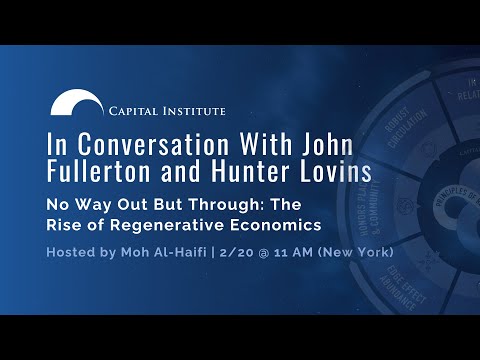
Regenerative economics is an emerging field that seeks to transform the way we think about economic growth, development, and progress. By prioritizing the well-being of people and the planet, regenerative economics aims to create a more equitable, resilient, and sustainable economy. This approach is rooted in the understanding that the economy is a subset of the environment, and that human prosperity is inextricably linked to the health of the natural world. Proponents of regenerative economics, such as Kate Raworth and John Fullerton, argue that traditional economic models have failed to deliver on their promises of prosperity and happiness, and that a new approach is needed to address the complex challenges of the 21st century. With a growing number of organizations, governments, and individuals embracing regenerative economics, this movement is poised to have a significant impact on the future of our planet. As the regenerative economics movement continues to evolve, it is likely to challenge conventional wisdom and spark important debates about the role of economics in shaping a better world.
🌎 Introduction to Regenerative Economics
Regenerative economics is an economic system that prioritizes the regeneration of capital assets, rather than their depletion. This approach recognizes the importance of Sustainability and Environmental Conservation in maintaining a healthy and thriving economy. By valuing the natural world and the goods and services it provides, regenerative economics offers a more holistic understanding of economic activity. As noted by John Fullerton, a leading expert in regenerative economics, this approach has the potential to transform the way we think about economics and our relationship with the environment. For example, the Regenerative Agriculture movement is already showing promising results in terms of soil health and biodiversity.
📈 Understanding Regenerative Capital Assets
In standard economic theory, capital assets are often viewed as finite resources that can be exploited for short-term gain. However, regenerative economics challenges this perspective by recognizing that capital assets can be regenerated and renewed over time. This approach focuses on the long-term health and resilience of Ecosystems and the Natural Capital that underpins them. By investing in regenerative practices, such as Renewable Energy and Sustainable Agriculture, we can help to maintain the natural systems that support all life on Earth. As Kate Raworth argues, this requires a fundamental shift in our understanding of economic value and the role of Natural Resources in supporting human well-being.
🌟 The Role of Earth and Sun in Regenerative Economics
The Earth and Sun are the foundation of regenerative economics, providing the energy and resources that power our economy. By recognizing the economic value of these natural systems, we can begin to account for the Externalities of economic activity and ensure that our actions are aligned with the long-term health of the planet. This approach is closely related to the concept of Donut Economics, which seeks to balance human well-being with the needs of the environment. As Tim Jackson notes, this requires a fundamental transformation of our economic system, one that prioritizes Human Well-being and Environmental Sustainability above short-term profit.
📊 Valuing Natural Capital
Valuing natural capital is a critical component of regenerative economics, as it allows us to recognize the economic importance of Ecosystem Services and the Natural Resources that underpin them. This approach requires a fundamental shift in our understanding of economic value, one that recognizes the intrinsic value of nature and the importance of preserving it for future generations. As Diane Wilson argues, this requires a new economic paradigm, one that prioritizes Regenerative Development and the long-term health of the planet. For example, the Green Economy movement is already showing promising results in terms of job creation and economic growth.
🌿 Regenerative Economics and Sustainable Development
Regenerative economics is closely tied to the concept of Sustainable Development, which seeks to balance human well-being with the needs of the environment. By prioritizing regenerative practices and valuing natural capital, we can help to ensure that our economic activities are aligned with the long-term health of the planet. This approach is supported by a growing body of research, including the work of Amory Lovins and the Natural Capitalism movement. As Paul Hawken notes, this requires a fundamental transformation of our economic system, one that prioritizes Regenerative Economics and the long-term health of the planet.
💡 Key Principles of Regenerative Economics
The key principles of regenerative economics include a focus on Systems Thinking, Long-term Investing, and Regenerative Development. This approach recognizes that economic activity is part of a larger web of relationships, and that our actions have consequences for the environment and for future generations. As Janine Benyus argues, this requires a new way of thinking about economics, one that prioritizes Biomimicry and the Natural World. For example, the Circular Economy movement is already showing promising results in terms of waste reduction and resource efficiency.
🌈 Implementing Regenerative Economics in Practice
Implementing regenerative economics in practice requires a fundamental transformation of our economic system, one that prioritizes Regenerative Development and the long-term health of the planet. This can involve a range of strategies, from Impact Investing and Social Entrepreneurship to Regenerative Agriculture and Renewable Energy. As Daniel Christian Wahl notes, this requires a new way of thinking about economics, one that recognizes the intrinsic value of nature and the importance of preserving it for future generations. For example, the B Corp movement is already showing promising results in terms of social and environmental impact.
📝 Challenges and Criticisms of Regenerative Economics
Despite its potential, regenerative economics is not without its challenges and criticisms. Some argue that this approach is too focused on the environment, and that it neglects the needs of human well-being. Others argue that regenerative economics is too idealistic, and that it fails to account for the complexities of the real world. As Charles Eisenstein notes, this requires a fundamental shift in our understanding of economic value, one that recognizes the intrinsic value of nature and the importance of preserving it for future generations. For example, the Post-Scarcity Economics movement is already exploring new ways of thinking about economic value and the role of technology in supporting human well-being.
🌐 Global Applications of Regenerative Economics
Regenerative economics has a range of global applications, from Sustainable Agriculture and Renewable Energy to Ecotourism and Regenerative Development. This approach is being adopted by a growing number of countries, companies, and communities around the world, all of which are seeking to prioritize Regenerative Economics and the long-term health of the planet. As Joseph Stiglitz notes, this requires a fundamental transformation of our economic system, one that recognizes the intrinsic value of nature and the importance of preserving it for future generations. For example, the Green New Deal movement is already showing promising results in terms of job creation and economic growth.
📚 Future Directions for Regenerative Economics
The future of regenerative economics is closely tied to the development of new technologies and innovative business models. As Paul Polman notes, this requires a fundamental shift in our understanding of economic value, one that recognizes the intrinsic value of nature and the importance of preserving it for future generations. This approach is being supported by a growing body of research, including the work of John Elkington and the Sustainability movement. For example, the Circular Economy movement is already showing promising results in terms of waste reduction and resource efficiency.
🤝 Collaborations and Partnerships in Regenerative Economics
Collaborations and partnerships are critical to the success of regenerative economics, as they allow us to leverage the strengths of different stakeholders and to address the complex challenges of the 21st century. This approach is being supported by a growing number of organizations, including the Regenerative Economics Alliance and the Sustainable Development Goals. As Jeffrey Sachs notes, this requires a fundamental transformation of our economic system, one that prioritizes Regenerative Economics and the long-term health of the planet. For example, the Global Compact movement is already showing promising results in terms of social and environmental impact.
📊 Measuring Success in Regenerative Economics
Measuring success in regenerative economics requires a range of new metrics and indicators, all of which are designed to capture the complex relationships between economic activity, social well-being, and environmental health. This approach is being supported by a growing body of research, including the work of Kate Raworth and the Doughnut Economics movement. As Tim Jackson notes, this requires a fundamental shift in our understanding of economic value, one that recognizes the intrinsic value of nature and the importance of preserving it for future generations. For example, the GDP movement is already being challenged by new metrics such as the Happy Planet Index and the Human Development Index.
Key Facts
- Year
- 2015
- Origin
- The term 'regenerative economics' was first coined by John Fullerton, founder of the Capital Institute, in 2015.
- Category
- Economics, Sustainability
- Type
- Concept
Frequently Asked Questions
What is regenerative economics?
Regenerative economics is an economic system that prioritizes the regeneration of capital assets, rather than their depletion. This approach recognizes the importance of Sustainability and Environmental Conservation in maintaining a healthy and thriving economy. As noted by John Fullerton, a leading expert in regenerative economics, this approach has the potential to transform the way we think about economics and our relationship with the environment.
How does regenerative economics differ from traditional economics?
Regenerative economics differs from traditional economics in its focus on the long-term health and resilience of Ecosystems and the Natural Capital that underpins them. This approach recognizes that economic activity is part of a larger web of relationships, and that our actions have consequences for the environment and for future generations. As Kate Raworth argues, this requires a fundamental shift in our understanding of economic value and the role of Natural Resources in supporting human well-being.
What are the key principles of regenerative economics?
The key principles of regenerative economics include a focus on Systems Thinking, Long-term Investing, and Regenerative Development. This approach recognizes that economic activity is part of a larger web of relationships, and that our actions have consequences for the environment and for future generations. As Janine Benyus argues, this requires a new way of thinking about economics, one that prioritizes Biomimicry and the Natural World.
How can regenerative economics be implemented in practice?
Implementing regenerative economics in practice requires a fundamental transformation of our economic system, one that prioritizes Regenerative Development and the long-term health of the planet. This can involve a range of strategies, from Impact Investing and Social Entrepreneurship to Regenerative Agriculture and Renewable Energy. As Daniel Christian Wahl notes, this requires a new way of thinking about economics, one that recognizes the intrinsic value of nature and the importance of preserving it for future generations.
What are the challenges and criticisms of regenerative economics?
Despite its potential, regenerative economics is not without its challenges and criticisms. Some argue that this approach is too focused on the environment, and that it neglects the needs of human well-being. Others argue that regenerative economics is too idealistic, and that it fails to account for the complexities of the real world. As Charles Eisenstein notes, this requires a fundamental shift in our understanding of economic value, one that recognizes the intrinsic value of nature and the importance of preserving it for future generations.
What is the future of regenerative economics?
The future of regenerative economics is closely tied to the development of new technologies and innovative business models. As Paul Polman notes, this requires a fundamental shift in our understanding of economic value, one that recognizes the intrinsic value of nature and the importance of preserving it for future generations. This approach is being supported by a growing body of research, including the work of John Elkington and the Sustainability movement.
How can collaborations and partnerships support regenerative economics?
Collaborations and partnerships are critical to the success of regenerative economics, as they allow us to leverage the strengths of different stakeholders and to address the complex challenges of the 21st century. This approach is being supported by a growing number of organizations, including the Regenerative Economics Alliance and the Sustainable Development Goals. As Jeffrey Sachs notes, this requires a fundamental transformation of our economic system, one that prioritizes Regenerative Economics and the long-term health of the planet.