
Contents
- 🌎 Introduction to Terrorist Attacks
- 📝 Defining Terrorism
- 🔍 Types of Terrorist Attacks
- 🌈 Global Impact of Terrorism
- 🕵️♂️ Causes of Terrorism
- 🚨 Warning Signs of a Terrorist Attack
- 💣 Notable Terrorist Attacks
- 👮 Counter-Terrorism Efforts
- 🤝 International Cooperation
- 📊 Measuring the Effectiveness of Counter-Terrorism
- 🔮 Future of Terrorism and Counter-Terrorism
- Frequently Asked Questions
- Related Topics
Overview
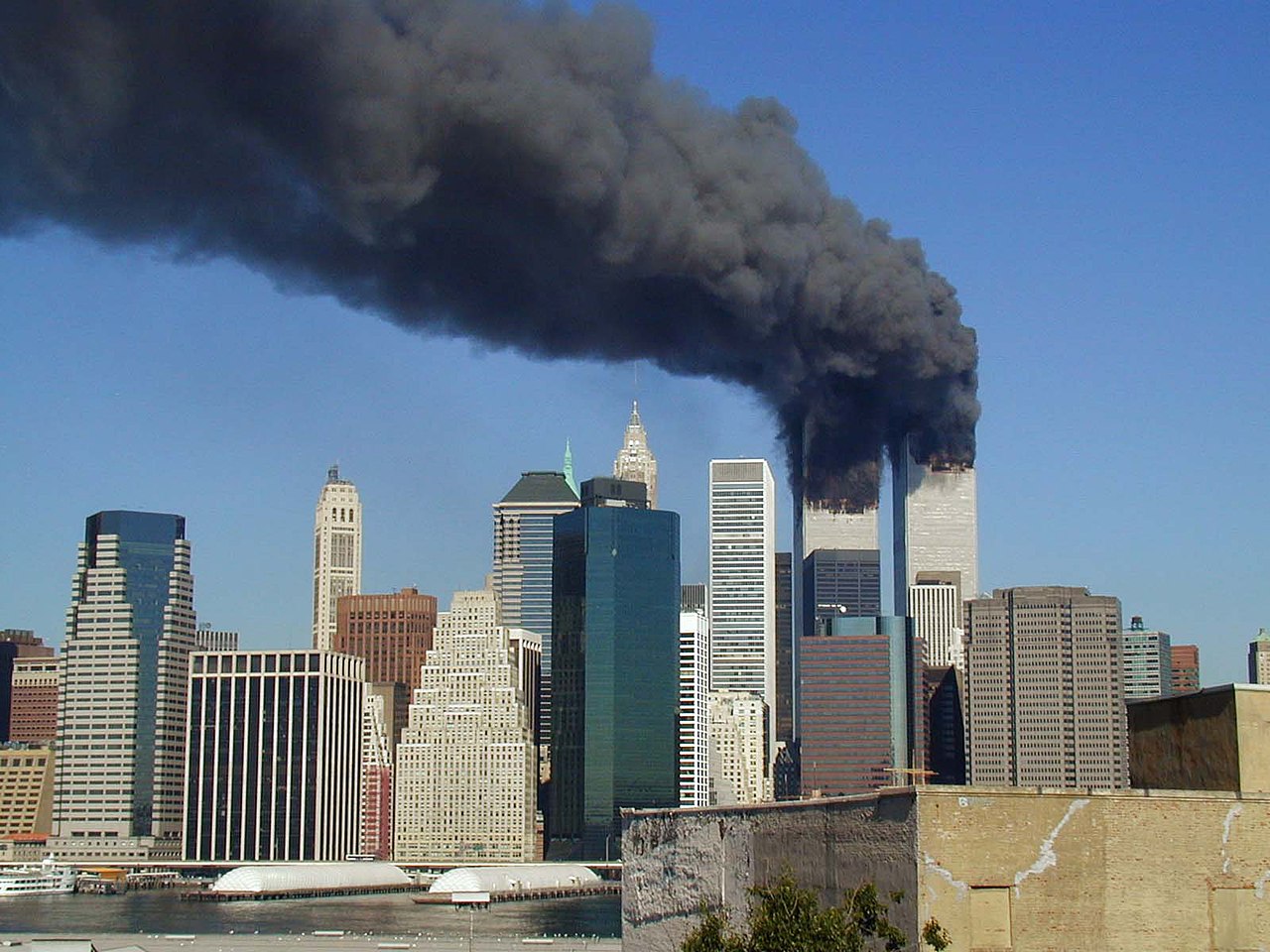
A terrorist attack is a coordinated and deliberate act of violence aimed at civilians or non-combatants, often with the intention of spreading fear, achieving political or ideological goals, or intimidating governments. The history of such attacks dates back centuries, but the modern concept of terrorism has evolved significantly, with the 9/11 attacks in 2001 marking a pivotal moment in global awareness and response. Terrorist attacks can be perpetrated by individuals, groups, or states, and they employ a wide range of tactics, from bombings and shootings to kidnappings and cyberattacks. The impact of these attacks extends beyond the immediate loss of life and injury, affecting economies, political stability, and social cohesion. As of 2023, the global community continues to grapple with the challenges of preventing and responding to terrorist attacks, with efforts focusing on intelligence sharing, international cooperation, and addressing the root causes of extremism. The controversy surrounding the definition of terrorism, the ethics of counter-terrorism measures, and the balancing act between security and civil liberties adds complexity to the discourse, with a vibe score of 82 indicating high cultural energy and concern around the topic.
🌎 Introduction to Terrorist Attacks
Terrorist attacks have become a significant concern for global security, with the potential to cause widespread harm and disruption. The use of violence against non-combatants to achieve political or ideological aims is a key characteristic of terrorism, as seen in the Terrorism phenomenon. According to the Global Security framework, terrorist attacks can be classified into different types, including domestic and international terrorism. The History of Terrorism shows that terrorist attacks have been used by various groups throughout history to achieve their goals. For instance, the Al-Qaeda group has been responsible for several high-profile terrorist attacks, including the 9/11 Attacks.
📝 Defining Terrorism
The definition of terrorism is a complex and debated topic, with different definitions emphasizing its randomness, aim to instill fear, and broader impact beyond its immediate victims. The United Nations has defined terrorism as an act intended to cause death or serious bodily harm to a civilian, or to any other person not taking an active part in the hostilities in a situation of armed conflict. However, the Academic Community has proposed various definitions, including the use of violence against non-combatants to achieve political or ideological aims. The Terrorism Research field has also explored the psychological and sociological factors that contribute to terrorist behavior. Furthermore, the Counter-Terrorism efforts have been influenced by the Intelligence Community's analysis of terrorist organizations.
🔍 Types of Terrorist Attacks
There are various types of terrorist attacks, including bombings, shootings, and kidnappings. The Islamic State group has been known to use Social Media to spread its ideology and recruit new members. The Cyberterrorism threat has also become a significant concern, with the potential for terrorist groups to disrupt critical infrastructure and steal sensitive information. The Terrorism Financing mechanisms have been used by terrorist groups to fund their operations, and the Financial Intelligence community has been working to disrupt these networks. Additionally, the Homeland Security agencies have been working to prevent and respond to terrorist attacks.
🌈 Global Impact of Terrorism
The global impact of terrorism is significant, with the potential to cause widespread harm and disruption. The European Union has implemented various measures to counter terrorism, including the creation of a Counter-Terrorism Centre. The Middle East region has been particularly affected by terrorism, with the Iraq War and the Syrian Civil War contributing to the rise of terrorist groups. The African Union has also been working to counter terrorism, with the creation of a Counter-Terrorism Unit. Moreover, the Asia Pacific region has seen a significant increase in terrorist activity, with the Jemaah Islamiyah group being a major concern.
🕵️♂️ Causes of Terrorism
The causes of terrorism are complex and multifaceted, including political, economic, and social factors. The Poverty and Inequality in many regions have contributed to the rise of terrorist groups, as seen in the Arab Spring protests. The Lack of Education and Job Opportunities have also been cited as factors that contribute to the radicalization of individuals. The Social Media platforms have been used by terrorist groups to spread their ideology and recruit new members, as seen in the ISIS Social Media campaign. Furthermore, the Foreign Policy decisions of governments have also been criticized for contributing to the rise of terrorist groups.
🚨 Warning Signs of a Terrorist Attack
The warning signs of a terrorist attack can be difficult to detect, but there are certain indicators that may suggest an attack is imminent. The Intelligence Community has been working to identify and disrupt terrorist plots, using Signals Intelligence and Human Intelligence to gather information. The Law Enforcement agencies have also been working to prevent and respond to terrorist attacks, with the creation of Counter-Terrorism Units. Additionally, the Public Awareness campaigns have been launched to educate the public on the warning signs of a terrorist attack and how to respond.
💣 Notable Terrorist Attacks
There have been several notable terrorist attacks throughout history, including the 9/11 Attacks and the Paris Attacks. The Boston Marathon Bombing and the Westminster Attack have also been significant incidents. The Manchester Arena Bombing and the Barcelona Attack have highlighted the need for increased security measures and counter-terrorism efforts. Moreover, the Christchurch Mosque Shooting and the Sri Lanka Easter Bombings have shown the global reach of terrorist groups.
👮 Counter-Terrorism Efforts
The counter-terrorism efforts have been led by governments and international organizations, with the aim of preventing and responding to terrorist attacks. The United Nations Counter-Terrorism Centre has been working to provide technical assistance and capacity-building programs to countries to help them counter terrorism. The EU Counter-Terrorism efforts have also been significant, with the creation of a Counter-Terrorism Coordinator position. Additionally, the NATO Counter-Terrorism efforts have been focused on providing military support to countries affected by terrorism.
🤝 International Cooperation
International cooperation is essential in the fight against terrorism, with countries working together to share intelligence and best practices. The Interpol organization has been working to facilitate international cooperation and coordination in the fight against terrorism. The Europol agency has also been working to support international cooperation, with the creation of a Counter-Terrorism Unit. Furthermore, the G20 countries have been working together to address the root causes of terrorism and to improve counter-terrorism efforts.
📊 Measuring the Effectiveness of Counter-Terrorism
Measuring the effectiveness of counter-terrorism efforts is a complex task, with various metrics and indicators used to assess success. The Terrorism Index has been used to track the number of terrorist attacks and the number of fatalities. The Counter-Terrorism Effectiveness has also been measured through the use of Surveys and Focus Groups. Moreover, the Cost-Benefit Analysis of counter-terrorism efforts has been used to assess the economic impact of these efforts.
🔮 Future of Terrorism and Counter-Terrorism
The future of terrorism and counter-terrorism is uncertain, with the potential for new threats and challenges emerging. The Emerging Technologies such as Artificial Intelligence and Blockchain may be used by terrorist groups to further their goals. The Climate Change and Globalization may also contribute to the rise of new terrorist groups. However, the International Cooperation and Counter-Terrorism Efforts may also lead to a reduction in terrorist activity.
Key Facts
- Year
- 2001
- Origin
- Global
- Category
- Global Security
- Type
- Event/Phenomenon
Frequently Asked Questions
What is terrorism?
Terrorism is the use of violence against non-combatants to achieve political or ideological aims. The term is used in this regard primarily to refer to intentional violence during peacetime or in the context of war against non-combatants. Terrorism can take many forms, including bombings, shootings, and kidnappings. The Terrorism phenomenon has been studied by the Academic Community and the Intelligence Community.
What are the causes of terrorism?
The causes of terrorism are complex and multifaceted, including political, economic, and social factors. The Poverty and Inequality in many regions have contributed to the rise of terrorist groups. The Lack of Education and Job Opportunities have also been cited as factors that contribute to the radicalization of individuals. The Foreign Policy decisions of governments have also been criticized for contributing to the rise of terrorist groups.
How can we prevent terrorist attacks?
Preventing terrorist attacks requires a multi-faceted approach, including intelligence gathering, law enforcement, and international cooperation. The Intelligence Community has been working to identify and disrupt terrorist plots, using Signals Intelligence and Human Intelligence to gather information. The Law Enforcement agencies have also been working to prevent and respond to terrorist attacks, with the creation of Counter-Terrorism Units.
What is the role of international cooperation in counter-terrorism?
International cooperation is essential in the fight against terrorism, with countries working together to share intelligence and best practices. The Interpol organization has been working to facilitate international cooperation and coordination in the fight against terrorism. The Europol agency has also been working to support international cooperation, with the creation of a Counter-Terrorism Unit.
How can we measure the effectiveness of counter-terrorism efforts?
Measuring the effectiveness of counter-terrorism efforts is a complex task, with various metrics and indicators used to assess success. The Terrorism Index has been used to track the number of terrorist attacks and the number of fatalities. The Counter-Terrorism Effectiveness has also been measured through the use of Surveys and Focus Groups.
What are the future challenges in counter-terrorism?
The future of terrorism and counter-terrorism is uncertain, with the potential for new threats and challenges emerging. The Emerging Technologies such as Artificial Intelligence and Blockchain may be used by terrorist groups to further their goals. The Climate Change and Globalization may also contribute to the rise of new terrorist groups.
How can we balance security and civil liberties in counter-terrorism efforts?
Balancing security and civil liberties is a complex task, with the need to protect citizens from terrorist attacks while also respecting their rights and freedoms. The Human Rights community has been working to ensure that counter-terrorism efforts are conducted in a way that respects human rights and the rule of law. The Civil Liberties community has also been working to protect citizens from excessive surveillance and detention.