
Contents
- 🐠 Introduction to Vertebrate Research
- 🔬 History of Vertebrate Studies
- 🦴 Vertebrate Anatomy and Physiology
- 🐟 Evolution of Vertebrates
- 🌎 Diversity of Vertebrate Species
- 🔍 Methods in Vertebrate Research
- 📊 Applications of Vertebrate Research
- 🌟 Future Directions in Vertebrate Studies
- 👥 Key Players in Vertebrate Research
- 📚 Vertebrate Research in Popular Culture
- 🌐 Global Impact of Vertebrate Research
- 🤝 Collaborations in Vertebrate Research
- Frequently Asked Questions
- Related Topics
Overview
Vertebrate research encompasses the study of animals with backbones, including fish, amphibians, reptiles, birds, and mammals. With a history dating back to Aristotle's observations on animal anatomy, this field has evolved significantly over the centuries, incorporating advances in genetics, developmental biology, and paleontology. Today, scientists like Neil Shubin and Sean Carroll are pushing the boundaries of our understanding, from the discovery of Tiktaalik, a 375-million-year-old fish-like tetrapod, to the role of Hox genes in shaping vertebrate body plans. The field is not without its controversies, such as debates over the interpretation of fossil records and the ethics of using vertebrate models in research. As we continue to explore the intricacies of vertebrate biology, we are reminded of the complex and often surprising history of life on Earth. With the aid of cutting-edge technologies like CRISPR and single-cell sequencing, the future of vertebrate research holds much promise for advancing our knowledge of developmental biology, regenerative medicine, and conservation biology.
🐠 Introduction to Vertebrate Research
The study of vertebrates, animals with backbones, is a fascinating field that has captivated scientists and the general public alike. Vertebrate research encompasses a broad range of disciplines, including Biology, Zoology, and Ecology. By exploring the intricacies of vertebrate biology, researchers can gain insights into the complex relationships between species and their environments. For instance, the study of Vertebrate Development can inform our understanding of Regenerative Biology and its potential applications in human medicine. Furthermore, the analysis of Vertebrate Genomes can reveal the genetic basis of Adaptation and Evolution in different species.
🔬 History of Vertebrate Studies
The history of vertebrate studies dates back to ancient civilizations, with early naturalists such as Aristotle and Galen making significant contributions to the field. However, it was not until the 19th century that the discipline of vertebrate biology began to take shape, with the work of Charles Darwin and Gregor Mendel laying the foundation for modern Evolutionary Biology. The development of new technologies, such as Electron Microscopy and DNA Sequencing, has greatly expanded our understanding of vertebrate biology and enabled researchers to explore new areas of inquiry, including Comparative Genomics and Phylogenetics.
🦴 Vertebrate Anatomy and Physiology
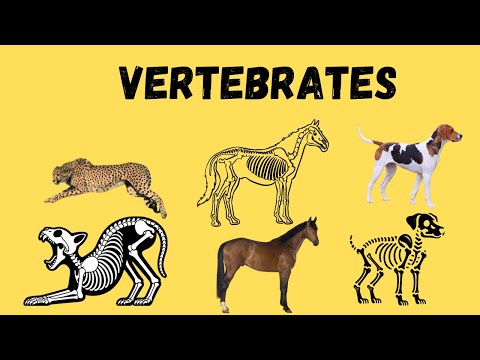
Vertebrate anatomy and physiology are characterized by the presence of a backbone, which provides support and protection for the body. The vertebrate skeleton is composed of Bones, Cartilage, and Ligaments, which work together to facilitate movement and maintain posture. The study of vertebrate anatomy has led to a deeper understanding of the relationships between different body systems, including the Nervous System and the Circulatory System. Additionally, research on vertebrate physiology has shed light on the complex regulatory mechanisms that govern Metabolism, Growth, and Development in different species.
🐟 Evolution of Vertebrates
The evolution of vertebrates is a complex and still somewhat mysterious process that has spanned millions of years. Fossil records indicate that the first vertebrates appeared during the Cambrian Period, with early species such as Myllokunmingia and Pikaia exhibiting primitive characteristics. Over time, vertebrates diversified and evolved into different groups, including Fish, Amphibians, Reptiles, Birds, and Mammals. The study of vertebrate evolution has been greatly informed by the discovery of Fossil Records and the analysis of Comparative Anatomy and Molecular Phylogenetics.
🌎 Diversity of Vertebrate Species
The diversity of vertebrate species is staggering, with over 60,000 known species ranging in size, shape, and behavior. From the tiny Paedocypris fish to the massive Blue Whale, vertebrates can be found in almost every environment on Earth, from the deepest oceans to the highest mountains. The study of vertebrate diversity has led to a greater understanding of the complex interactions between species and their environments, including Symbiotic Relationships and Ecological Niches. Furthermore, research on vertebrate diversity has highlighted the importance of Conservation Biology and the need to protect endangered species, such as the Giant Panda and the Mountain Gorilla.
🔍 Methods in Vertebrate Research
Methods in vertebrate research are diverse and often interdisciplinary, incorporating techniques from Molecular Biology, Cell Biology, and Ecology. Researchers use a range of tools, including Microscopy, Spectroscopy, and Bioinformatics, to study vertebrate biology at different levels, from the molecular to the organismal. The development of new technologies, such as CRISPR and Single-Cell Sequencing, has greatly expanded the scope of vertebrate research and enabled scientists to explore new areas of inquiry, including Gene Editing and Synthetic Biology.
📊 Applications of Vertebrate Research
The applications of vertebrate research are numerous and far-reaching, with significant impacts on fields such as Medicine, Agriculture, and Conservation. For example, the study of vertebrate development has informed our understanding of human developmental disorders, such as Birth Defects and Cancer. Additionally, research on vertebrate physiology has led to the development of new treatments for diseases, such as Diabetes and Heart Disease. The analysis of vertebrate diversity has also highlighted the importance of Ecosystem Services and the need to protect Biodiversity in the face of Climate Change and Habitat Destruction.
🌟 Future Directions in Vertebrate Studies
Future directions in vertebrate studies are likely to be shaped by advances in technology and the increasing recognition of the importance of vertebrate biology in addressing global challenges. As researchers continue to explore the intricacies of vertebrate biology, they are likely to uncover new insights into the complex relationships between species and their environments. The development of new tools and technologies, such as Artificial Intelligence and Synthetic Biology, will also enable scientists to explore new areas of inquiry and address pressing questions in vertebrate research, including the Origin of Vertebrates and the Evolution of Vertebrate Body Plans.
👥 Key Players in Vertebrate Research
Key players in vertebrate research include scientists such as Neil Shubin, Sean Carroll, and Ernst Mayr, who have made significant contributions to our understanding of vertebrate biology. Additionally, organizations such as the National Science Foundation and the Howard Hughes Medical Institute have played a crucial role in supporting vertebrate research and promoting the advancement of the field. The work of these individuals and organizations has helped to shape our understanding of vertebrate biology and has paved the way for future discoveries, including the Discovery of New Species and the Development of New Treatments for human diseases.
📚 Vertebrate Research in Popular Culture
Vertebrate research has also had a significant impact on popular culture, with many scientists and science writers, such as Stephen Jay Gould and Olivia Judson, using vertebrate biology as a way to explore broader themes and ideas. The study of vertebrates has also inspired numerous works of art, literature, and film, including Jurassic Park and The Origin of Species. Furthermore, the discovery of new vertebrate species, such as the Coelacanth and the Okapi, has captivated the public imagination and highlighted the importance of Exploration and Discovery in science.
🌐 Global Impact of Vertebrate Research
The global impact of vertebrate research is significant, with far-reaching consequences for fields such as Medicine, Agriculture, and Conservation. The study of vertebrates has informed our understanding of the complex relationships between species and their environments, and has highlighted the importance of Sustainability and Stewardship in managing natural resources. Additionally, research on vertebrate diversity has emphasized the need to protect Biodiversity and to address the pressing challenges of Climate Change and Habitat Destruction.
🤝 Collaborations in Vertebrate Research
Collaborations in vertebrate research are essential for advancing our understanding of vertebrate biology and addressing the complex challenges facing the field. Researchers from different disciplines, including Biology, Ecology, and Medicine, must work together to explore the intricacies of vertebrate biology and to develop new treatments and technologies. The development of new tools and technologies, such as Artificial Intelligence and Synthetic Biology, will also require collaboration between scientists, engineers, and policymakers to ensure that these advances are used responsibly and for the benefit of society.
Key Facts
- Year
- 2022
- Origin
- Ancient Greece, with significant contributions from 19th-century European naturalists and 20th-century molecular biologists
- Category
- Life Sciences
- Type
- Scientific Field
Frequently Asked Questions
What is the significance of vertebrate research?
Vertebrate research is significant because it has led to a greater understanding of the complex relationships between species and their environments, and has informed our understanding of human developmental disorders, such as birth defects and cancer. Additionally, research on vertebrate physiology has led to the development of new treatments for diseases, such as diabetes and heart disease.
What are some of the key areas of inquiry in vertebrate research?
Some of the key areas of inquiry in vertebrate research include the study of vertebrate development, evolutionary biology, comparative genomics, and conservation biology. Researchers are also exploring the applications of vertebrate research in fields such as medicine, agriculture, and conservation.
Who are some of the key players in vertebrate research?
Key players in vertebrate research include scientists such as Neil Shubin, Sean Carroll, and Ernst Mayr, who have made significant contributions to our understanding of vertebrate biology. Additionally, organizations such as the National Science Foundation and the Howard Hughes Medical Institute have played a crucial role in supporting vertebrate research and promoting the advancement of the field.
What are some of the potential applications of vertebrate research?
The potential applications of vertebrate research are numerous and far-reaching, with significant impacts on fields such as medicine, agriculture, and conservation. For example, the study of vertebrate development has informed our understanding of human developmental disorders, and research on vertebrate physiology has led to the development of new treatments for diseases.
How has vertebrate research impacted popular culture?
Vertebrate research has had a significant impact on popular culture, with many scientists and science writers using vertebrate biology as a way to explore broader themes and ideas. The study of vertebrates has also inspired numerous works of art, literature, and film, including Jurassic Park and The Origin of Species.
What are some of the challenges facing vertebrate research?
Some of the challenges facing vertebrate research include the need to protect biodiversity and to address the pressing challenges of climate change and habitat destruction. Additionally, researchers must work to develop new tools and technologies, such as artificial intelligence and synthetic biology, to explore the intricacies of vertebrate biology and to develop new treatments and technologies.
How can I get involved in vertebrate research?
There are many ways to get involved in vertebrate research, including pursuing a career in science, volunteering for conservation organizations, and supporting research initiatives. Additionally, many universities and research institutions offer courses and programs in vertebrate biology, and there are many online resources and communities dedicated to vertebrate research.