
Contents
- 🏔️ Introduction to the Andes Mountains
- 🌎 Geographical Overview
- 🏃♂️ The Longest Mountain Range
- 🗺️ Countries of the Andes
- 🏔️ Mountain Peaks and Landscapes
- 🌋 Volcanic Activity
- 🏞️ Biodiversity Hotspots
- 👥 Indigenous Cultures
- 🚧 Economic Importance
- 📸 Tourism and Exploration
- 🔍 Environmental Concerns
- 🌟 Future of the Andes
- Frequently Asked Questions
- Related Topics
Overview
The Andes Mountains, stretching over 7,000 kilometers through seven countries in South America, are the longest mountain range in the world and the highest outside of Asia, with an average elevation of about 4,000 meters. The Andes are not just a geographical feature but a cultural and ecological hotspot, with a rich history of indigenous civilizations, including the Inca Empire, which flourished in the region from the 13th to the 16th century. The range is home to a diverse array of flora and fauna, including the Andean condor, the llama, and over 30,000 plant species, many of which are found nowhere else on Earth. The Andes are also a region of significant geological interest, with over 100 active volcanoes and frequent earthquakes due to the subduction of the Nazca Plate under the South American Plate. This process has shaped the landscape over millions of years, creating a unique and dynamic environment. With a vibe score of 8 out of 10, reflecting its cultural, ecological, and geological significance, the Andes Mountains are a place of awe-inspiring beauty and importance, attracting millions of visitors and scientists each year.
🏔️ Introduction to the Andes Mountains
The Andes Mountains, also known as the Andes or Andean Mountain Range, are the longest continental mountain range in the world, stretching over 8,900 kilometres (5,500 mi) along the western edge of South America. This impressive range forms a continuous highland, with an average height of about 4,000 metres (13,000 ft), and is home to a diverse range of geographical features and ecosystems. The Andes have been shaped by millions of years of plate tectonic activity, resulting in a unique and complex geological landscape. The range is not only a significant geographical feature but also a vital part of the South American identity, with many indigenous cultures calling the Andes home. For example, the Inca Empire once flourished in the Andes, leaving behind a rich cultural heritage.
🌎 Geographical Overview
The Andes Mountains are a remarkable example of the Earth's geological history, with a wide range of rock formations and landforms. The range is approximately 200 to 700 kilometres wide and has been formed over millions of years through the subduction of the Nazca Plate under the South American Plate. This process has resulted in the creation of a chain of volcanic arcs, including the Andes Mountain Range. The Andes are also home to many active volcanoes, with over 100 volcanoes stretching along the range. The unique geology of the Andes has created a variety of mineral resources, including copper, gold, and silver. For instance, the Chilean city of Santiago is situated in the Andes, and its economy is heavily reliant on the mining industry.
🏃♂️ The Longest Mountain Range
The Andes Mountains are the longest mountain range in the world, stretching from the southern tip of Chile to the northern tip of Venezuela. The range is over 8,900 kilometres (5,500 mi) long and covers a vast area of over 2 million square kilometres. The Andes are not only a significant geographical feature but also a vital part of the South American ecosystem, providing habitat for a diverse range of wildlife and supporting many agricultural practices. The Andes are also home to many indigenous communities, who have lived in the region for thousands of years and have developed a unique cultural heritage. For example, the Quechua people have lived in the Andes for centuries, and their language and customs continue to thrive in the region. The Andes have also been the subject of many scientific studies, including research on climate change and its impact on the region.
🗺️ Countries of the Andes
The Andes Mountains stretch through seven South American countries: Argentina, Chile, Bolivia, Peru, Ecuador, Colombia, and Venezuela. Each country has its own unique culture and history, and the Andes play a significant role in shaping the identity of each nation. The Andes are also home to many national parks and protected areas, which provide a safe haven for wildlife and support ecotourism initiatives. For instance, the Torres del Paine National Park in Chile is a popular destination for hiking and trekking. The Andes are also an important source of renewable energy, with many hydroelectric power plants and wind farms located in the region. The Andean region is also home to many traditional medicine practices, which have been passed down through generations of indigenous communities.
🏔️ Mountain Peaks and Landscapes
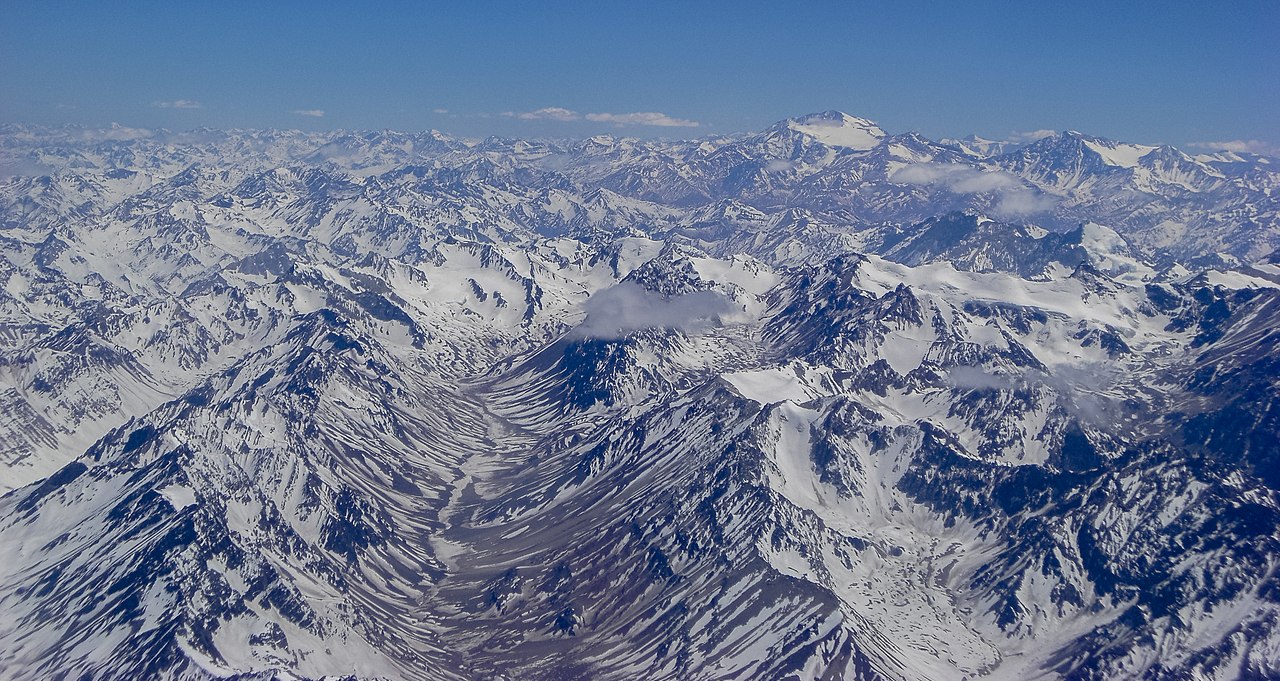
The Andes Mountains are home to some of the most impressive mountain peaks in the world, including Aconcagua, the highest peak outside of Asia. The Andes are also home to many glaciers, including the Quelccaya Ice Cap in Peru. The range is characterized by a diverse range of landforms, including valleys, canyons, and plateaus. The Andes are also home to many rivers, including the Amazon River, which originates in the Andes and flows through Brazil before emptying into the Atlantic Ocean. The unique geology of the Andes has created a variety of mineral resources, including copper, gold, and silver. For example, the Chilean city of Calama is situated in the Andes, and its economy is heavily reliant on the mining industry. The Andes are also home to many geological formations, including the Andes Mountain Range and the Atacama Desert.
🌋 Volcanic Activity
The Andes Mountains are home to over 100 active volcanoes, with many more dormant volcanoes and extinct volcanoes. The range is located at the boundary between the Nazca Plate and the South American Plate, which has resulted in a high level of volcanic activity over millions of years. The Andes are also home to many geothermal areas, including hot springs and geysers. The unique geology of the Andes has created a variety of mineral resources, including copper, gold, and silver. For instance, the Chilean city of Santiago is situated in the Andes, and its economy is heavily reliant on the mining industry. The Andes are also home to many volcanic arcs, including the Andes Mountain Range. The volcanic activity in the Andes has also created a unique landscape, with many volcanic landforms and volcanic features.
🏞️ Biodiversity Hotspots
The Andes Mountains are home to a diverse range of ecosystems, including tropical rainforests, cloud forests, and alpine meadows. The range is also home to many endemic species, including the Andinan condor and the South American spectacled bear. The Andes are also an important source of biodiversity, with many plant species and animal species found nowhere else in the world. The unique geology of the Andes has created a variety of habitats, including valleys, canyons, and plateaus. For example, the Amazon Rainforest is located in the Andes, and it is home to a vast array of plant species and animal species. The Andes are also home to many national parks and protected areas, which provide a safe haven for wildlife and support ecotourism initiatives.
👥 Indigenous Cultures
The Andes Mountains have been home to many indigenous cultures for thousands of years, including the Inca Empire and the Quechua people. The Andes are also home to many traditional communities, which have developed a unique cultural heritage based on their relationship with the environment. The Andes are also an important source of traditional knowledge, with many indigenous communities possessing a deep understanding of the natural world. For instance, the Quechua people have a rich tradition of traditional medicine, which has been passed down through generations. The Andes are also home to many cultural festivals, including the Inti Raymi festival in Peru. The indigenous cultures of the Andes have also made significant contributions to the world heritage, including the machu picchu site in Peru.
🚧 Economic Importance
The Andes Mountains are an important source of economic growth for many South American countries, with the range providing a significant source of mineral resources, including copper, gold, and silver. The Andes are also home to many agricultural areas, including the Valle Central in Chile. The range is also an important source of hydroelectric power, with many hydroelectric power plants located in the Andes. For example, the Chilean city of Santiago is situated in the Andes, and its economy is heavily reliant on the mining industry. The Andes are also home to many tourist attractions, including the Torres del Paine National Park in Chile. The economic importance of the Andes is also reflected in the trade agreements between South American countries, including the Mercosur agreement.
📸 Tourism and Exploration
The Andes Mountains are a popular destination for tourists and adventure seekers, with the range offering a wide range of outdoor activities, including hiking, trekking, and skiing. The Andes are also home to many national parks and protected areas, which provide a safe haven for wildlife and support ecotourism initiatives. For instance, the Torres del Paine National Park in Chile is a popular destination for hiking and trekking. The Andes are also an important source of cultural heritage, with many indigenous communities possessing a unique cultural identity. The tourism industry in the Andes is also an important source of economic growth for many South American countries. The Andes are also home to many traditional festivals, including the Inti Raymi festival in Peru.
🔍 Environmental Concerns
The Andes Mountains are facing many environmental challenges, including climate change, deforestation, and mining. The range is also home to many endangered species, including the Andinan condor and the South American spectacled bear. The Andes are also an important source of biodiversity, with many plant species and animal species found nowhere else in the world. For example, the Amazon Rainforest is located in the Andes, and it is home to a vast array of plant species and animal species. The environmental concerns in the Andes are also reflected in the sustainable development initiatives of many South American countries, including the United Nations Sustainable Development Goals. The Andes are also home to many national parks and protected areas, which provide a safe haven for wildlife and support ecotourism initiatives.
🌟 Future of the Andes
The Andes Mountains will continue to play a significant role in the future of South America, with the range providing a source of economic growth, cultural heritage, and environmental sustainability. The Andes are also an important source of biodiversity, with many plant species and animal species found nowhere else in the world. The future of the Andes will depend on the ability of South American countries to balance economic development with environmental protection and cultural preservation. For instance, the Chilean government has implemented several initiatives to protect the environment and promote sustainable development in the Andes. The Andes are also home to many indigenous communities, which will continue to play a vital role in the cultural heritage and environmental sustainability of the region.
Key Facts
- Year
- Pre-Cambrian Era, formation began
- Origin
- South America, stretching through Argentina, Bolivia, Chile, Colombia, Ecuador, Peru, and Venezuela
- Category
- Geography
- Type
- Mountain Range
Frequently Asked Questions
What is the longest mountain range in the world?
The Andes Mountains are the longest mountain range in the world, stretching over 8,900 kilometres (5,500 mi) along the western edge of South America. The range is approximately 200 to 700 kilometres wide and has an average height of about 4,000 metres (13,000 ft). The Andes are home to many mountain peaks, including Aconcagua, the highest peak outside of Asia.
Which countries are part of the Andes Mountains?
The Andes Mountains stretch through seven South American countries: Argentina, Chile, Bolivia, Peru, Ecuador, Colombia, and Venezuela. Each country has its own unique culture and history, and the Andes play a significant role in shaping the identity of each nation. The Andes are also home to many national parks and protected areas, which provide a safe haven for wildlife and support ecotourism initiatives.
What is the highest peak in the Andes Mountains?
The highest peak in the Andes Mountains is Aconcagua, which is located in Argentina. Aconcagua is the highest peak outside of Asia and has an elevation of 6,962 metres (22,841 ft) above sea level. The mountain is a popular destination for mountaineers and adventure seekers, and is considered one of the Seven Summits of the world.
What is the cultural significance of the Andes Mountains?
The Andes Mountains have been home to many indigenous cultures for thousands of years, including the Inca Empire and the Quechua people. The Andes are also home to many traditional communities, which have developed a unique cultural heritage based on their relationship with the environment. The Andes are also an important source of traditional knowledge, with many indigenous communities possessing a deep understanding of the natural world.
What are the environmental challenges facing the Andes Mountains?
The Andes Mountains are facing many environmental challenges, including climate change, deforestation, and mining. The range is also home to many endangered species, including the Andinan condor and the South American spectacled bear. The Andes are also an important source of biodiversity, with many plant species and animal species found nowhere else in the world.
What is the economic importance of the Andes Mountains?
The Andes Mountains are an important source of economic growth for many South American countries, with the range providing a significant source of mineral resources, including copper, gold, and silver. The Andes are also home to many agricultural areas, including the Valle Central in Chile. The range is also an important source of hydroelectric power, with many hydroelectric power plants located in the Andes.
What is the future of the Andes Mountains?
The Andes Mountains will continue to play a significant role in the future of South America, with the range providing a source of economic growth, cultural heritage, and environmental sustainability. The Andes are also an important source of biodiversity, with many plant species and animal species found nowhere else in the world. The future of the Andes will depend on the ability of South American countries to balance economic development with environmental protection and cultural preservation.