
Contents
- 🌊 Introduction to Seabirds
- 🦅 Evolutionary History of Seabirds
- 🌴 Seabird Adaptations and Convergent Evolution
- 🐦 Seabird Diversity and Classification
- 🌊 Seabirds and Marine Ecosystems
- 🌟 The Role of Seabirds in Ocean Health
- 🚨 Threats to Seabird Populations
- 🌈 Conservation Efforts for Seabirds
- 📊 Seabird Research and Monitoring
- 🌎 International Cooperation for Seabird Conservation
- 📚 Seabirds in Culture and Society
- 🔮 Future of Seabird Conservation
- Frequently Asked Questions
- Related Topics
Overview
Seabirds, comprising over 350 species, play a crucial role in maintaining the health of marine ecosystems. From albatrosses to penguins, these birds have adapted to life at sea, with unique physiological and behavioral traits. However, seabird populations are facing unprecedented threats, including climate change, pollution, and overfishing, with many species experiencing significant declines. The loss of seabirds can have cascading effects on marine ecosystems, highlighting the need for conservation efforts. According to a study published in the journal Marine Ecology Progress Series, seabirds are responsible for transporting nutrients from the ocean to coastal ecosystems, with an estimated 4-8% of global marine productivity being transferred through seabird guano. As we move forward, it's essential to consider the impact of human activities on seabird populations and the ecosystems they inhabit, with a focus on developing sustainable solutions to mitigate these effects.
🌊 Introduction to Seabirds
Seabirds are a fascinating group of birds that have adapted to life in the marine environment. With over 300 species, they can be found in oceans all around the world, from the Arctic to the coral reefs of the tropics. Seabirds play a crucial role in maintaining the health of our oceans, and their loss could have significant impacts on the entire ecosystem. According to the International Union for Conservation of Nature, many seabird species are threatened or endangered due to human activities such as overfishing and pollution. To learn more about the importance of seabirds, visit the Wildlife Conservation Society website.
🦅 Evolutionary History of Seabirds
The evolutionary history of seabirds dates back to the Cretaceous period, over 100 million years ago. During this time, the first seabirds evolved from land-dwelling birds that ventured out to sea in search of food. Over time, these early seabirds adapted to their new environment, developing unique characteristics such as salt-excreting glands and water-repellent feathers. For more information on the evolution of seabirds, see the Paleogene period and the work of Charles Darwin on natural selection.
🌴 Seabird Adaptations and Convergent Evolution
Seabirds have evolved a range of adaptations to survive in the marine environment. One of the most striking examples of this is convergent evolution, where different species develop similar characteristics in response to the same environmental pressures. For example, the albatross and the petrel have both developed large wingspans and lightweight bones, allowing them to stay aloft for long periods of time. To learn more about convergent evolution, visit the University of California, Berkeley website and read about the work of Stephen Jay Gould on evolutionary biology.
🐦 Seabird Diversity and Classification
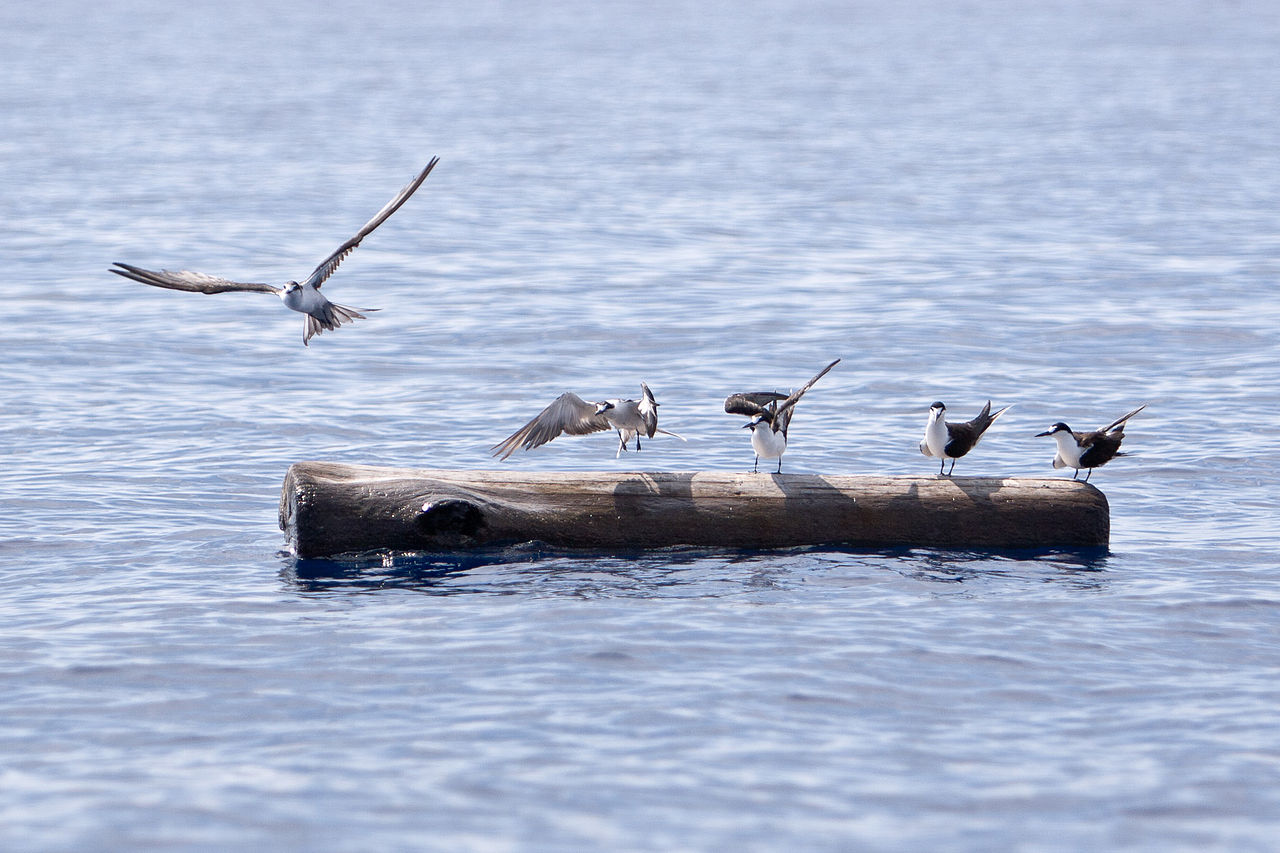
Seabirds can be classified into several different groups, including auks, gulls, and terns. Each of these groups has its own unique characteristics and adaptations, and they can be found in a range of different habitats, from the Arctic tundra to the mangrove forests of the tropics. For more information on seabird classification, see the American Ornithological Society website and the work of John James Audubon on ornithology.
🌊 Seabirds and Marine Ecosystems
Seabirds play a crucial role in maintaining the health of marine ecosystems. They help to regulate the populations of fish and invertebrates, and they also contribute to the nutrient cycle by transporting nutrients from the ocean to the land. For example, seabird guano is an important fertilizer that is used in many parts of the world. To learn more about the importance of seabirds in marine ecosystems, visit the National Oceanic and Atmospheric Administration website and read about the work of Jacques Cousteau on marine conservation.
🌟 The Role of Seabirds in Ocean Health
Seabirds are often referred to as the 'canaries of the sea' because they are highly sensitive to changes in the ocean environment. As a result, they can serve as important indicators of ocean health, and changes in seabird populations can be used to monitor the impacts of human activities such as climate change and pollution. For more information on the role of seabirds in ocean health, see the World Wildlife Fund website and the work of Jane Goodall on conservation biology.
🚨 Threats to Seabird Populations
Seabird populations are facing a range of threats, including habitat destruction, bycatch, and climate change. Many seabird species are also vulnerable to invasive species, such as rats and cats, which can prey on seabirds and their eggs. To learn more about the threats facing seabirds, visit the International Bird Conservation website and read about the work of Peter Sinkins on wildlife management.
🌈 Conservation Efforts for Seabirds
Conservation efforts are underway to protect seabird populations and their habitats. These efforts include the establishment of marine protected areas, the reduction of bycatch, and the control of invasive species. For example, the Australian government has established a number of marine protected areas to protect the Great Barrier Reef and its associated seabird populations. To learn more about seabird conservation efforts, see the Australian Wildlife Conservancy website and the work of David Attenborough on wildlife conservation.
📊 Seabird Research and Monitoring
Seabird research and monitoring are essential for understanding the impacts of human activities on seabird populations and for developing effective conservation strategies. This research can involve the use of satellite tracking and camera traps to monitor seabird movements and behavior. For more information on seabird research and monitoring, visit the University of Oxford website and read about the work of Tim Birkhead on ornithology.
🌎 International Cooperation for Seabird Conservation
International cooperation is essential for the conservation of seabirds, as many seabird species migrate across national borders and are affected by global phenomena such as climate change. The International Marine Organization and the United Nations Environment Programme are working together to develop global conservation strategies for seabirds. To learn more about international cooperation for seabird conservation, see the United Nations website and the work of Kofi Annan on sustainable development.
📚 Seabirds in Culture and Society
Seabirds have played an important role in human culture and society for thousands of years. They have been featured in the art and literature of many cultures, and they continue to inspire people around the world. For example, the albatross has been a symbol of good luck and prosperity in many cultures, while the penguin has become a popular symbol of conservation efforts. To learn more about the cultural significance of seabirds, visit the British Museum website and read about the work of Ernst Mayr on evolutionary biology.
🔮 Future of Seabird Conservation
The future of seabird conservation is uncertain, as many seabird populations continue to decline due to human activities such as overfishing and pollution. However, there are many reasons to be hopeful, as conservation efforts are underway to protect seabird populations and their habitats. For example, the Seabird Conservation Society is working to protect seabirds and their habitats through research, education, and advocacy. To learn more about the future of seabird conservation, see the Seabird Conservation Society website and the work of Paul Ehrlich on conservation biology.
Key Facts
- Year
- 2022
- Origin
- Global Oceans
- Category
- Wildlife Conservation
- Type
- Biological Species
Frequently Asked Questions
What is the most endangered seabird species?
The most endangered seabird species is the Short-tailed Albatross, which is found in the North Pacific and is threatened by habitat destruction and bycatch. According to the International Union for Conservation of Nature, there are only around 2,500 individuals remaining in the wild. To learn more about the Short-tailed Albatross, visit the National Audubon Society website and read about the work of Roger Tory Peterson on ornithology.
What can I do to help conserve seabirds?
There are many ways to help conserve seabirds, including reducing your use of plastic, supporting marine protected areas, and spreading awareness about the importance of seabird conservation. You can also support organizations such as the Seabird Conservation Society and the World Wildlife Fund, which work to protect seabirds and their habitats. For more information on how to get involved, visit the Seabird Conservation Society website and read about the work of David Suzuki on environmental conservation.
What is the most common threat to seabirds?
The most common threat to seabirds is bycatch, which occurs when seabirds are caught in fishing nets and other fishing gear. This can cause serious injury or death, and it is estimated that hundreds of thousands of seabirds are killed by bycatch each year. To learn more about bycatch and its impacts on seabirds, visit the Food and Agriculture Organization website and read about the work of Daniel Pauly on fisheries management.
How can I learn more about seabirds?
There are many ways to learn more about seabirds, including visiting the National Audubon Society website, reading books on ornithology, and watching documentaries on wildlife conservation. You can also join a local birding club or participate in a citizen science project to learn more about seabirds and get involved in their conservation. For more information on how to get started, visit the National Audubon Society website and read about the work of E.O. Wilson on biodiversity.
What is the importance of seabirds in marine ecosystems?
Seabirds play a crucial role in maintaining the health of marine ecosystems. They help to regulate the populations of fish and invertebrates, and they also contribute to the nutrient cycle by transporting nutrients from the ocean to the land. For example, seabird guano is an important fertilizer that is used in many parts of the world. To learn more about the importance of seabirds in marine ecosystems, visit the National Oceanic and Atmospheric Administration website and read about the work of Jacques Cousteau on marine conservation.
How can I support seabird conservation efforts?
There are many ways to support seabird conservation efforts, including donating to organizations such as the Seabird Conservation Society and the World Wildlife Fund, spreading awareness about the importance of seabird conservation, and reducing your use of plastic. You can also participate in citizen science projects and join a local birding club to learn more about seabirds and get involved in their conservation. For more information on how to get involved, visit the Seabird Conservation Society website and read about the work of Paul Ehrlich on conservation biology.
What is the current state of seabird populations?
The current state of seabird populations is a concern, as many species are declining due to human activities such as overfishing and pollution. According to the International Union for Conservation of Nature, many seabird species are threatened or endangered, and some are even considered to be critically endangered. To learn more about the current state of seabird populations, visit the International Union for Conservation of Nature website and read about the work of Peter Sinkins on wildlife management.